87 Wounded, 300 Objects, One Night: How Kyiv Patrol Police Worked During the Strike
On the night of May 24, Russia launched one of its largest-scale attacks on the capital — ballistic missiles, cruise missiles, and over 600 drones. The Interior Ministry showed what was happening inside the destroyed buildings in the first minutes after the explosions.

By Tetiana Suchkova-Ladik
May 25, 2026 · 2 min read
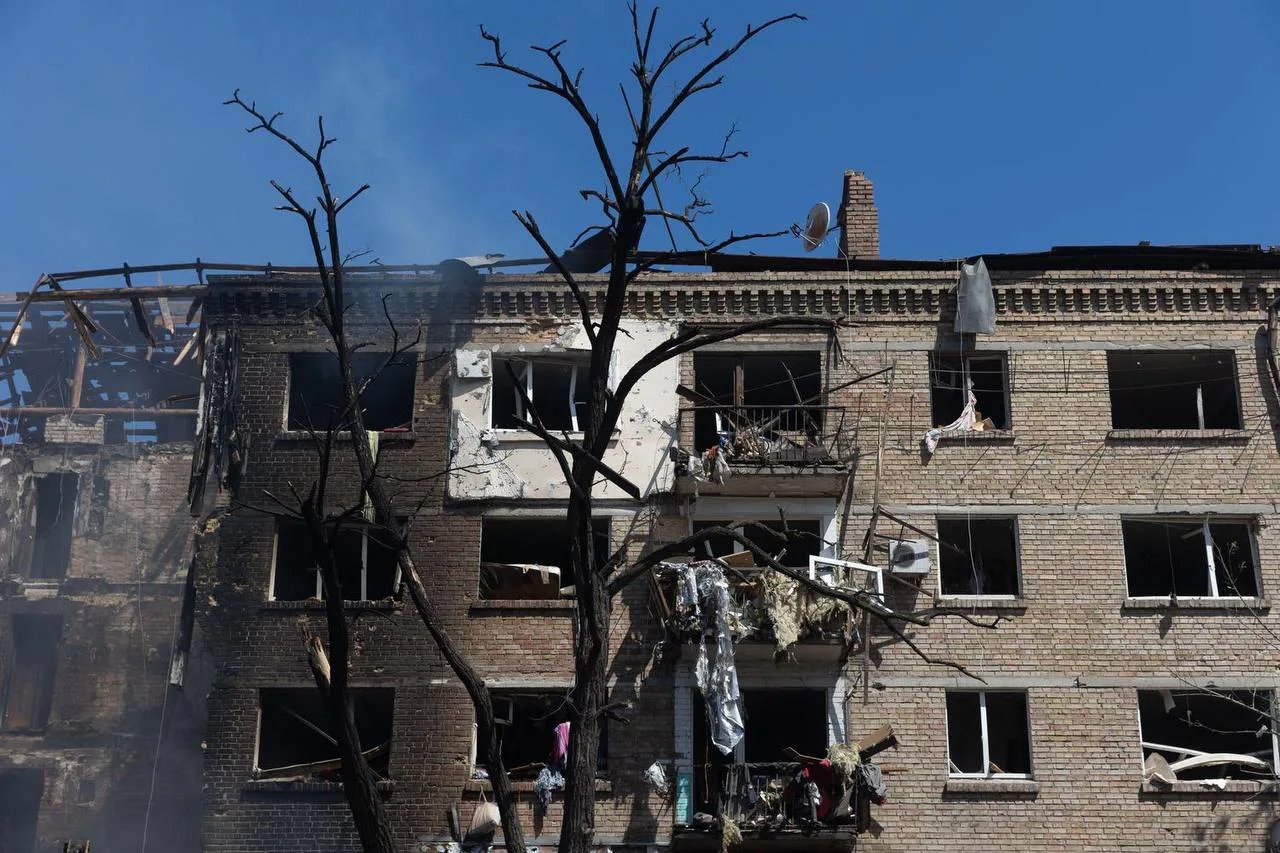
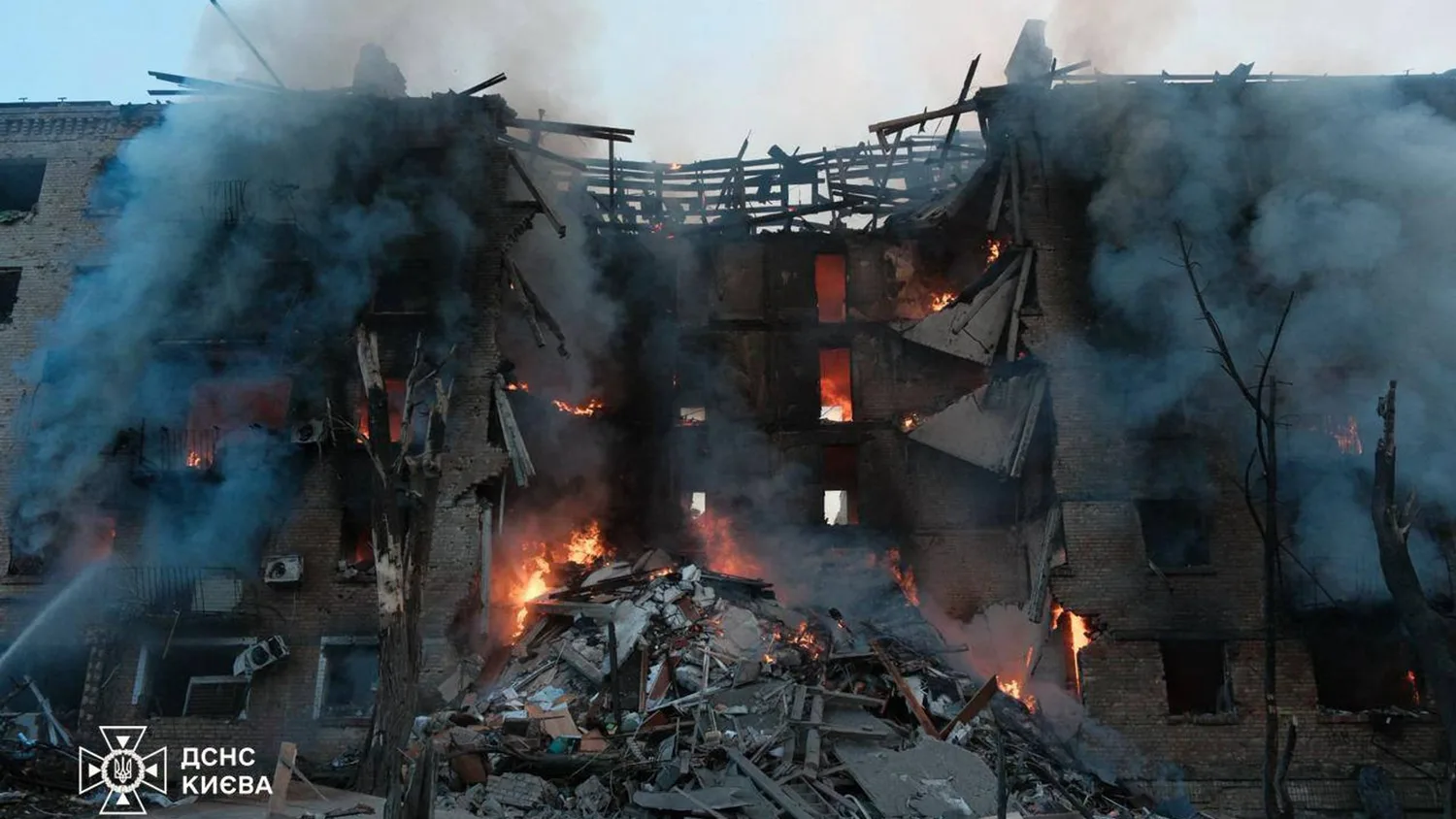
On the night of May 24, Russia attacked Kyiv with a combined strike: approximately 600 drones and 90 missiles of various types, including Iskander-M ballistic missiles, Kh-101 and Kalibr cruise missiles, and Zircon anti-ship missiles. Air defense forces destroyed 604 aerial targets, but debris and direct hits affected all districts of the city.
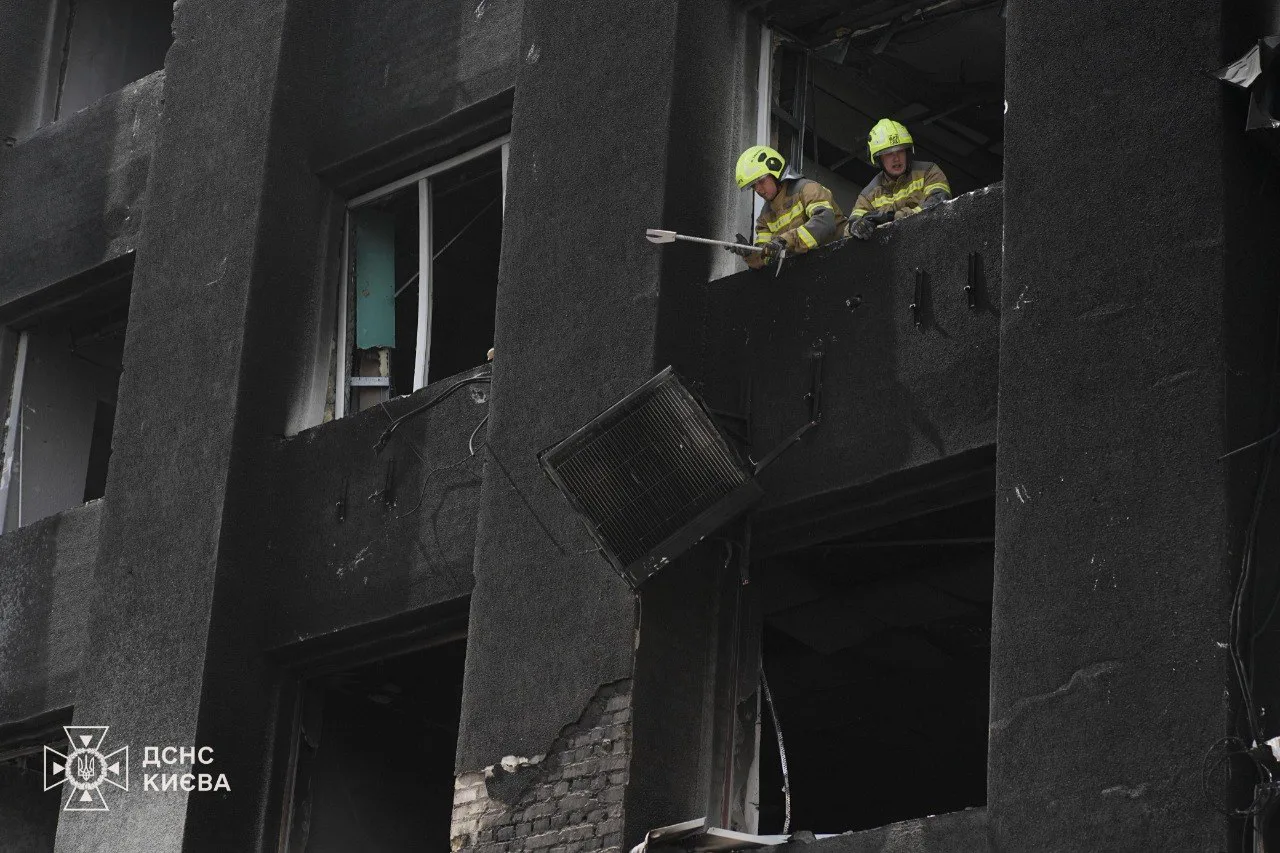
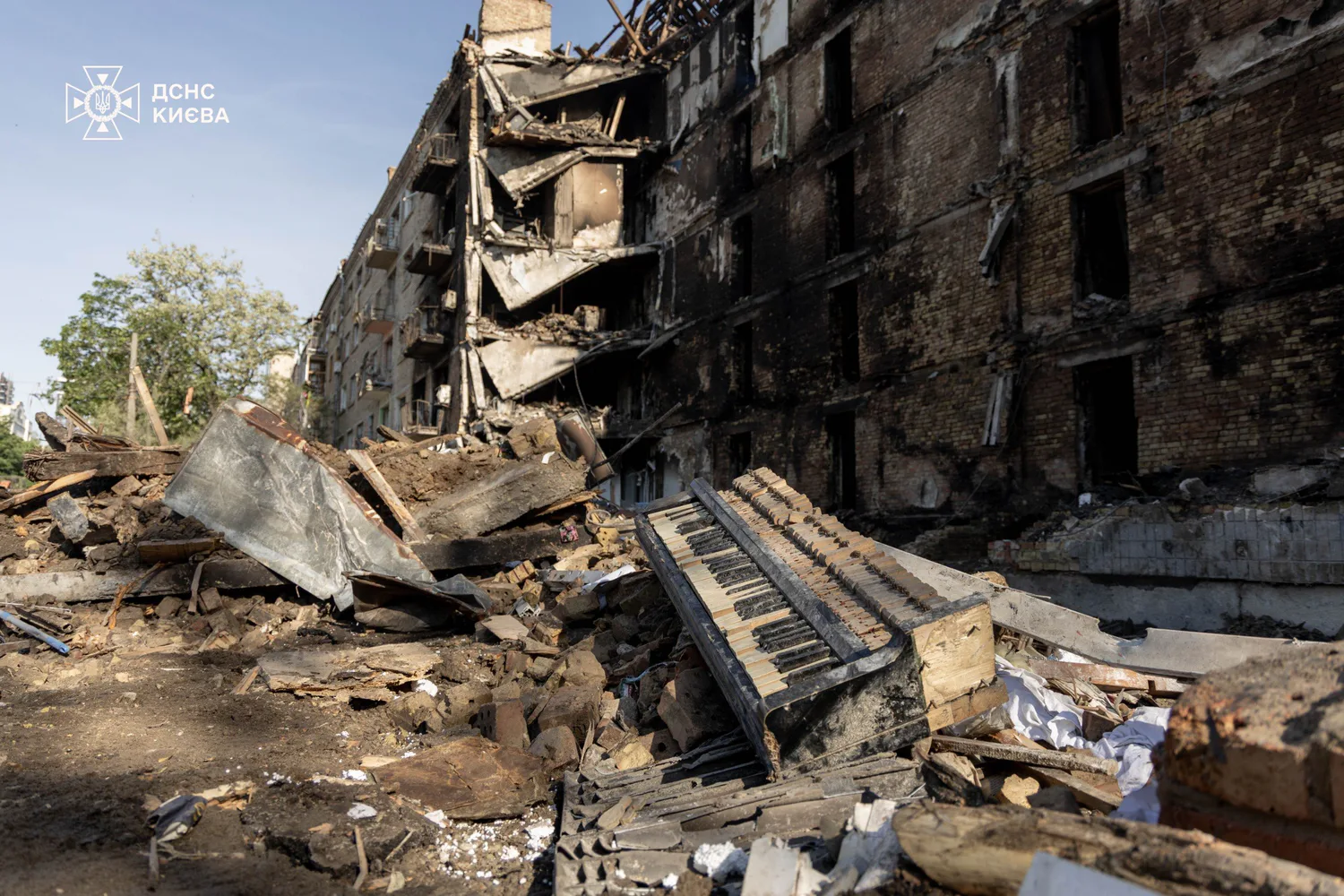
As of the morning of May 25, according to KMVA spokesperson Kateryna Pop, 87 people were injured, including three children. Two people were killed — women aged 82 and 46, as established by the Office of the General Prosecutor. Twenty-one people remain in hospitals. Approximately 300 objects were damaged, mostly residential buildings; in Shevchenkivskyi and Podil districts, cleanup operations continued into the following morning.
What bodycam footage showed
The Ministry of Internal Affairs released video from police officers' chest cameras — the first minutes after the explosions, without commentary or editing. The footage shows police officers, rescuers, and ordinary passersby together unblocking apartment doors, clearing rubble by hand, and evacuating the wounded to ambulances.
Police officers, together with rescuers, medics, and concerned citizens, helped victims: they unblocked apartment doors, cleared debris, evacuated the wounded, and provided first aid.
Ministry of Internal Affairs of Ukraine
Eight people were rescued from damaged buildings, including a child and a person with limited mobility, the State Emergency Service reported. This is not a record number — but each of the eight was trapped in a blocked space in the first minutes, when decisions were made by patrol officers rather than specialized teams.
Scale of destruction
- Approximately 300 objects were damaged, of which more than 150 are residential buildings
- Strikes were recorded in all districts; Shevchenkivskyi, Podil, and Dniprovsky districts suffered the most
- Metro facilities and commercial infrastructure in Desnyanskyi district were damaged
- Residents whose homes are deemed uninhabitable can receive a one-time payment of 40,000 hryvnia and monthly rent compensation of up to 20,000 hryvnia
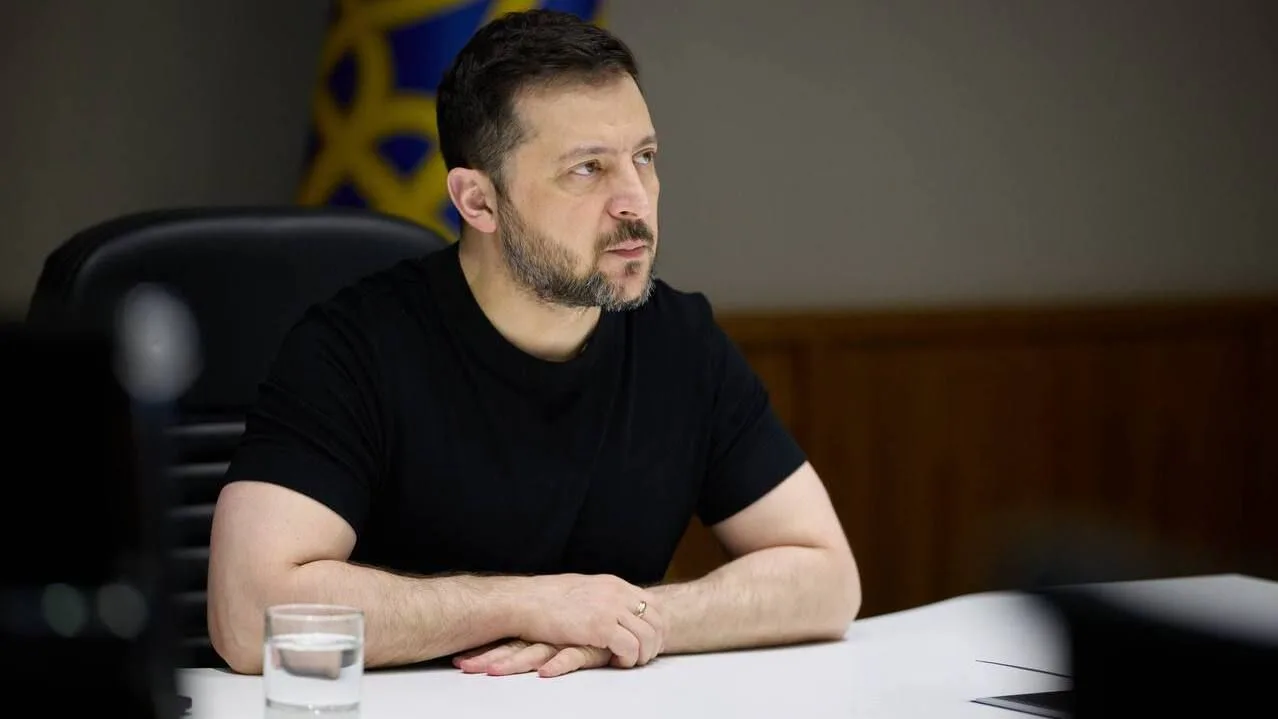
Zelenskyy called protection against ballistic missiles "a daily foreign policy priority." Ukraine deployed air defense systems across the country: strikes or evidence of air defense operations were also recorded in Sumy, Odesa, Kirovohrad, Khmelnytskyi, and Cherkasy regions. In total across Ukraine, four people were killed and approximately 100 wounded.
The bodycam footage captures not heroism and not catastrophe — it captures the routine of emergency response: people in uniform doing what they were trained for while missiles are still falling on neighboring districts. The question is not whether patrol officers are coping — they are. The question is how many more nights city infrastructure can withstand if Kyiv receives strikes of this magnitude without additional ballistic interception systems.