Attack on Kyiv on December 27: 32 wounded, one woman killed — more than 10 buildings damaged, city working on recovery
Reports from the mayor’s office and the Interior Ministry have been updated: the number of injured has risen to 32, and 11 people have been hospitalized. We explain what has already been done and what this means for the safety of Kyiv residents.

By Oleg Bazylewicz
December 27, 2025 · 1 min read
What happened
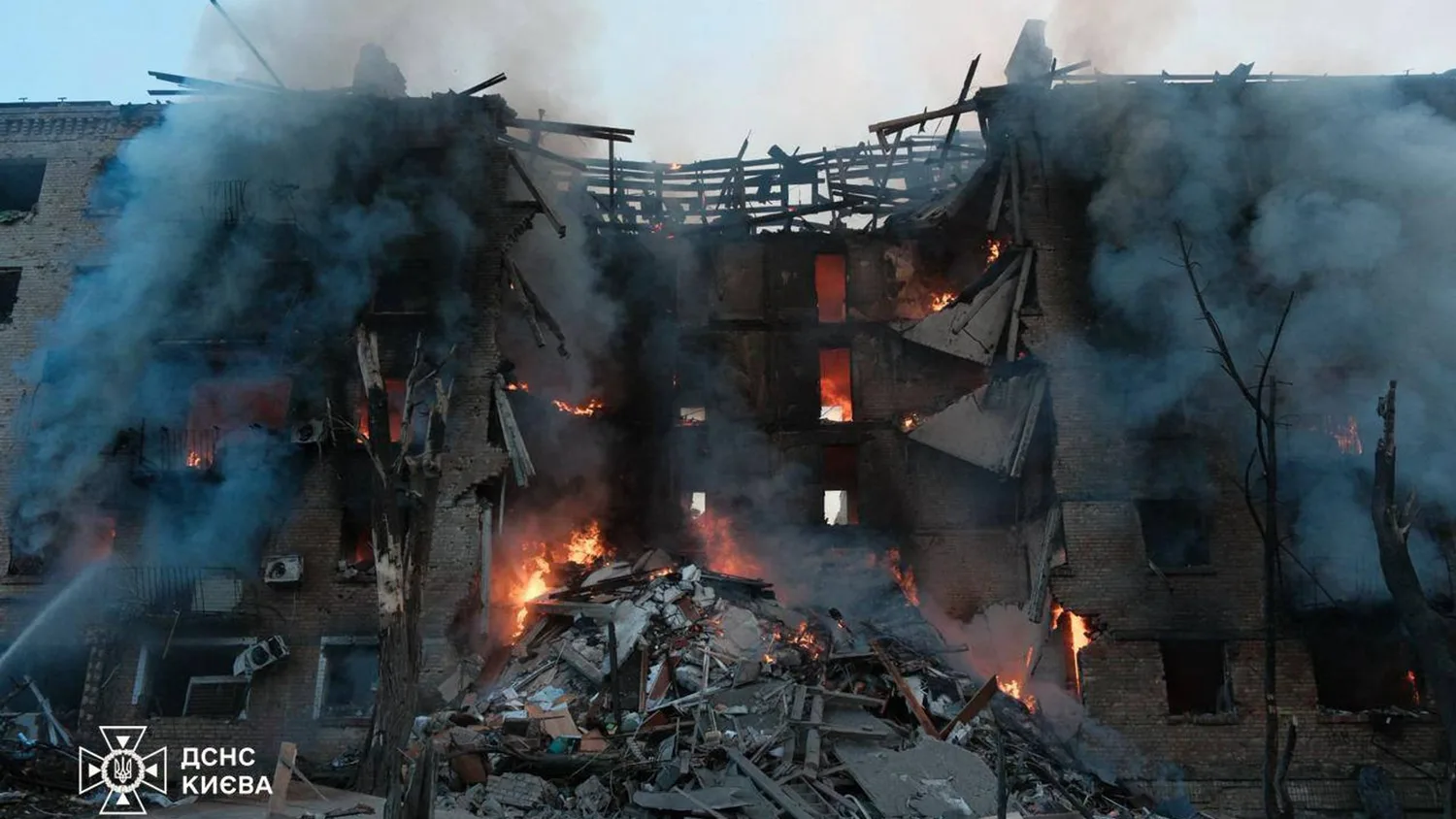
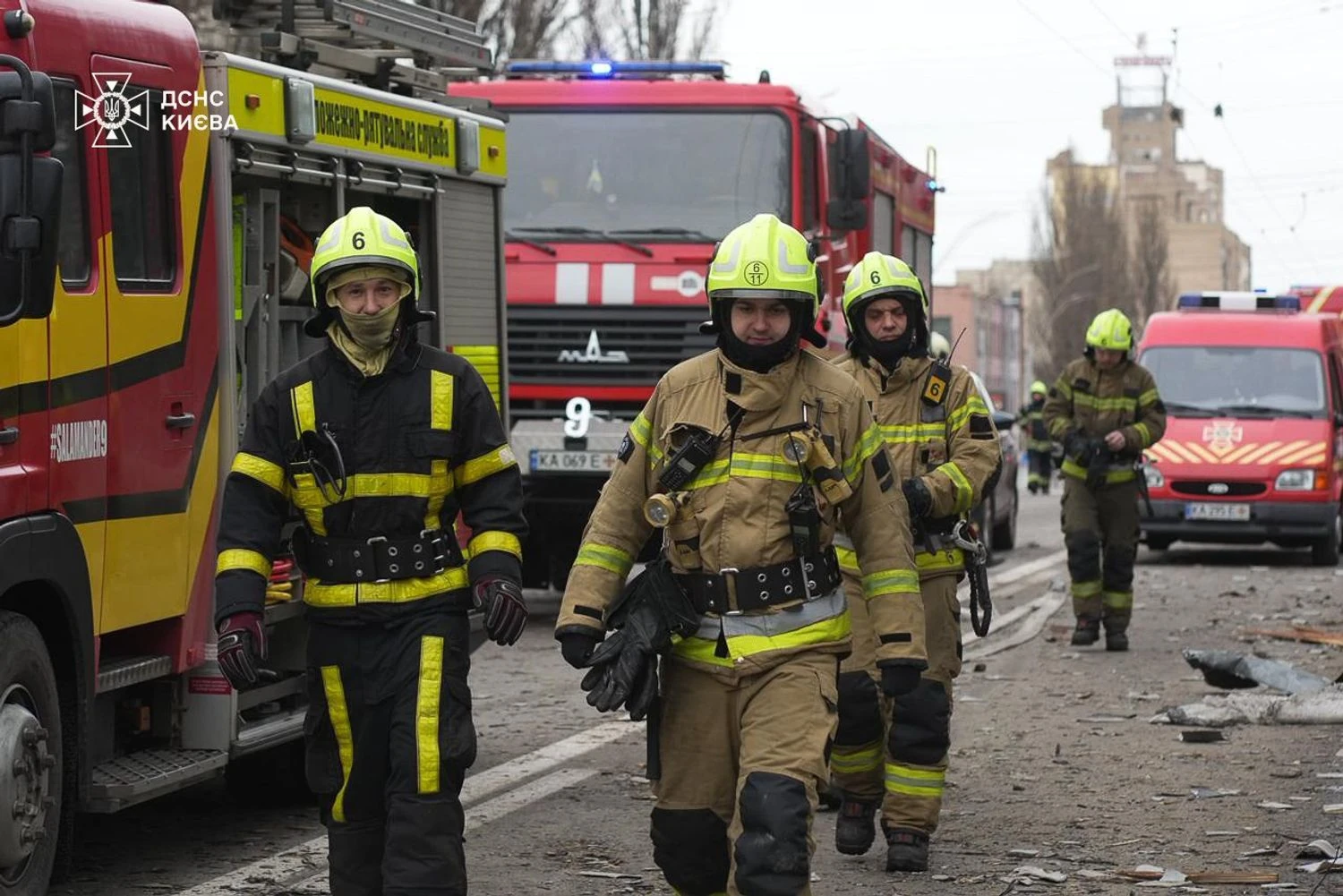
We set emotions aside and analyze the facts. As a result of a Russian attack on the night of December 27 in Kyiv, 32 people were injured, city mayor Vitali Klitschko reported (source: UNN). One person was also killed as a result of the strikes.
Currently, 11 people remain hospitalized in the capital’s hospitals. Preliminary counts changed as reports came in: at first 22 injured were reported, then 30, and the final figure is 32.
Impact on infrastructure and residents
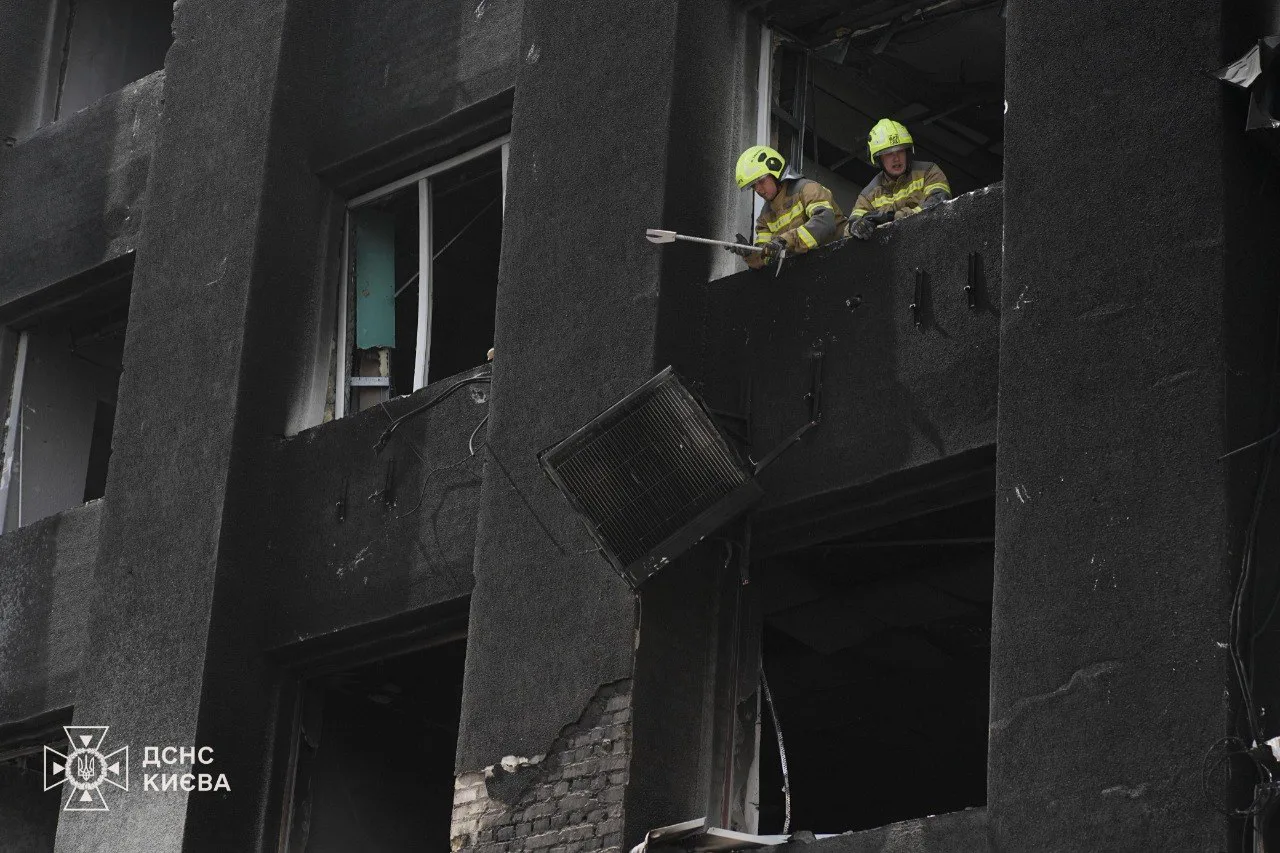
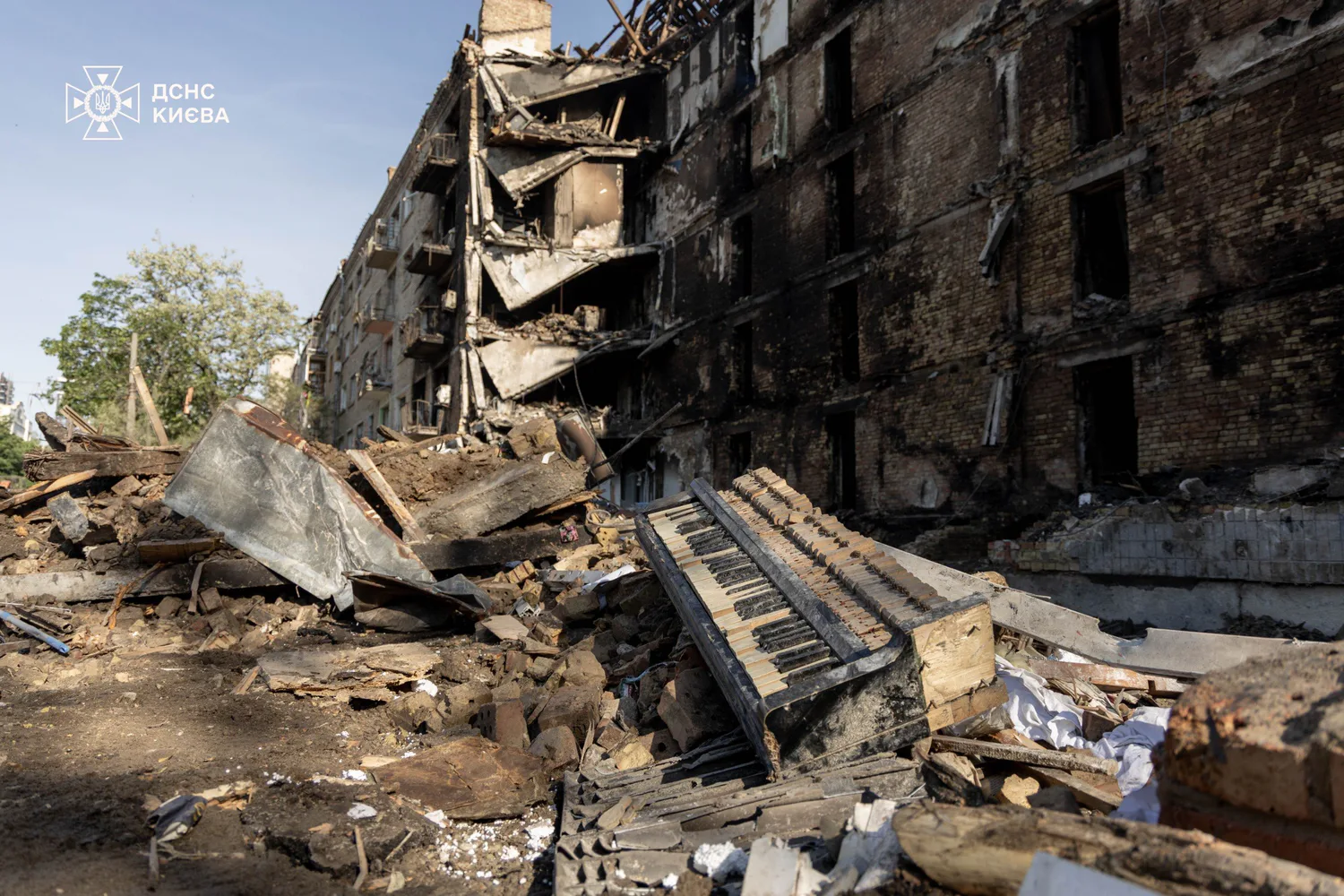
The Ministry of Internal Affairs reports that the nighttime shelling damaged more than 10 residential multi-story buildings, private houses and civilian infrastructure. In the Darnytskyi district, rescuers carried nearly 70 elderly people from the epicenter of the strike and provided them with temporary shelter.
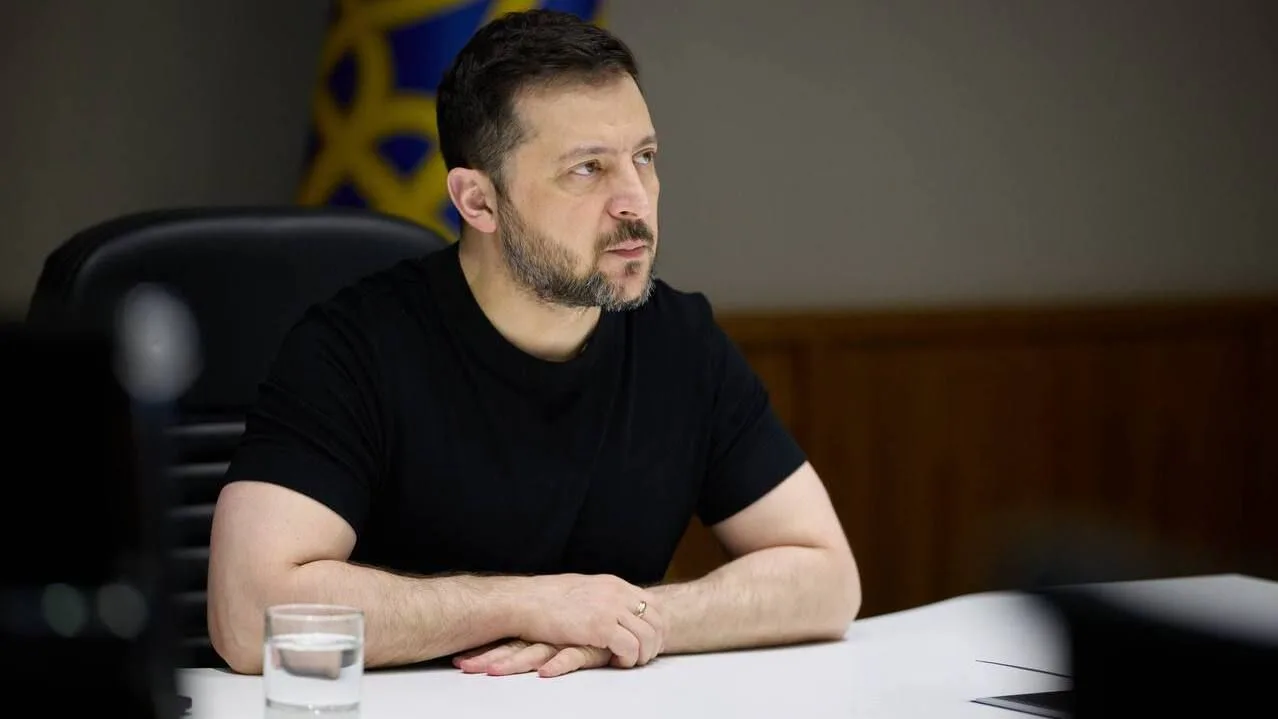
"In Kyiv, 32 people were injured as a result of the Russian attack on December 27"
— Vitali Klitschko, city mayor (according to UNN)
Why this matters
First, the rising number of casualties underscores the need for rapid coordination of medical and rescue systems. Second, the scale of housing damage means a swift start to damage assessment and recovery work is required — from municipal services to assistance programs for the affected.
Security experts note that delays in reports are normal in such attacks due to rescue services operating and information being clarified. At the same time, access to medical care and temporary housing remains crucial for residents.
What to do next
Priorities now are to complete search-and-rescue operations, provide treatment for the wounded and assess damage to the housing stock. City authorities and response services are already working on site; it is important that aid to victims and infrastructure recovery proceed promptly and transparently.
Questions for public oversight and partners: will there be enough resources for rapid recovery, and how can the protection of civilian infrastructure be ensured in the event of repeated attacks?