Attack on the networks: 46% of Kyiv homes without heating — authorities mobilize emergency crews
Following an overnight Russian attack on energy infrastructure in Kyiv and several regions, tens of thousands of people were left without heat and water. We explain the scale, the state's response, and what this means for residents.

By Tetiana Suchkova-Ladik
January 20, 2026 · 2 min read

What happened and why it matters
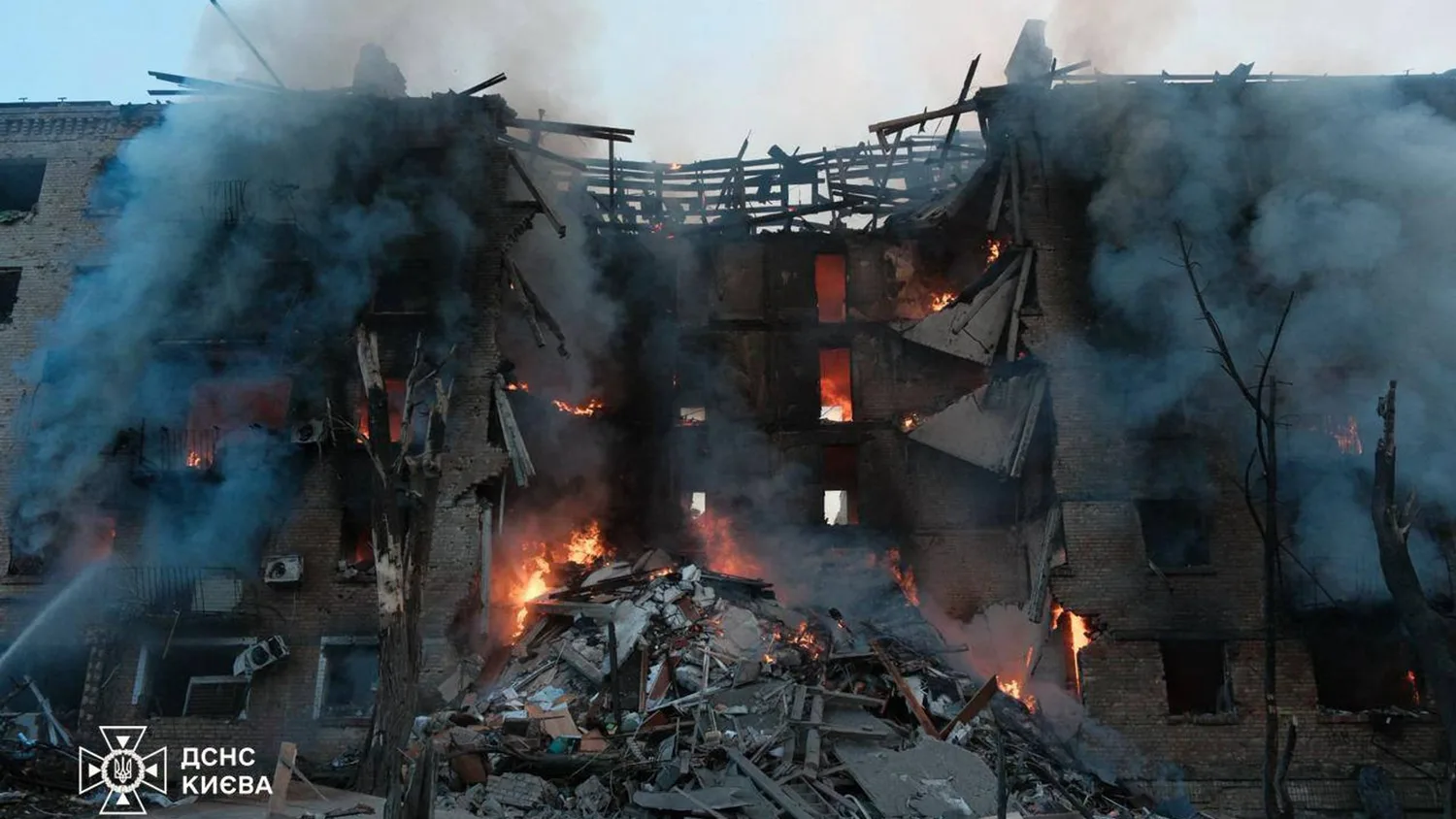
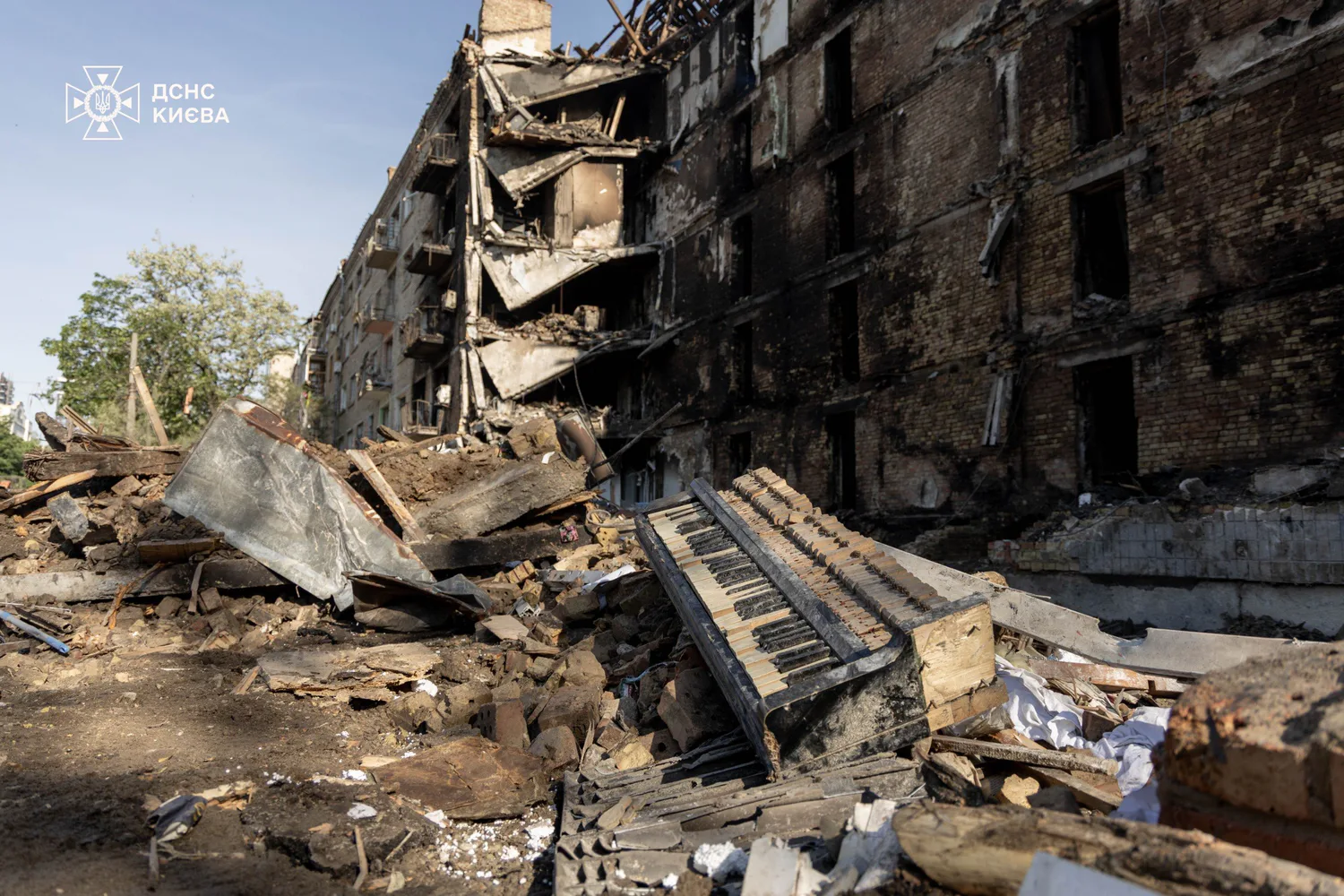
Overnight Russia again struck critical infrastructure: according to Deputy Prime Minister for Recovery Oleksii Kuleba (source — Telegram, UNN), the enemy used ballistic missiles and more than 300 drones, resulting in large-scale damage to energy networks and water supply in several regions. This is not an isolated attack — analysts see an intensification of tactics aimed specifically at civilian infrastructure to reduce cities' resilience and increase pressure on the population.
Scale of the damage
According to official reports:
- Kyiv: 5,635 buildings, or about 46% of the capital's housing stock, were temporarily left without heating.
- Kyiv, left bank: about 3,500 buildings temporarily without water; the right bank is operating at reduced pressure.
- Dnipropetrovsk region (Dnipro and Zelenodolsk): more than 15,000 customers without heat.
- 12 buildings in Kyiv have been without heat since January 9 due to the direct consequences of the shelling.
"Ukraine's energy infrastructure is again under massive Russian strikes. The enemy used ballistic missiles and more than 300 drones against peaceful cities. Under attack — Kyiv and the region, Dnipropetrovsk, Sumy, Odesa, Vinnytsia, Zaporizhzhia, Poltava and other regions"
— Oleksii Kuleba, Deputy Prime Minister for Recovery — Minister for Communities and Territories Development
Authorities' response and repair work
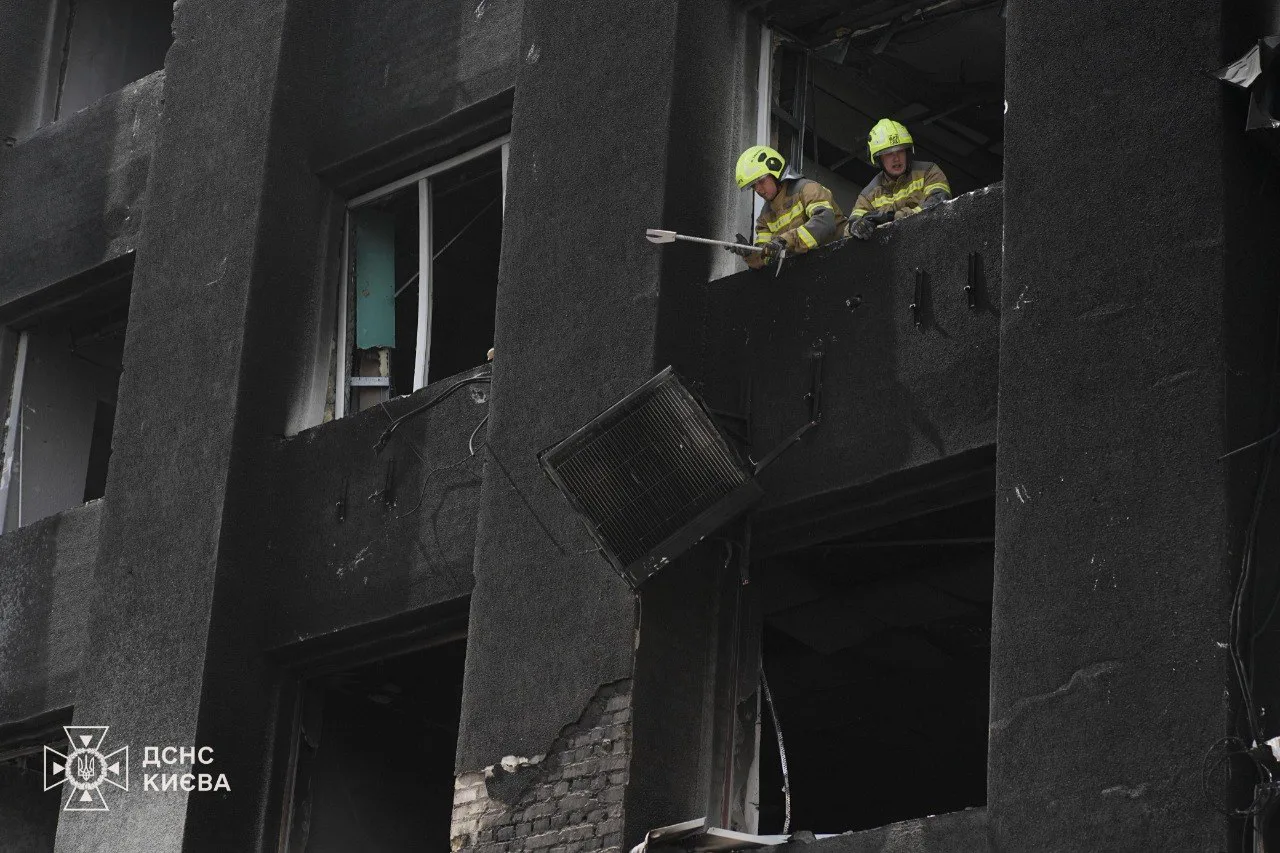
To speed up recovery, additional forces have been deployed: 40 emergency brigades from Ukrzaliznytsia and another 20 brigades from other regions are working around the clock together with municipal services. Kuleba emphasizes the priority of restoring heating and water supply, and the president has instructed that partners — including the United States — be informed about the scale of the attacks and expects a government report on restoration timelines.
"Kyiv. As a result of the attacks, 5,635 buildings were left without heating — this is about 46% of the capital's housing stock. 12 buildings have been without heat since January 9 — due to the direct consequences of the shelling"
— Oleksii Kuleba, Deputy Prime Minister for Recovery — Minister for Communities and Territories Development
What this means for residents
Briefly and practically: the first hours and days after such attacks are decisive for people's safety and comfort. Expect reduced water pressure on the right bank and temporary lack of hot water and heating in disconnected buildings. It is important to stay calm, follow local authority messages and contact services if needed.
Context and outlook
This attack is part of a persistent trend: the enemy is deliberately striking infrastructure to weaken community resilience. The state has already mobilized resources, but the final timeline for full recovery will depend on the scale of the damage and the safety of repair crews. The key question is how quickly partners can provide equipment and materials to stabilize the networks.
In short: the scale is serious, response is оперативний, but partner support and the safety of repair crews are vitally important. We are awaiting an official government report on restoration timelines.
Thanks to all utility workers, energy specialists and railway workers who are working under the threat of repeated attacks — it is their systematic efforts that are keeping cities operational now.