More light on the Left Bank: DTEK eases blackout schedule after shelling — what it means for Kyiv residents
DTEK has increased electricity supply to homes in the Dniprovskyi and Darnytskyi districts — outages are now limited to morning and evening. We explain why this is important and how to act to prevent emergencies.

By Tetiana Suchkova-Ladik
February 6, 2026 · 2 min read
What happened
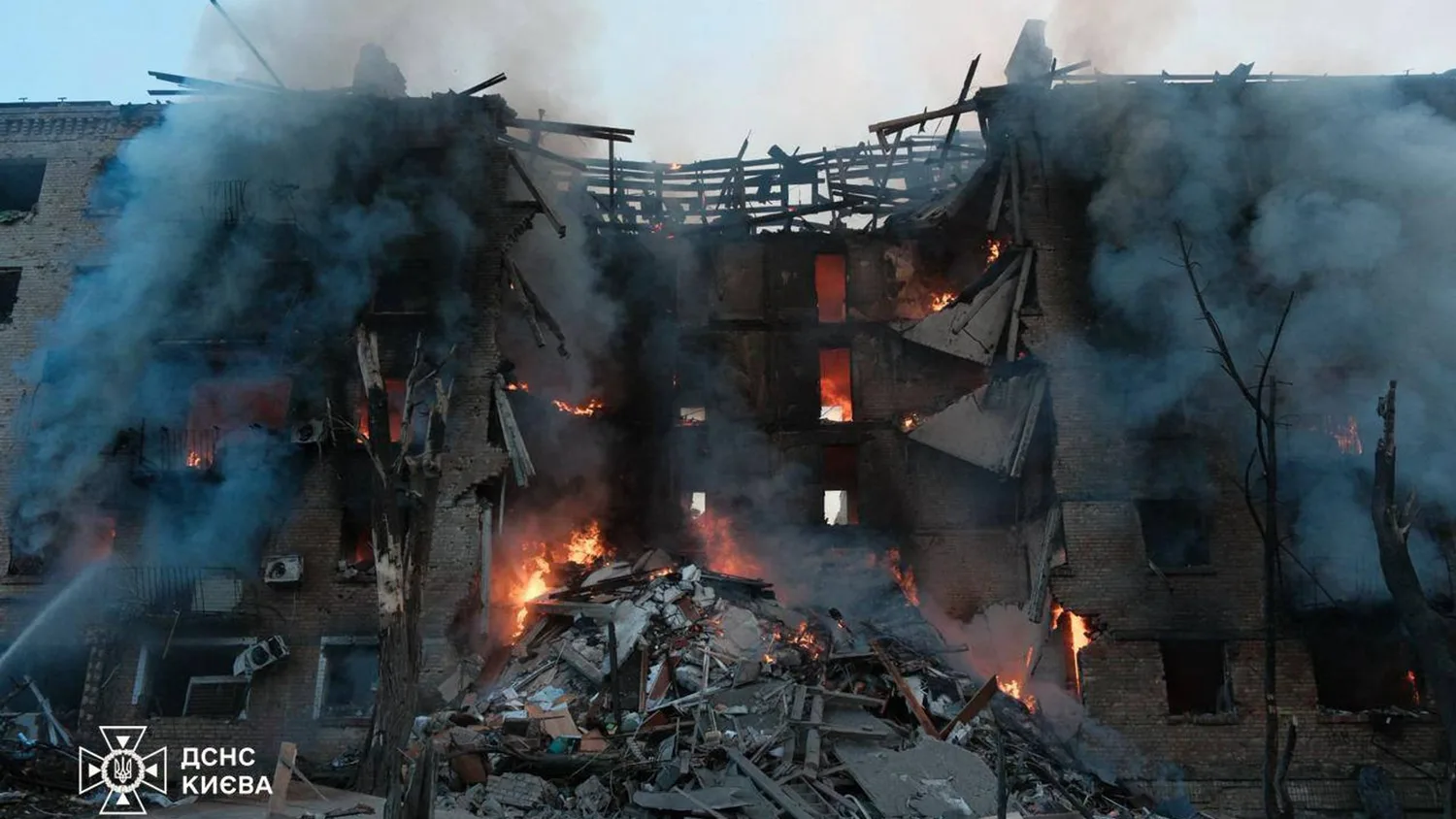
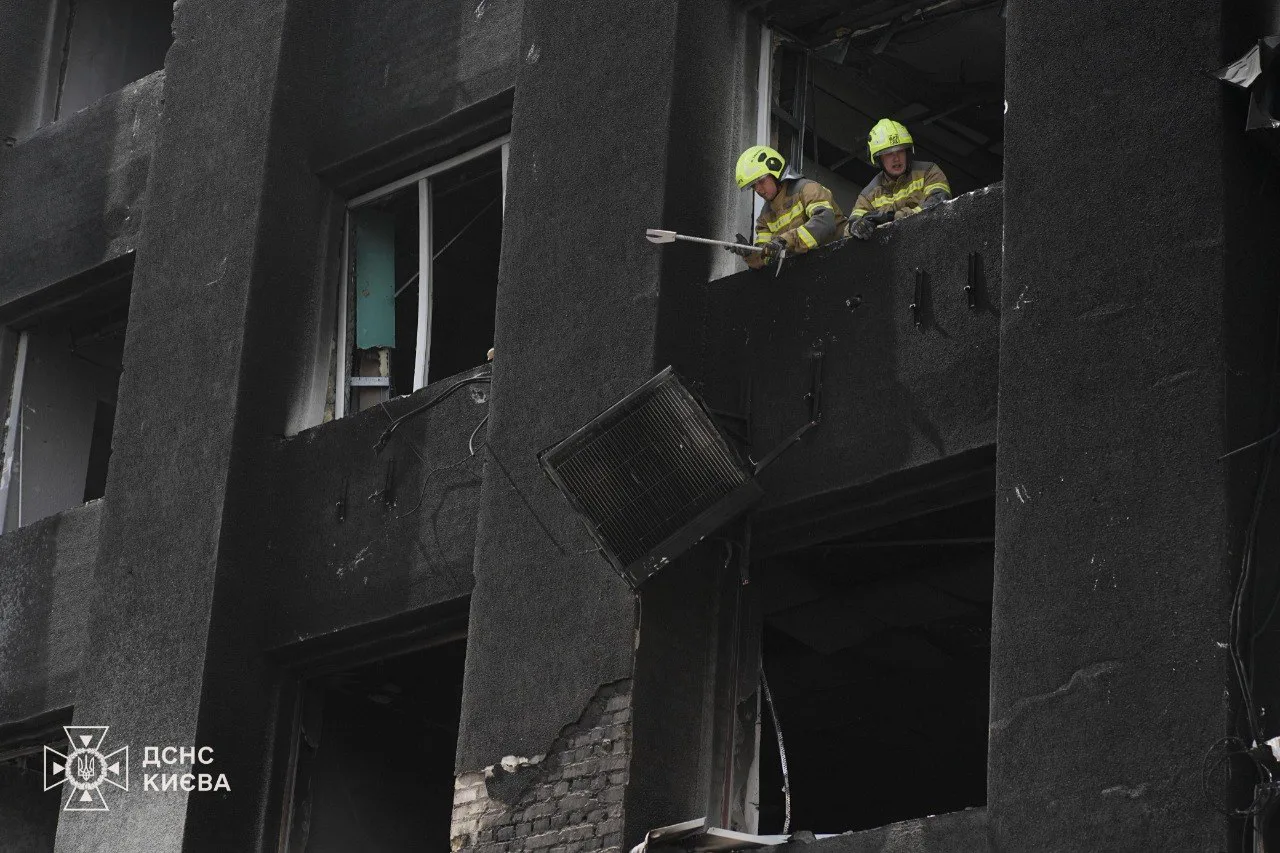
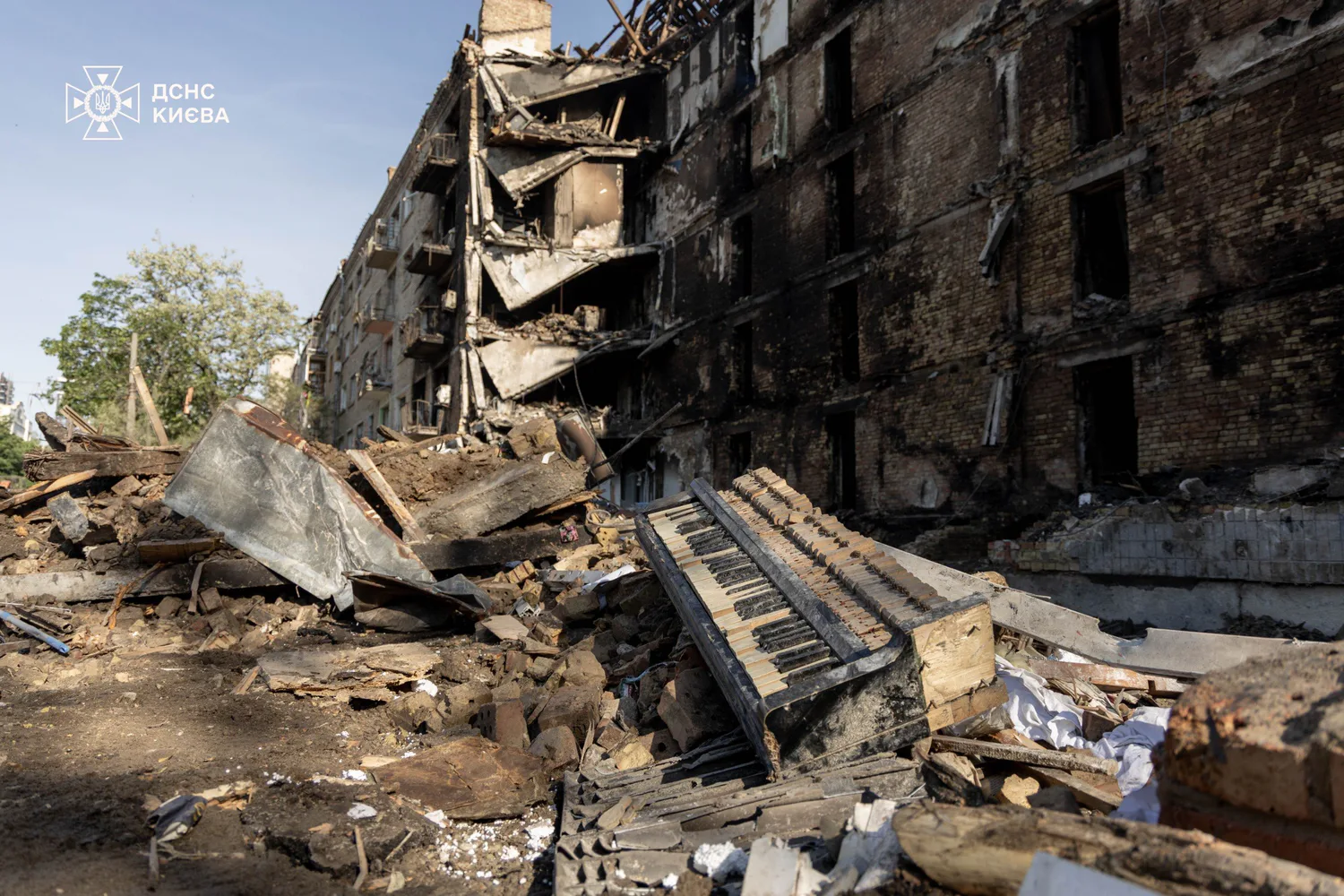
After the latest enemy strike, DTEK reported an increase in power supply to homes on Kyiv’s left bank — specifically in the Dniprovskyi and Darnytskyi districts. The company agreed on a temporary outage schedule to reduce the risk of failures in worn and partly damaged infrastructure.
The outage schedule remained concise: from 8:00 to 11:00 and from 18:00 to 21:00. That means at other times most building entrances and apartments have access to lighting and electrical appliances.
“Dniprovskyi and Darnytskyi districts of Kyiv — for those who are currently without heating after the most recent shelling. We understand how hard it is when it’s cold and dark at home. That’s why the power workers have done the impossible and increased the capacity to deliver electricity to your homes.”
— DTEK press service
Why the networks are overloaded
The reasons are simple and predictable: damaged infrastructure after the shelling plus the mass, simultaneous switching on of boilers and heaters. Such peak loads increase the risk of failures and prolonged outages. Therefore the company is forced to balance power supply according to a schedule.
How many people remain without heating
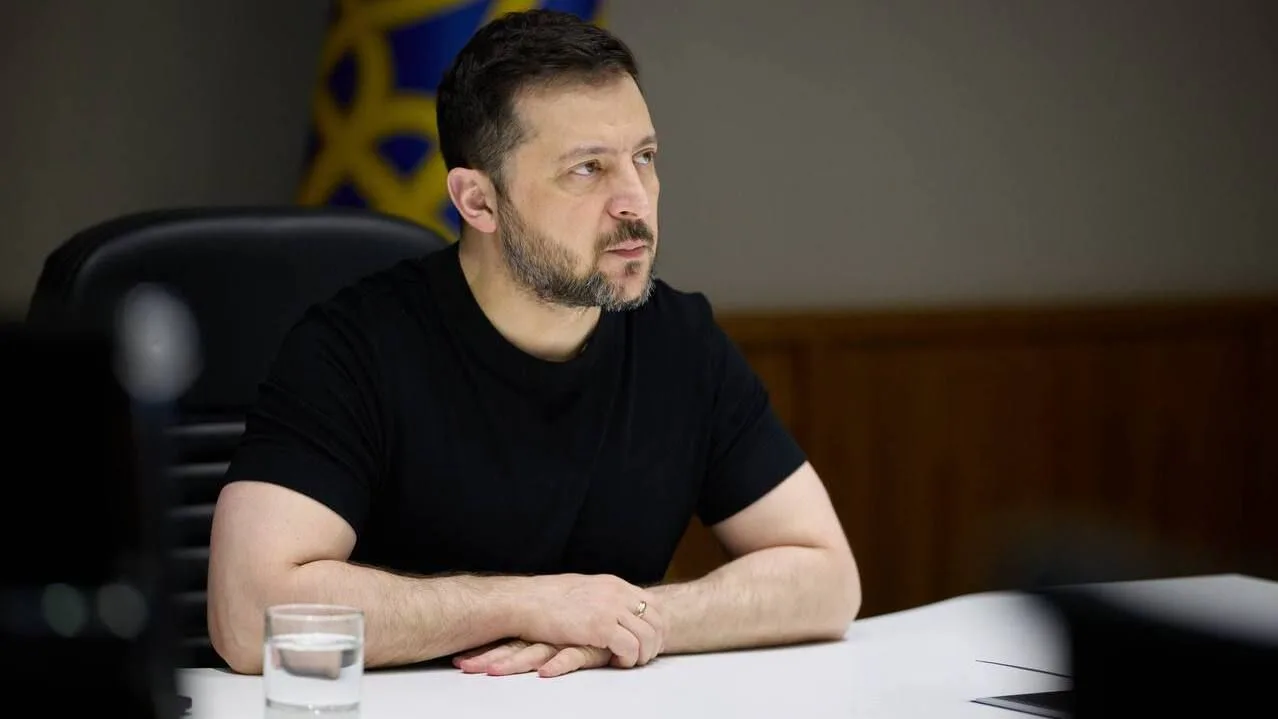
According to President Volodymyr Zelensky, the situation in Kyiv is still serious: more than 1,200 homes in various districts remain without heating. This increases the need for stable lighting and the operation of household appliances at other times of the day.
“The situation in Kyiv remains severe — more than 1,200 homes in various districts of the capital are without heating.”
— Volodymyr Zelensky, President of Ukraine
Practical steps for residents
- Turn on high-power appliances (water heaters, space heaters, washing machines) one at a time to reduce peak loads.
- Organize within building entrances and condominium associations: report faults to DTEK dispatchers and municipal services.
- Keep a basic set of warm clothes and small light sources (flashlights, power banks) on hand in case of short outages.
- Inform neighbors, especially the elderly, about the outage schedule — it’s a simple step to keep people safe.
What this means going forward
Increasing power supply is not a solution to the infrastructure problem, but it is an important temporary step that improves people’s comfort and safety. The key task is to minimize breakdowns today and speed up the restoration of damaged networks tomorrow. Public discipline (turning appliances on one at a time) and prompt coordination with energy workers will help reduce risks and accelerate the return to normal service.
Support your neighbors: pass this information on to those who may not see the messages — it’s a simple and effective help given the crisis-hit infrastructure.