Due to the attack's aftermath, Kyiv to change metro schedule on January 20 — what you need to know
Kyiv responds to the aftermath of Russian strikes: sections of the metro are operating on an adjusted schedule. We briefly explain how this will affect travel and who should plan their route in advance.

By Tetiana Suchkova-Ladik
January 20, 2026 · 1 min read

Changes to metro operations on January 20
The Kyiv City State Administration (KCSA) reported that on January 20, due to the consequences of Russian attacks, there will be changes to metro operations. The information was conveyed by UNN citing the KCSA — this is an official decision concerning train movement and passenger safety.
"The metro stations 'Darnytsia' and 'Livoberezhna' are open for passenger entry and exit. Train movement on the 'blue' and 'green' lines will operate in the usual mode."
— Kyiv City State Administration
What exactly is changing
Red line: headways between the stations Akademmistechko — Arsenalna are approximately 4 min 30 sec; on the section Darnytsia — Arsenalna — about 8–10 min. Trains pass without stopping by the Hydropark and Dnipro stations.
Blue and green lines: service is operating normally; approximate waiting time — 3–4 min. The KCSA emphasizes that information will be broadcast at stations and on the official channels of the city administration and the metro.
Context and consequences
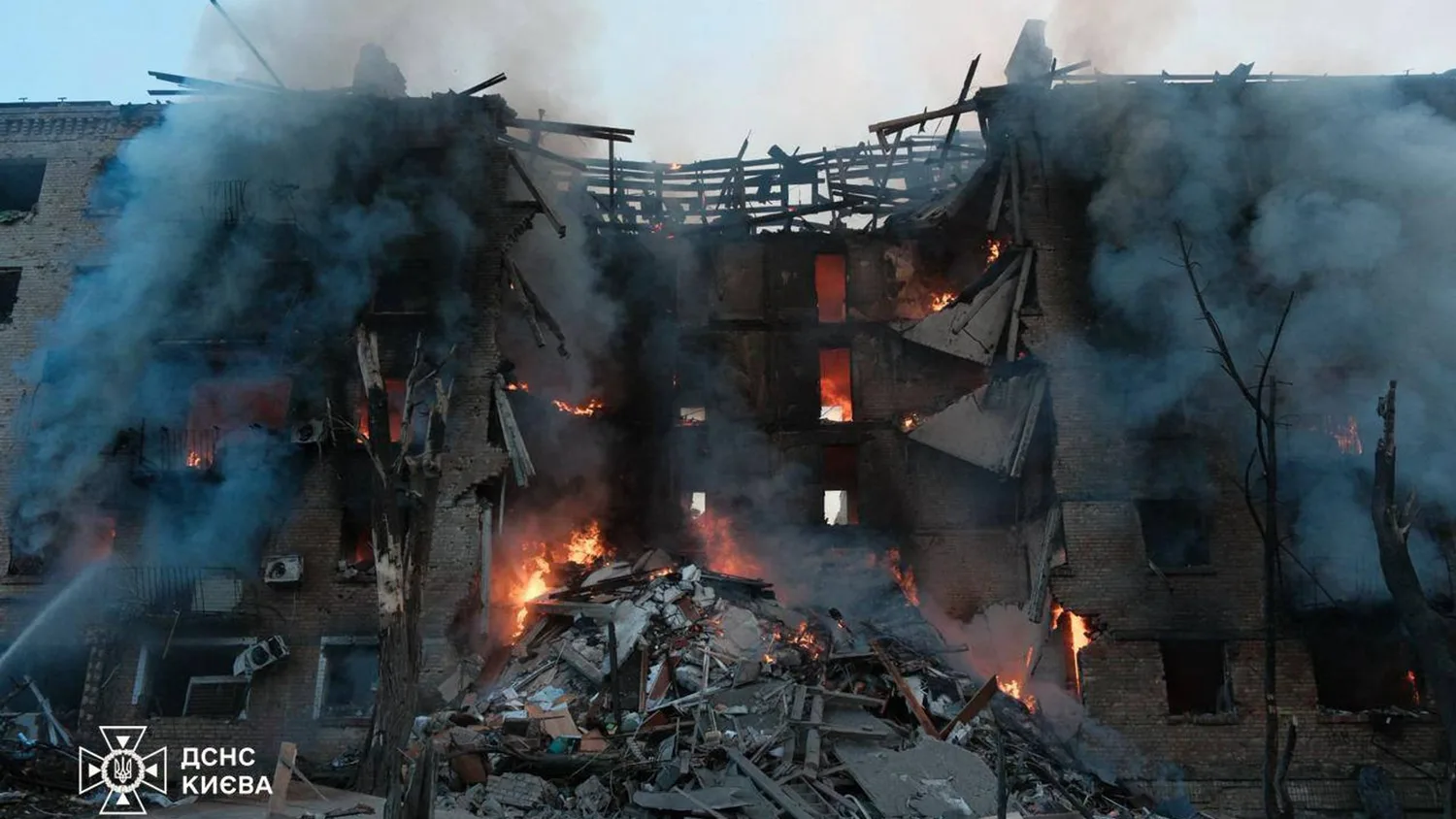
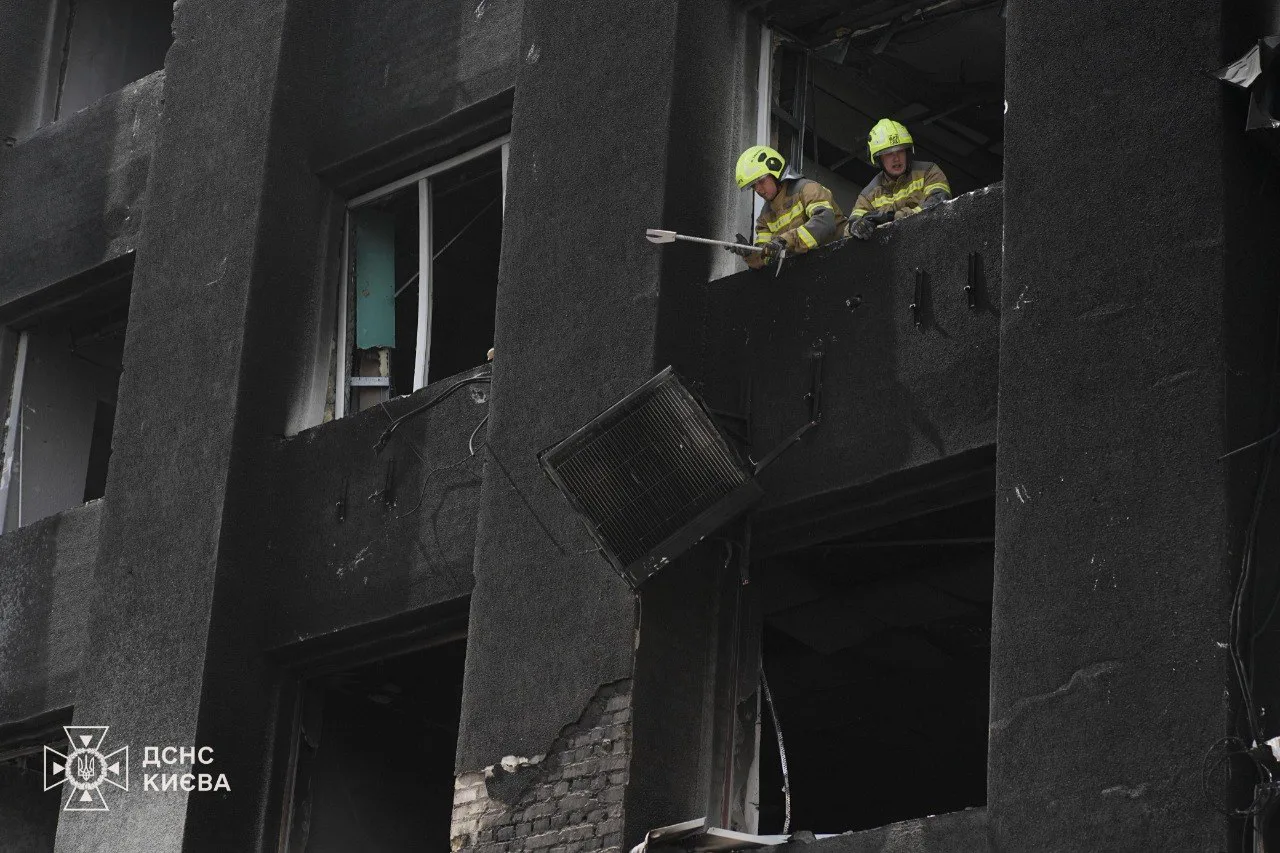
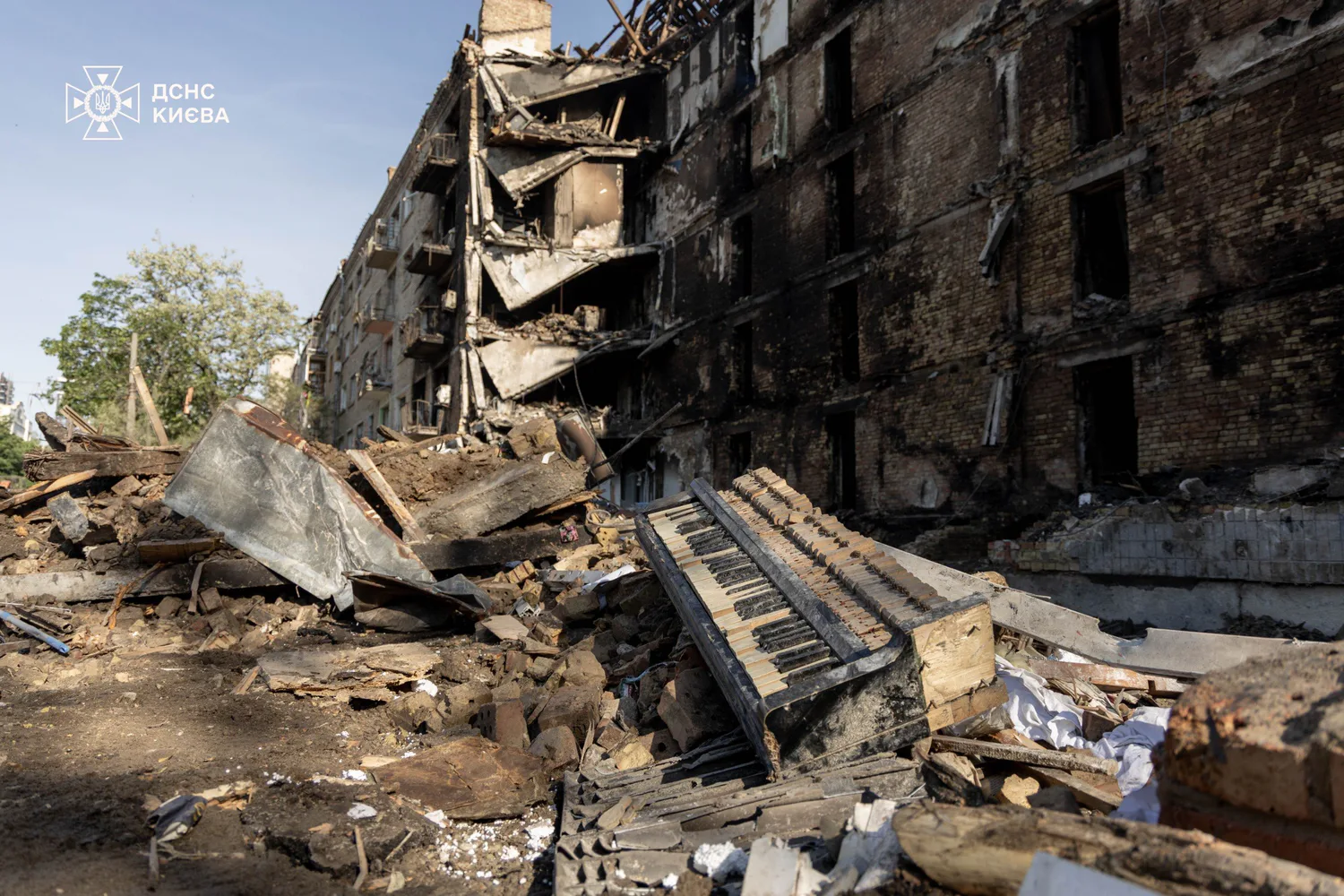
These restrictions are a direct result of strikes that caused damage to infrastructure and power outages. According to city authorities, one person was injured; thousands of homes were left without electricity, water, and heating. For Kyiv residents this means that transport accessibility is reduced at a time when the city's infrastructure is under maximum strain.
How to plan trips
Recommendations for passengers: allow extra time for travel, favor the blue or green line, monitor updates on the official channels of the KCSA and the metro, and avoid crowds at stations where trains pass without stopping. This will help save time and reduce risks during evacuations or urgent movements.
What next
City authorities and utility services are working to restore services — an example of coordinated work during an attack. However, the situation may change, so the key task for everyone is to rely on official information and plan trips taking possible adjustments into account.
Sources: Kyiv City State Administration statements, UNN report.