Due to power supply problems, Kyiv’s red metro line is operating with reduced service — what this means
Following a massive attack that damaged the power infrastructure, trains on the red line are operating between "Akademmistechko" and "Arsenalna" at six‑minute intervals. We examine why this matters for transport, shelters and the city's safety.

By Tetiana Suchkova-Ladik
December 27, 2025 · 2 min read

City position
The Kyiv City State Administration reported that due to a difficult energy situation, movement on the red line of the metro is temporarily limited: trains are operating in the sector “Akademmistechko” — “Arsenalna” at an interval of 6 minutes. At the same time, movement on the blue and green lines remains unchanged. All underground stations continue to operate as shelters during air-raid alerts.
“Due to the difficult energy situation in the capital, metro trains on the red line are operating with changes. Train movement is being carried out between the stations “Akademmistechko” — “Arsenalna”. The interval of movement is 6 minutes in accordance with established schedules.”
— Kyiv City State Administration (statement conveyed to UNN)
Details and consequences
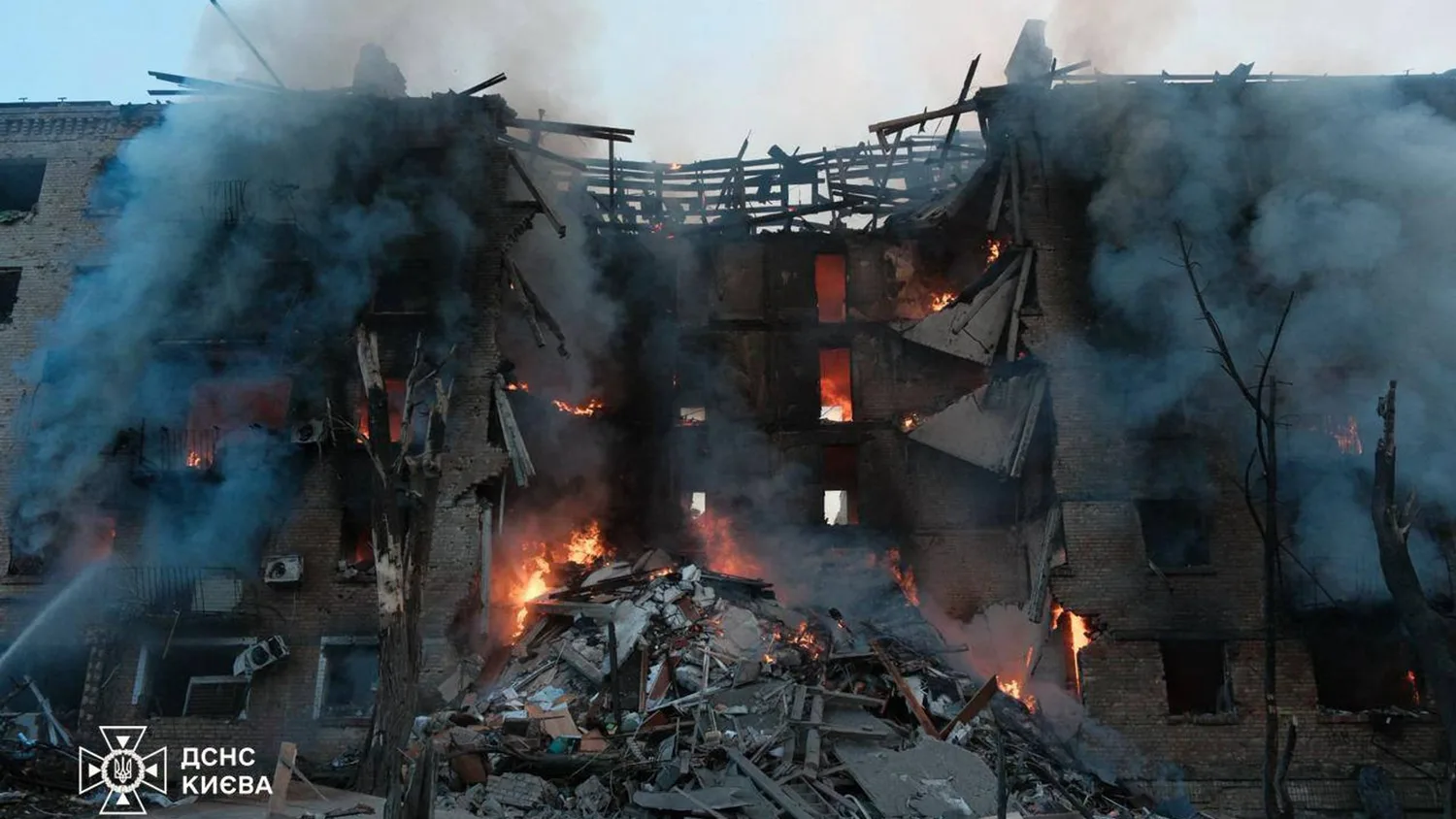
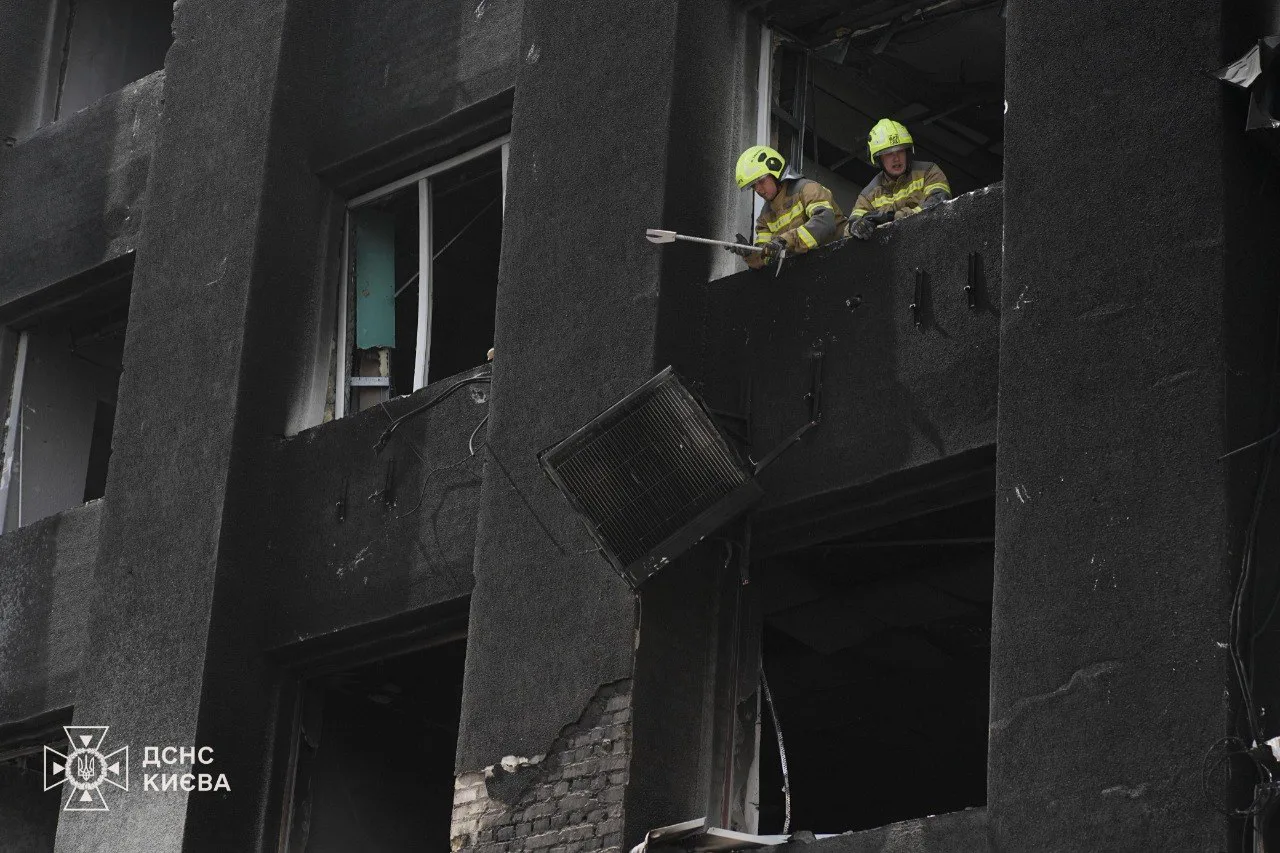
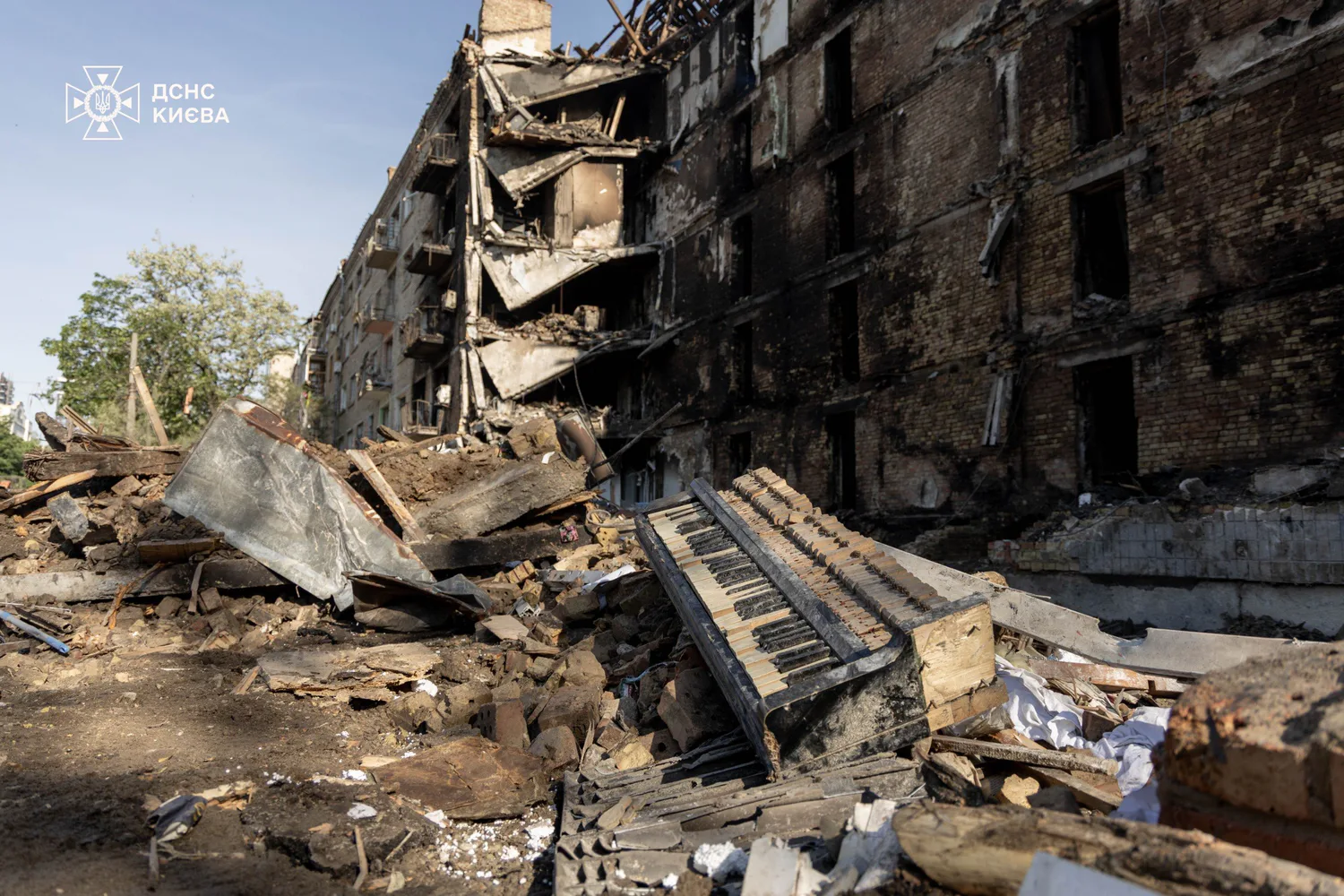
As a result of a massive attack on Kyiv, the number of people injured has risen to 22, including children; strikes and falling debris were recorded in eight districts, causing damage to buildings, vehicles and infrastructure. The power system was strained: to preserve critical services and the ability to use the metro as a shelter, part of the service was reduced.
For passengers this means reduced capacity on the red line and possible queues during peak hours. For services — additional pressure on evacuation logistics, medical assistance and repair crews.
Why this matters and what to expect
Attacks on energy facilities change more than just lighting or heating: they affect the city's mobility and how quickly help can reach those affected. Energy analysts note that under such conditions the priority becomes the stable operation of critical systems and clear communication about disrupted public transport routes.
The city authorities stress their readiness to intensify restoration work schedules and ask Kyiv residents to follow official announcements. Alternatives for travel include surface transport and other metro lines; during an alert underground stations remain available as shelters.
Quick summary for the reader
- Red line: “Akademmistechko” — “Arsenalna”, interval 6 minutes. - Blue and green lines: no changes. - Underground stations operate as shelters. - 22 people injured; infrastructure damaged in 8 districts.
Recommendation: plan trips taking into account the altered operation of the red line and check the official channels of the Kyiv City State Administration and the metro. Next steps — restoration of power supply and repair of infrastructure; how quickly full service returns will depend on these efforts.