Ukrainian Volunteer Day: How the 2014–2022 Movement Transformed Ukraine’s Defense and Society
This is not just a date on the calendar — it’s a signal: how a civic initiative filled security gaps in 2014 and became a reserve in 2022. We examine why remembering volunteers matters today.

By Tetiana Suchkova-Ladik
March 14, 2026 · 2 min read
Why March 14 Is Important
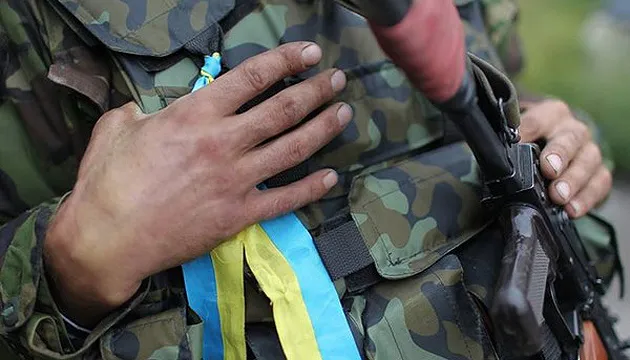
The commemorative date was established by the Verkhovna Rada of Ukraine on January 17, 2017, to recognize the contribution of people who from the first days took up the defense of independence and territorial integrity. It was on March 14, 2014 that the first volunteers of the Maidan Self-Defense left for the training base in Novi Petrivtsi — the beginning of the organized volunteer movement.
From a Volunteer Initiative to a Systemic Resource
In 2014–2015, about almost 40 volunteer battalions were active. A significant portion of these units were later integrated into the Armed Forces of Ukraine, the National Guard and other security structures — an example of how civilian mobilization transformed into an institutional defense resource.
After the full-scale invasion in 2022, the volunteer movement took on a new scale: in the first weeks tens of thousands of people joined units of the Defense Forces and territorial defense, filling the need for rapid capacity building.
What This Means for Security and Society
Volunteers were not only a “force of arms” — they were a catalyst for change: accelerating reforms in the security sector, the emergence of new leaders, and an increase in civic responsibility. Today their experience is important not only as a memorial, but as a practical guide for integrating mobilization potential into regular defense structures.
"The volunteer movement became a key factor that forced the system to adapt and professionalize more quickly — from operational readiness to logistics and local defense governance."
— security and civil society experts
Memory Without Rhetoric — What to Remember
On this day both living and fallen volunteers are honored. It is important not only to bow one's head, but to embed the lessons in state practices: preserving command experience, providing social support for participants, documenting events, and integrating best practices into the training of defense forces.
Question for the future: how will the state and society preserve this mobilization and moral capital so as to turn heroism and self-organization into long-term security resilience?