FIFA Not Considering Russia’s Return to Football Competitions — What It Means for Ukraine
After a series of communications between the UAF (Ukrainian Association of Football) and FIFA leadership, the organization's council currently does not plan to reinstate Russian teams. We explain why this decision matters not only for sport but also for international solidarity with Ukraine.

By Tetiana Suchkova-Ladik
February 9, 2026 · 2 min read
Brief
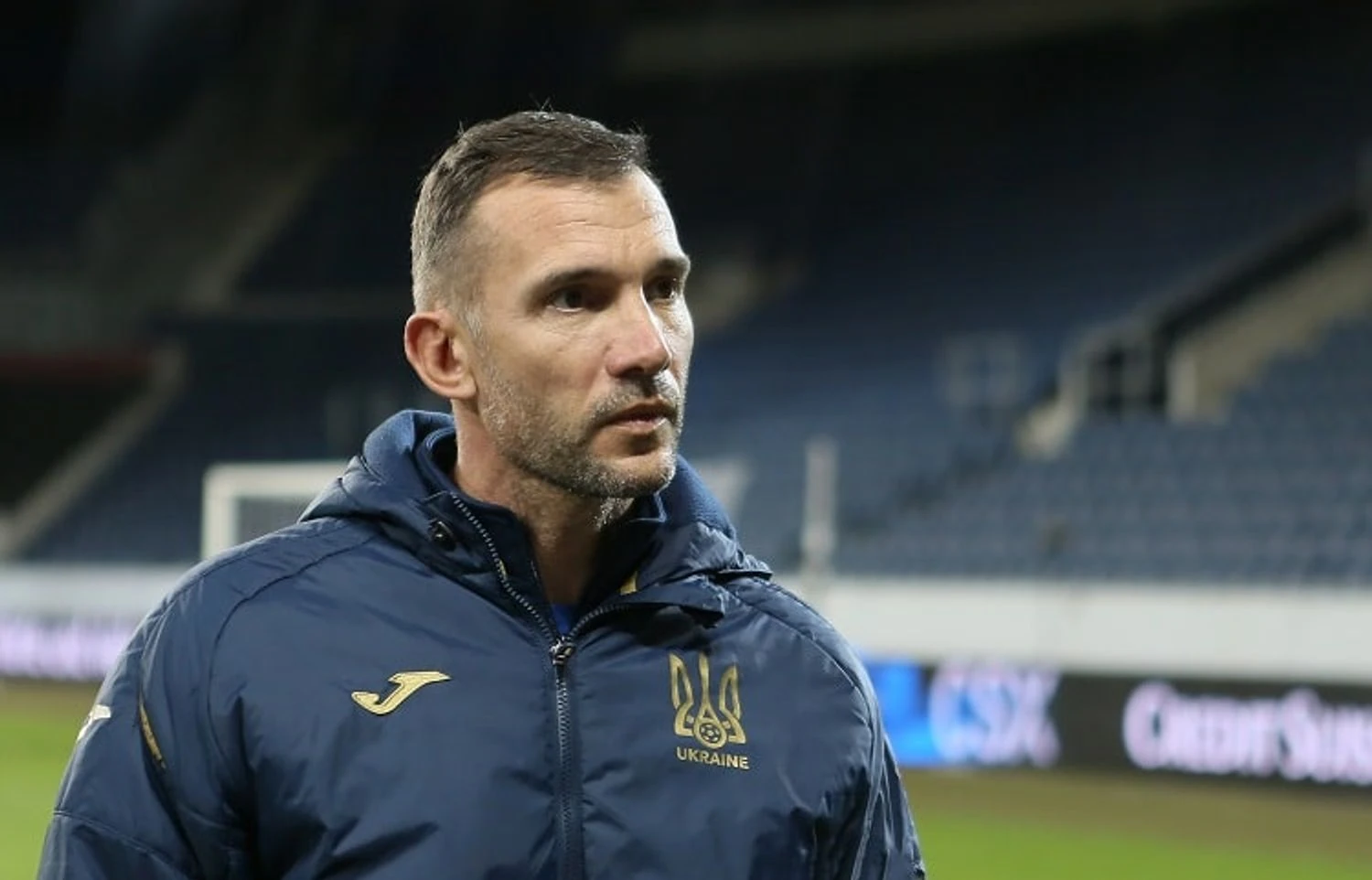
The FIFA Council is not considering the return of Russian teams to competitions under the organization’s aegis. This was said by the president of the Ukrainian Association of Football, Andriy Shevchenko, after a series of communications with FIFA representatives at various levels.
UAF’s position
At the moment the FIFA Council is not considering the return of the Russians. We clearly stated our position: as long as the war continues, we are categorically against the return of Russian teams to football. Colleagues from various associations support us.
— Andriy Shevchenko, president of the Ukrainian Association of Football (UAF)
What lies behind the decision
This is not only a sporting issue. For Ukraine it concerns the moral and political stance of the international community. After an interview with FIFA president Gianni Infantino, in which the possibility of lifting the ban was raised, the UAF initiated direct contacts — and received confirmation that such consideration is not taking place at present.
Voice of the international community
European media spread information about FIFA’s position; a number of national associations supported the Ukrainian statement. The European Commission also condemned the call to reinstate Russian athletes in international football — this adds political-diplomatic pressure against any attempts at a rapid normalization.
Infantino’s words
We must. Certainly. Because this ban achieved nothing, it only created more frustration and hatred. It would help if girls and boys from Russia had the opportunity to play football in other parts of Europe.
— Gianni Infantino, president of FIFA
Implications for Ukraine
For us FIFA’s decision means the matter is being approached cautiously and with regard to the political context. Foreign Minister Andriy Sybiha reminded of almost 700 Ukrainian children who will no longer be able to play football because of the war — this makes the question of the Russians’ return sensitive not only in sporting terms but also humanitarianly.
What’s next
Shevchenko plans a meeting with Gianni Infantino to once again present detailed information about the war in Ukraine and the UAF’s position. The key task is to turn verbal assurances into durable procedures that will prevent a quick “normalization” of Russia’s participation without a political decision.
Conclusion
The FIFA Council’s decision currently halts the rapid reintegration of Russian football. But the risks of pressure on sporting institutions remain. Whether international solidarity will be enough to preserve this depends on the next steps of FIFA, national associations, and partner diplomacy.