Mocked the memorial at Maidan — turned out to be a serviceman who had left his unit without authorization
A video insulting fallen defenders prompted a detention: the State Bureau of Investigation (SBI) and law enforcement established that the suspect is a private who left his military unit. We examine the legal consequences and why this matters for society and the armed forces.

By Tetiana Suchkova-Ladik
March 3, 2026 · 2 min read
What happened
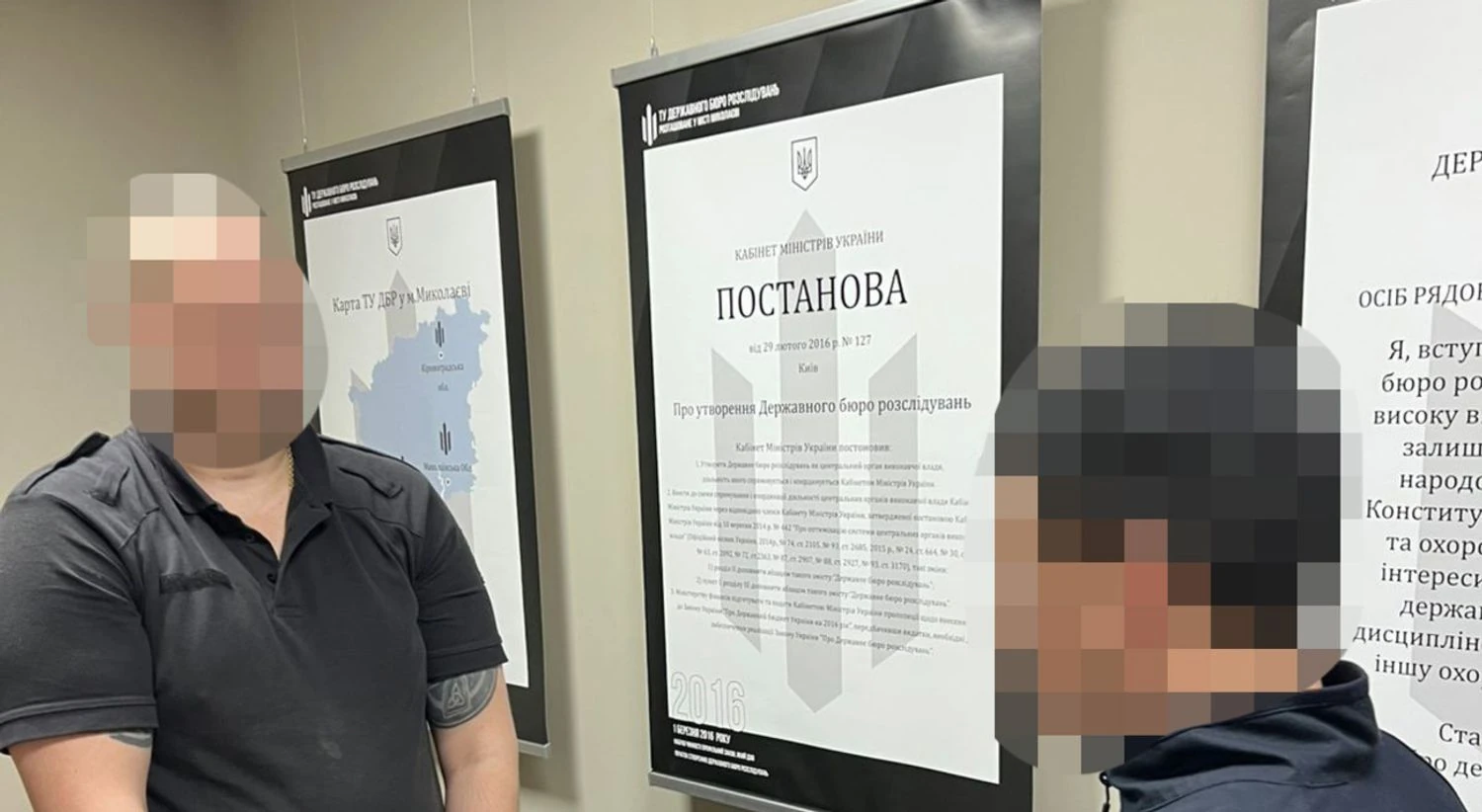
At the end of February 2026 a video appeared on social media in which a man speaks disparagingly about national symbols and the memory of those killed on the Maidan. UNN, citing the State Bureau of Investigation (DBR), reported that the suspect was Ihor Voloha. After public outcry he was detained in Kyiv.
This is the city centre — what have you stuck all these little flags here for? Take them down, people are relaxing here
— Ihor Voloha, person shown in the video
The footage also contains insults directed at the memory of the defenders of Mariupol and "Azovstal." The video was circulated on Instagram and Facebook; its authorship and repeated provocations sparked public indignation.
Who is this man
According to media reports and open sources, Voloha previously trained in boxing at a Kyiv children-and-youth sports school. Law enforcement established that at the time of the video's publication he held the status of a serviceman who had left his military unit without permission in the Mykolaiv region.
After the video spread, the man changed his appearance to avoid recognition — he shaved off his mustache. That did not prevent his identification and arrest.
What charges are being brought and what are the consequences
The DBR has notified him of suspicion under part 5 of Article 407 of the Criminal Code of Ukraine (unauthorised abandonment of a military unit or place of service). The sanction provides for punishment of up to 10 years' imprisonment.
In addition, the case is likely to involve other articles of the Criminal Code, including:
- Art. 296 — hooliganism;
- Art. 435-1 — insult to the honor and dignity of a serviceman;
- Art. 338 — desecration of state symbols;
- Art. 436-2 — justification or denial of the Russian Federation’s armed aggression.
Lawyers who monitor practice emphasize that the combination of disciplinary and criminal liability makes the prospects for conviction serious and sends a signal to society that public provocations against national memory will not go unanswered.
Why this matters
This case combines two issues: respect for the memory of the fallen and military discipline. In wartime, symbols and memorials are not only an emotional value but also a factor in the moral state of society and the armed forces. When a serviceman commits such desecration, it undermines trust and exploits the nation's painful wounds.
Security experts and lawyers note that a swift response from law enforcement is important not only as punishment of an individual, but as a preventive mechanism — so that similar provocations do not become normalised.
Summary and outlook
The case is being investigated by the DBR, and further suspicions under a number of articles of the Criminal Code of Ukraine are likely. Two questions are important for society: whether the case will be proven in court — and whether it will serve as a signal for systemic work on discipline in the armed forces and countering informational provocations. The answer will show how effectively institutions turn public demand into real legal results.