Ukraine's GUR and Ministry of Sports publish list of Russian athletes for the 2026 Olympics
The Main Intelligence Directorate and the Ministry of Youth and Sports released information on more than 20 Russian athletes linked to CSKA and the Russian National Guard who visited occupied territories, support the war, and are seeking to participate in the 2026 Olympics.
By Oleg Bazylewicz
December 11, 2025 · 2 min read
The Main Directorate of Intelligence of the Ministry of Defense, together with the Ministry of Youth and Sports, published a list of Russian athletes who support the war and are seeking to participate in the 2026 Olympic Games.
The information was compiled in materials dedicated to athletes involved in propaganda and support of armed structures.
Who is on the list
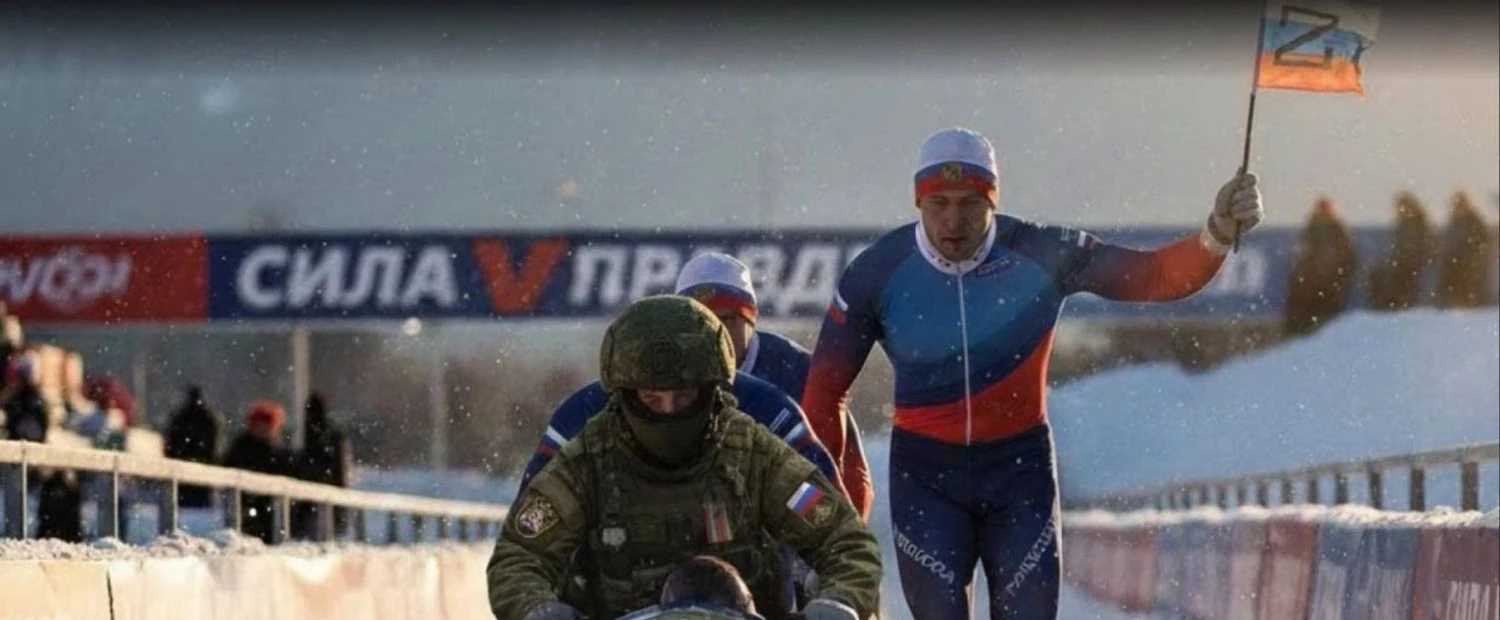
According to the agencies, the list includes more than twenty athletes who represent the Central Sports Club of the Russian Army (CSKA) and the Russian National Guard (Rosgvardiya) and who have visited temporarily occupied territories of Ukraine.
- Prokhorova Varvara Oleksandrivna — an active participant in international competitions, a member of the Russian national roller-ski team and the CSKA ski mountaineering team; holds the military rank of warrant officer in the Armed Forces of the Russian Federation;
- Kotmakov Petro Petrovych — a short-track speed skater, a private in the CSKA sports company; in October 2025 the International Skating Union allowed him to take part in the selection for the 2026 Olympics;
- members of Russia’s bobsleigh and skeleton teams — servicemen of sports companies, representatives of CSKA and the Russian National Guard who visited occupied Crimea and are seeking to participate in international competitions.
CSKA's role in supporting the war
The GUR indicates that CSKA systematically provides assistance to soldiers and veterans of the so‑called special military operation: it purchases and delivers specialized equipment, FPV drones, generators and other gear to the front, and also conducts military-patriotic education of children and youth from temporarily occupied territories and organizes sports-patriotic events.
According to the intelligence service, the club's activities contribute to the spread of Russian narratives and influence, in particular during the World Military Games project.
Thus, such athletes at international competitions effectively represent the armed forces of the aggressor state, and, in the view of the agency, they should be excluded from the international sporting community and barred from competing, even under a neutral status.
Russia uses international sport as "soft power" abroad to spread its narratives, justify the war and war crimes, and legitimize the occupation
– Main Directorate of Intelligence
The intelligence service emphasizes the threat posed by the use of sport to promote state policy and justify aggression.