Interpol grants Ukraine direct access to database of stolen cultural property — what it means for returning exhibits
Ukrainian law enforcement can now independently enter data on artifacts removed during the occupation. This speeds up identification, hampers illicit trafficking and provides citizens with a tool to help.

By Tetiana Suchkova-Ladik
February 19, 2026 · 2 min read
What happened
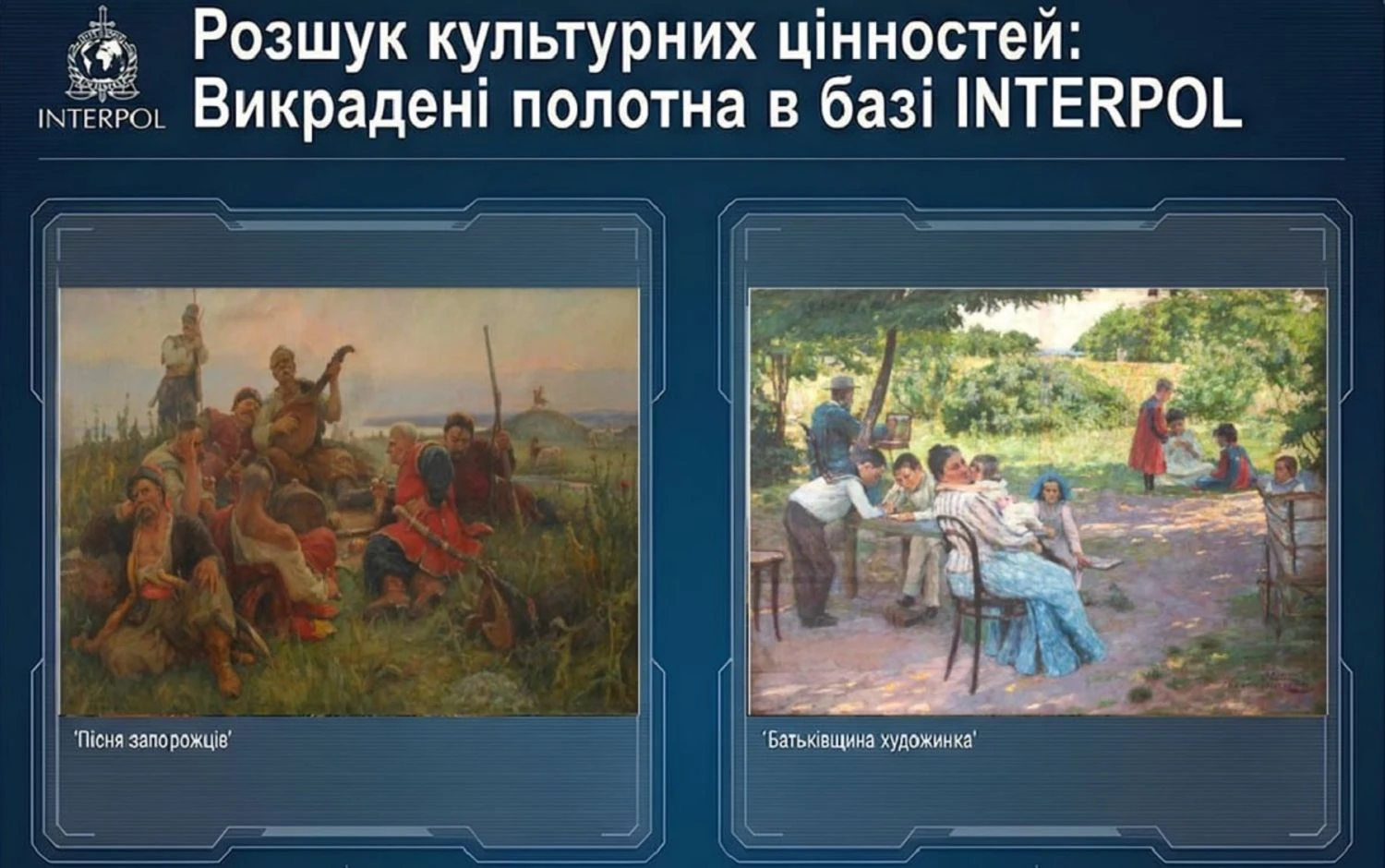
The General Secretariat of Interpol, after lengthy consultations and legal analysis, has given the National Central Bureau in Ukraine the ability to directly upload information on cultural valuables stolen during the temporary occupation to the international database. According to the National Police and UNN, by mid‑February 2026 hundreds of items had already been entered into the database, a significant portion — from the Kherson Regional Museum of Local Lore.
Why this matters
Direct access means more than a paper declaration: it is a tool for rapid documentation that strengthens Ukraine’s legal position in restitution requests and in investigations of cultural property trafficking. The database records, among other things, the theft of Ivan Shulha’s canvas “Song of the Zaporozhians,” which disappeared from the Kherson museum during the period 20 October — 10 November 2022.
How to check and help
“Anyone can check whether a particular work of art is on the international wanted list using the official INTERPOL ID‑Art mobile app”
— National Police of Ukraine
The INTERPOL ID‑Art app provides a simple mechanism: citizens, museum staff and international collectors can match items against the database and notify law enforcement in case of matches. This makes the return process less dependent on lengthy diplomatic procedures and creates an additional channel for detecting smuggling flows.
Context and outlook
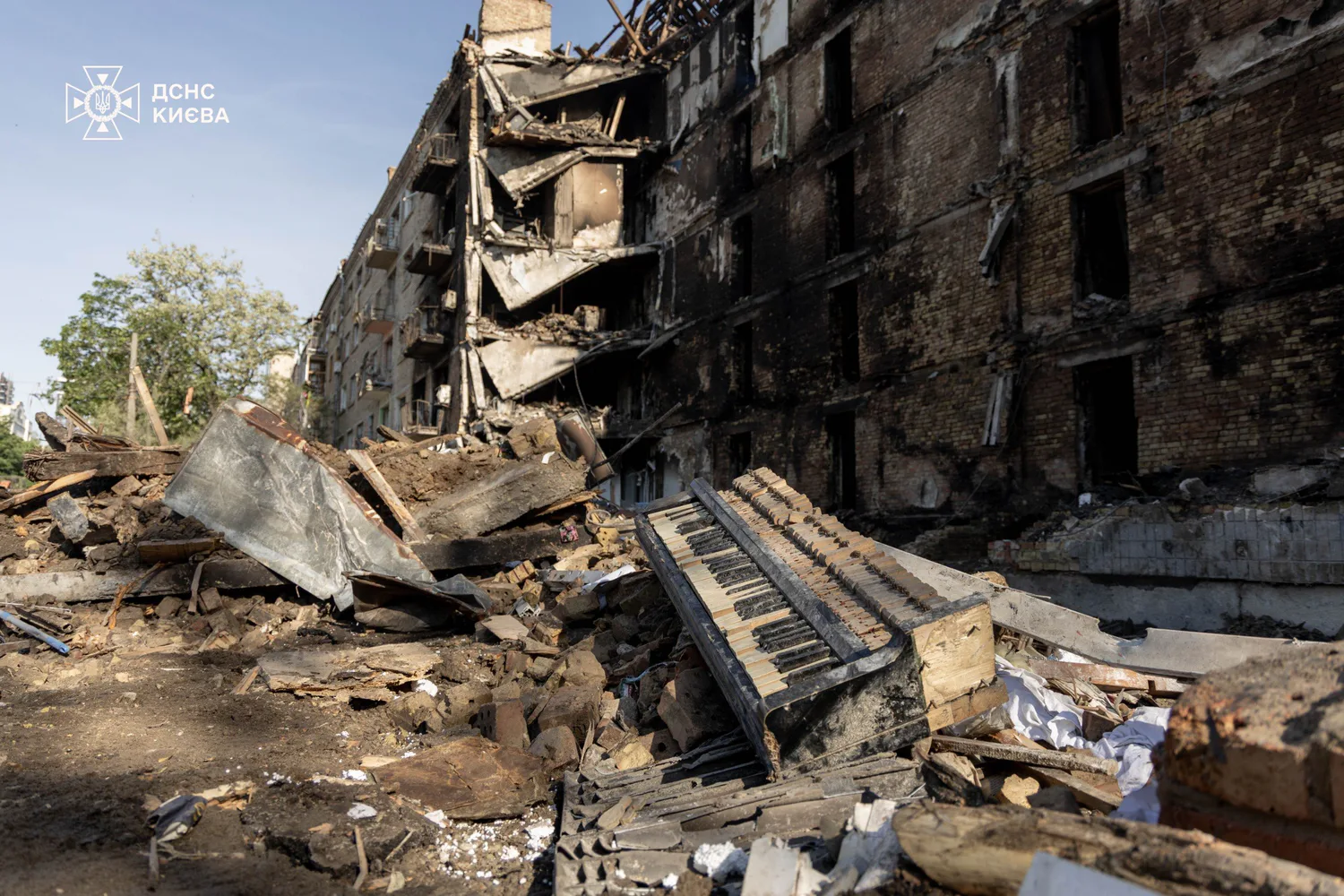
This step strengthens international coordination on repatriation and the restoration of Ukrainian heritage. Against the backdrop of the recent damage to objects at the Kyiv Pechersk Lavra, which is under UNESCO protection, and Ministry of Culture data reporting 307 damaged or destroyed monuments in the past year, digital documentation should become part of a comprehensive strategy: from identification to return and restoration.
Analytical conclusion: the database itself will not return exhibits, but it significantly increases the chances of their detection and legal restitution. The next stage is to turn these records into real investigative actions, lawsuits and international cooperation. Whether the international community can quickly transform registries into returns depends on our responsiveness, the quality of collected evidence and partners’ willingness to use existing mechanisms.