Iran may not travel to the 2026 World Cup in the U.S. — escalation and visa restrictions cast doubt on the national team's participation
President of the Football Federation of Iran Mehdi Taj said the team may not play in the United States after tensions escalated and entry restrictions were imposed. We examine what this means for the tournament, fans and FIFA’s reputation.

By Tetiana Suchkova-Ladik
March 2, 2026 · 2 min read
Briefly
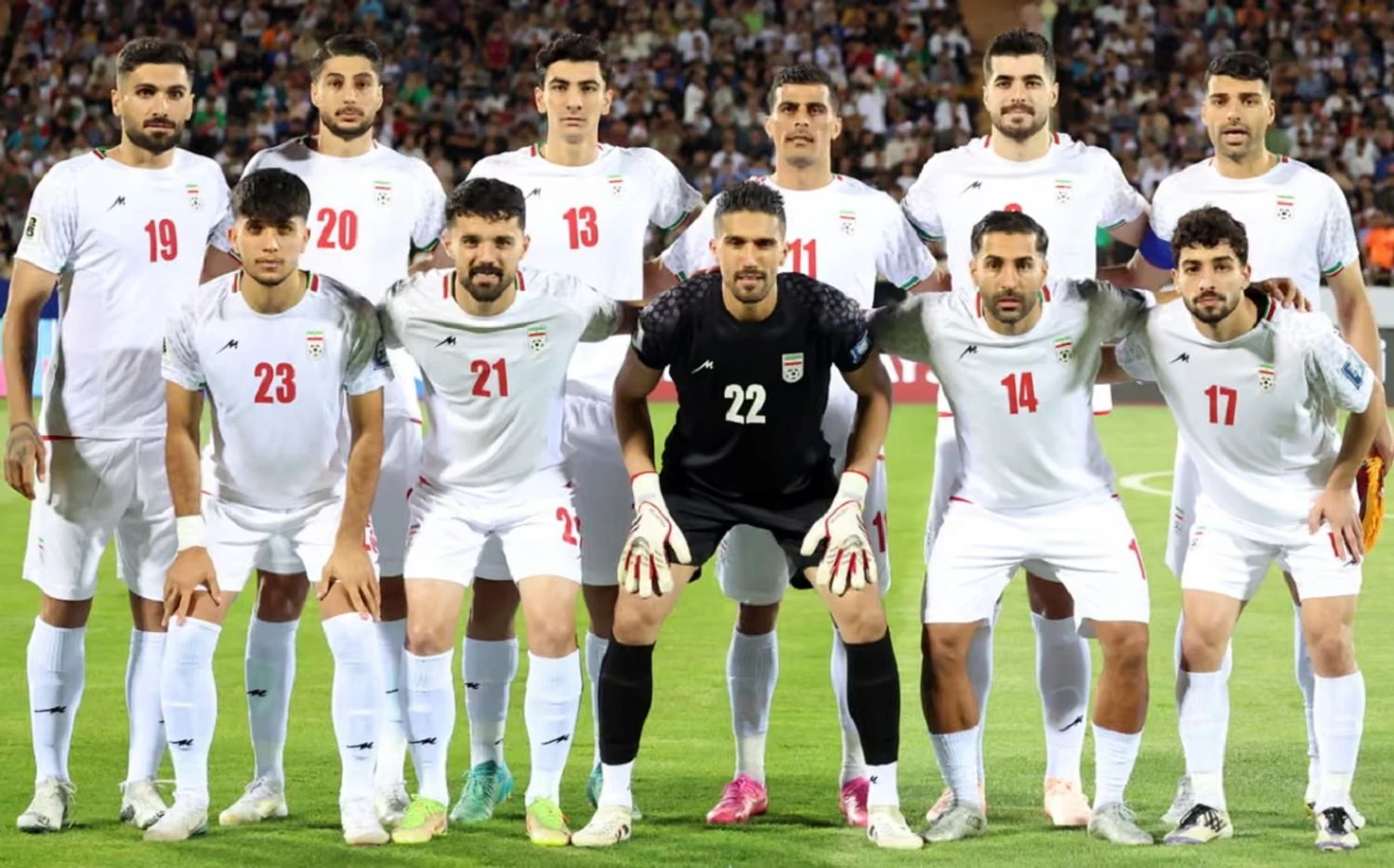
According to AP and UNN, the president of the Football Federation of Iran Mehdi Taj said he is not sure the national team will be able to participate in the World Cup in the USA after the death of Supreme Leader Ali Khamenei and the escalation measures that followed. It is also noted that fans from Iran face restrictions on entry to the U.S., referencing earlier versions of visa policy.
What was said
"Undoubtedly, after this attack we cannot expect to look to the World Cup with hope"
— Mehdi Taj, president of the Football Federation of Iran
AP and UNN note: the official’s position is linked not only to an emotional reaction to the events but also to practical obstacles — risks to players’ safety, logistical problems, and visa restrictions for supporters.
Visa restrictions and geopolitics: why it matters
The question of the team's participation is not just a sporting dilemma. A refusal or inability to attend would affect the schedule of Group G (Iran — New Zealand, Belgium, Egypt), broadcast rights, and the perception of the tournament as a safe venue for international sport. For organizers, it is a test of their ability to separate sporting competitions from diplomatic conflicts.
What authorities and organizers say
Mexico’s president Claudia Sheinbaum has already stated there are no risks for fans in the Mexican part of the tournament, and FIFA has confirmed the plan to hold the tournament across three countries. However, guarantees of safety and access for specific teams and their fans depend on further diplomatic steps and practical decisions.
Possible scenarios
Analysts and the football community point to three realistic options: diplomatic resolution and special entry exemptions, relocating matches or holding them without the presence of Iranian supporters, or the team’s complete withdrawal from the tournament. Each option carries political and financial consequences for organizers and participants.
What’s next
Now the ball is in FIFA’s, governments’ and football institutions’ courts: can they separate the field from politics and ensure athletes’ right to compete? This is a question of security, privileges and international reputation — and the answer will affect not only one team but the perception of the tournament as a whole.
Sources: AP, UNN, official statements from FIFA and government representatives.