Klitschko gives timeline: heat will return to 3,260 Kyiv homes — full restoration will take about two days
Tonight heat will begin to be supplied to buildings that were left without heating twice after the shelling. We explain why this will take approximately 48 hours and what every Kyiv resident needs to know.

By Tetiana Suchkova-Ladik
January 21, 2026 · 2 min read
Briefly: what happened
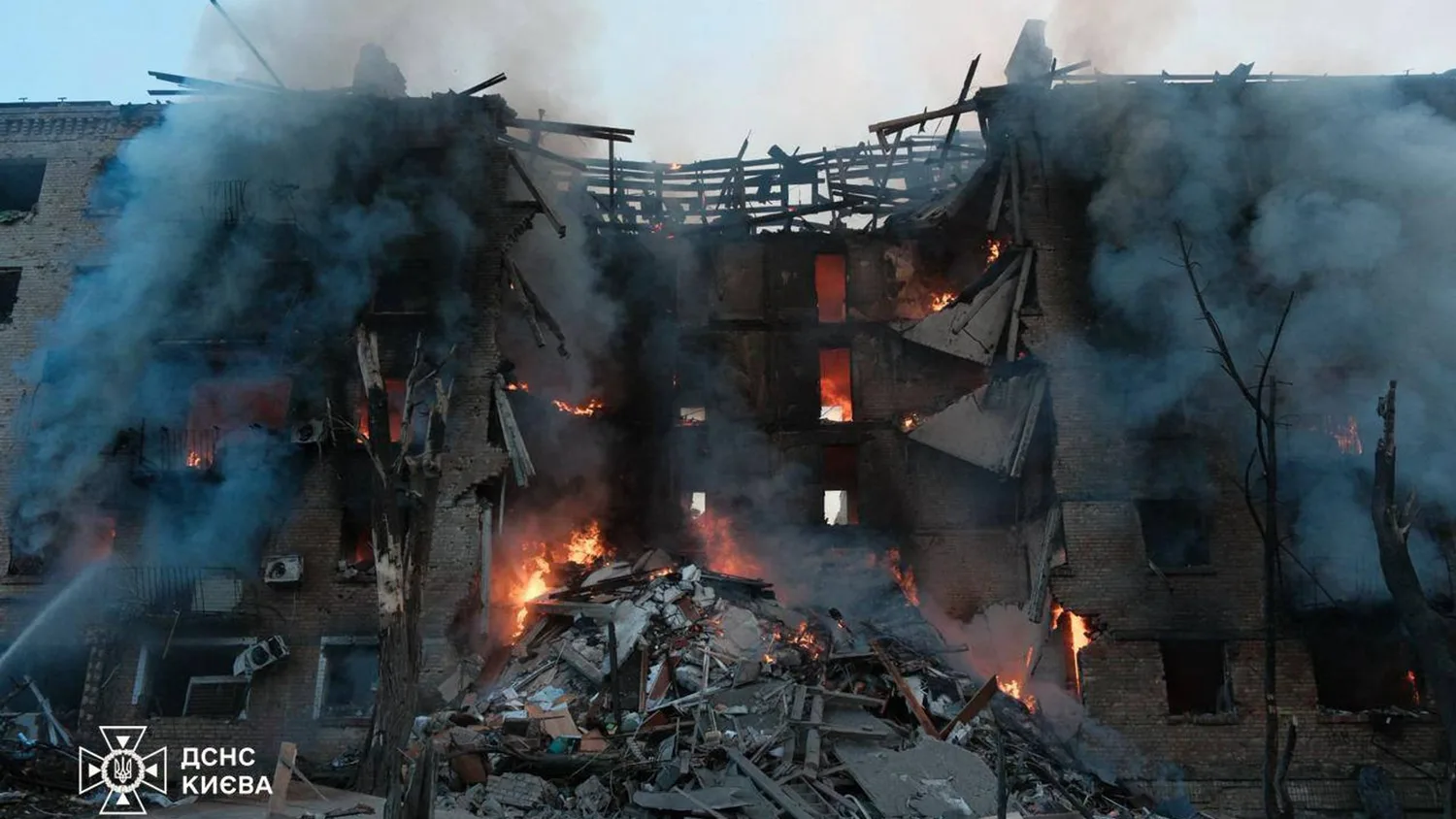
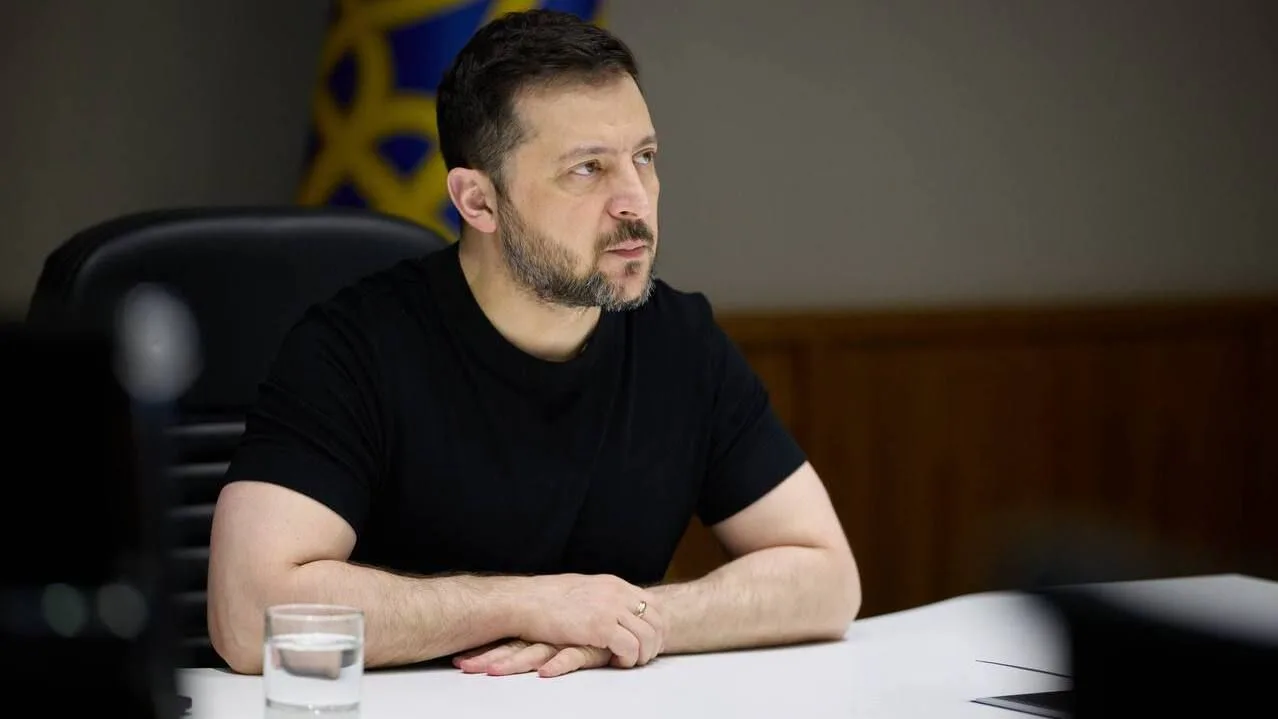
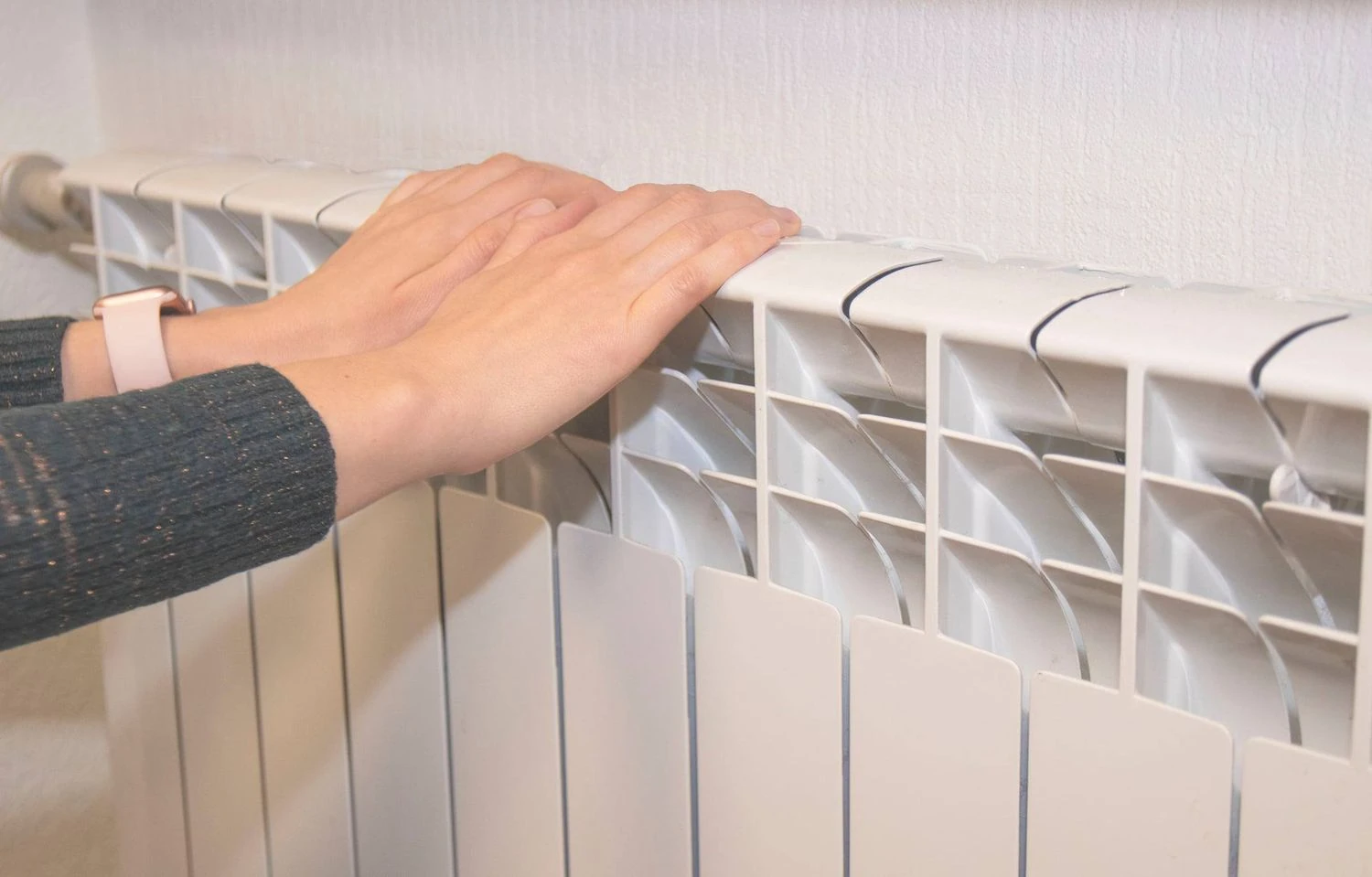
Mayor Vitali Klitschko in his Telegram (the information was also shared by UNN) reported that tonight the supply of heat will begin to 3,260 homes in Kyiv that twice — on January 9 and 20 — were left without heating due to shelling and infrastructure damage.
"Tonight they will begin supplying heat to the homes that, as a result of shelling and infrastructure damage, were left without heating twice — on January 9 and 20."
— Vitali Klitschko, Kyiv mayor
Why this will take about two days
Restoring heat is a staged technical operation. It is necessary to safely fill mains and risers with the heating medium, warm up the networks, check pressure and tightness, and fix any possible leaks. According to municipal services' estimates, this complex of work will take about 48 hours. The mayor also said that water supply has been restored to all consumers in the capital.
Energy situation and organization of the work
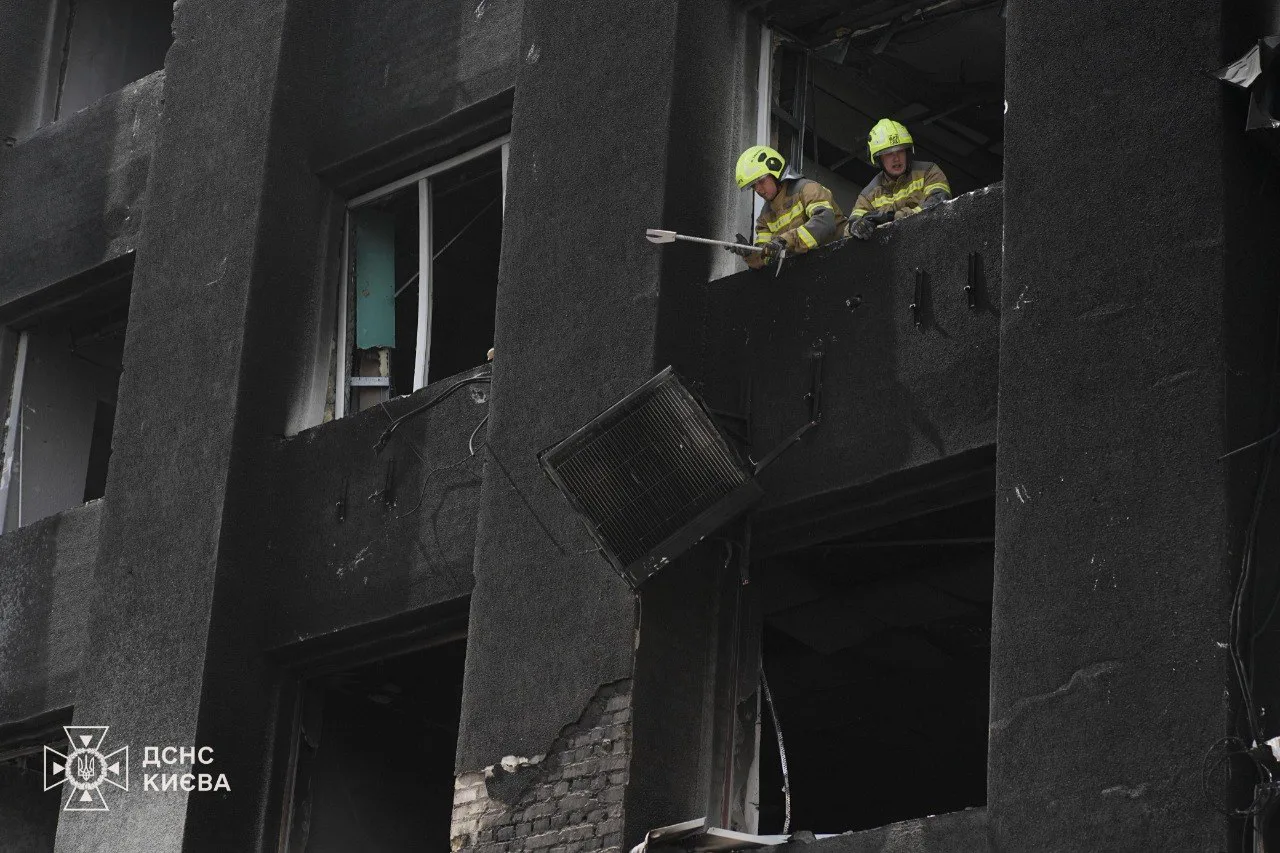
The Kyiv Regional Military Administration (KOVA) emphasizes: the energy situation remains difficult, scheduled outages are in effect, so restoration is taking place under limited resources. Municipal crews and energy workers are working around the clock — this is systematic, largely invisible work that should lead to a stable restoration of heating.
What Kyiv residents need to know:
— The approximate time to restore heat in the homes that were left without heating twice: about 48 hours after the start of heat supply.
— Temperatures inside apartments will rise gradually — this is the normal startup mode for the system.
— Do not use dangerous makeshift heaters and immediately report leaks or other emergencies to dispatch services.
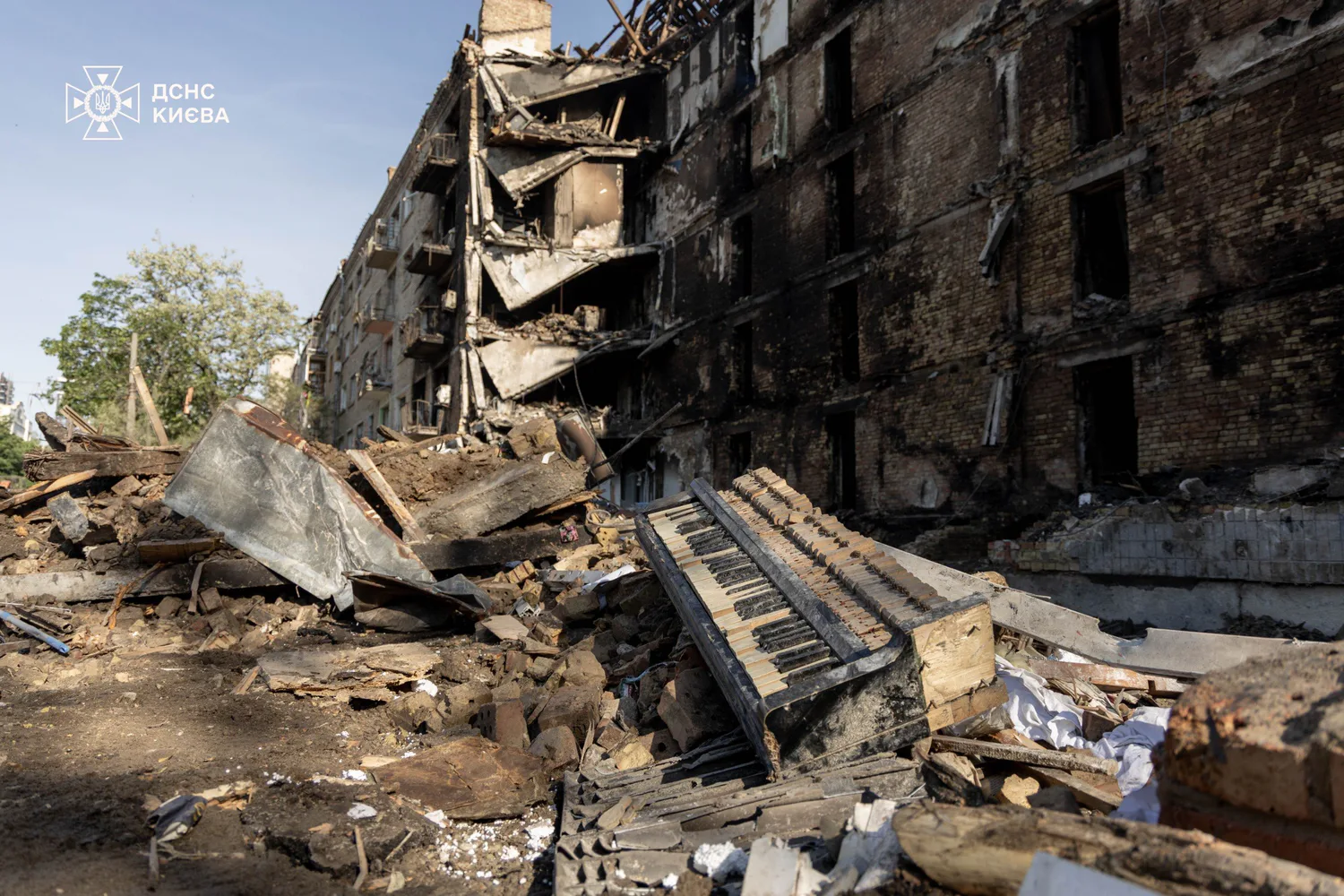
Keeping critical infrastructure under the pressure of attacks demonstrates that restoring comfort is part of the broader work of the state and the city. The President's Office also experienced heating problems; staff were asked not to use electric heaters — this highlights the scale of the damage.
Restoring heat is a technical stage in returning household conditions to normal. Next come important control measurements and quality repairs of the damage. Now it is up to the crews and energy workers; Kyiv residents should remain vigilant and follow specialists' recommendations.