Klitschko: Attacks on infrastructure have brought Kyiv to the brink of catastrophe — what it means for this winter
Putting emotions aside: Kyiv's mayor warns of systematic strikes on CHP (combined heat-and-power) plants during the harshest winter since 2022 — we explain why millions of Kyiv residents will feel it and what the consequences for the state will be.

By Tetiana Suchkova-Ladik
February 15, 2026 · 2 min read
Putting emotions aside — the essence of the statement
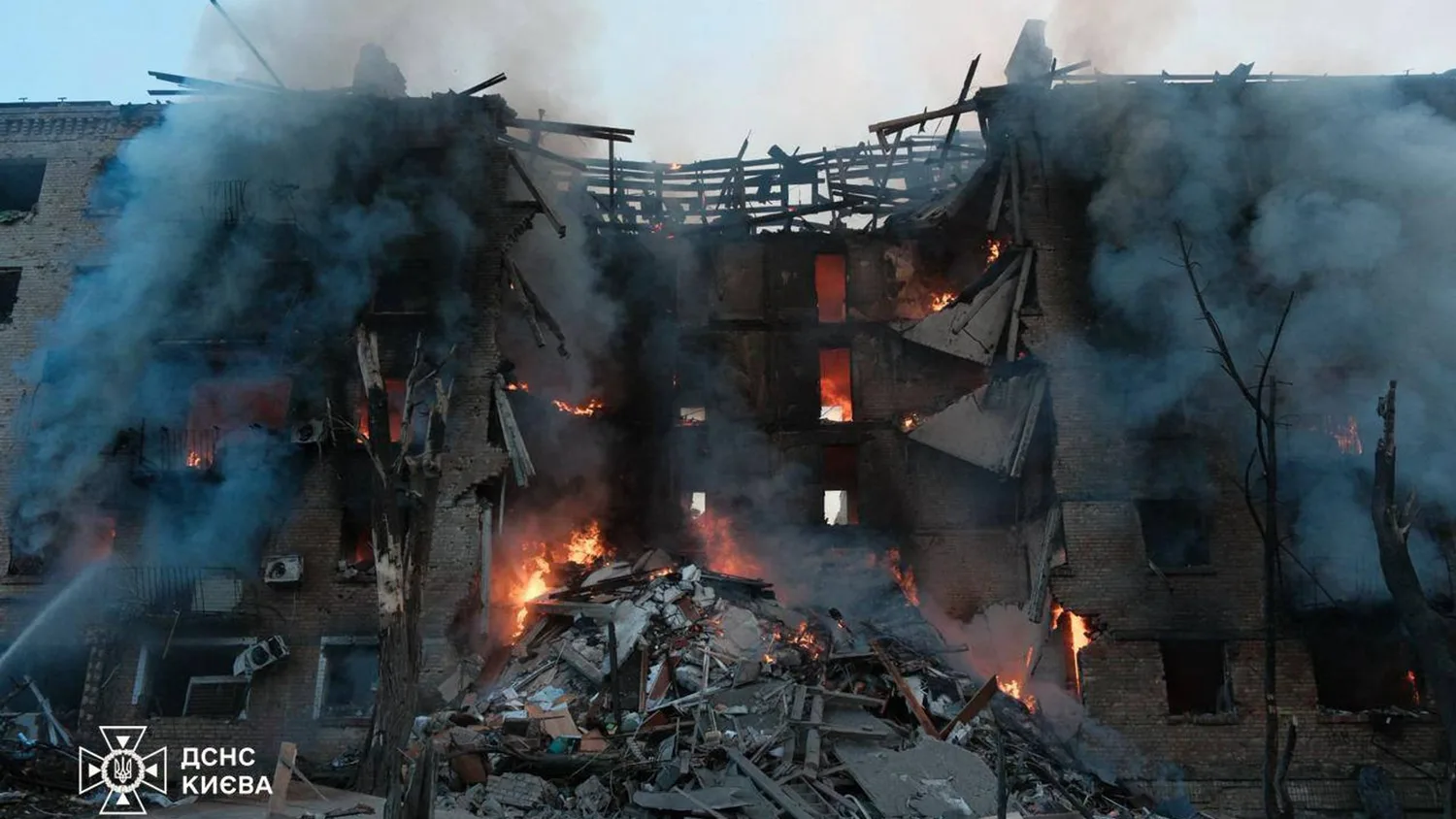
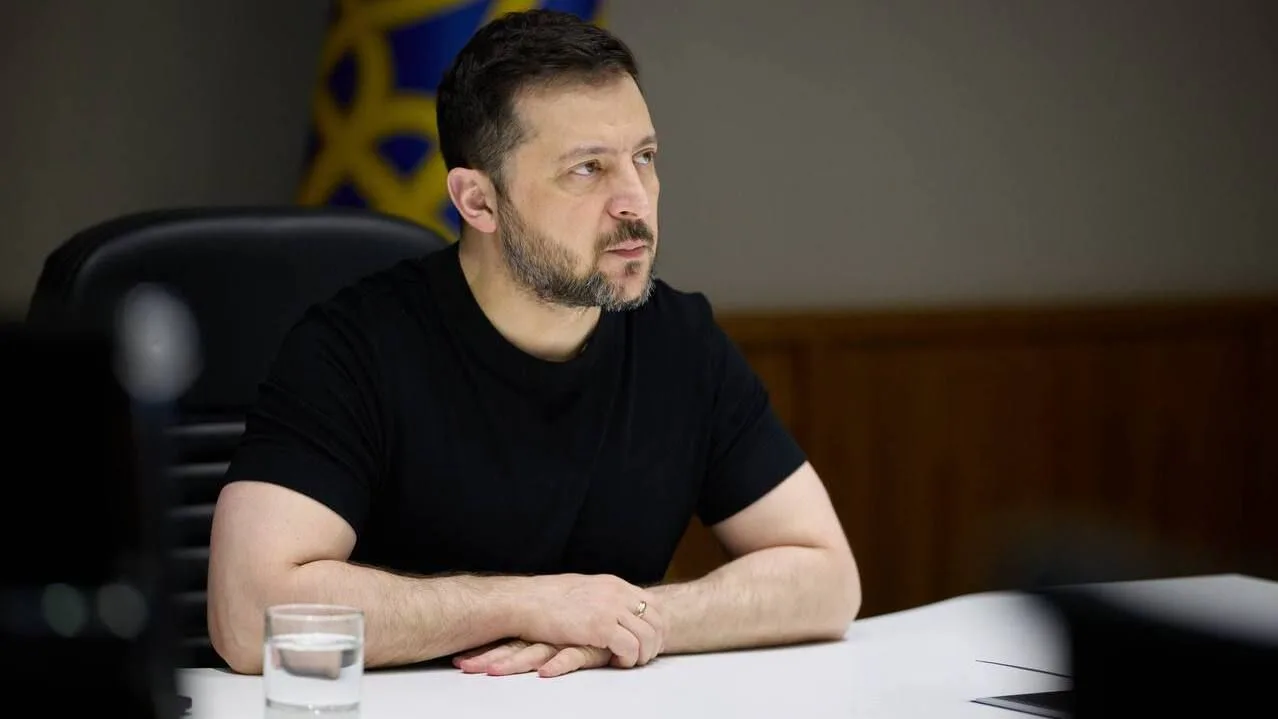
Mayor of Kyiv Vitaliy Klychko said that continuous Russian air strikes on critical infrastructure over the past two months have brought the city to the brink of catastrophe, UNN reports citing Financial Times and RFI. At stake is the livability of the capital this winter for more than 3.5 million residents.
"At the moment the question of our country's future — whether we will survive as an independent state or not — remains open"
— Vitaliy Klychko, mayor of Kyiv (interview Financial Times)
Why it matters
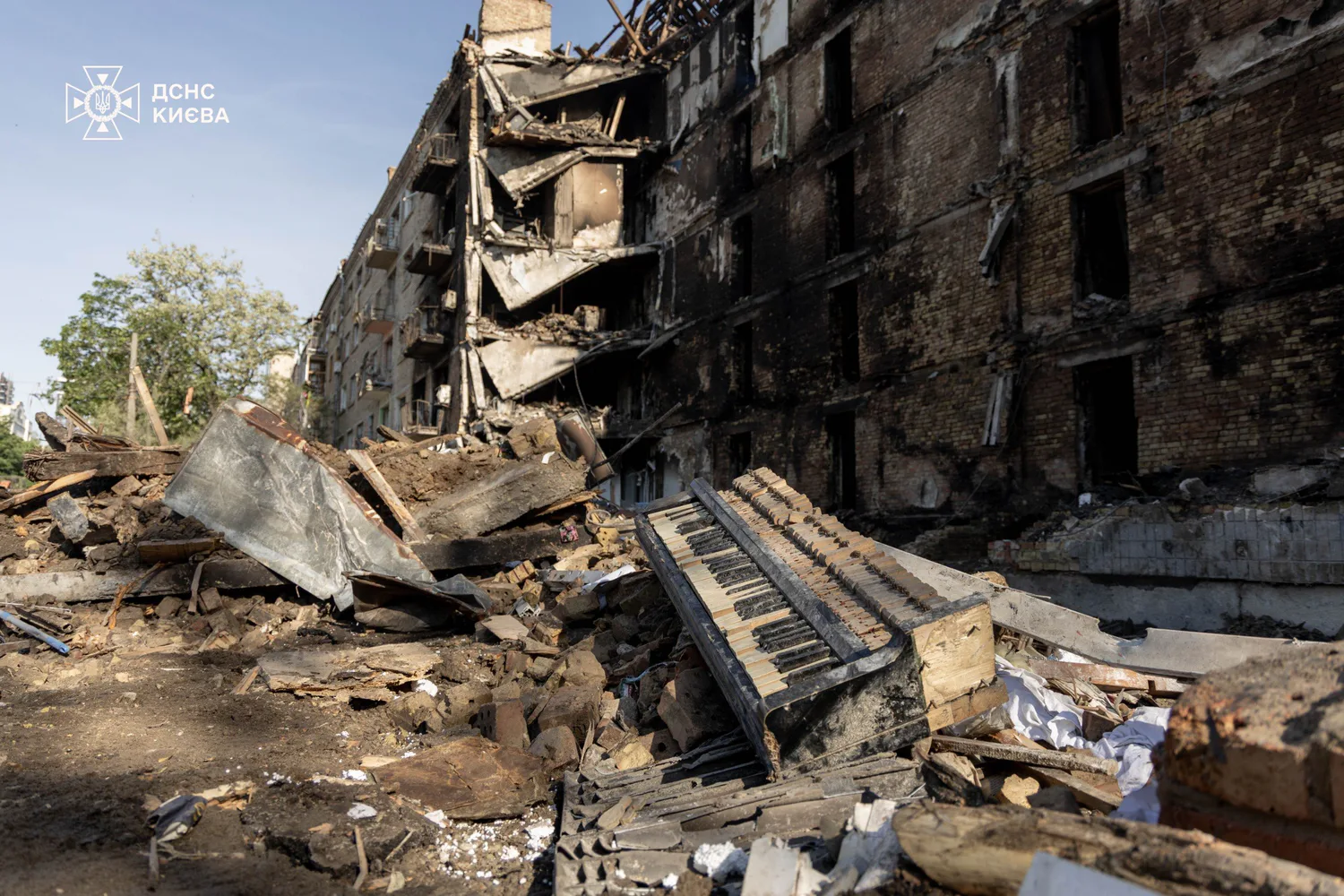
Attacking infrastructure during the cold period is not an accident. FT journalists and commentators point to the systematic nature of such strikes: the destruction of CHP plants and power lines reduces the city's ability to provide heat and water, and increases risks to health and economic activity. For Kyiv residents this means concrete consequences — from heating outages to disruptions in medical and transport services.
City response and behind-the-scenes work
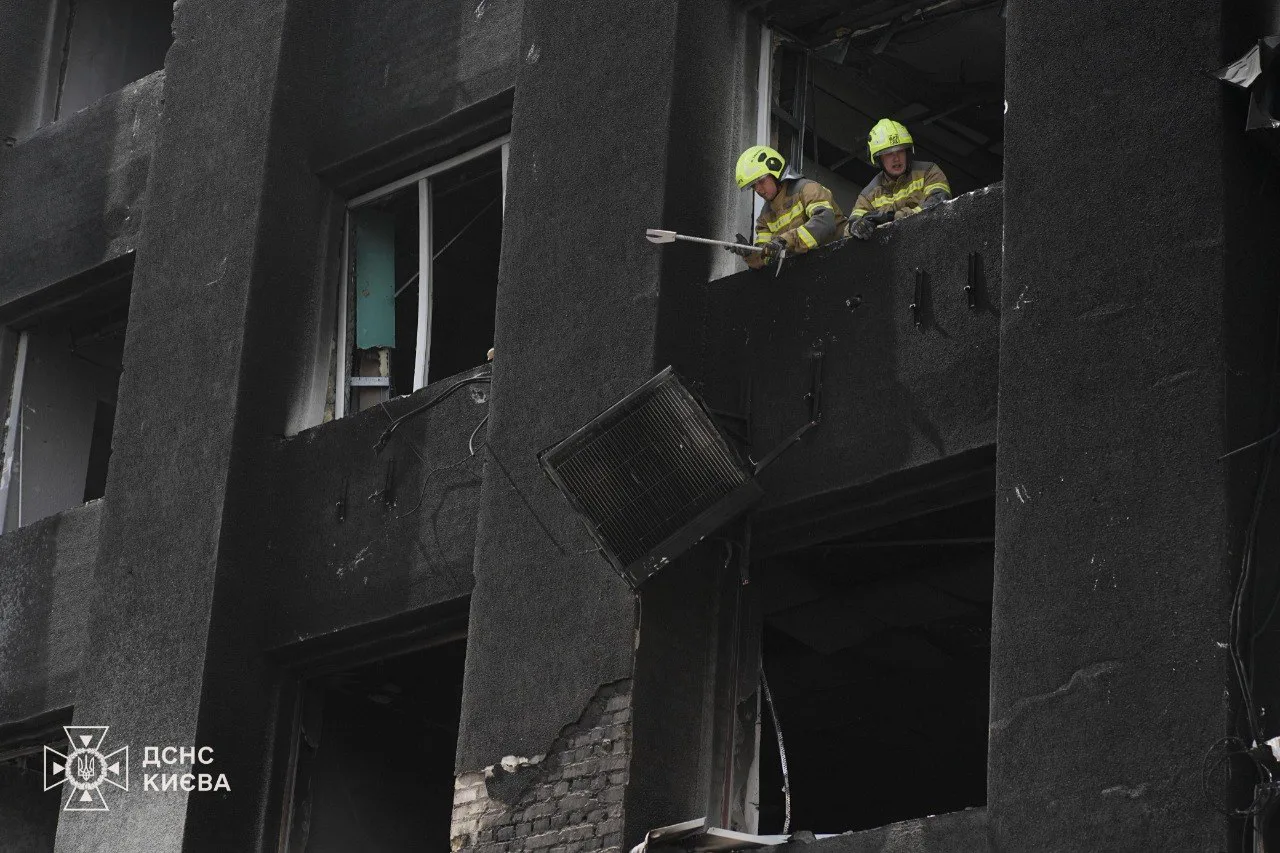
The city authorities reported restoring heating in 1,100 apartment buildings in a single day — an example of rapid logistics and repair crews that keep the city's basic life support running. This is a telling case: while media attention often focuses on the shelling, it is these systemic repairs that determine how people will get through the winter.
"If you want to kill someone, you shoot them in the heart. (...) Vladimir Putin's main goal is not Donetsk, not Luhansk, not Crimea. His main goal is Kyiv and all of Ukraine. He wants to destroy our independence"
— Vitaliy Klychko, mayor of Kyiv (interview Financial Times)
What’s next and what decisions to expect
The short-term risk is new outages and delays in restoring heating; the long-term challenge is the need to strengthen energy infrastructure and build up winter supplies. Experts stress that international aid and rapid repairs ease the crisis but do not replace systemic measures to protect critical infrastructure.
This is not only a humanitarian problem — it is a test of the state's ability to respond to systemic attacks. Whether there will be enough resources, logistics, and international support to get through this winter without large-scale humanitarian losses is the key question for Kyiv residents and Ukraine's partners.