Tuesday, May 26, 2026
Today's Edition

EveryNews

Stories that matter, signal over noise

War

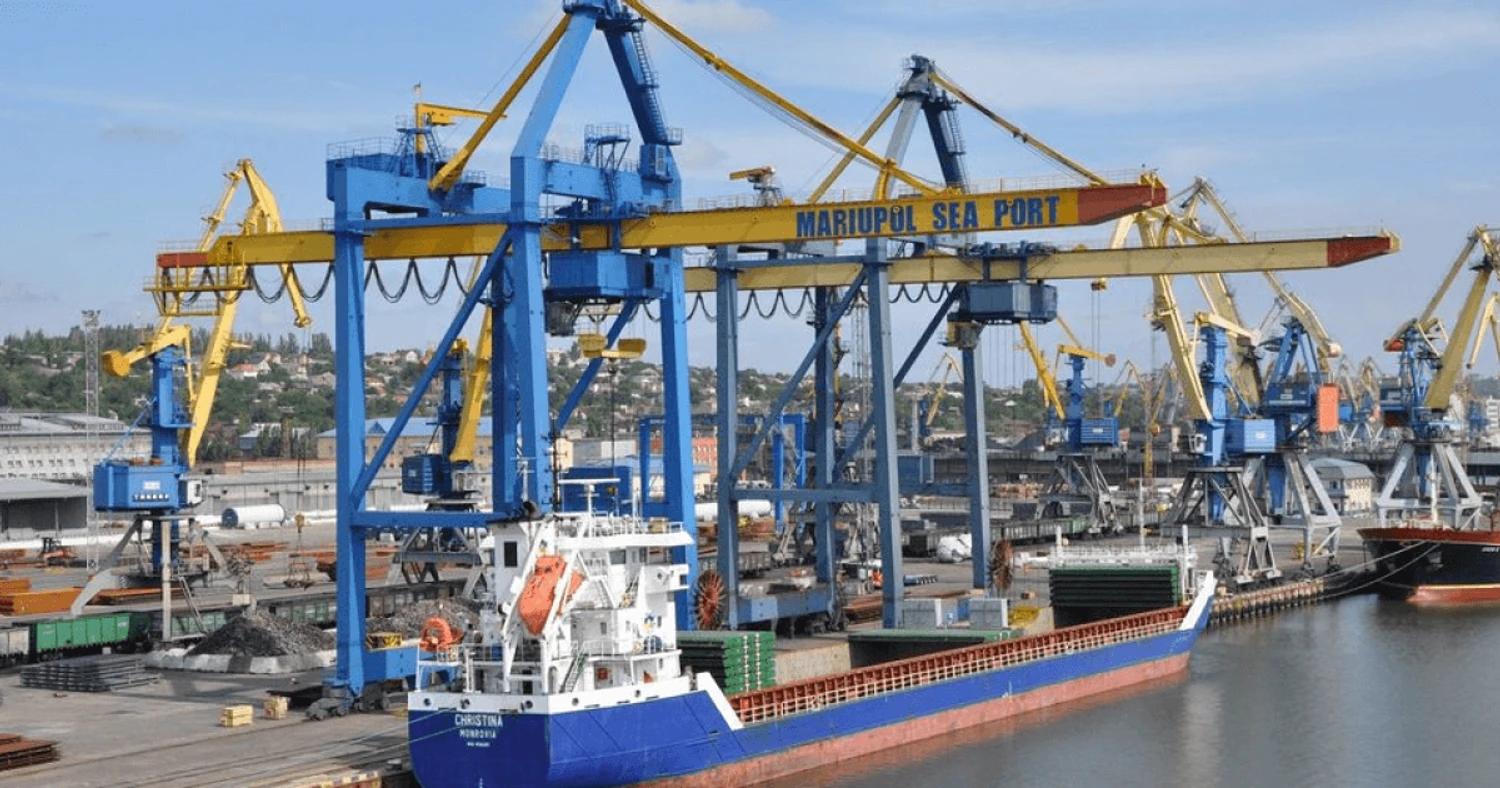
Control of Mariupol port passes to Rostov

Occupying forces plan to place Mariupol’s port under the control of the Russian Federation, integrating it into Rostov’s logistics systems.

Oleg Bazylewicz

By Oleg Bazylewicz

November 28, 2025 · 1 min read
Control of Mariupol port passes to Rostov

The head of the "DPR," Denis Pushilin, reported that from 2026 the "DPR" will become part of the association "Sodruzhestvo Donbass" together with the Rostov and Voronezh regions. The main focus is on the Mariupol port, which is planned to be aligned with Rostov's logistical hubs.

Analysts note that behind these words lies the de facto transfer of the port under external control of the Russian Federation. This is not just cooperation, but a real confiscation of strategic infrastructure that will enable profits to be routed to Rostov.

Closed meetings held in August confirmed intentions for the full integration of the port into Russian logistical systems. Only technical functions will remain on site, while control over finances and decision-making will pass to the Kremlin.

The port is already being used to export metal, grain and Donbass resources. There is no restoration, no investment — only systematic extraction of the region.

– Center for National Resistance

Currently the port is actively functioning to export metal, grain and other resources from Donbass, without any investment or reconstruction.

Occupying forces are conducting raids in Mariupol under the pretext of searching for migrants, which is causing concern among the population.


Related

Latest

Business

EU Against Google: Why the Latest Fine Could Change More Than Previous Ones

# European Regulators Target Google Again — This Time Over Digital Markets Act Violations. What's Behind the Accusations and Why It Matters Beyond the Corporation European regulators have renewed their scrutiny of Google, this time focusing on alleged violations of the Digital Markets Act. The charges underscore Brussels' increasingly aggressive stance on big tech monopolies and what officials say are anticompetitive practices. The accusations center on how Google leverages its dominance across multiple digital services — from search to advertising to mobile platforms — to disadvantage competitors. Regulators claim the company is using its market power in ways that stifle innovation and limit consumer choice. The case carries significance far beyond Google itself. It signals how the EU is attempting to enforce its landmark Digital Markets Act, legislation designed to curb the gatekeeping power of tech giants. A potential penalty could set precedent for how other large technology companies face similar scrutiny. For consumers and smaller tech firms, the outcome could reshape the digital landscape by creating more room for competition. For Google, fines and operational restrictions could fundamentally alter its business model in Europe, the world's most stringent regulatory market. The case also reflects a broader geopolitical divide, with the EU pursuing a regulatory approach that contrasts sharply with the lighter-touch oversight favored in the United States.

May 26, 2026