Critical electricity shortage in Kyiv: how support hubs and conservation are keeping the city afloat
The Ministry of Energy reports widespread damage after last night’s attack — Kyiv residents have power for only 1.5–2 hours a day. We explain what the authorities are doing, how energy crews are working, and what everyone can do today.

By Tetiana Suchkova-Ladik
February 7, 2026 · 2 min read

What happened
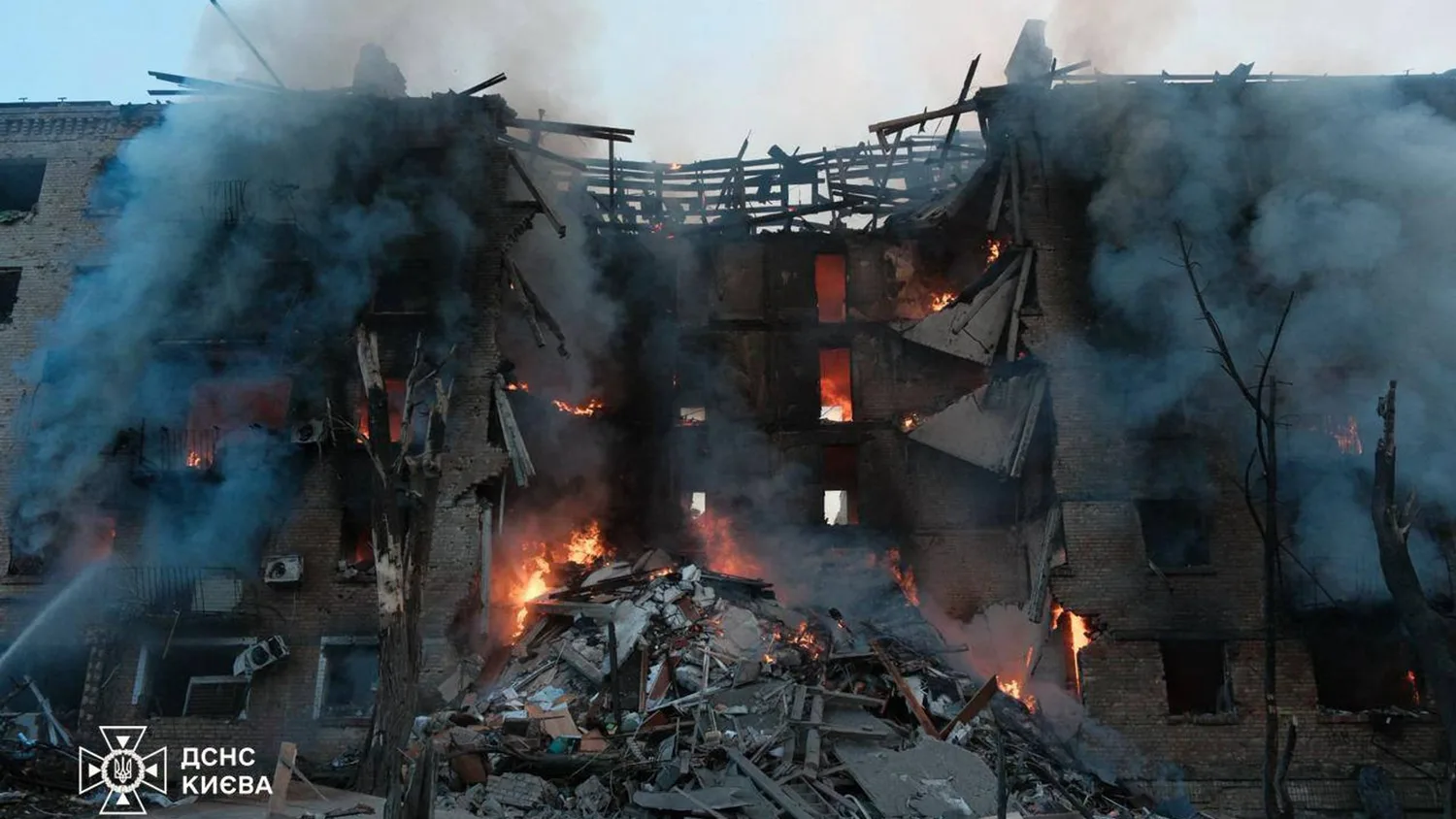
According to the Ministry of Energy and a report by UNN, the nighttime attack caused a significant shortage of generating and transmission capacity in the capital region. In Kyiv, power supply is currently being restored in a very limited mode — residents receive electricity for about 1.5–2 hours a day. The reason: simultaneous damage to high-voltage lines and facilities that allow power to be dispatched from nuclear and thermal power plants.
Why this matters now
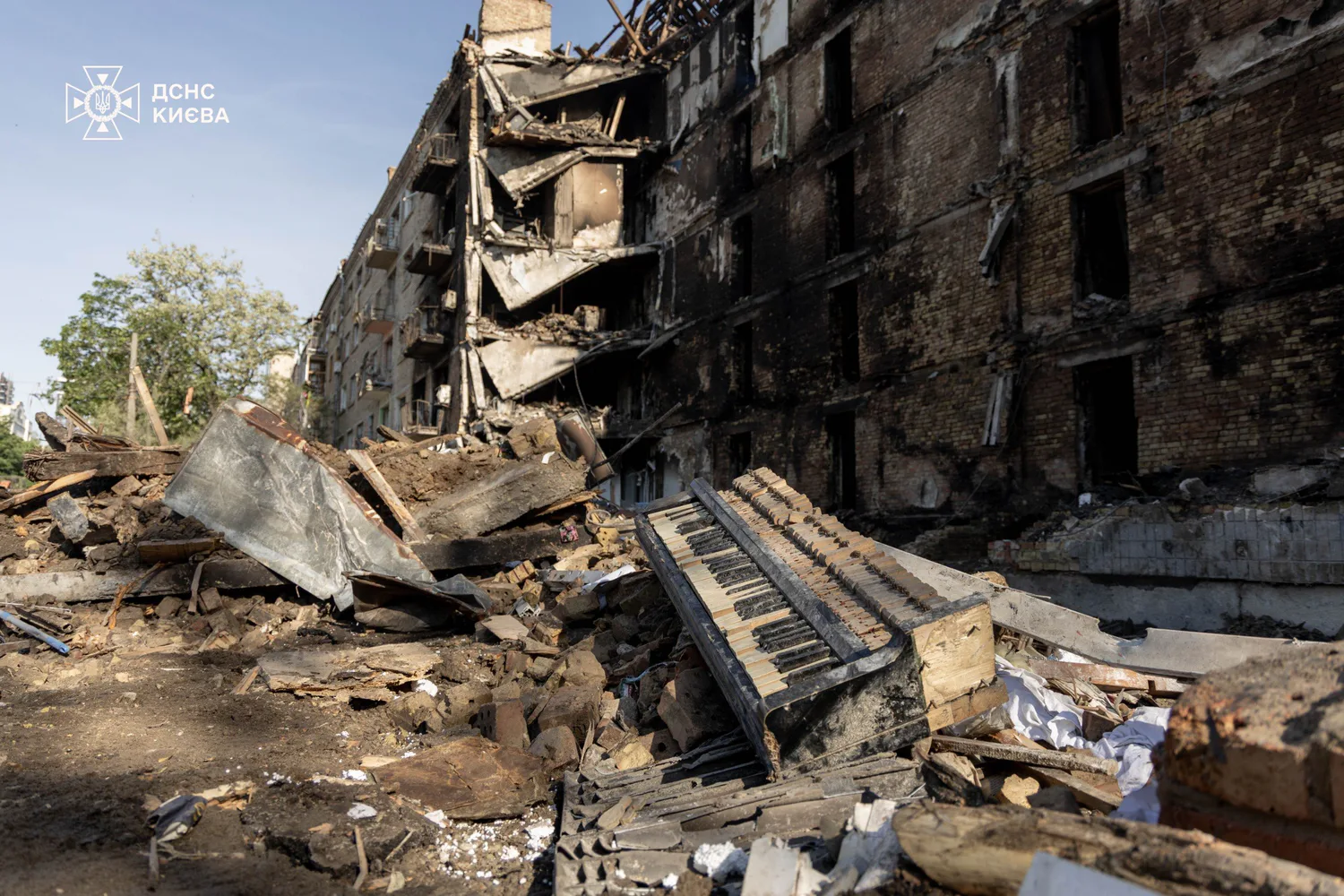
This is not just temporary discomfort. Damage to transmission infrastructure complicates the operation of heating and water supplies, medical facilities, and communications. A quick return to a stable schedule depends on repairing high-voltage assets and coordinating between network operators — a process that requires time and resources.
Authorities' response and technical measures
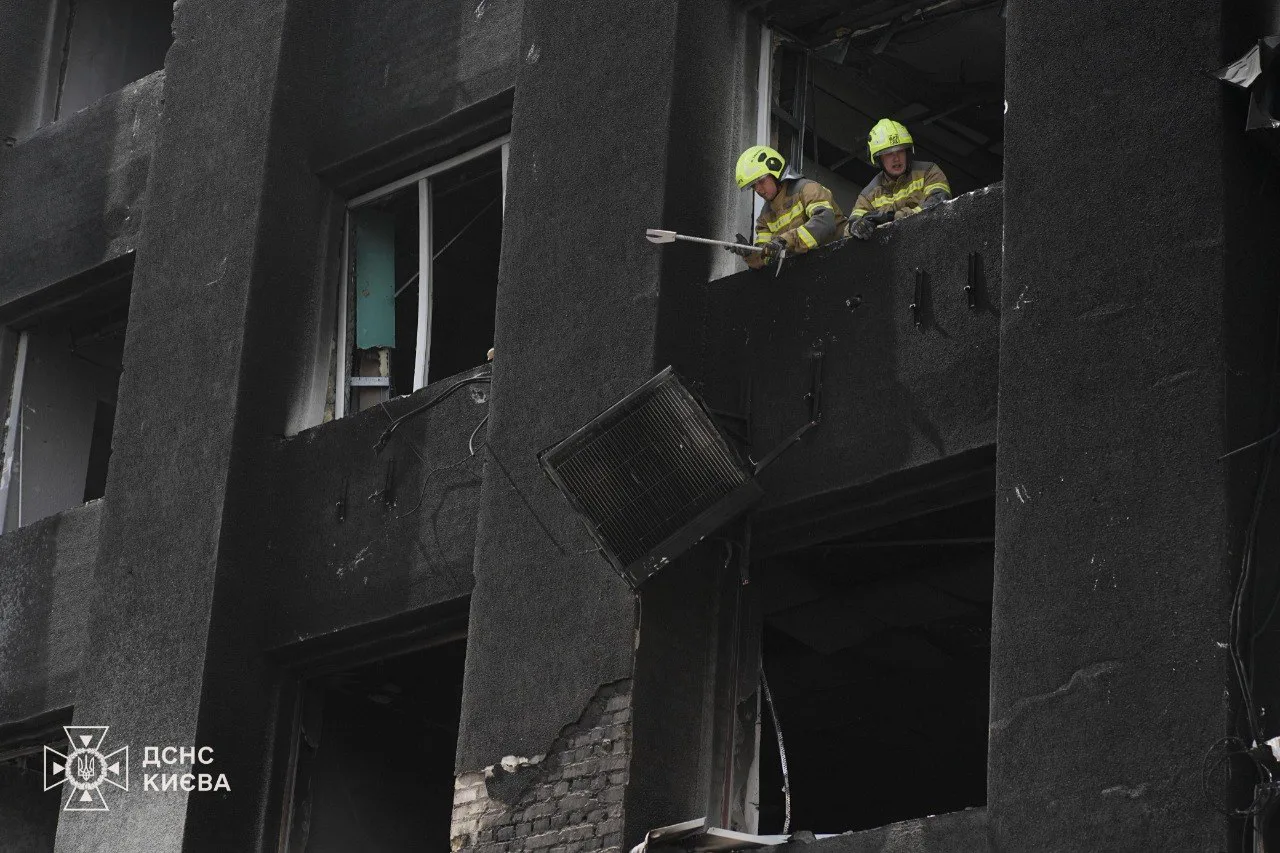
Kyiv city authorities have begun deploying additional resilience hubs in every district: locations with heated spaces, device charging and communication capabilities. The Ministry of Energy and power crews are working around the clock to restore damaged high-voltage lines and substations.
"Energy workers are operating around the clock, trying to balance the system and prevent its complete collapse."
— Press Service of the Ministry of Energy
Practical advice for Kyiv residents
What can be done today: follow the schedule, save energy during peak hours, use the resilience hubs for charging, and consult official government channels for instructions. Energy conservation is not only about comfort but also a contribution to the speed of repairs and the stability of the system.
Short-term outlook
The scale of the damage makes a quick return to the usual schedule unlikely in the coming days. Recovery will depend on the availability of materials, weather conditions, and the safety of repair crews. Analysts and practitioners stress: technical efforts must be combined with public discipline — only together will this reduce the risk of a total infrastructure collapse.
Conclusion
The situation is serious but controlled: while energy workers and authorities work on restoration, every Kyiv resident can make a concrete contribution — conserve energy and use the resilience hubs. This is not rhetoric, but a practical act of solidarity that directly affects the city's safety.