Kyiv braces for freezing temperatures and attacks on the power grid: 69 mobile boiler units and a practical safety checklist
The Kyiv City State Administration warns: in the event of a cold spell and possible shelling of infrastructure, the city will switch to an intensified operating mode. Why this concerns every Kyiv resident — briefly and with concrete steps.

By Tetiana Suchkova-Ladik
January 8, 2026 · 2 min read

Why you should know this right now
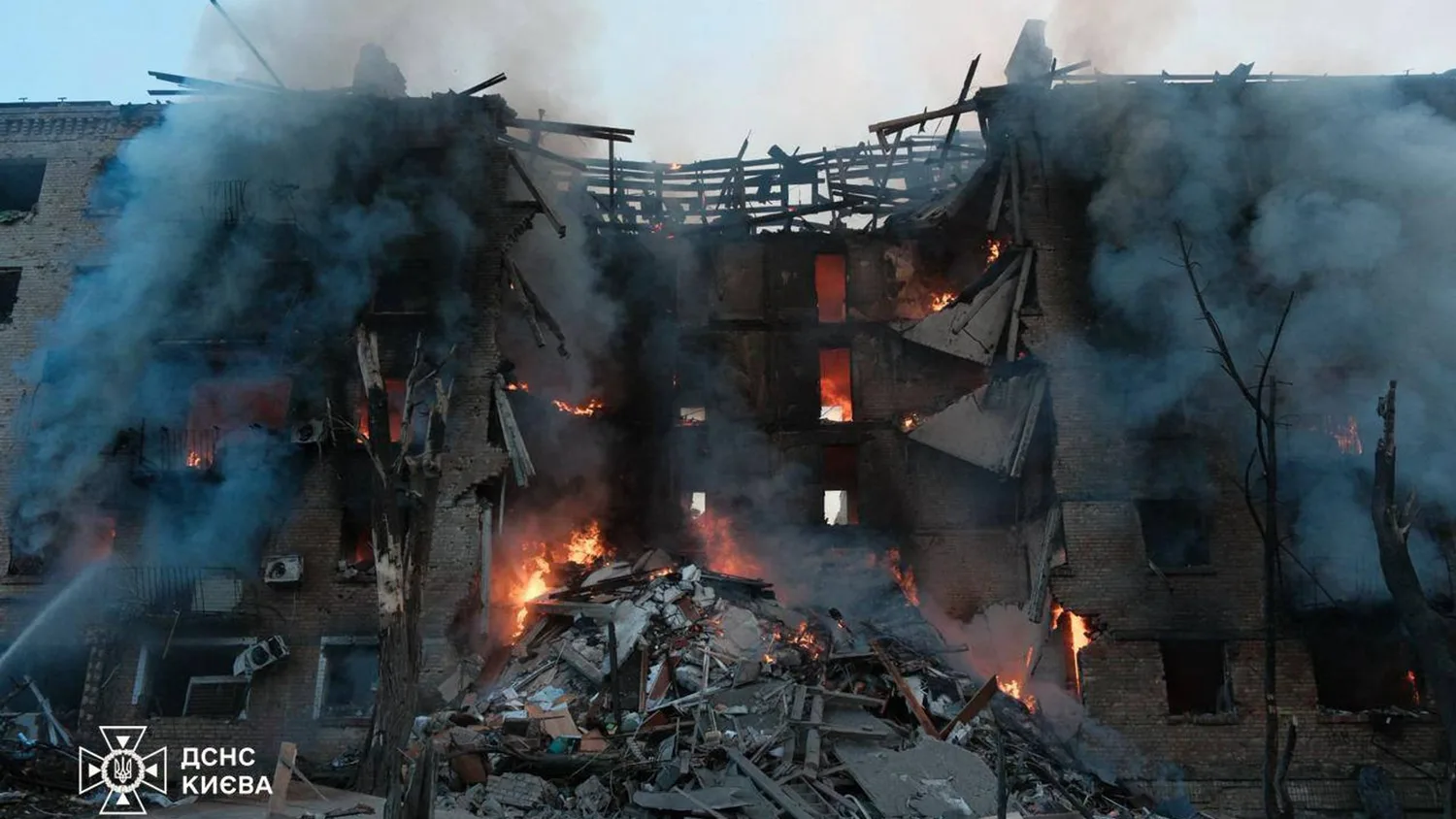
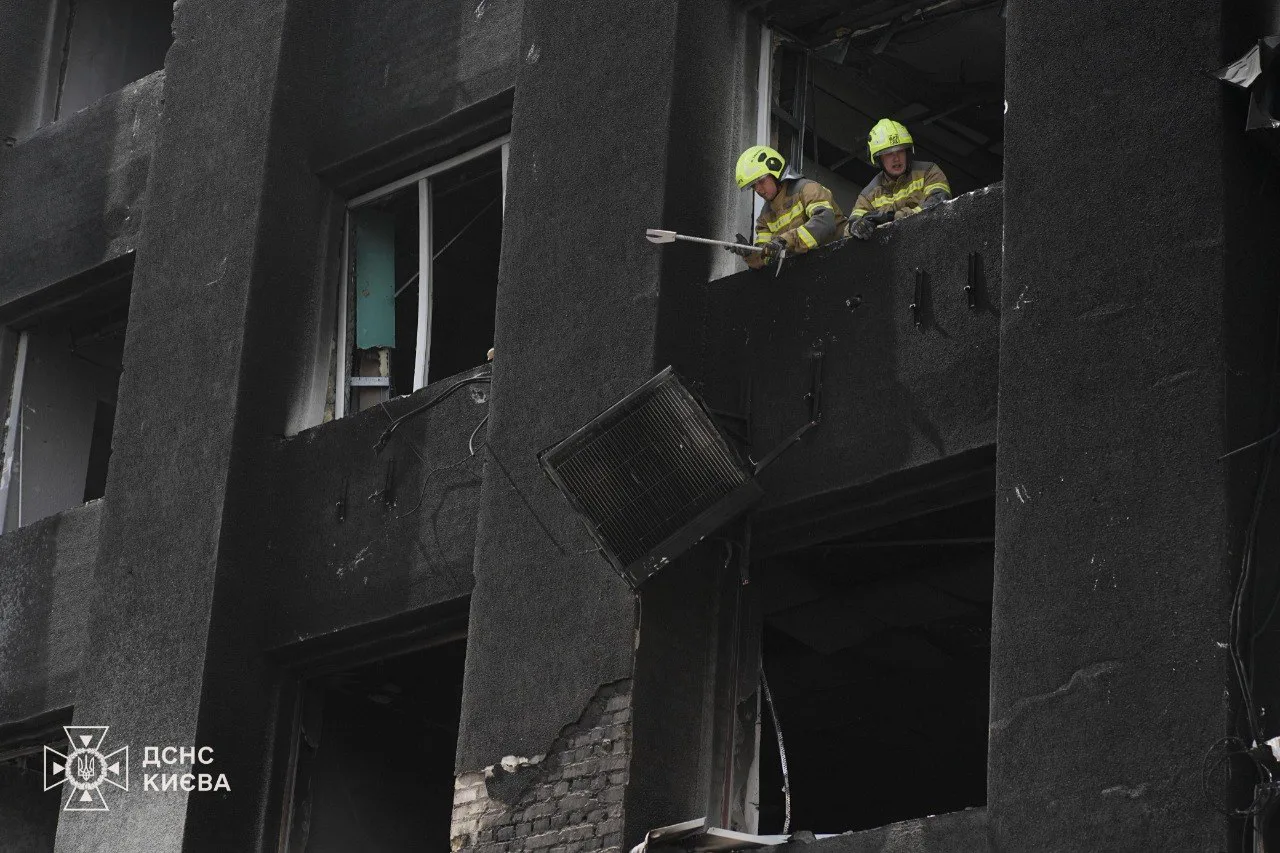
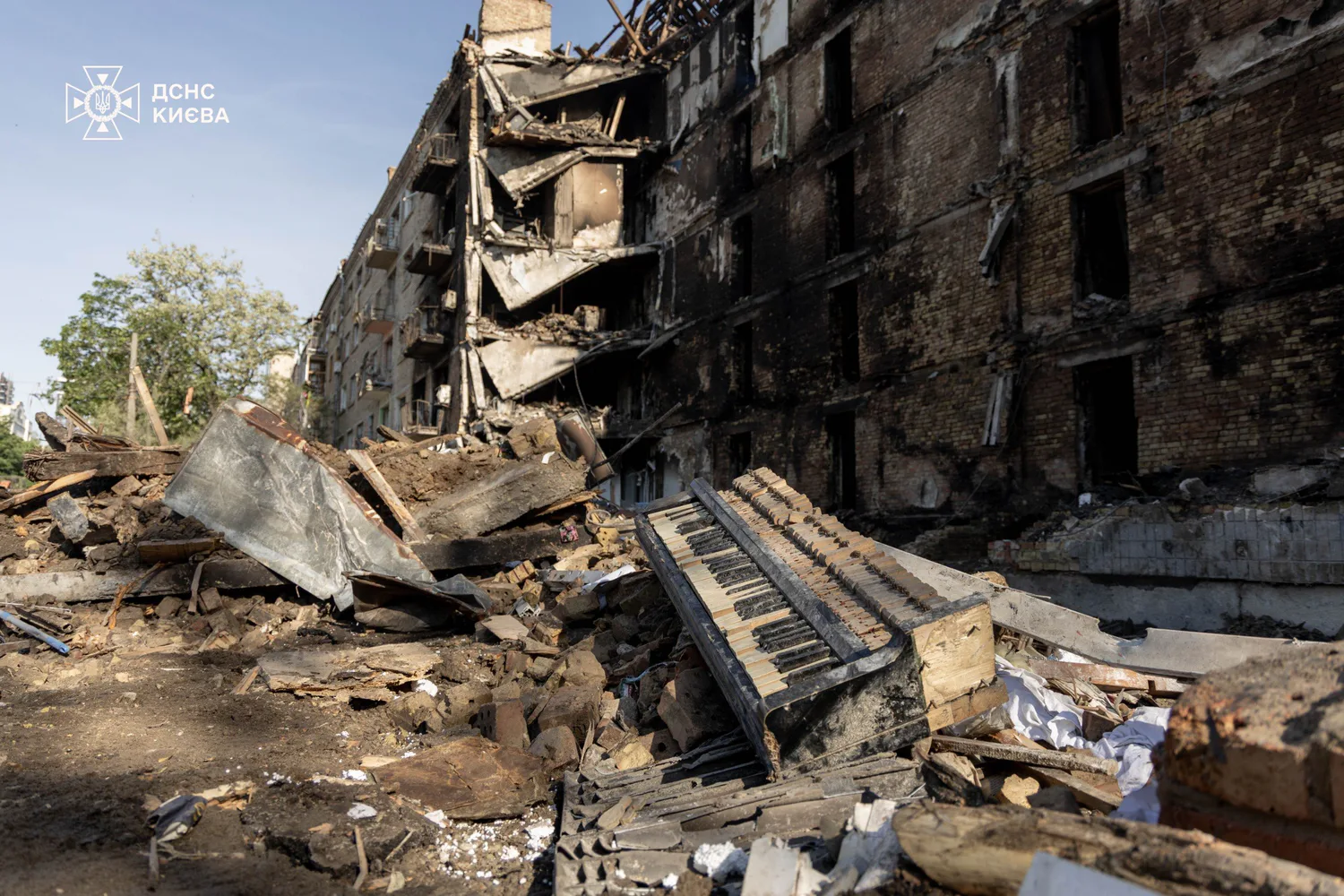
According to UNN, citing the Kyiv City State Administration (KCSA), municipal services in the capital are operating in an intensified mode due to expected colder weather and the risk of enemy strikes on the power system. This is not an abstract threat: recent massive attacks in Dnipropetrovsk and Zaporizhzhia regions led to widespread power outages and affected the life support of hundreds of thousands of homes.
What the city is doing
The Kyiv City State Administration says services have switched to a heightened mode and have prepared additional response procedures for power supply disruptions. Backup capacity is already in place for critical facilities.
"If necessary, they will provide autonomous heating for hospitals, maternity hospitals, social protection institutions and other critically important facilities."
— Kyiv City State Administration (cited by UNN)
In particular, 69 mobile boiler units have been prepared that can restore or provide autonomous heating for critical institutions. This measure reduces the risk of humanitarian consequences in the event of large-scale damage to the power grid.
What every Kyiv resident should do
The city is preparing infrastructure — but without simple individual steps the risk to a family increases. The Kyiv City State Administration's recommendations and practical tips:
- Charge power banks and spare batteries; keep flashlights, battery-powered or rechargeable lamps, candles and matches on hand.
- Ensure warmth: warm clothing, extra blankets, and a place for pets indoors — simple and effective preparations.
- Stock up on water and long-shelf-life food that does not require cooking with electricity.
- Insulate your home: check insulation, seal window gaps, and place insulating material between radiators and walls where possible.
Context: what happened in the region
Due to massive attacks in neighboring regions, the majority of consumers were left without electricity and water supply. Dnipro Mayor Borys Filatov declared a national-level state of emergency; according to DTEK, energy workers managed to restore power to about 200,000 families, but around 600,000 households in the region still remain without electricity.
Conclusion
City services are doing what they can: reserves and mobile boiler units reduce risks for critical facilities. But the overall resilience of the system partly depends on each of us. A simple checklist at hand is not panic but a real safeguard. Is your family ready for several days without power and heat?