Kyiv shifts to planned power outage schedules after Russia's nighttime attack — what will change for residents
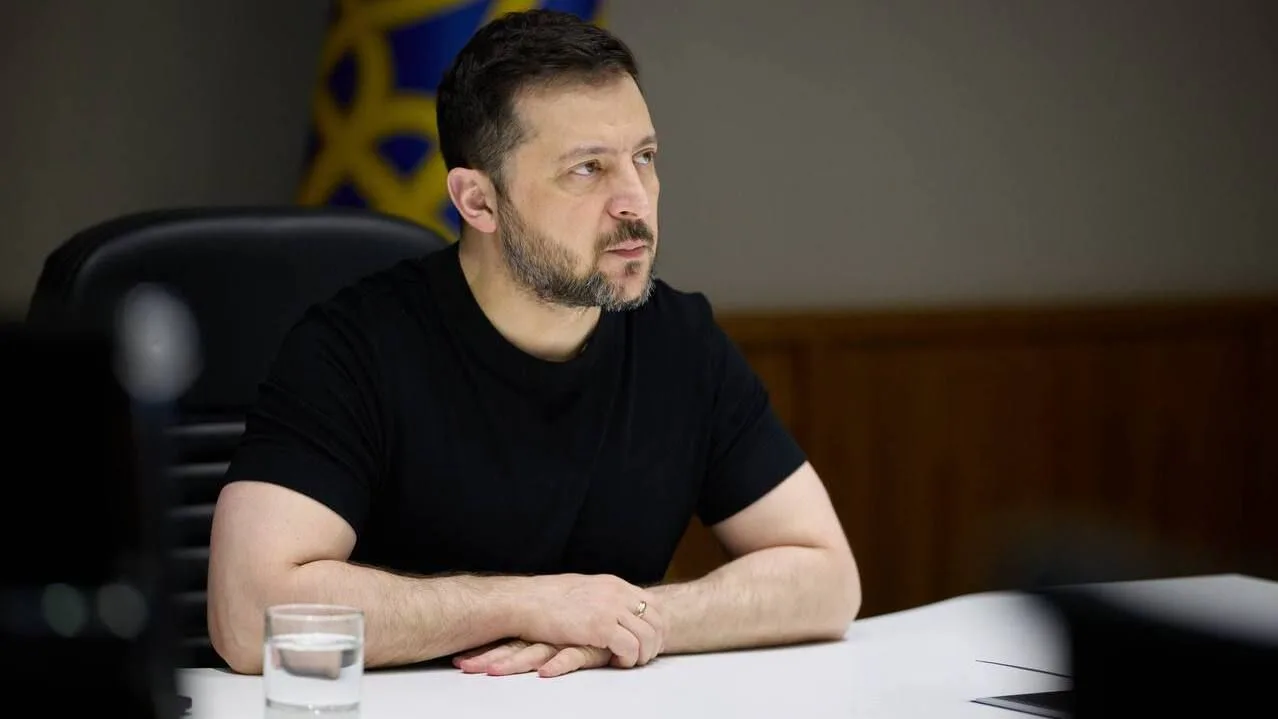
Prime Minister Yuliia Svyrydenko told UNN that after a night of strikes the capital's power system is shifting from emergency modes to planned schedules. We break down what this means for electricity, heating and restoration timetables.

By Tetiana Suchkova-Ladik
January 9, 2026 · 2 min read

What happened
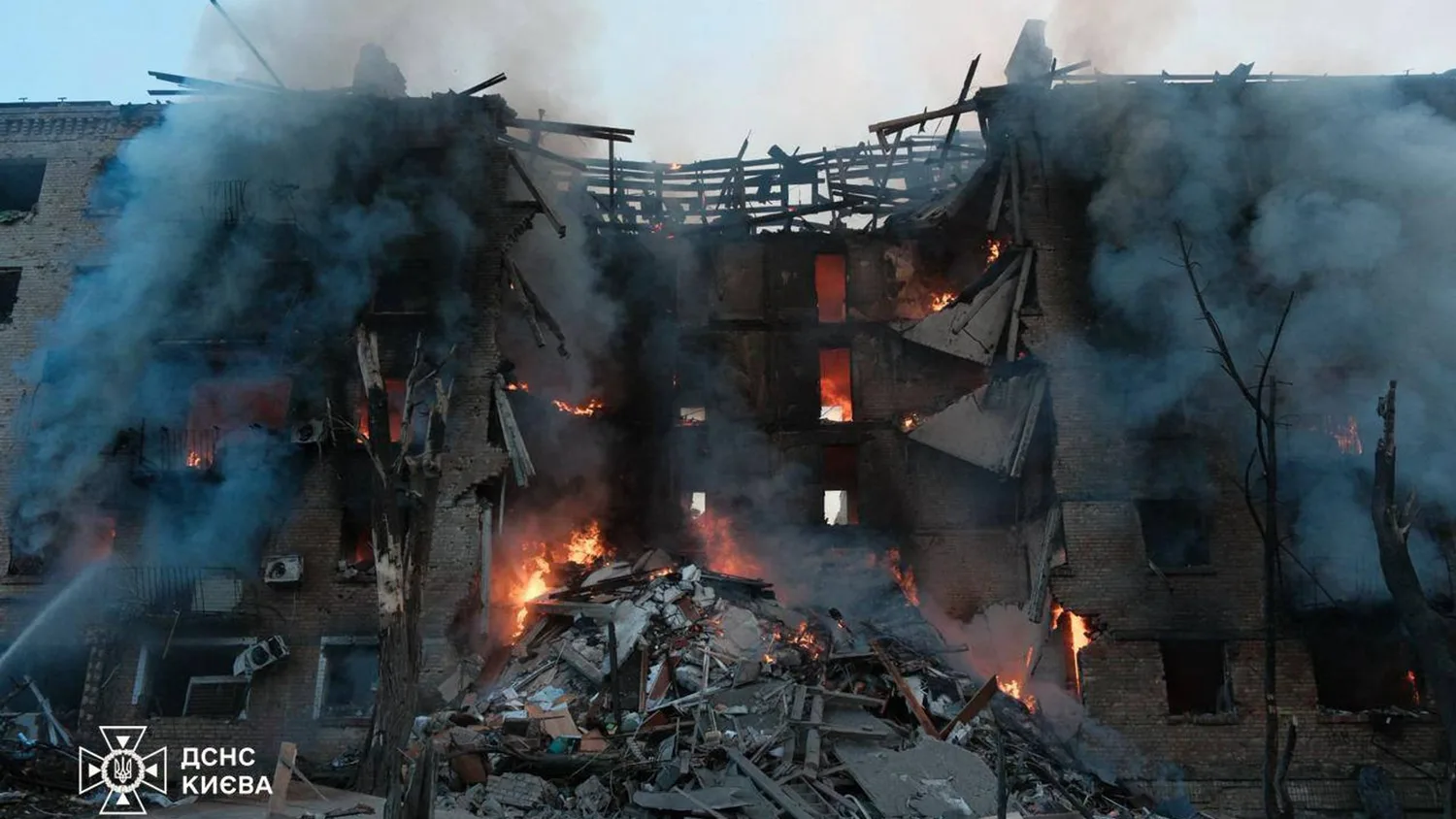
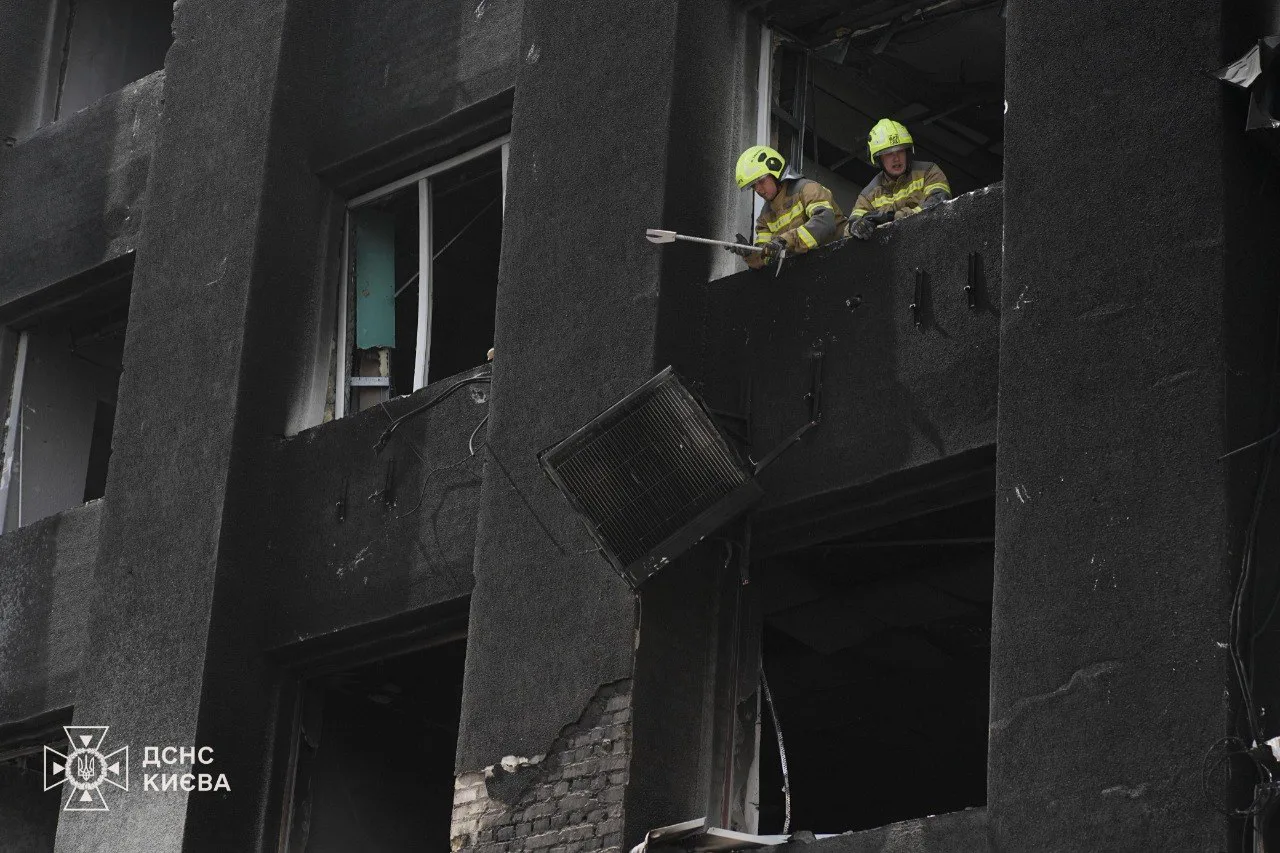
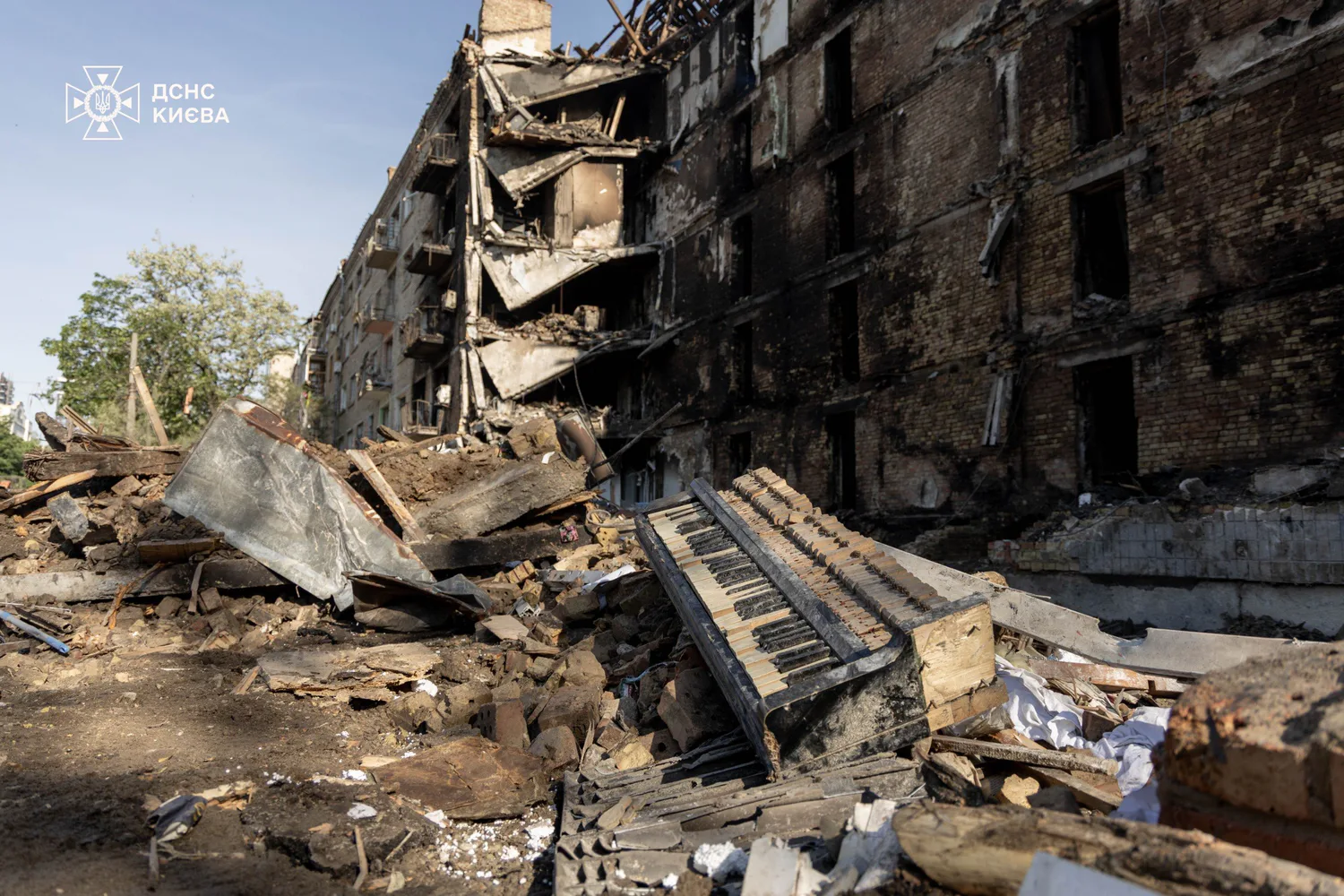
Prime Minister Yuliia Svyrydenko told UNN that because of the aftermath of last night’s attack by Russia, normalization of electricity supply in Kyiv is underway, and the capital is expected to switch to planned outage schedules by the end of the day. This is a move from emergency, unpredictable outages to scheduled rotations that allow better distribution of load and completion of repair work.
At present, power has been restored to the majority of the Right Bank of the capital — planned outage schedules are in effect. Emergency outages are being applied in certain areas where recovery work continues. On most of the Left Bank, emergency outages are still in force; electricity restoration work is in its final stage. A transition to planned schedules is planned by the end of today.
— Yuliia Svyrydenko, prime minister
Timelines, scale, consequences
The Right Bank in most districts is already reconnected and operating under planned schedules. On the Left Bank, emergency outages are still being applied, but restoration work is in the final phase. The shift to planned schedules means fewer unpredictable outages and more predictable operation for businesses, hospitals and transport, but temporary electricity restrictions will remain on the agenda for several days.
Heat supply
Restoration of heating continues: services have already returned heat to more than a thousand buildings in three districts of Kyiv, UNN reports. However, a significant part of the city remains without heat — repair crews are working in an intensified mode.
The relevant services are working and will continue to work around the clock to restore heat supply to people as quickly as possible.
— Yuliia Svyrydenko, prime minister
What Kyiv residents should know and do
Switching to planned schedules is an improvement in stability, but not a full restoration. It is wise to:
- follow official updates from the Kyiv City State Administration (KCSA) and energy providers;
- have a basic supply of warm clothing and backup light sources (flashlights, power banks);
- if possible, avoid using critically important appliances during periods of peak load.
Short conclusion
Planned schedules are a sign that large-scale emergency interventions are mostly winding down, but full restoration of the power system and heat supply still depends on the pace of repair work. Going forward, transparent outage schedules and prompt service reports are important so residents can plan their day and the operation of critical infrastructure.