Kyiv under shelling: mobile heating units warm hospitals, municipal crews clear the city
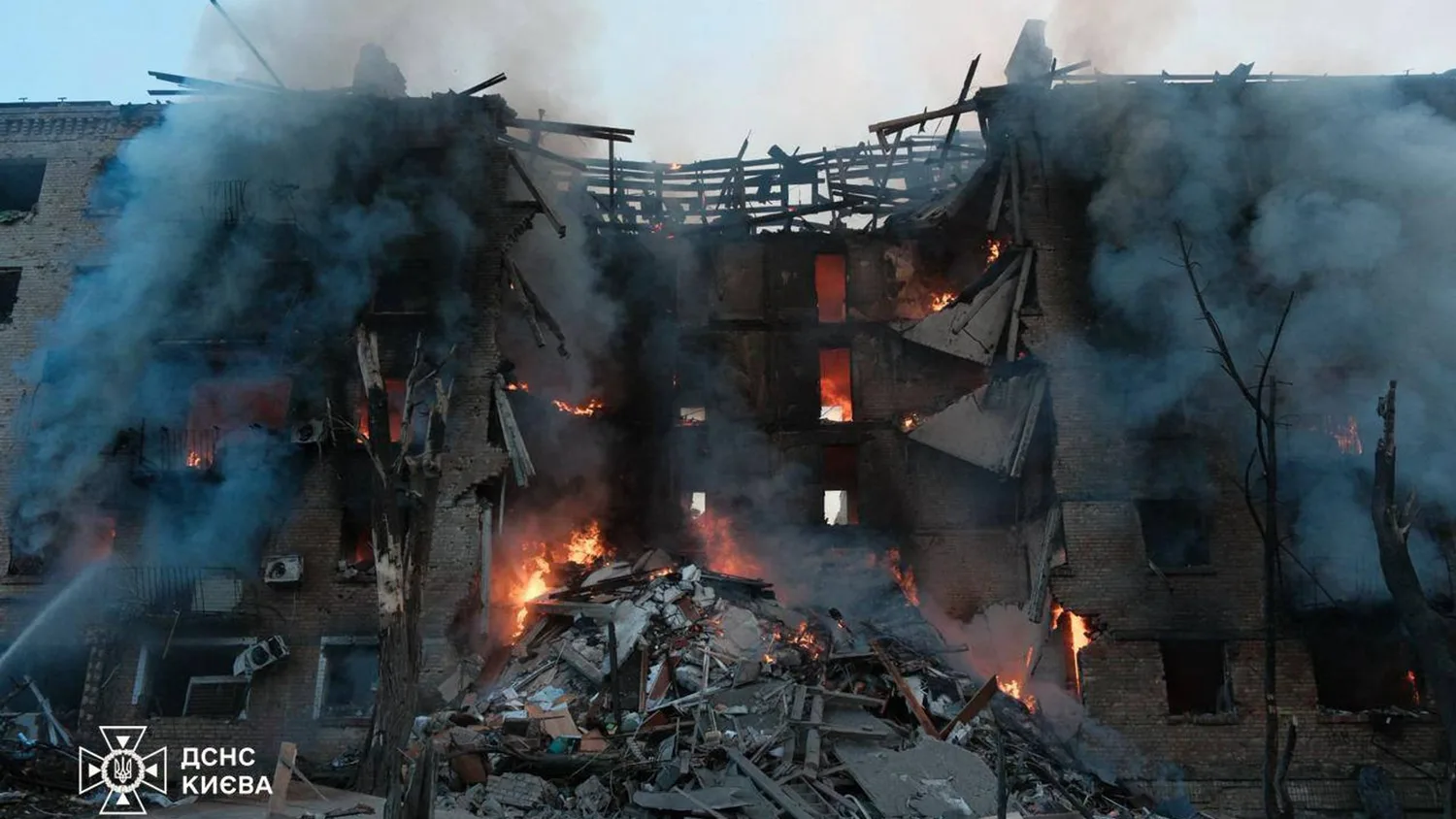
After the overnight attack on December 27, the city swiftly deployed mobile boilers to six medical facilities and mobilized hundreds of units of equipment and crews. We explain what has already been done and what to expect next — to ensure patient safety, stability of utility services, and the wellbeing of every Kyiv resident.

By Tetiana Suchkova-Ladik
December 28, 2025 · 2 min read
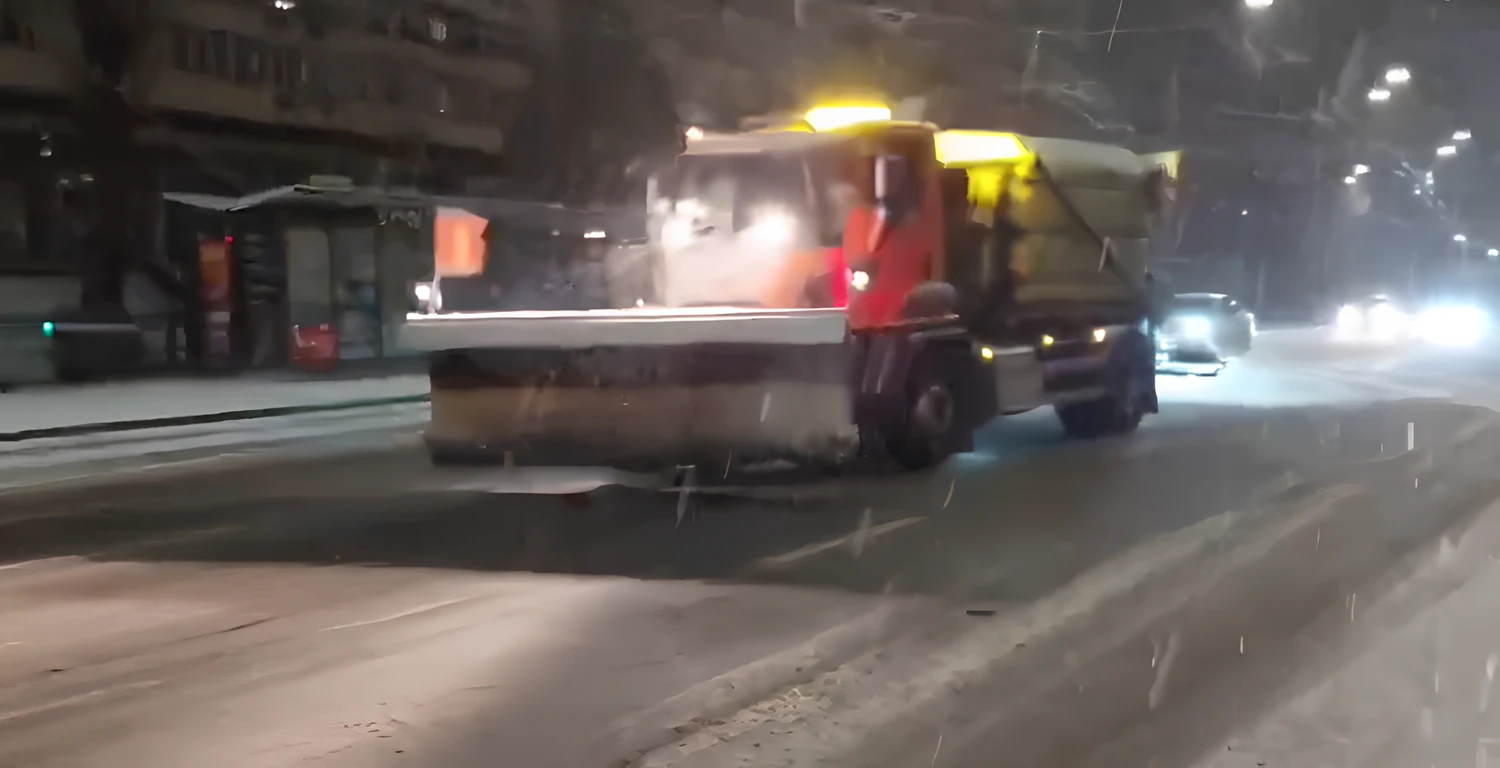
Mobile boiler units and snow removal: how the city is responding to the aftermath of the strikes
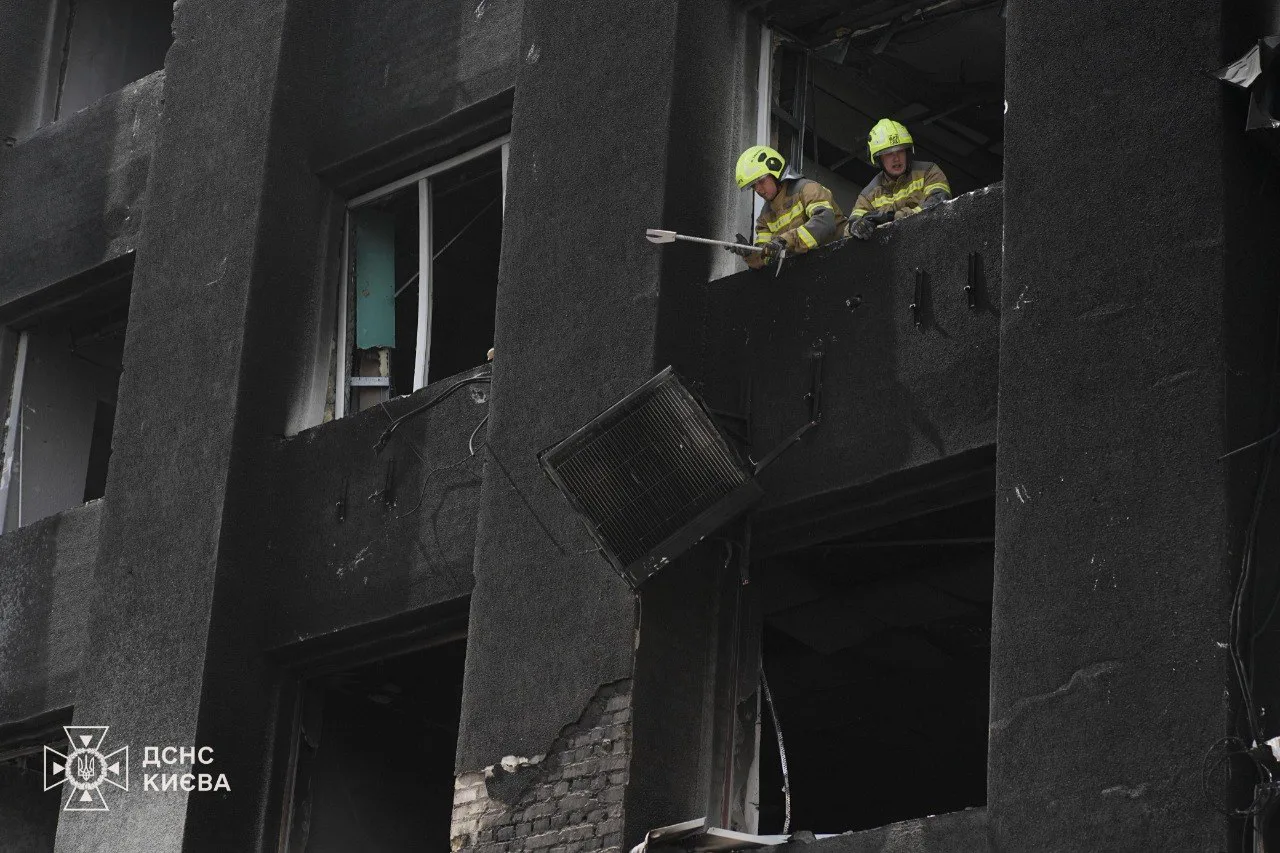
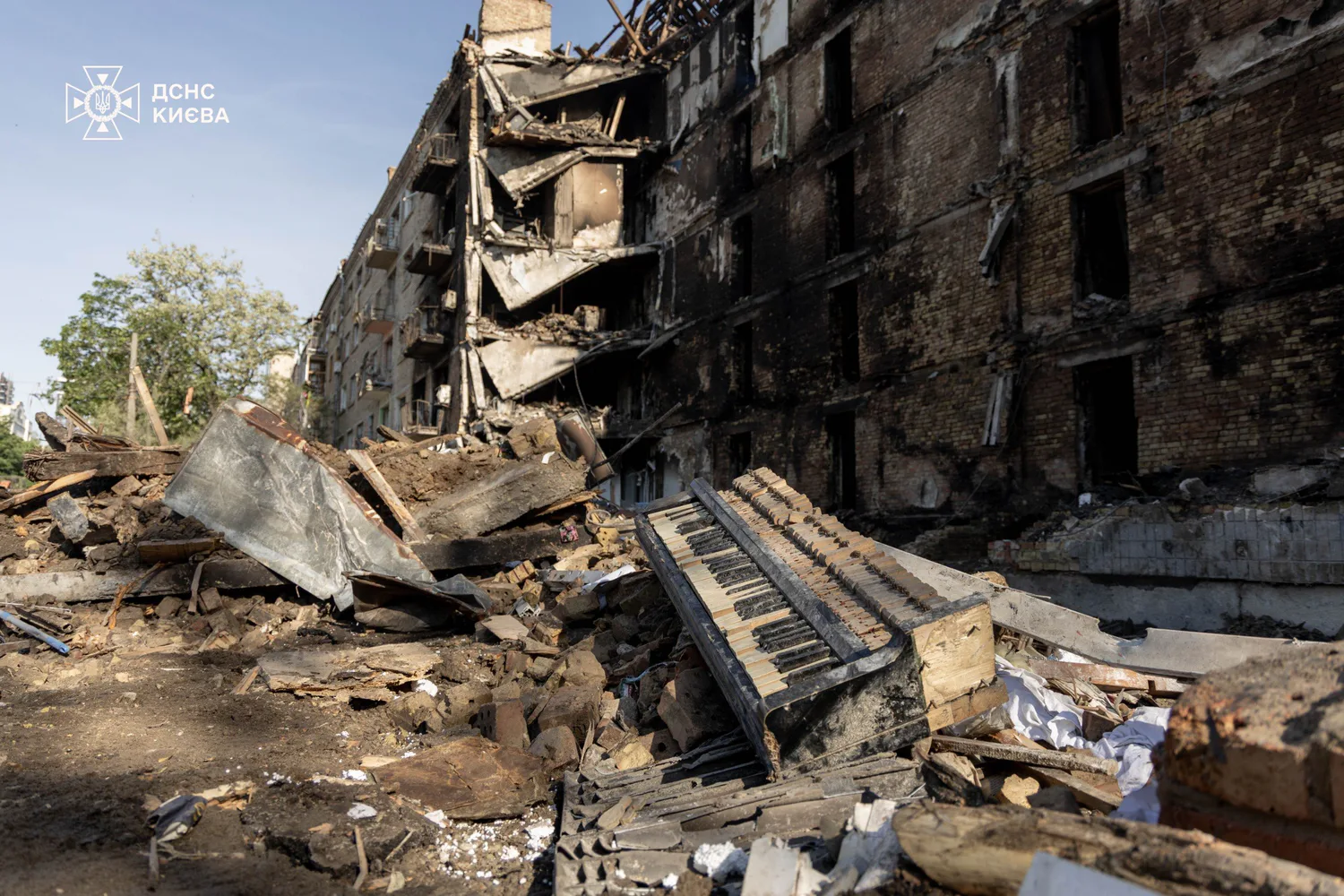
On the night of December 27, Kyiv suffered a massive attack that caused damage to energy infrastructure and an increase in the number of injured. In response, the municipality and emergency services reacted: mobile boiler units have been connected to six medical facilities to provide heating until stationary heat-generation capacities are restored.
What was done immediately
According to the KCSA (via UNN), six autonomous boiler units running on diesel fuel have been connected to hospitals — this allows ward temperatures to be maintained and critical medical processes to be supported until networks are fully restored. At the same time, 124 units of special machinery are operating on city streets for snow removal; additionally, 23 manual-cleaning brigades composed of 128 workers have been deployed.
“They will provide heating for hospitals until heat supply from stationary sources is restored. These boilers run on diesel fuel, which ensures full autonomy of their operation for an extended period.”
— Kyiv City State Administration
Energy situation and scale of damage
Acting Minister of Energy Artem Nekrasov reported power outages in Kyiv and the region affecting more than 500,000 consumers. Deputy Prime Minister for Restoration Oleksii Kuleba indicated that as a result of the attacks over 40% of Kyiv residents were left without heating. At the same time, healthcare is being prioritized — mobile boiler units mitigate risks to patients and the operation of critical wards.
“As a result of the attacks over 40% of Kyiv residents were left without heating.”
— Oleksii Kuleba, Deputy Prime Minister for Restoration
Weather and additional risks
Services warn about icy conditions: Level II (orange) has been declared in the west of the country, and Level I (yellow) in other regions. This complicates the work of emergency crews and increases the risk for residents during infrastructure restoration.
What this means for Kyiv residents
The city’s response shows that systemic services can quickly mobilize reserves to protect the most vulnerable — hospitals and critical infrastructure. However, full restoration depends on repairs to the energy networks and the logistics of supplying fuel for the autonomous boilers. For residents this means: on one hand — a temporary stabilization of heating in critical facilities; on the other — possible prolonged household inconveniences until the networks are restored.
Summary
Mobile boilers and the work of municipal crews are producing the needed effect here and now: they reduce risks for patients and help maintain order on the streets. The next stage is the restoration of power grids and the transition from temporary solutions to long-term resilient system operation. The question remains technical and logistical: how quickly will it be possible to return stationary heat sources and restore electricity to the majority of consumers?