Kyiv under ballistic missile threat: air defenses active, residents urged to stay in shelters
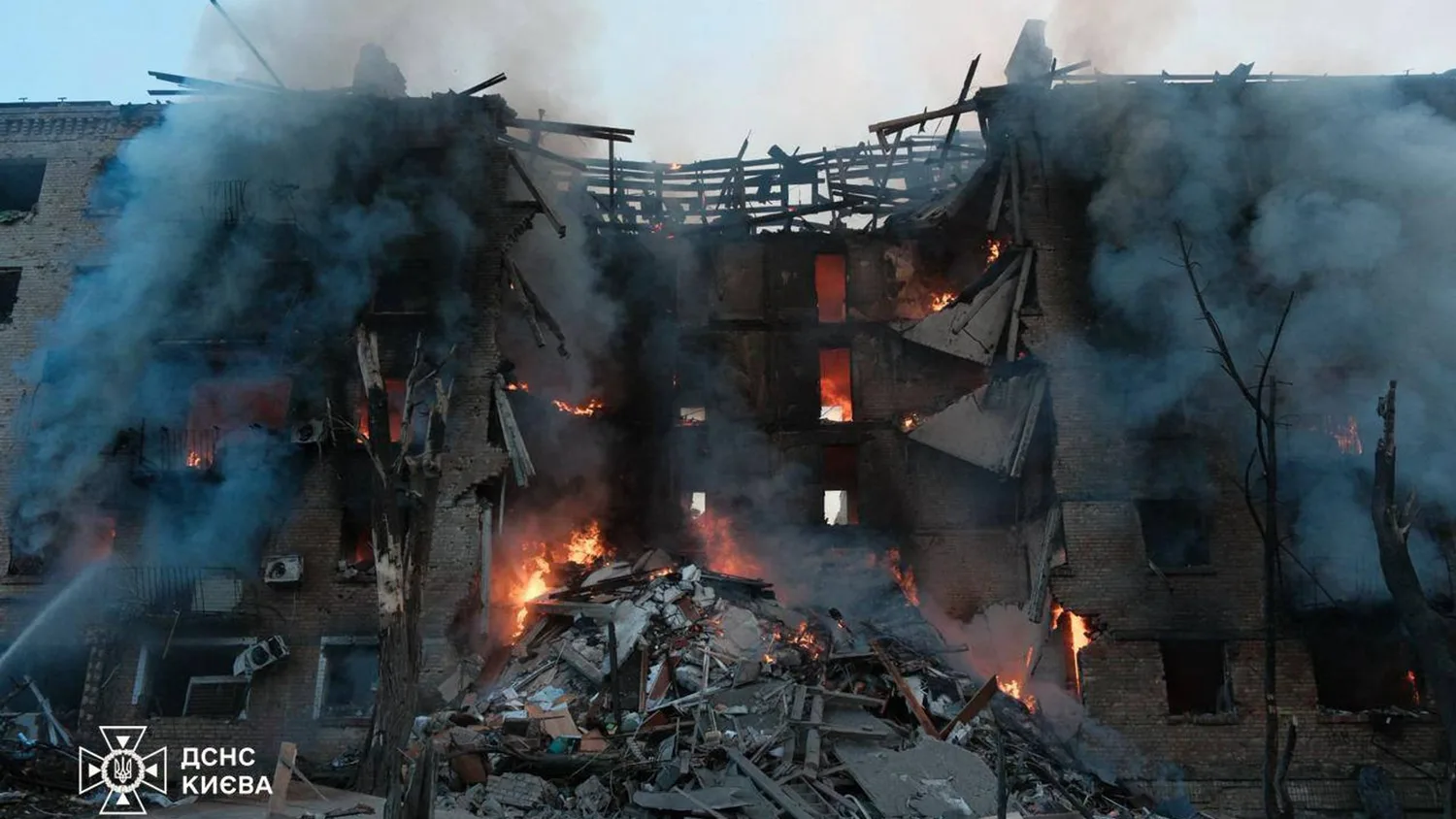
In the evening, explosions were heard in the capital — the mayor and the Air Force report a ballistic attack and movement of high-speed targets from the north. We explain what is happening and which developments are changing the risks for Kyiv residents.

By Tetiana Suchkova-Ladik
February 8, 2026 · 2 min read

Briefly
According to UNN, explosions are sounding in the city. Mayor Vitali Klitschko reported that Kyiv is under attack by ballistic weapons, and air defense forces are operating. Residents are advised to stay in shelters and follow official messages.
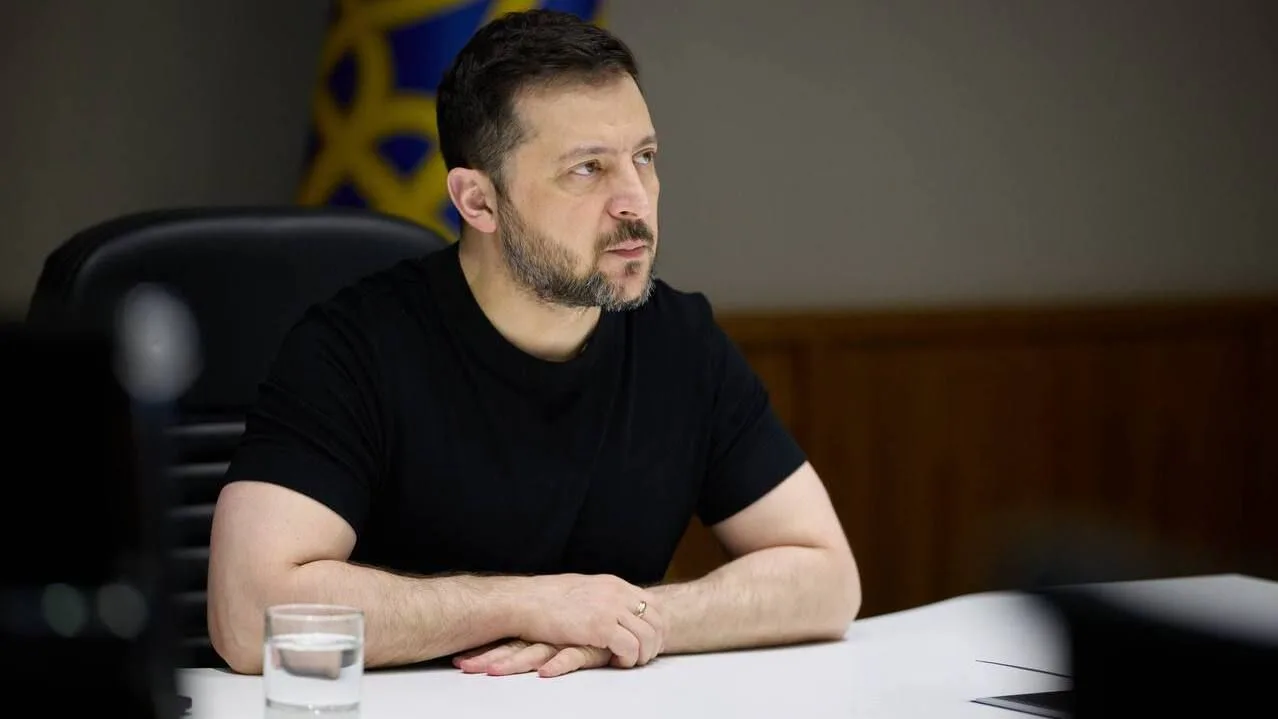
"Explosions in the capital. Kyiv is under attack by ballistic weapons. Air defense forces are operating. Stay in shelters!"
— Vitali Klitschko, Mayor of Kyiv
Air Force statement
The Air Forces of the Armed Forces of Ukraine reported about high-speed targets over Chernihiv region, heading toward Kyiv region, and also warned of the threat of ballistic weapons being used from Bryansk Oblast (Russian Federation). These are official data that defense services and city authorities are relying on.
"High-speed targets have been detected over Chernihiv region, heading toward Kyiv region. There is a threat of ballistic weapons being used from Bryansk Oblast."
— Air Forces of the Armed Forces of Ukraine (statement)
What this means for Kyiv residents
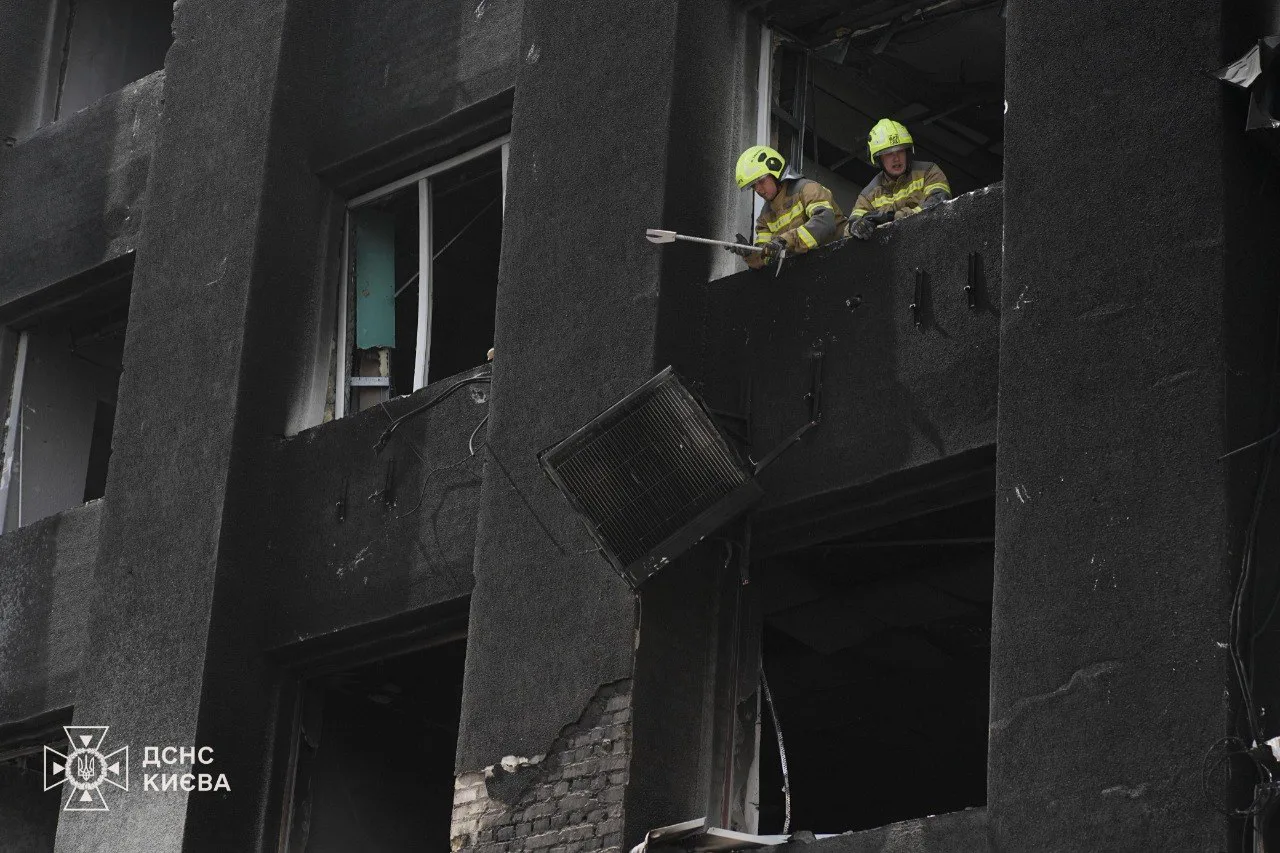
First, in the short term — an increased threat to civilian infrastructure and a need to coordinate evacuation and emergency services. Second, active air-defense operations indicate resources are being deployed to minimize damage: the effectiveness of these systems determines the number of strikes and human casualties.
Advice for residents: remain in shelters, monitor messages from official channels (Kyiv City State Administration, the Air Forces, emergency services), and avoid unnecessary movement around the city until the all-clear.
Context and consequences
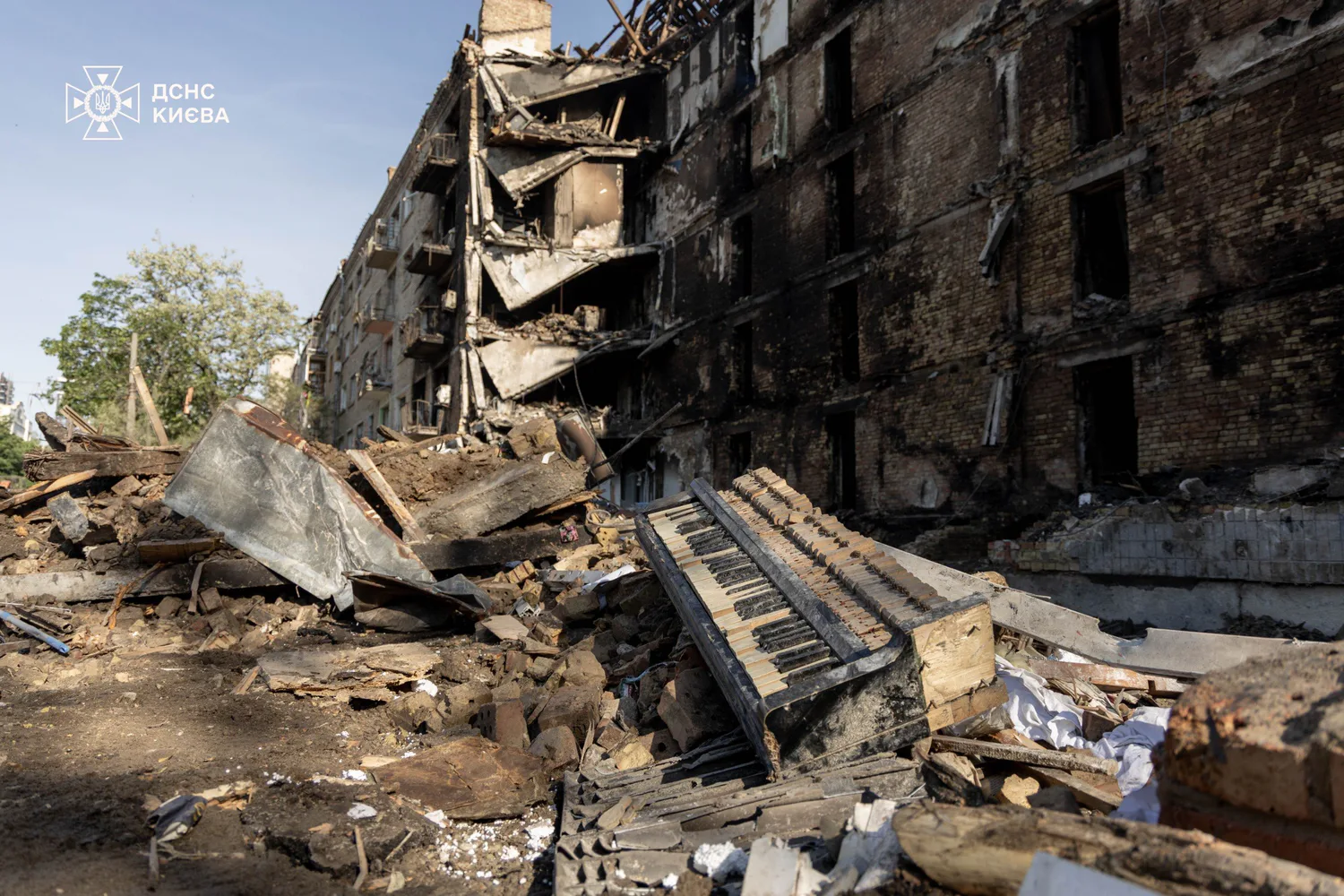
A ballistic strike from distant lines is a tactic intended to damage infrastructure and create psychological pressure. At the same time, it is a test for the early warning system and air defenses. Analysts note that the continuous operation of Ukrainian air defense reduces the effectiveness of such attacks, but risks remain as long as the enemy can employ long-range weapons.
The next hours and the coming day will be important: the safety of the city depends on the responsiveness of services and the actions of Kyiv residents. Listen to official messages and follow simple safety rules.