Kyiv after overnight attack: 173,000 families without power, heating networks to be drained in some buildings
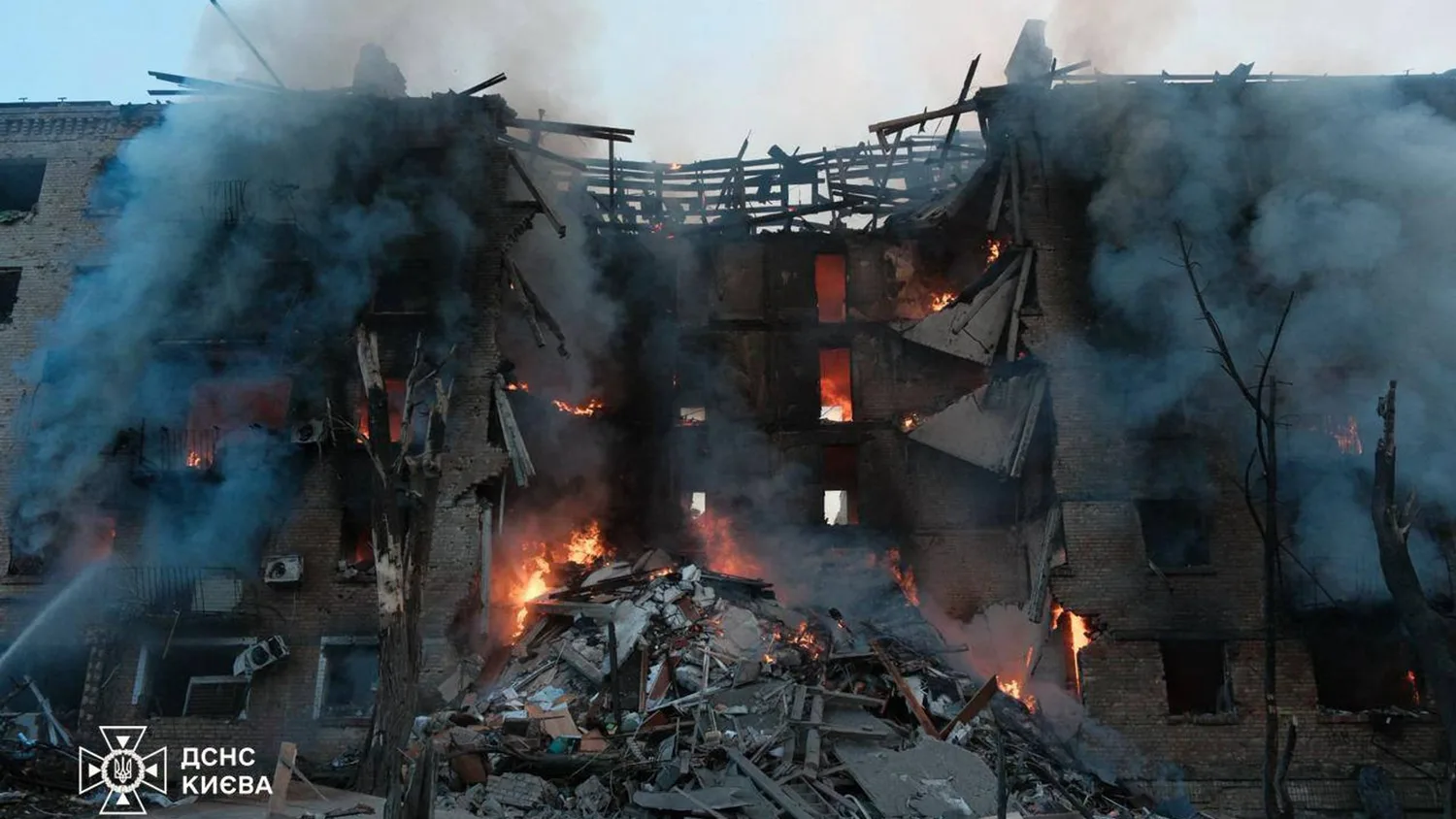
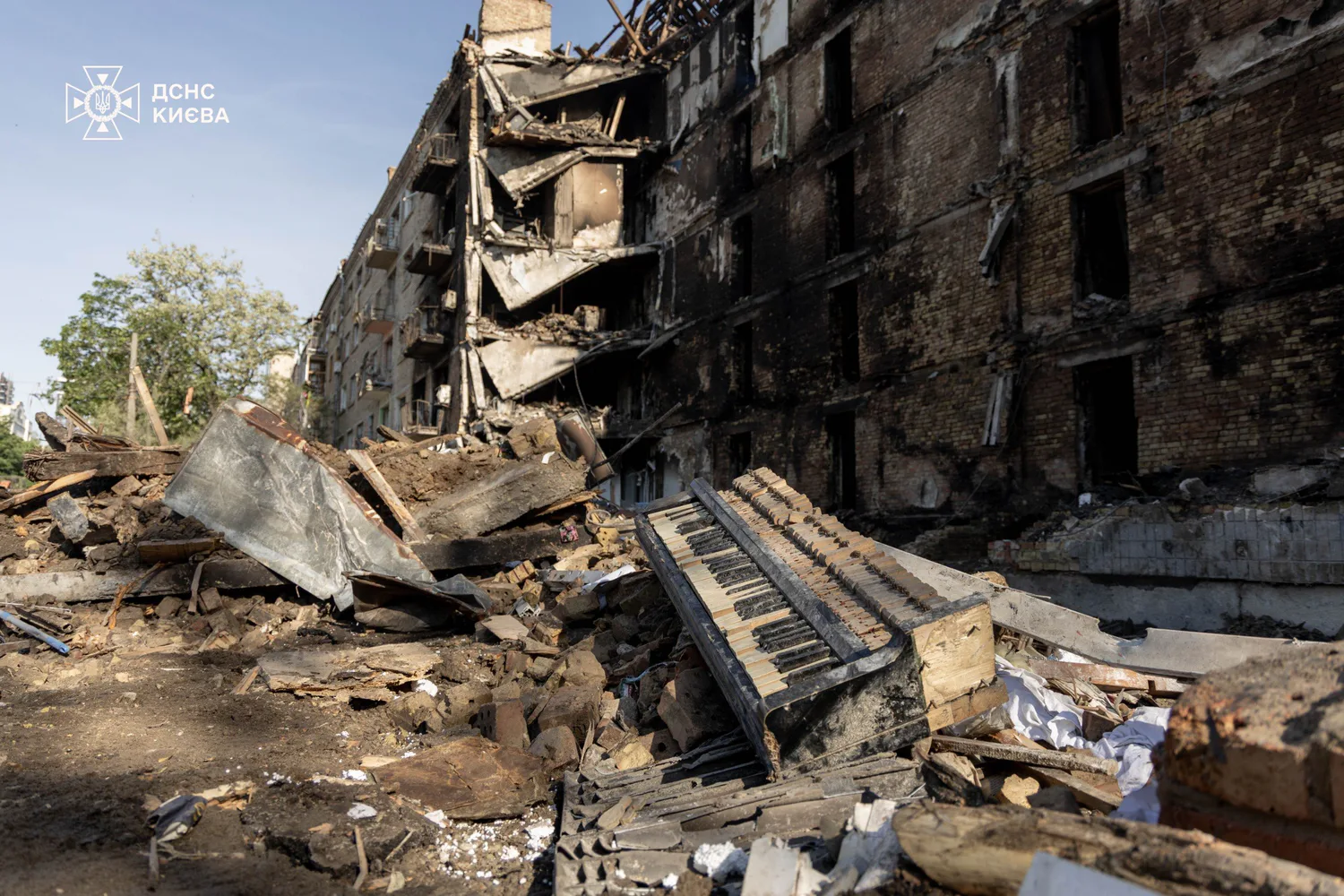
A nighttime Russian attack on energy facilities left 173,000 families in the capital without electricity. We explain why authorities announced the draining of heating systems, where the situation is worst, and what residents should do right now.

By Oleg Bazylewicz
January 20, 2026 · 3 min read
What happened
After last night’s Russian attack on Kyiv’s energy facilities, 173,000 households remain without power. According to energy company DTEK, electricity has already been restored to 162,000 households; the total number affected immediately after the strike initially exceeded 335,000.
"As a result of last night’s attack on the capital’s energy facilities, more than 335,000 Kyiv residents were left without power. As of now, electricity has been restored to 162,000 homes. Another 173,000 families are temporarily without power."
— DTEK, press service
Where it is worst
According to official reports from the Kyiv City Military Administration (KMVA), the worst situation is in the Desnianskyi district. Serious problems are also being recorded in the Pecherskyi, Holosiivskyi, Darnytskyi and Solomianskyi districts.
- Desnianskyi district — almost 100% of buildings without heat and power;
- Pecherskyi district — almost 100% of buildings without cold water supply and with electricity problems;
- Holosiivskyi, Darnytskyi and Solomianskyi — about 40% of consumers without heat supply.
"The worst situation is currently being recorded in the Desnianskyi district," — said KMVA spokesperson Kateryna Pop.
— Kateryna Pop, spokesperson of the Kyiv City Military Administration
Why draining of heating systems was announced and what it means
Planned or emergency draining of heating systems is a technical procedure sometimes required when it is not possible to maintain water circulation due to power outages. It is a preventative step to avoid pipes freezing and widespread bursts, which over the long term would create bigger problems for residents.
"Although in some buildings, due to these problems with electricity, lack of water supply, and also heat supply, it will be necessary to carry out the technical procedure of draining the heating systems in order to prevent pipes from freezing (...) this will be carried out today in many buildings... So they should contact their building managers so they can be warned about the absence of utilities for a certain period."
— Kateryna Pop, KMVA spokesperson
What services are doing and what residents can do
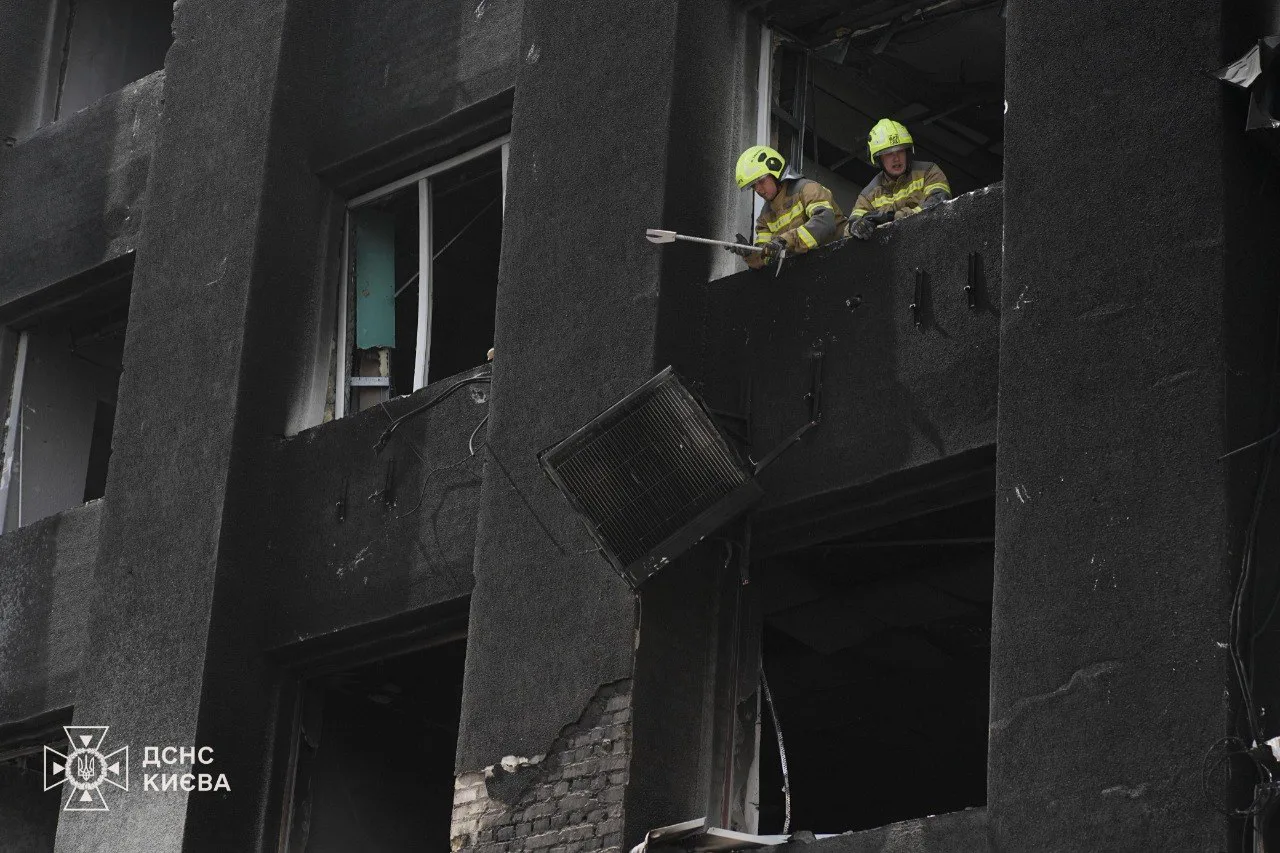
Energy crews are working continuously to restore supply and prioritize critical infrastructure. In Kyiv emergency outages are in effect — rolling blackout schedules are not being applied; repairs are being carried out according to priorities of public safety and the city’s life-support needs.
- The city is deploying resilience hubs and heating centers: currently more than 1,300 resilience hubs and around 100 heating centers run by the State Emergency Service (SES);
- If draining of systems is planned in your building — contact the building manager or condo association (OSBB) to find out the timing of the work and options for water delivery;
- Keep warm clothing, a supply of drinking water and medicines on hand; if possible — coordinate with neighbors, especially the elderly.
Context and outlook
Attacks on the energy sector are part of a strategy intended to undermine the viability of cities and put additional pressure on the civilian population. That is why current priorities are speed of restoration, coordination between energy companies, city authorities and rescue services, and the safety of repair crews.
In the short term residents will have to adapt to temporary inconveniences. Medium- and long-term recovery of the energy system depends on access to materials, the ability to work safely in damaged areas and the speed of logistics. The Ministry of Energy and local authorities are coordinating the work — this process is measured in hours and days, not minutes.
Questions for the next steps: will it be possible to accelerate repair work without additional resources and how effective will coordination be between operators, city authorities and volunteer networks? The answer will determine how quickly normal life returns to the hardest-hit neighborhoods.