Kyiv restores water supply — heating to be restored within 24 hours; some districts need more time
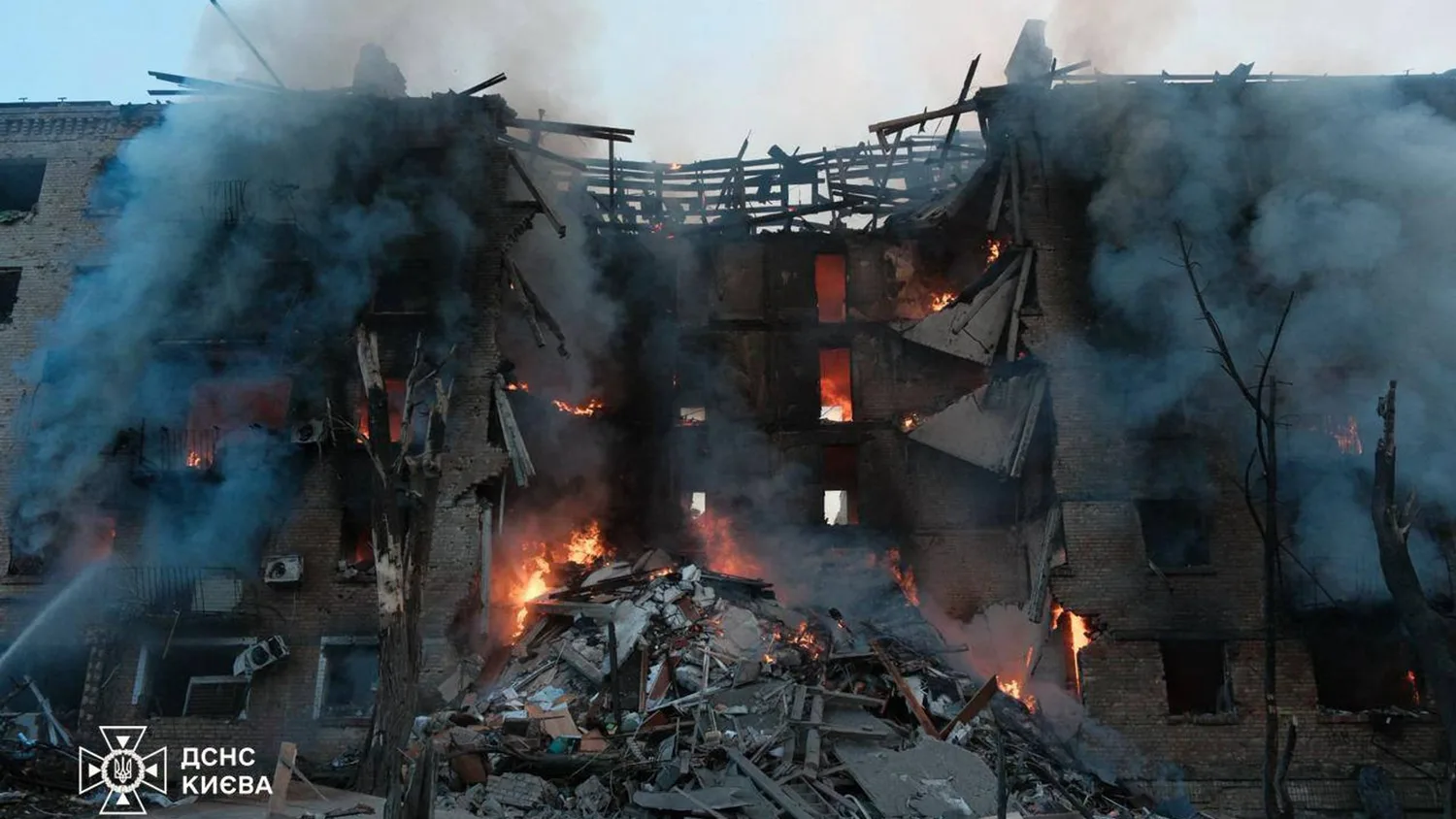
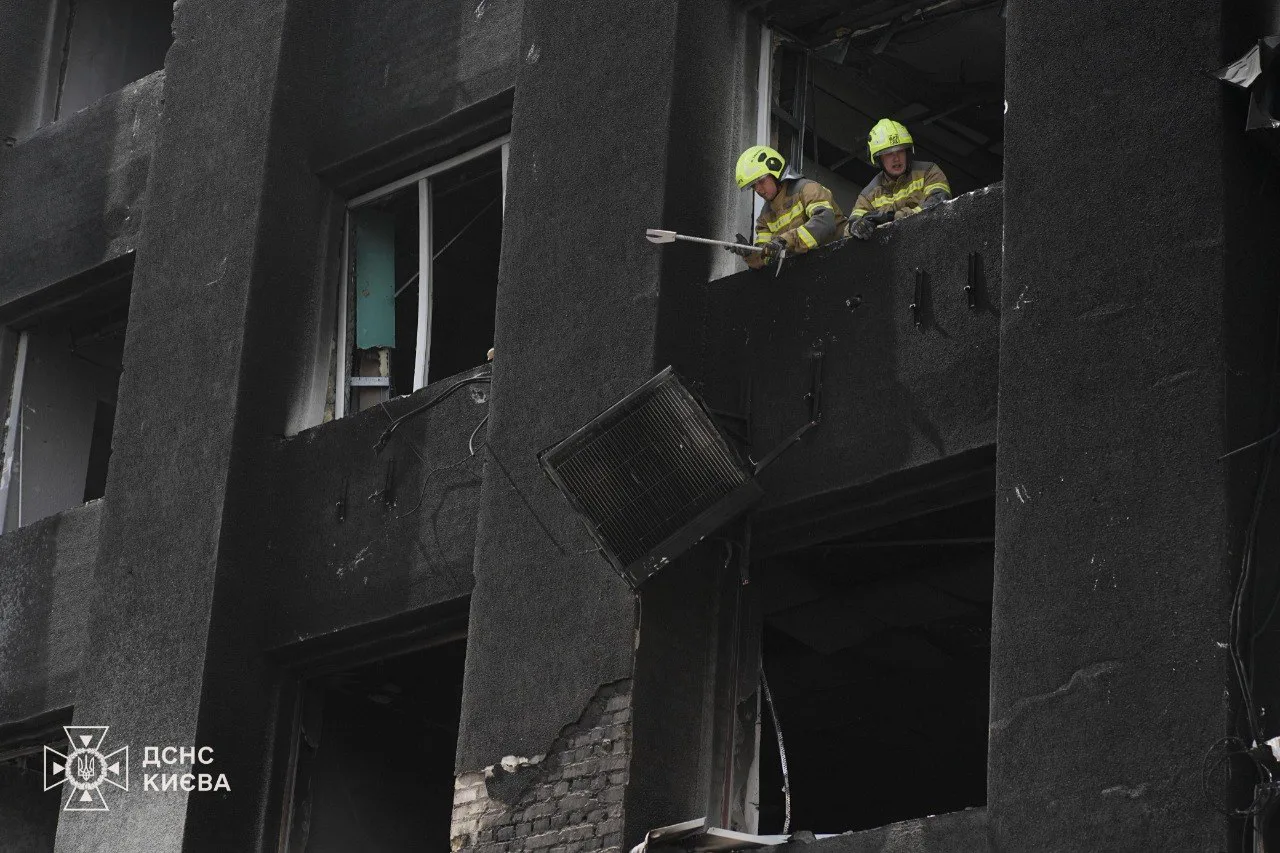
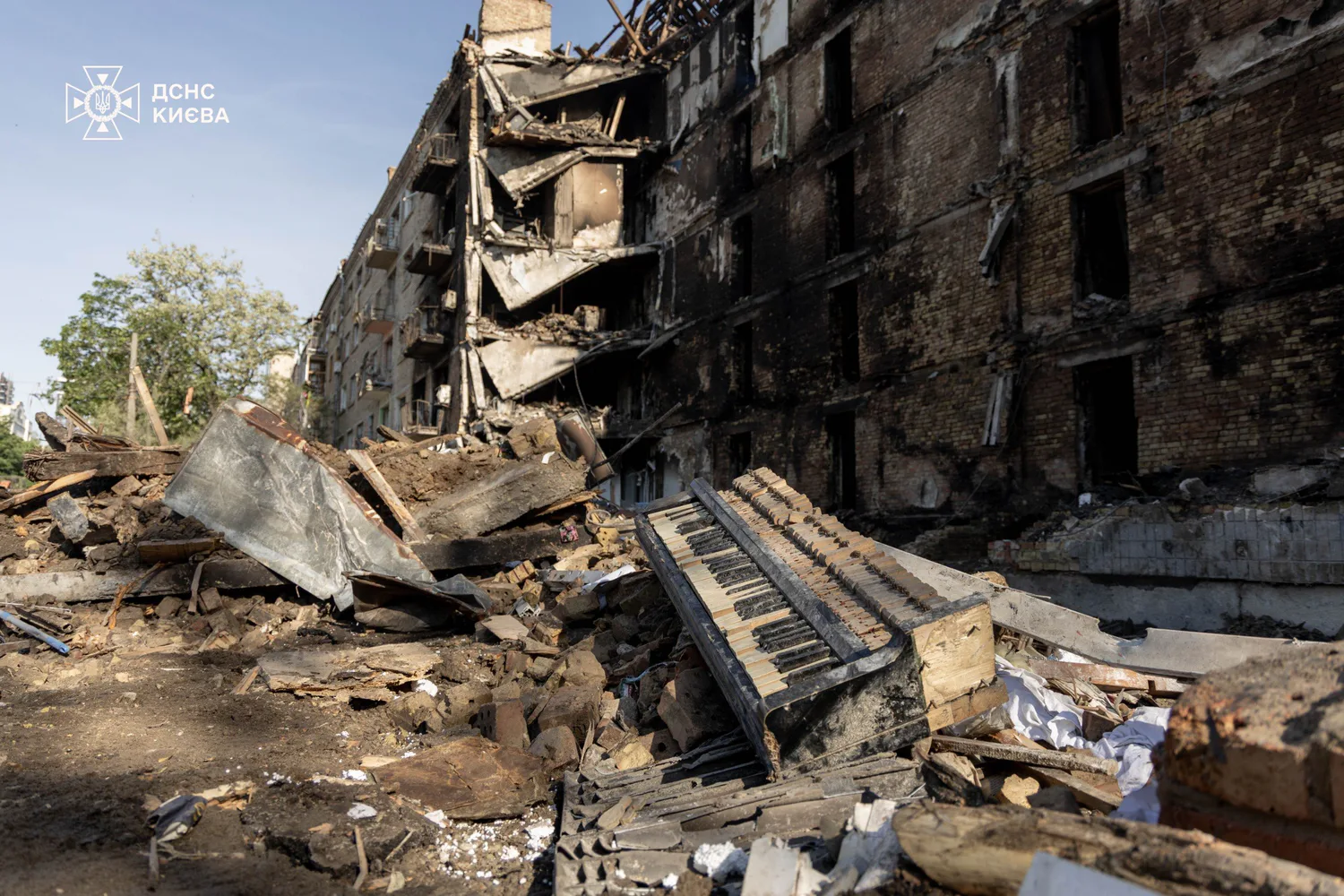
After a night of heavy shelling, the capital has brought critical infrastructure back online. We explain what has been done so far, why water was drained from heating systems, and what this means for residents.

By Tetiana Suchkova-Ladik
January 9, 2026 · 3 min read

Brief
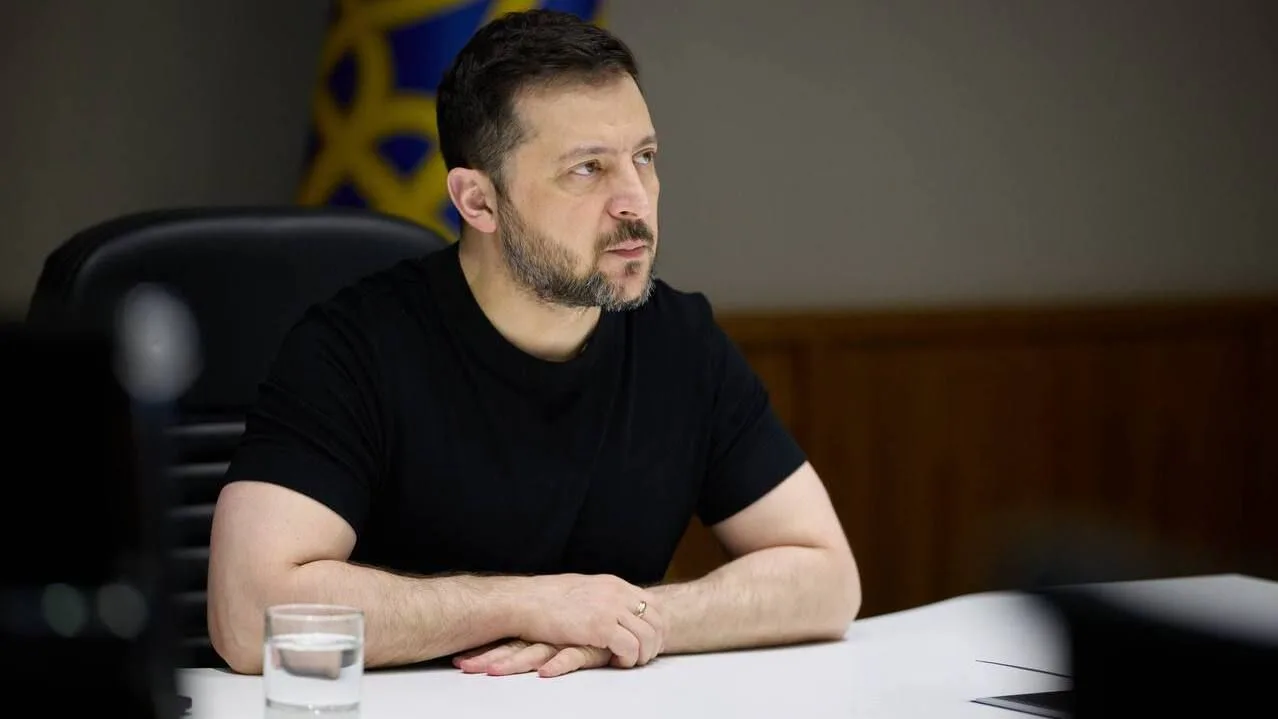
After a massive overnight Russian shelling in Kyiv, water supply has been fully restored. Heating is being restored within 24 hours — however, in some districts where damage is more complex, work will take longer. This was confirmed by the Deputy Prime Minister — Minister for Development of Communities and Territories Oleksiy Kuleba.
"Emergency restoration work is ongoing in Kyiv after the massive overnight Russian strike. Water supply in the capital has been fully restored. Together with the city authorities and the Ministry of Energy, we are working to restore heating in the capital. The situation is difficult; all services are fully engaged."
— Oleksiy Kuleba, Deputy Prime Minister — Minister for Development of Communities and Territories
Why water was drained from heating systems
City authorities and communal services made a technical decision to drain water from heating systems during restoration works. The goal is to minimize the risk of ruptures and damage to internal networks that can occur during sudden power outages or when water in pipes freezes. This preserves the system and allows heating to be restarted quickly and safely when power is stable.
"This is a technical procedure that must be done so that water does not freeze in the pipes. To prevent damage to internal networks in buildings and apartments, and to avoid accidents and burst pipes during outages. This decision preserves the system and, after the restoration of stable power supply, allows heating to be restarted quickly and safely."
— Oleksiy Kuleba, Deputy Prime Minister — Minister for Development of Communities and Territories
Who this matters to and what the consequences are
According to official data, about half of the residential buildings in the capital have been temporarily affected in terms of heat supply: in some parts of the city heating has already been restored to normal operation, while in others repair operations continue. Medical facilities are supplied with heat via mobile boiler units, and to support residents more than 1,200 resilience hubs have been set up where people can warm up and receive basic assistance.
"In some districts of Kyiv, heat will be restored within this 24-hour period. In certain districts where damage is more complex, additional time is needed for restoration. Currently this affects about half of the capital's residential buildings."
— Oleksiy Kuleba, Deputy Prime Minister — Minister for Development of Communities and Territories
Mayor Vitali Klitschko reported that heating is planned to be supplied to some buildings already this evening, once the relevant technological work and network checks are completed.
Situation in the regions
In Dnipropetrovsk region, heating and water supply have also been almost fully restored — work remains in some parts of Kryvyi Rih where repair measures continue. The Deputy Prime Minister stressed the need for readiness of communities and emergency services: alternative power sources, stocked reserves and coordinated actions remain key for rapid response.
What residents should do
First, rely on official information from city authorities and services — this reduces the risk of drawing incorrect conclusions. Second, if you have no heat or water, find out the coordinates of the nearest resilience hub; medical and social services are working to support the most vulnerable groups. Third, keep electronic and telephone contacts of emergency services at hand — this saves time if the situation worsens.
Conclusion
Restoring water supply is an important step in stabilizing the capital's lifelines after the shelling. Technical measures, such as draining water from heating systems, are taken deliberately to protect networks and people. The next task is to speed up repairs where damage is most severe and to turn temporary logistics (mobile boiler units, resilience hubs) into routine support for communities until infrastructure is fully restored.
Question for tomorrow: will it be possible to accelerate restoration in the most damaged districts and how will procedures for protecting critical infrastructure change to minimize such risks in the future?