Kyiv drained water from the heating system after a massive attack — a temporary technical measure, not a permanent loss of heating
After the nighttime shelling, the Kyiv City State Administration confirmed the draining of water from building systems — a standard measure during freezing temperatures aimed at protecting the networks. We examine why this is done, the scale of the damage, and what residents should do.

By Tetiana Suchkova-Ladik
January 9, 2026 · 2 min read

What happened
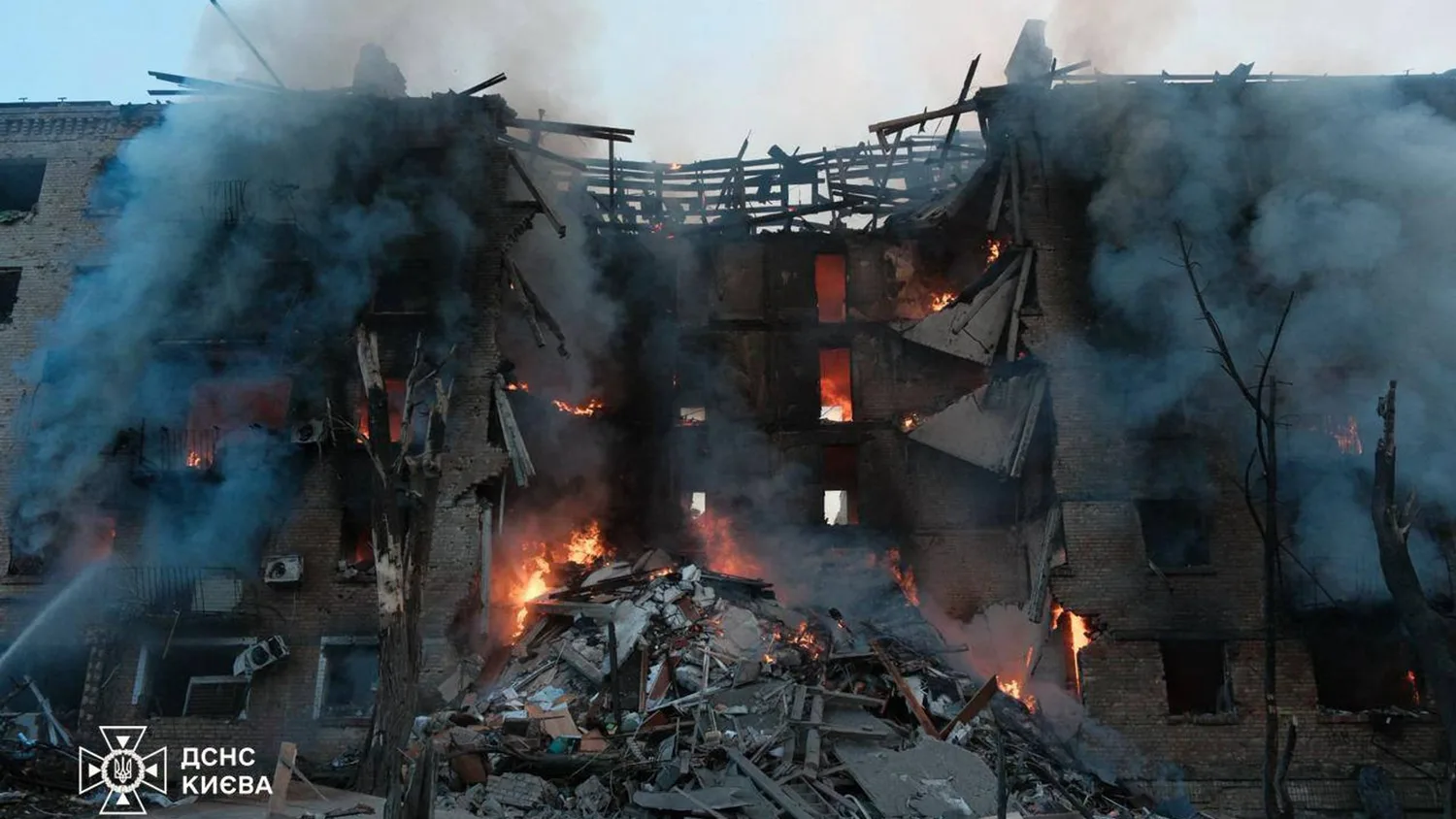
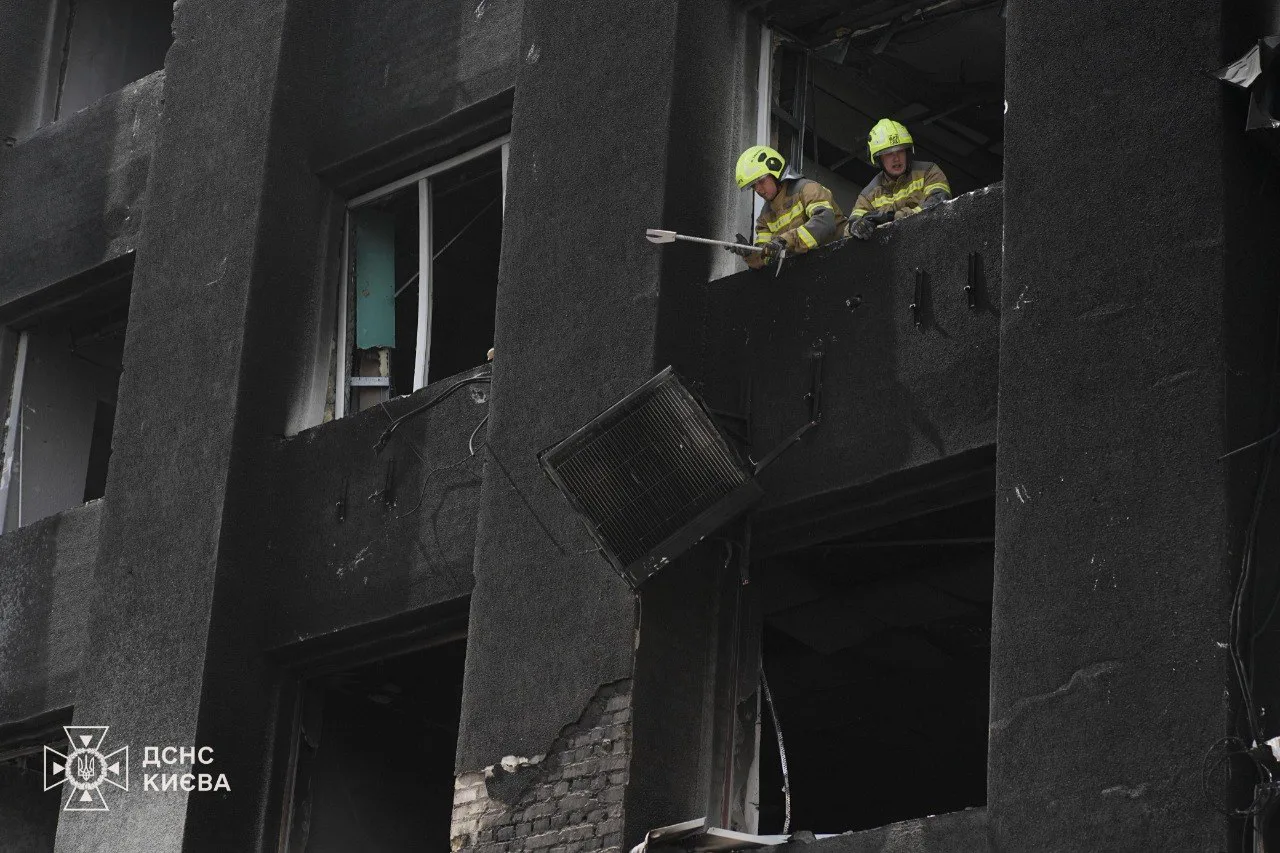
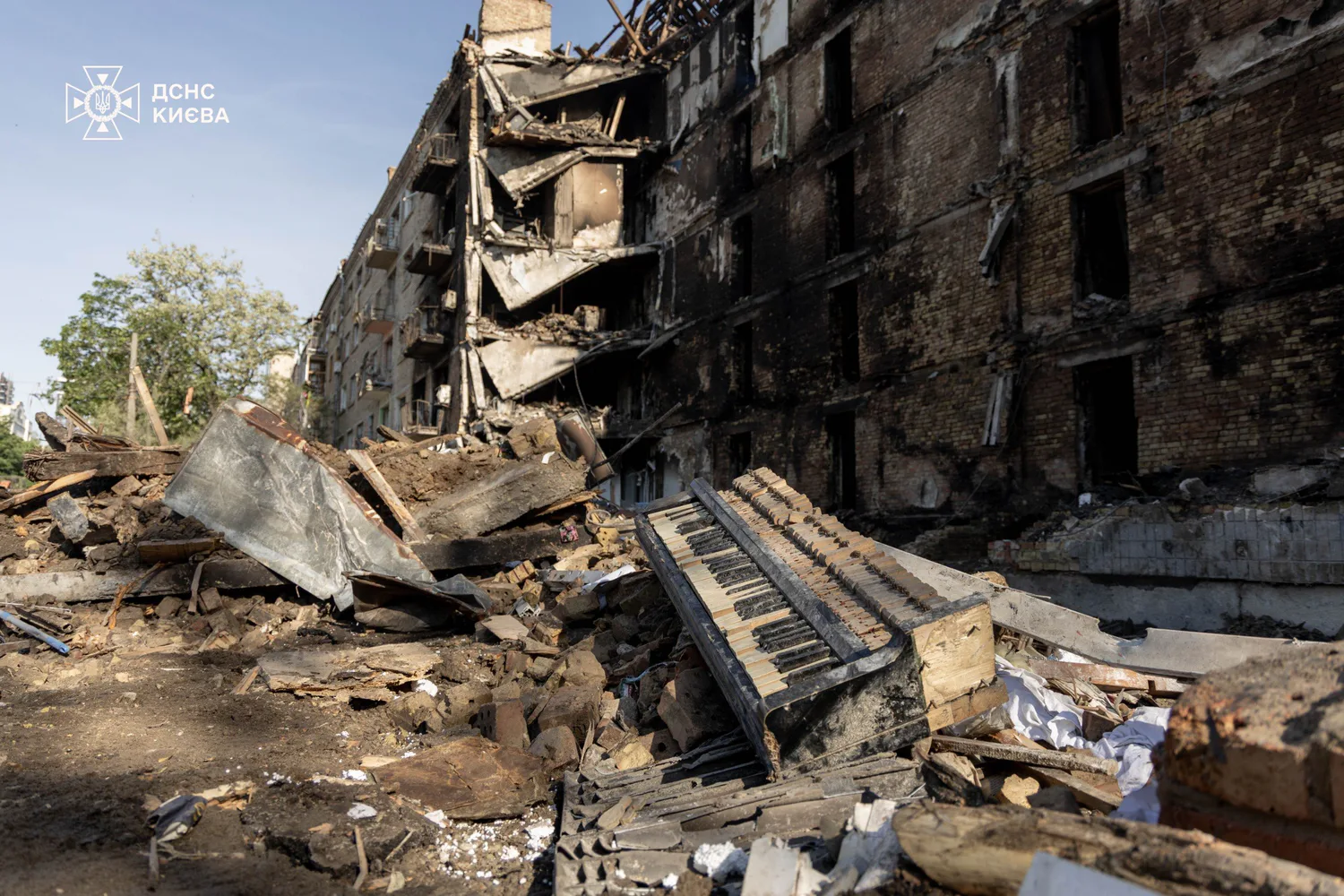
After a massive combined strike during the night of January 9, Kyiv recorded damage to elements of critical infrastructure. As a result, about half of the capital’s apartment buildings — approximately 6,000 addresses — were temporarily left without heat supply. According to the Kyiv City State Administration (KCSA), in some buildings the heating systems were promptly drained of water.
Why they drain the water: a simple technical explanation
When circulation of the heat-transfer fluid stops in freezing temperatures, water left in the pipes can freeze and burst the network or equipment. Draining is a precautionary step that prevents larger damage and speeds up the recovery of systems after repairs. As the KCSA emphasized, this is standard practice prescribed in the Rules for the Technical Operation of Thermal Installations and Networks and is applied during emergencies in cold weather.
“Draining water is a standard technical measure in sub-zero temperatures and does not imply a prolonged loss of heat.”
— KCSA
Scale of the attack and its consequences
According to city authorities, overnight the enemy launched about 36 missiles of ballistic and cruise types at Kyiv and nearly 250 drones. Energy workers and municipal services are operating in emergency mode, eliminating damage and restoring heat, power and water supply.
“As a result of damage to elements of critical infrastructure, a significant portion of residential and other buildings were temporarily left without supply. Water was promptly drained from the building systems in these buildings to protect pipelines from damage while heat restoration continues.”
— KCSA
What residents need to know and do
First, draining does not mean a prolonged loss of heat — in most cases it is a temporary measure needed to avoid worse consequences. Authorities are assessing the damage and repairing networks; restoration can take from several hours to a day, depending on the complexity of the damage.
Second, act through official channels: check KCSA messages, local condominium associations (OSBB) or emergency crews. If water was drained in your building, coordinate with the maintenance service on the procedure for returning the heat-transfer fluid and the steps to take when restarting the system to avoid water hammer or leaks.
Context and outlook
The technical measures by the district heating utilities signal that city services are working according to plan during the crisis. This does not resolve systemic infrastructure security issues, but it reduces long-term damage. Next steps are key — rapid damage assessment, prioritizing repairs and coordination with energy companies and partners to speed up the restoration of services.
The situation remains tense but controlled: how quickly Kyiv residents return to normal depends on the effectiveness of actions by municipal and energy workers. Follow official updates and help one another — this practical solidarity most accelerates recovery.