Kyiv Region on Generators: Energy System Under Attack — Rescuer Killed, Region Enters Energy-Saving Mode
Because of systematic strikes on heating infrastructure, the Kyiv region is switching hospitals and water utilities to backup power. We look at what this means for residents, how the local protection system operates, and what assistance has already been mobilized.

By Tetiana Suchkova-Ladik
February 7, 2026 · 2 min read

The head of the Kyiv Regional Military Administration, Mykola Kalashnyk, reported a critical state of the region’s power system after a series of attacks on thermal infrastructure. These are not isolated damages: due to targeted strikes, the electricity shortage will remain acute in the coming days, and every household, hospital and utility service is already feeling the impact.
To support vital services, the region is switching key facilities — hospitals, boiler houses, water utilities — to backup power: generators and solar power plants are operating around the clock. Authorities have introduced a number of practical restrictions: reduction of street lighting, disconnection of advertising signs, and limits on elevator operation in apartment buildings. Ukrenergo has already announced schedules of power supply restrictions — a direct mechanism that allows prioritizing critical needs.
In response to outages, 530 “Points of Invincibility” are operating openly and accessibly, and curfew requirements have been relaxed so people can more easily reach locations that provide light, heat and communications.
Tragedy during recovery from the attack
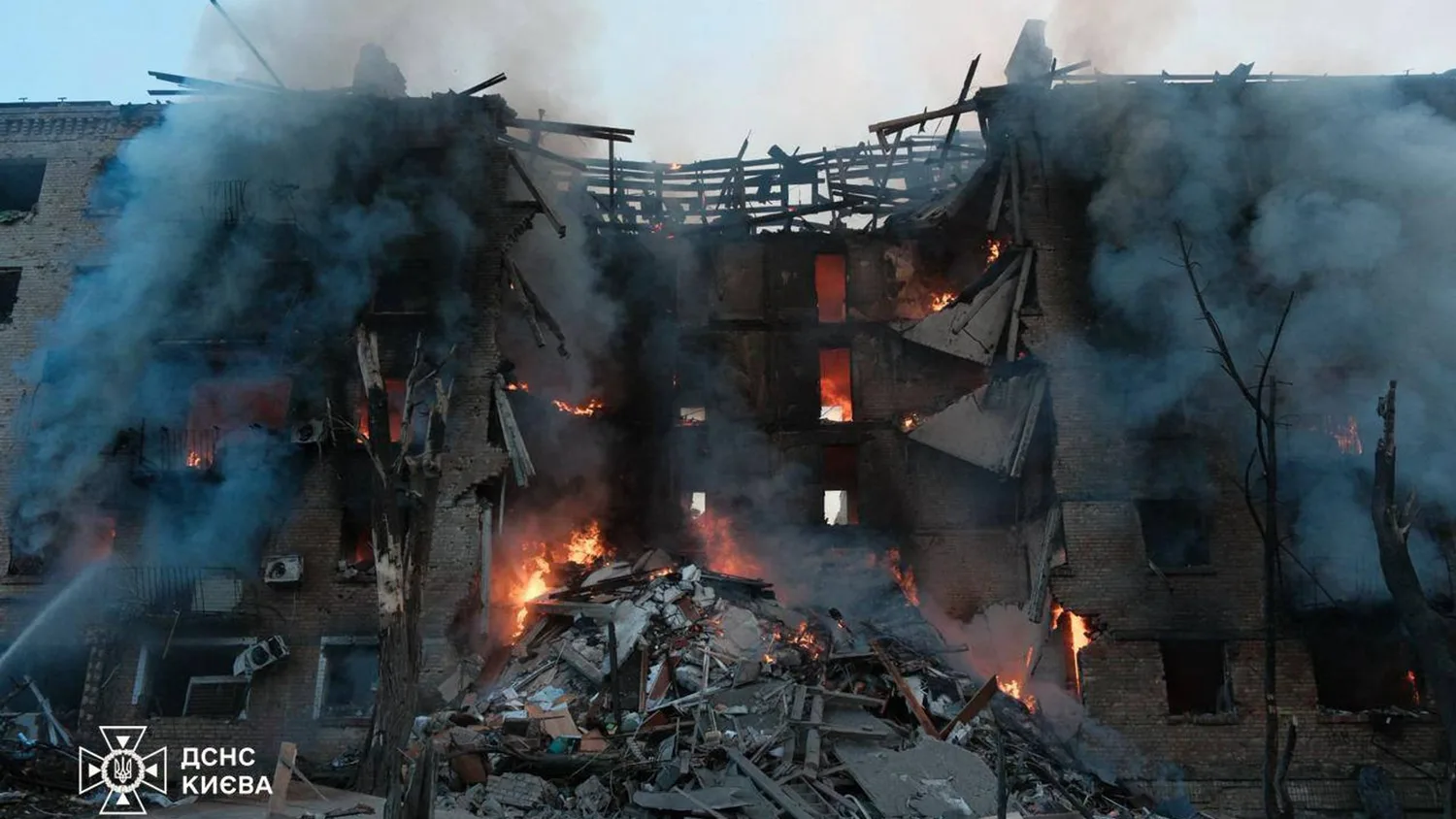
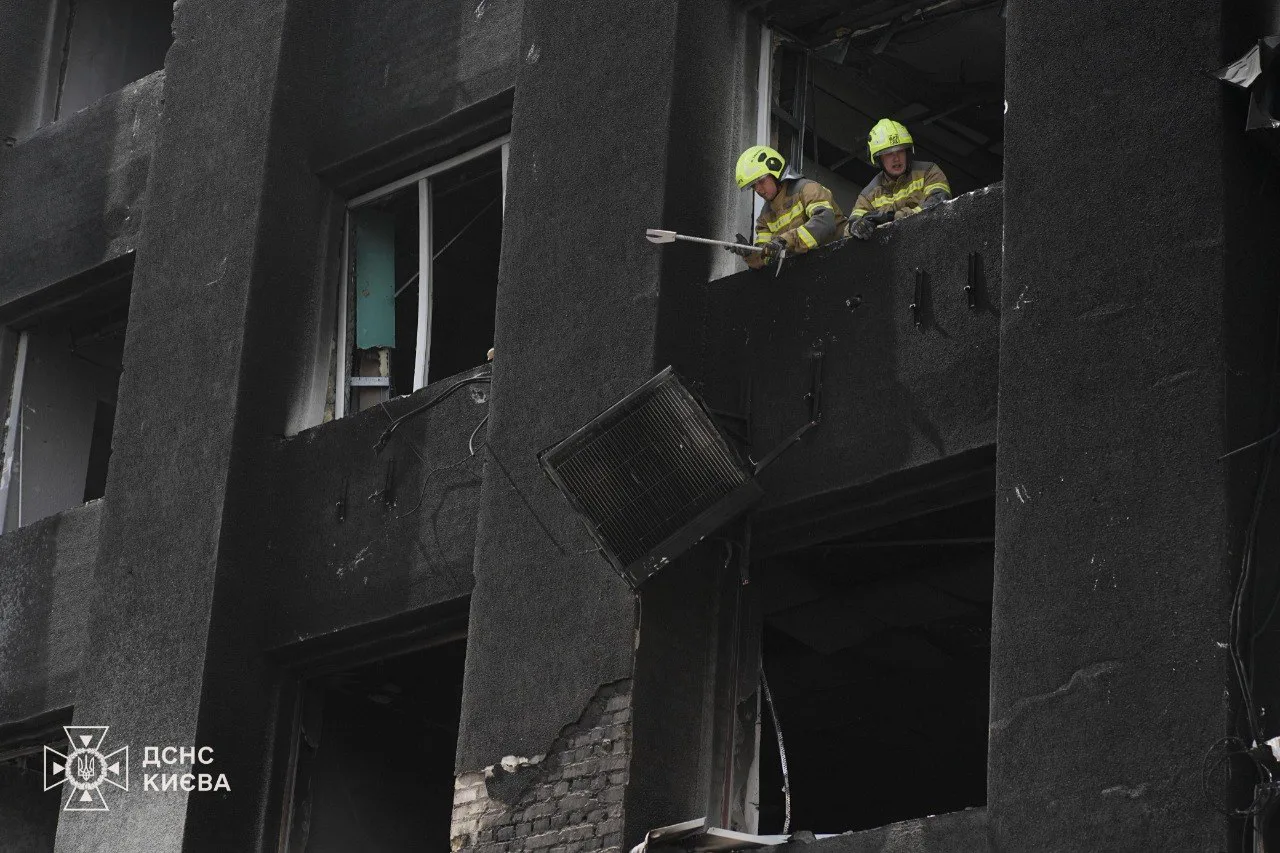
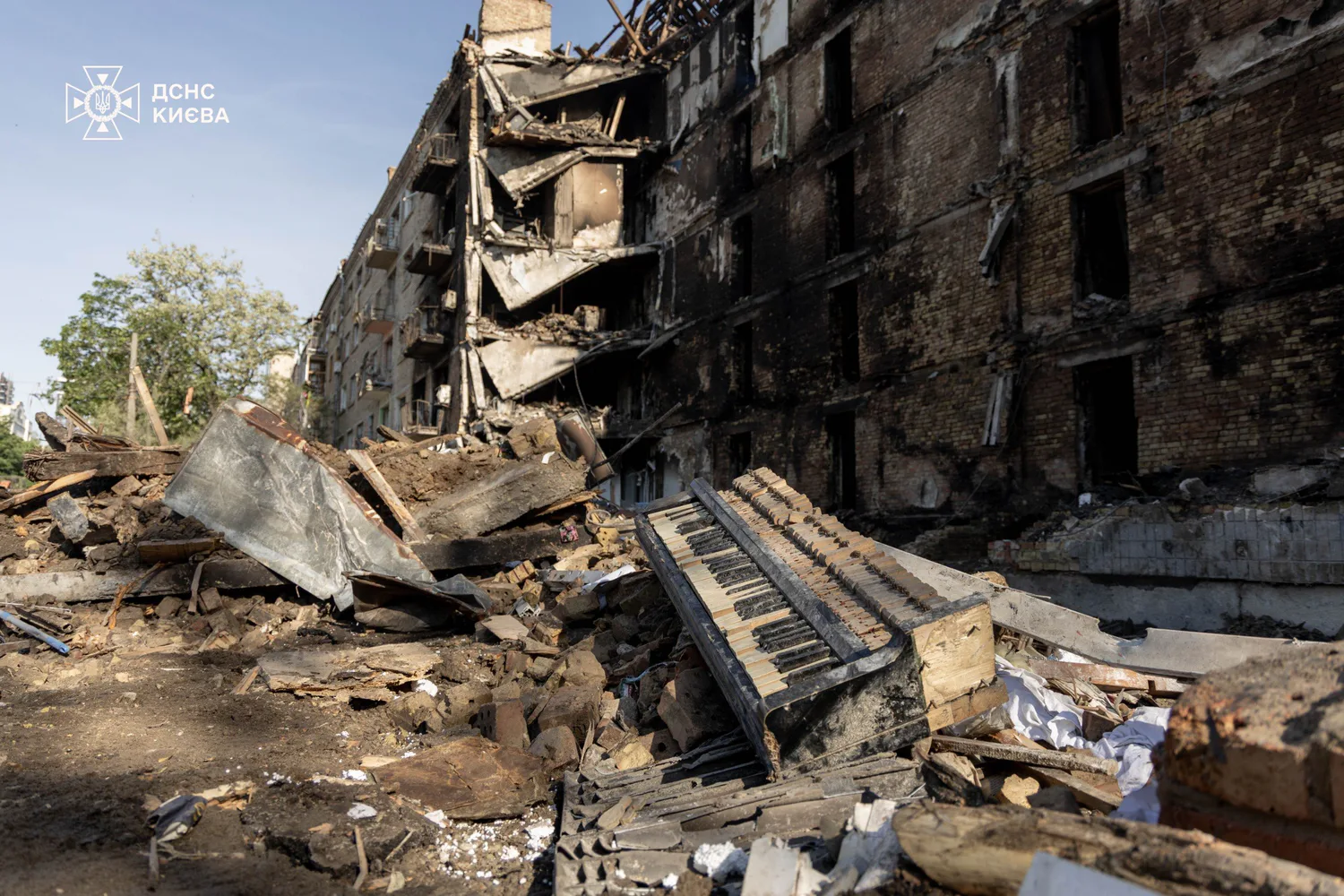
While clearing debris after a nighttime shelling at logistics warehouses in Yahotyn, structural elements collapsed. A rescuer was killed in the incident, and two colleagues were injured — one was hospitalized, the other received on-site treatment. This is a reminder that infrastructure recovery work is often associated with high risk for those who are first to go to the front line of restoration.
"Chief Master Sergeant of the Civil Protection Service Mykhailo Protsenko had been working at the site of the enemy strike since the night. During the elimination of the consequences of the attack a structural collapse occurred — the man sustained fatal injuries."
— Ministry of Internal Affairs of Ukraine
Authorities expressed condolences to the family of the deceased and promised to provide comprehensive support to the injured. Communities have already begun collecting aid for the families of rescuers — an example of local solidarity that offsets delays in centralized assistance.
Social protection and communications
Despite outages, most base stations of mobile operators are equipped with alternative power, so mobile service and the Internet are working, although quality may worsen at peak hours. For the most vulnerable, about 10,000 thermal kits have been prepared, and services regularly provide hot meals to isolated elderly people.
What this means and what to do
Attacks on the energy sector are a strategic attempt to weaken the region’s viability and lower morale. Authorities’ actions are therefore aimed not only at restoring networks but also at minimizing social risks: prioritizing hospitals and water supply, deploying aid points, and improving access for vulnerable groups.
Practical steps for residents: follow Ukrenergo’s schedules, use the “Points of Invincibility,” conserve electricity at home and help neighbors who may be more vulnerable. Analysts and local authorities agree that without additional technical support and international assistance, the restriction schedules may continue.
In the coming days it is important to keep a cool head and take practical steps: technical restoration of infrastructure is ongoing, but much depends on coordinated community actions and the speed of resource delivery. Whether resources and international support will be sufficient to reduce these schedules to a minimum is the key question in the days ahead.