Kyiv metro temporarily changes schedule: trains will run every 10–12 minutes
Due to damage to the power grid caused by shelling, the city has been forced to reduce the number of trains. We explain why this happened, what the authorities are doing, and how to plan trips without unnecessary hassle.

By Tetiana Suchkova-Ladik
January 10, 2026 · 2 min read
What happened
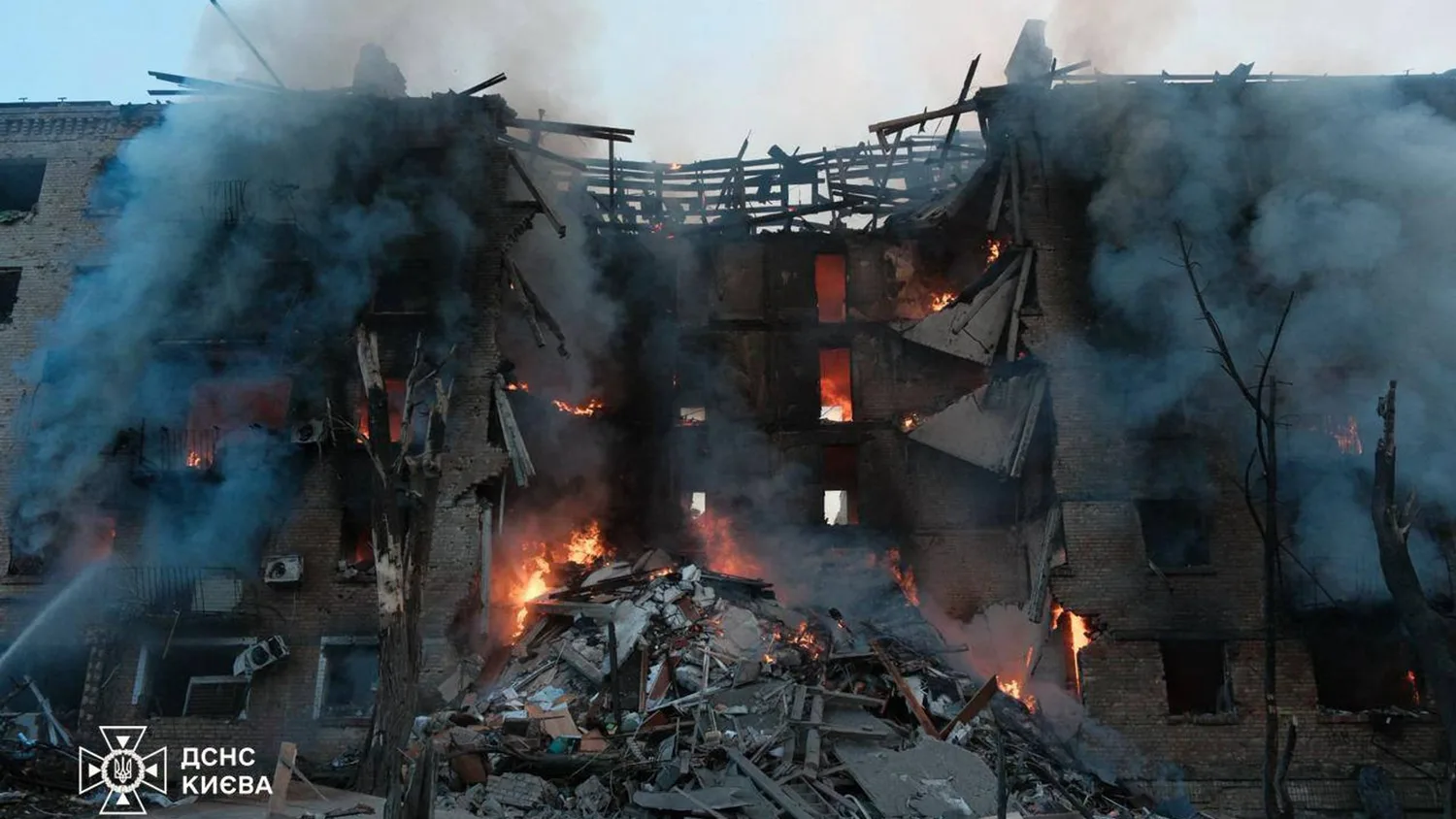
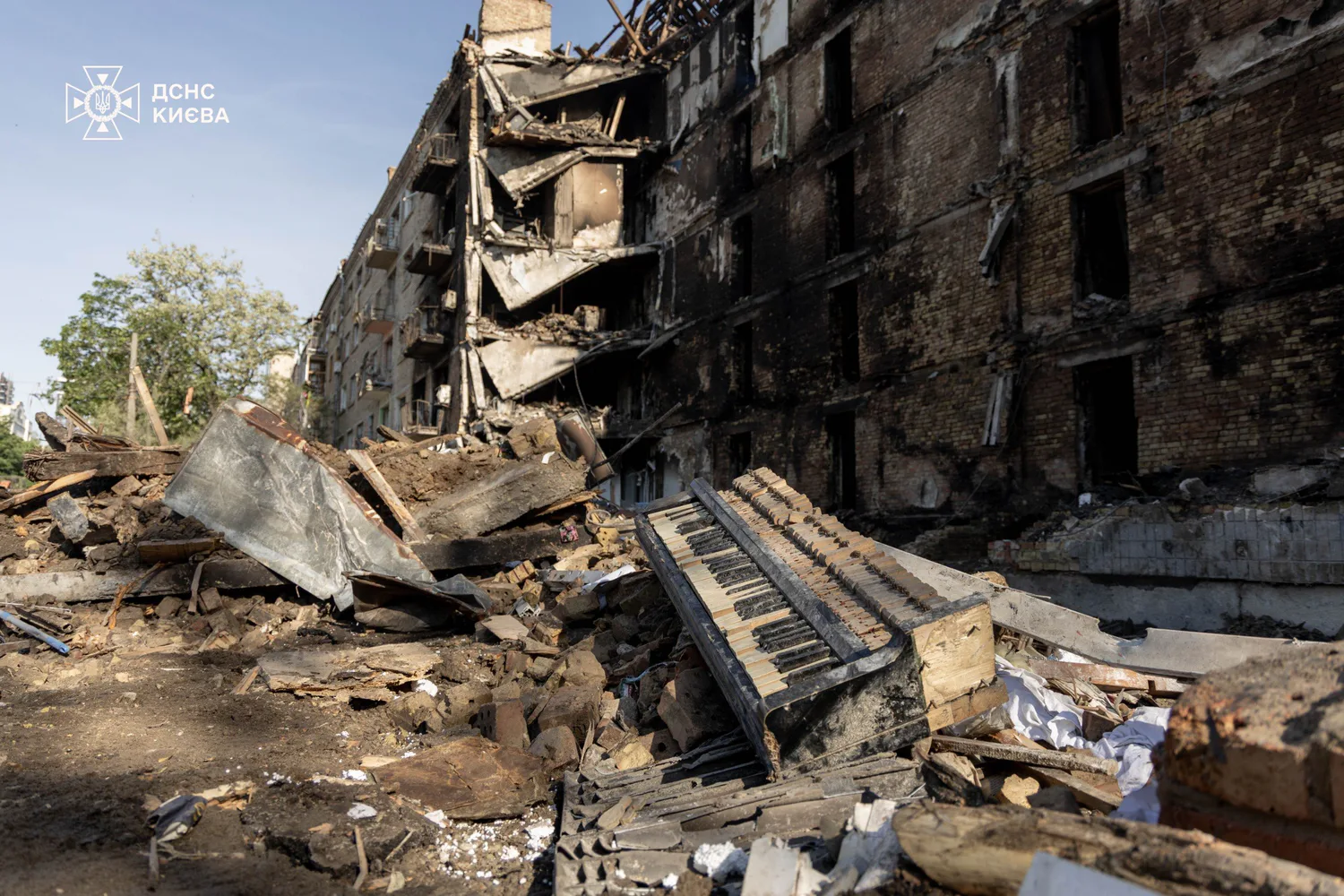
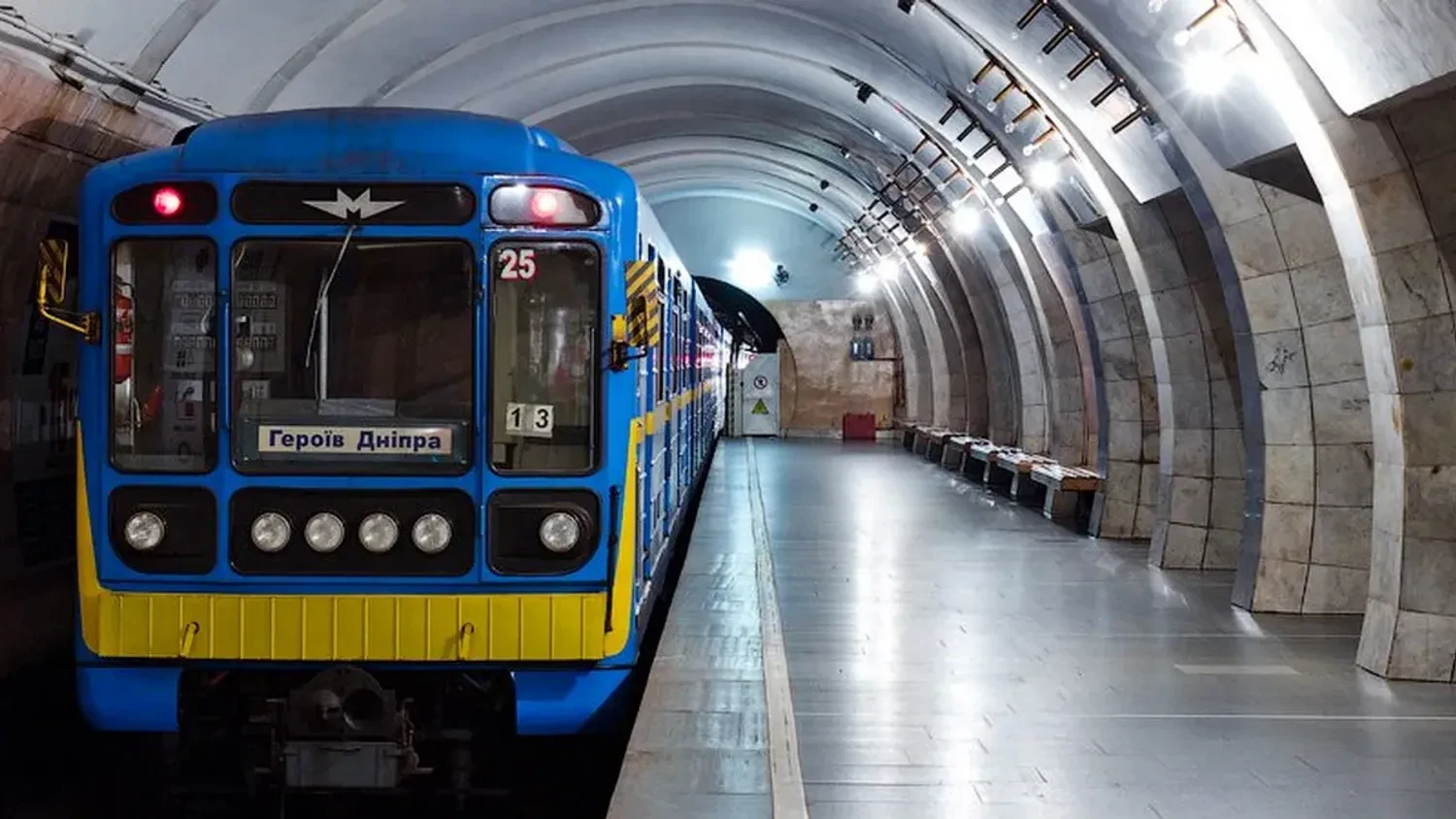
The Kyiv Metro has temporarily reduced the number of trains on all three lines. Waiting time will be 10–12 minutes, the Kyiv City State Administration (KMDA) reported (source: UNN). The decision is related to the difficult energy situation in the city following enemy shelling.
Due to the difficult energy situation in the city caused by hostile Russian shelling, the Kyiv Metro has been forced to reduce the number of trains on the lines. At present, the waiting time for a train on all three lines will be 10–12 minutes
— KMDA
Why it matters
Reducing service frequency is not just an inconvenience. It is part of managing the load on the power grid aimed at preserving critical infrastructure and avoiding emergency outages. Experts in energy and transport systems emphasize: short-term service reductions allow consumption to be lowered during peak hours and leave reserves for hospitals, utilities, and other essential services.
What passengers should do
Plan extra time for trips and follow official channels of the KMDA and the metro. If possible, consider alternatives: walking routes, bicycles, or replacement buses. The city is already deploying additional routes to substitute for halted electric transport.
How the city is compensating for the reduction in service
Due to the suspension of electric transport on the left and right banks, replacement bus routes are being introduced. In particular, to replace the Borshchahivka high-speed tram, a bus route No. 3‑T has been organized. The metro continues to operate, but with extended intervals.
KMDA also reported that passengers will be promptly informed when the energy situation stabilizes and usual weekend intervals — 5–6 minutes — can be resumed.
Brief summary
This is a temporary adaptation of the transport system to external pressure on the energy system. If the energy situation stabilizes, intervals will return to their usual values. For now, the wisest plan for Kyiv residents is to allow extra travel time and use replacement routes when possible. Whether these temporary measures will suffice for a longer period depends on the speed of power-grid restoration and the effectiveness of service coordination.