Kyiv restores power after overnight Russian attack: 100,000 families reconnected, all districts on temporary schedules
DTEK reported the restoration of electricity for 100,000 Kyiv families after a massive Russian strike. We explain what this means for the city's security and why temporary outage schedules remain important.

By Tetiana Suchkova-Ladik
February 12, 2026 · 1 min read

What happened
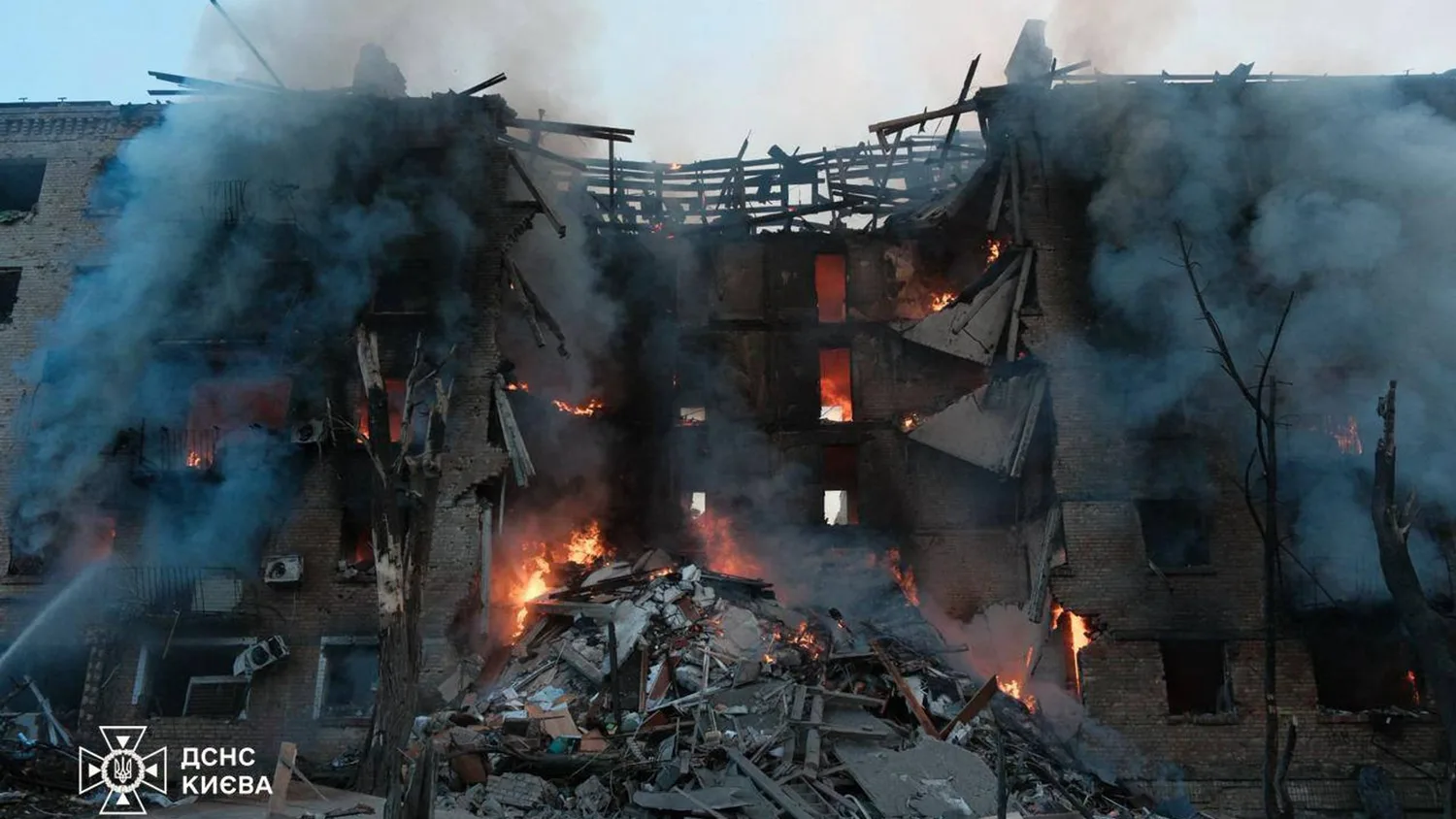
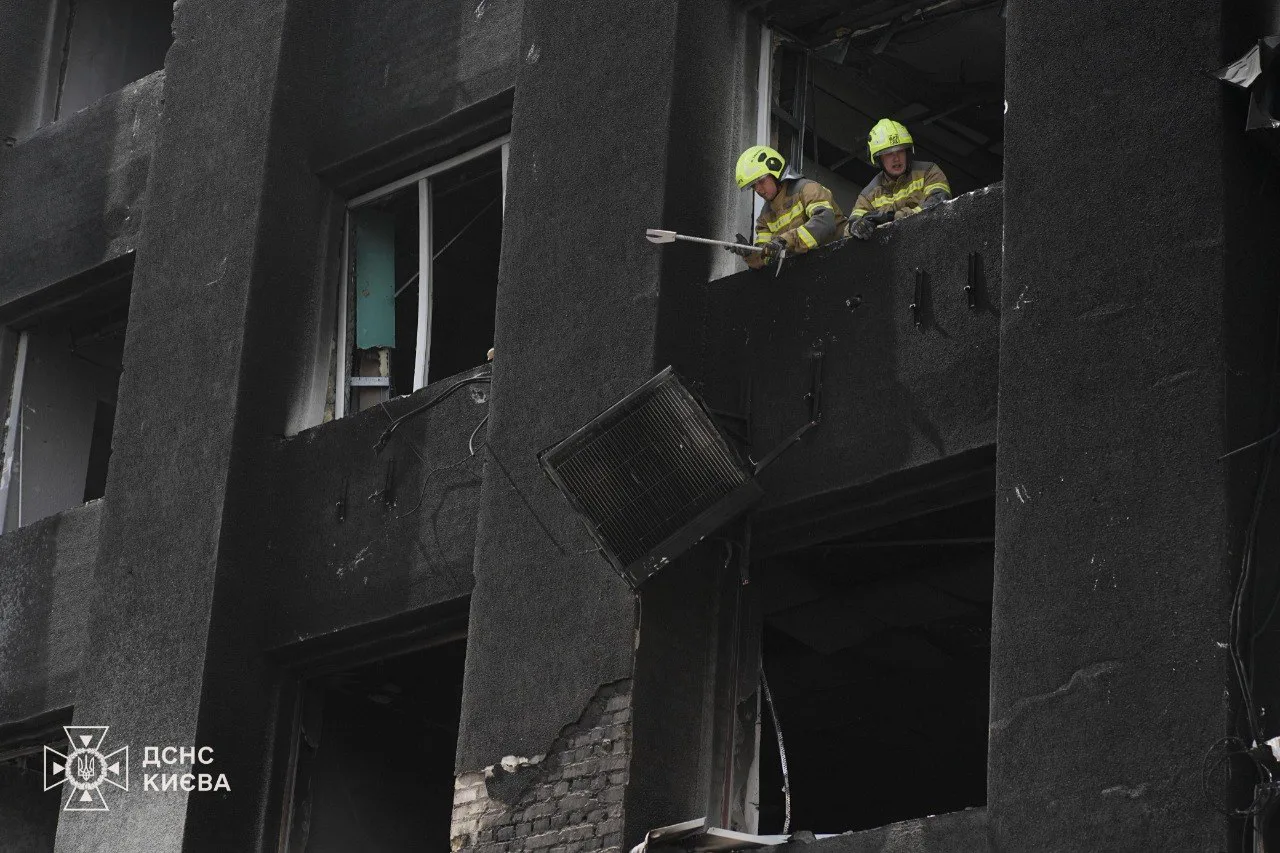
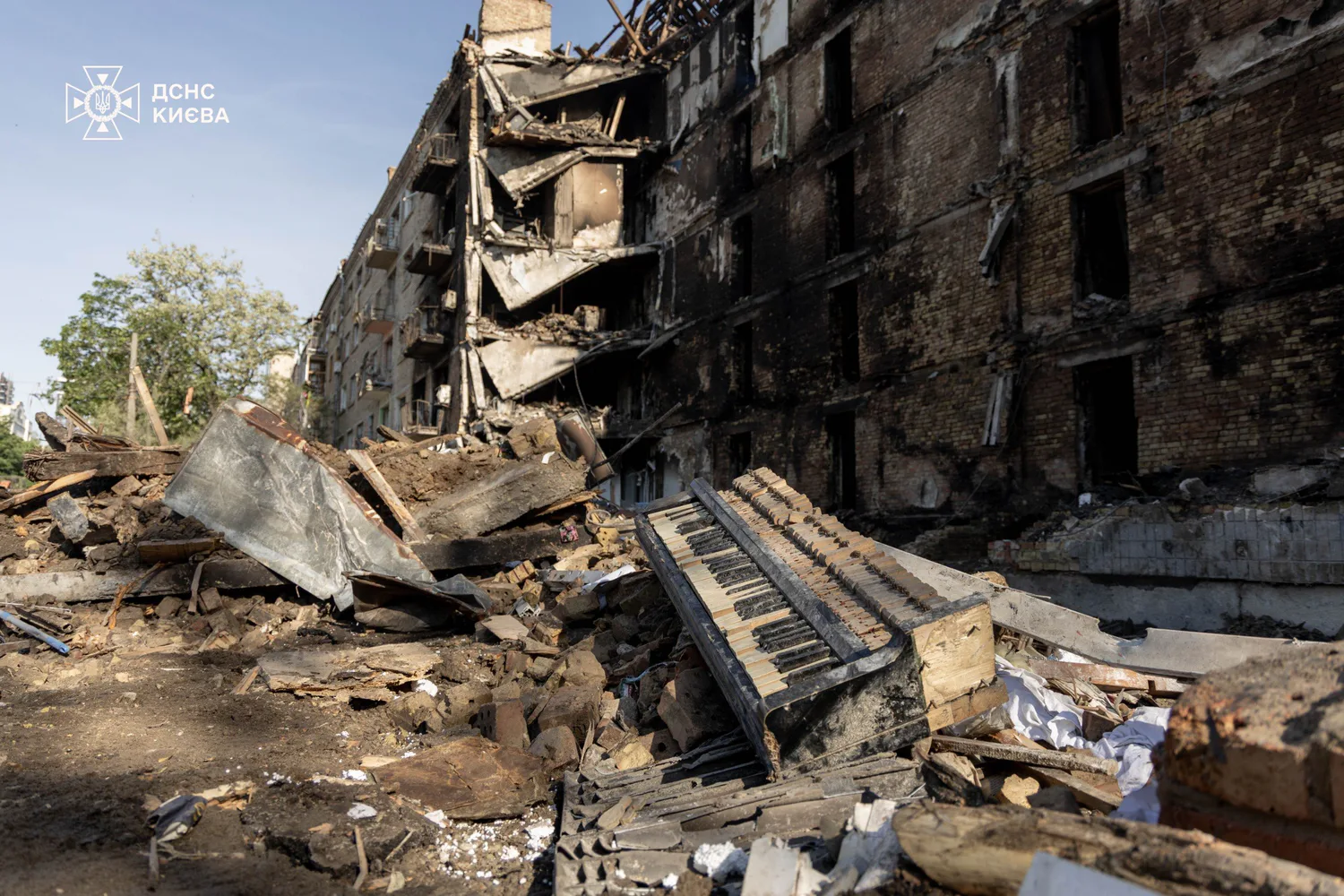
After a massive overnight attack by Russia, DTEK's energy crews restored power to 100,000 families in Kyiv and returned all districts of the capital to temporary outage schedules, UNN reports, citing the company.
In the morning after the strikes, about 107,000 families in the capital remained without power, while earlier partial restoration had returned power to 25,000 families. Due to damage in the Desnianskyi district, emergency outages were implemented, DTEK said.
"Kyiv: energy crews restored power for 100,000 families after a massive attack. Desnianskyi district is returning to temporary schedules."
— DTEK press service
Why it matters
Power supply is not just about comfort. In cold weather, loss of electricity increases the risk to hospitals, water supply systems, communications and the operational capacity of emergency services. Restoring power for this number of families reduces humanitarian pressure and allows stabilization of critical infrastructure operations.
At the same time, returning to temporary schedules means the grid is still operating under strain: the power system is bearing the load but remains vulnerable to further attacks and requires prompt repairs.
What’s next
Market analysts and energy companies point to two key tasks: strengthen rapid repairs and reduce critical facilities' dependence on centralized grids by using backup power sources. For residents, this means being prepared for temporary outages and monitoring official updates from DTEK and city authorities.
Sources: DTEK statements and a UNN report (12.02.26).
Summary
Restoring power to 100,000 families is proof of the crews' rapid response and a temporary relief for Kyiv residents. But temporary schedules are a reminder: the grid is still under pressure. Whether this resilience will hold if the attacks continue is a question for the authorities and partners that requires concrete answers in the coming days.