Kyiv restores power — repair crews and international aid bolster grid resilience, but risks remain
Improvements in power supply in Kyiv and the region are the result of around-the-clock work by repair crews and favorable weather. However, the cold snap and the threat of new strikes keep the power system on heightened alert.

By Tetiana Suchkova-Ladik
February 14, 2026 · 2 min read
Current situation
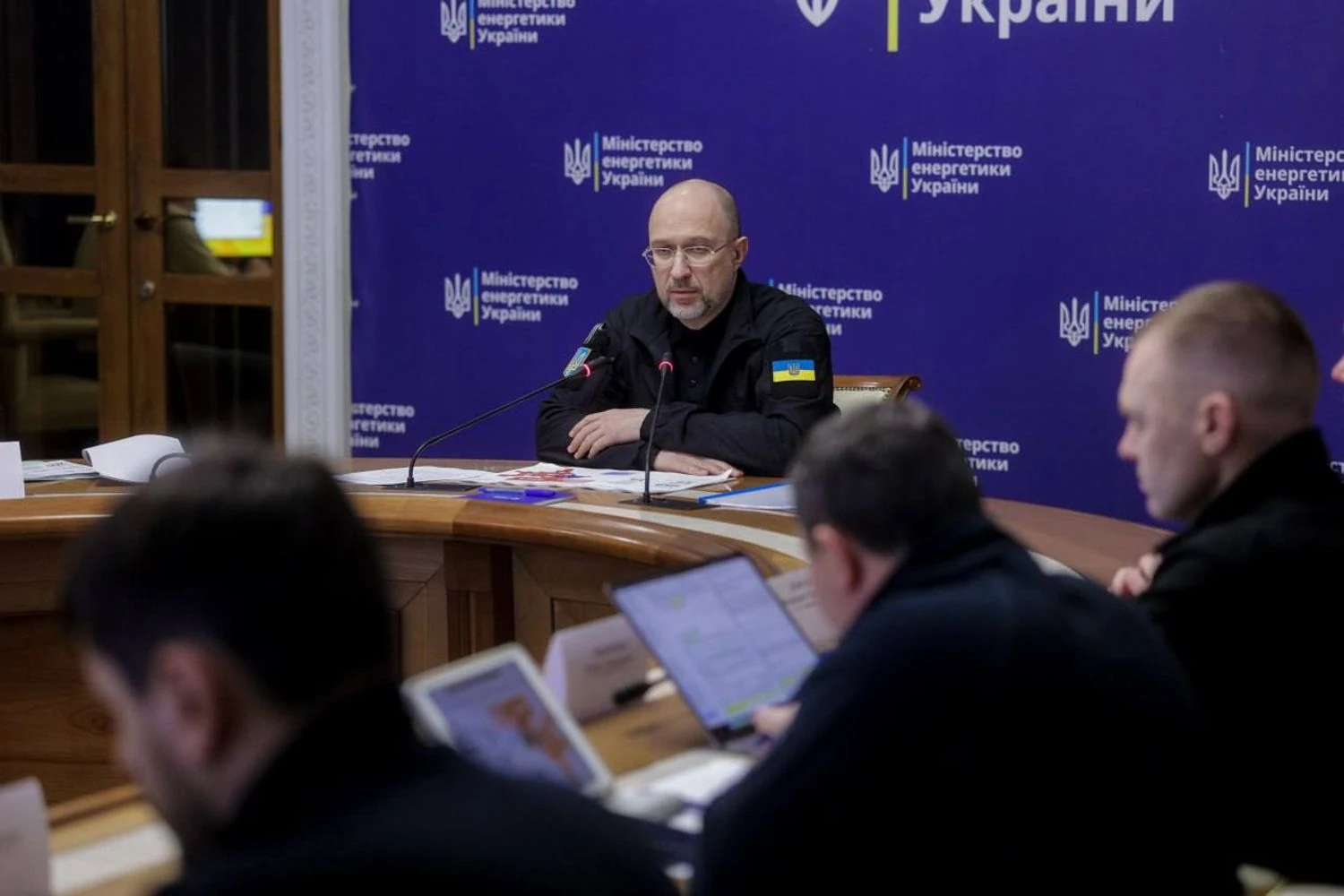
Noticeable improvements in power supply are being recorded in the capital and the Kyiv region — the result of night-and-day work by repair crews and more favorable weather. This was reported by Energy Minister Denys Shmyhal during a meeting of the Headquarters for Eliminating the Consequences of the Emergency Situation, UNN reports.
“In the capital and in the Kyiv region we are seeing a positive trend in power supply thanks to round-the-clock work by repair crews and improving weather conditions”
— Denys Shmyhal, Minister of Energy
According to the head of the ministry, in Kyiv that day load-shedding schedules of up to two rotations were used, while in the region only minimal restrictions are in effect. At the same time, meteorologists forecast a cold snap that will increase consumption, and the threat of further enemy strikes on energy infrastructure remains high.
What is being done now
All relevant services have moved to a heightened readiness mode: repair crews are working around the clock, dispatch centers are adjusting schedules, and energy management is bolstering reserves. A particular emphasis is being placed on developing distributed generation, which reduces the dependence of individual network nodes on large power plants.
“Over the last 24 hours an additional 9 MW of such generation was brought into operation in the Kyiv region. The implementation of these projects is critically important for ensuring the resilience of the capital’s energy system”
— Denys Shmyhal, Minister of Energy
International assistance and initial measures
A key factor in the short-term strengthening of the grid has been supplies and negotiations with partners: an agreement to supply 3 power transformers from Germany and statements by international donors of plans to direct a further €13 million to the Energy Support Fund. This is an example of how technical assistance and financial solidarity increase operational resilience.
“I appealed to G7 countries to step up energy assistance to Ukraine and to strengthen its air defense. Ukraine needs about $15 billion to finance air defense”
— Andriy Sybyha, head of the Ministry of Foreign Affairs of Ukraine
Why this matters: investments in air defense are not only about military security but also about protecting critical infrastructure, including the energy sector. Without adequate air defense, even modernized networks risk losing effectiveness after subsequent strikes.
What this means for Kyiv residents
In the short term — more stable power and fewer outages. In the medium term — the role of distributed generation and imported equipment increases. But the balance is fragile: the cold snap raises demand, and new strikes could quickly push the system back into a critical state.
Targeted gains — 9 MW of generation, three transformers, €13 million — are important but insufficient without large-scale funding for air defense and well-considered investments in network modernization. The question now on partners’ agendas is whether they will turn political support into the equipment and money that will actually keep the grid functioning through the cold months?