Kyiv brings heat back to the left bank: how utility crews are restoring heating after Russia’s devastating shelling
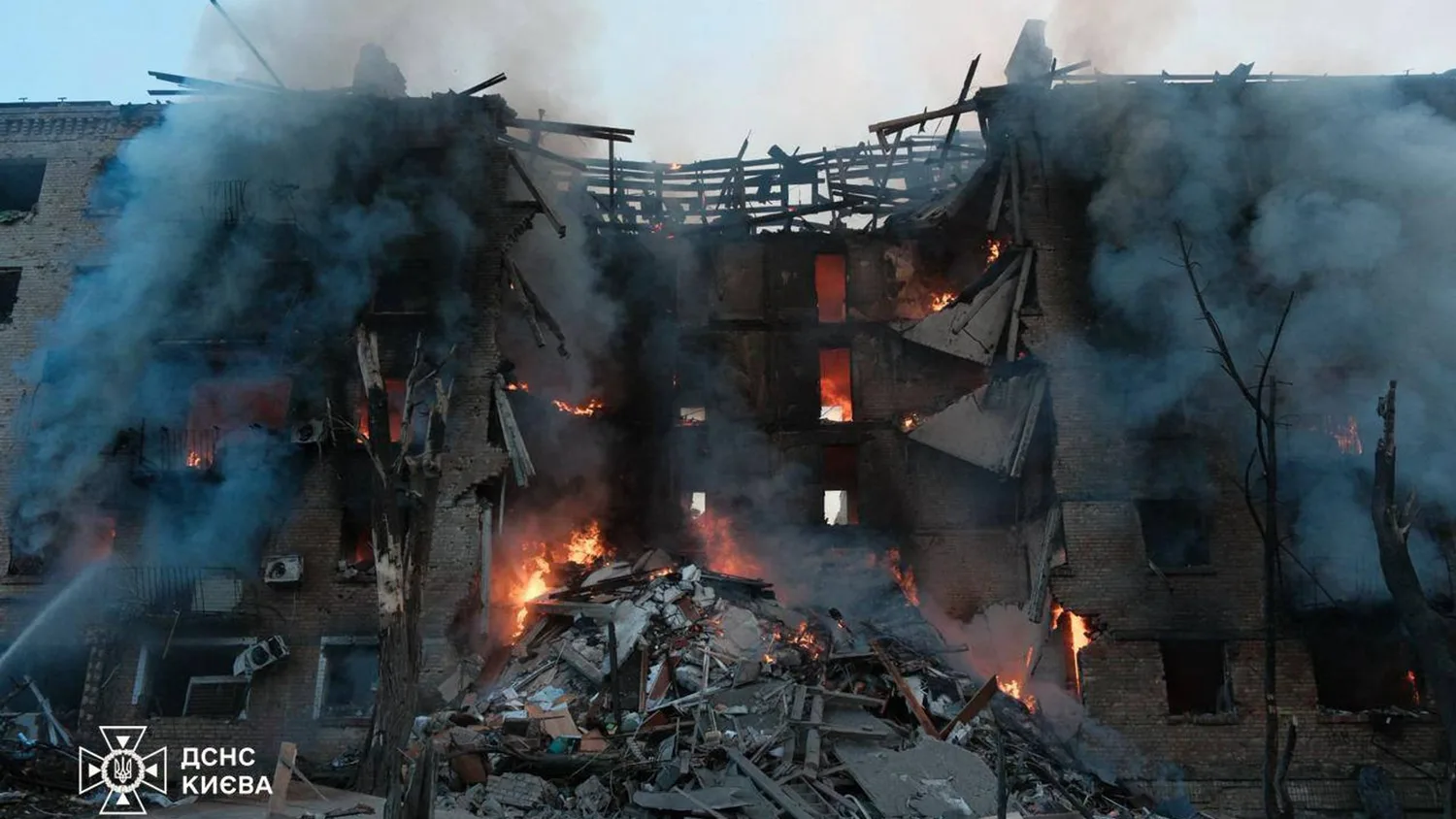
After missile strikes, some apartment blocks in the Dniprovskyi district have already been supplied with heat — utility crews are working around the clock. We explain what has been restored so far, how many buildings remain without heating, and why this matters for residents (according to the city hall and UNN).

By Tetiana Suchkova-Ladik
February 26, 2026 · 2 min read

Brief
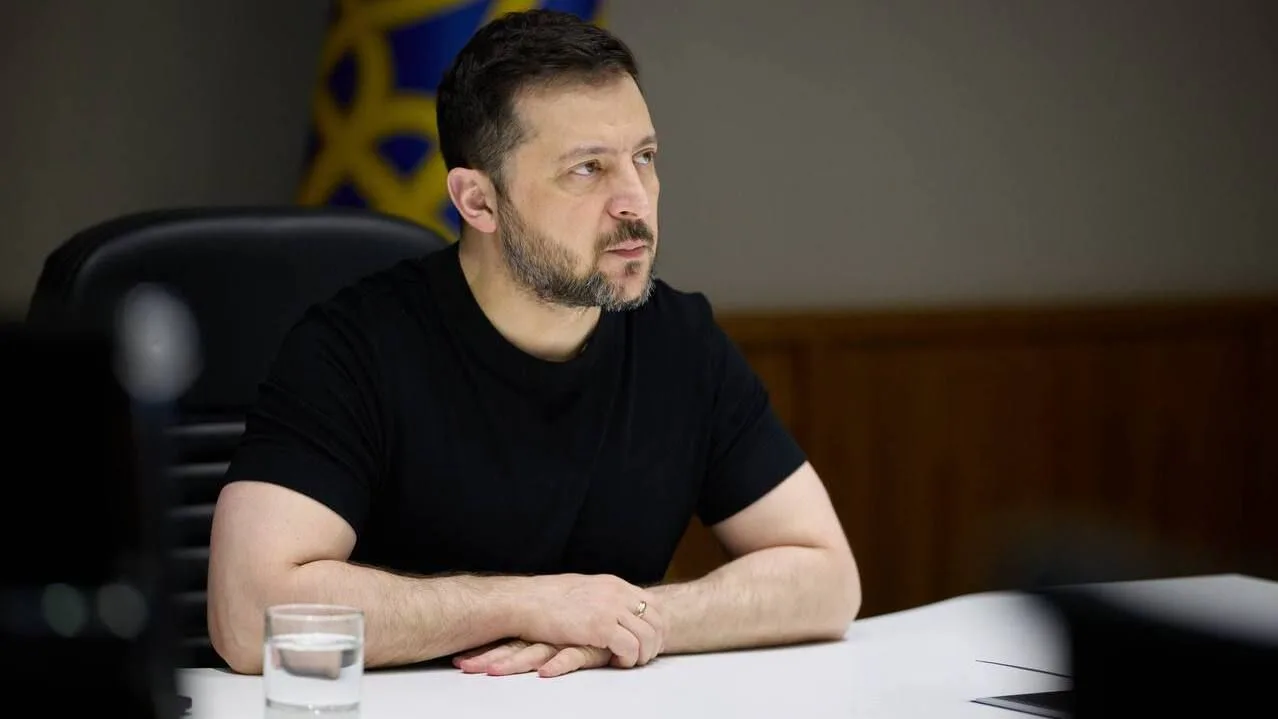
In Kyiv’s Dniprovskyi district, heat has begun to be restored to some apartment buildings that were left without heating after recent devastating Russian shelling, Mayor Vitali Klitschko reported on Telegram. Work continues even at night — priorities are set by the scale of the damage and the safety of the crews.
“Heat has begun to be restored to some houses in the Dniprovskyi district that were without heating after the recent devastating enemy shelling”
— Vitali Klitschko, mayor of Kyiv
What was restored and the figures
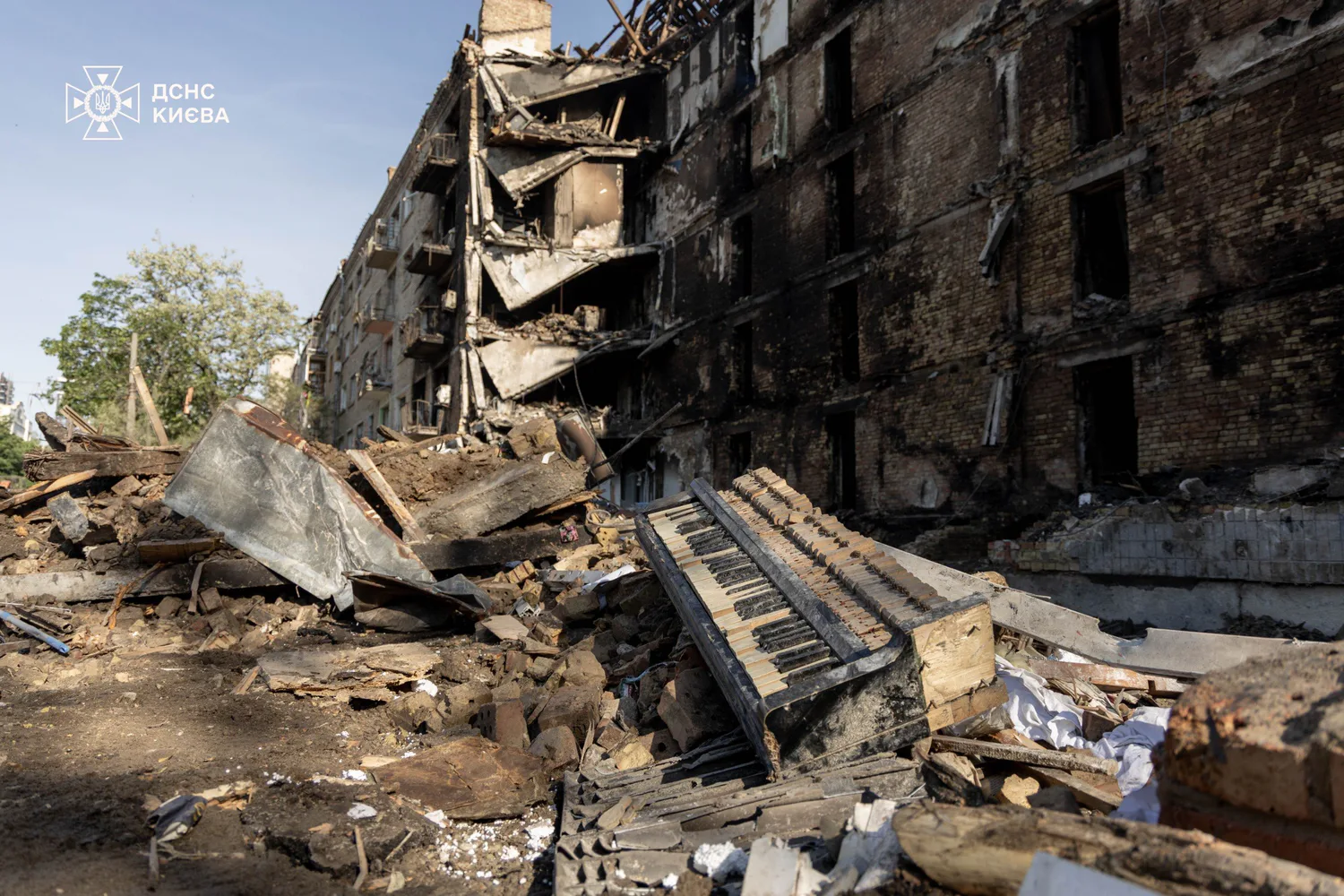
According to the city administration and UNN, on 12 February about 3,700 buildings in Kyiv were left without heating after the attack. Some of these buildings are in the Dniprovskyi district on the left bank; earlier more than 1,100 apartment buildings in the Desnianskyi and Darnytskyi districts had problems due to previous shelling. As of 16 February, roughly 1,500 buildings in the city remained without heating, and in about 1,100 buildings restoration was temporarily impossible because of extensive damage.
How restoration is proceeding
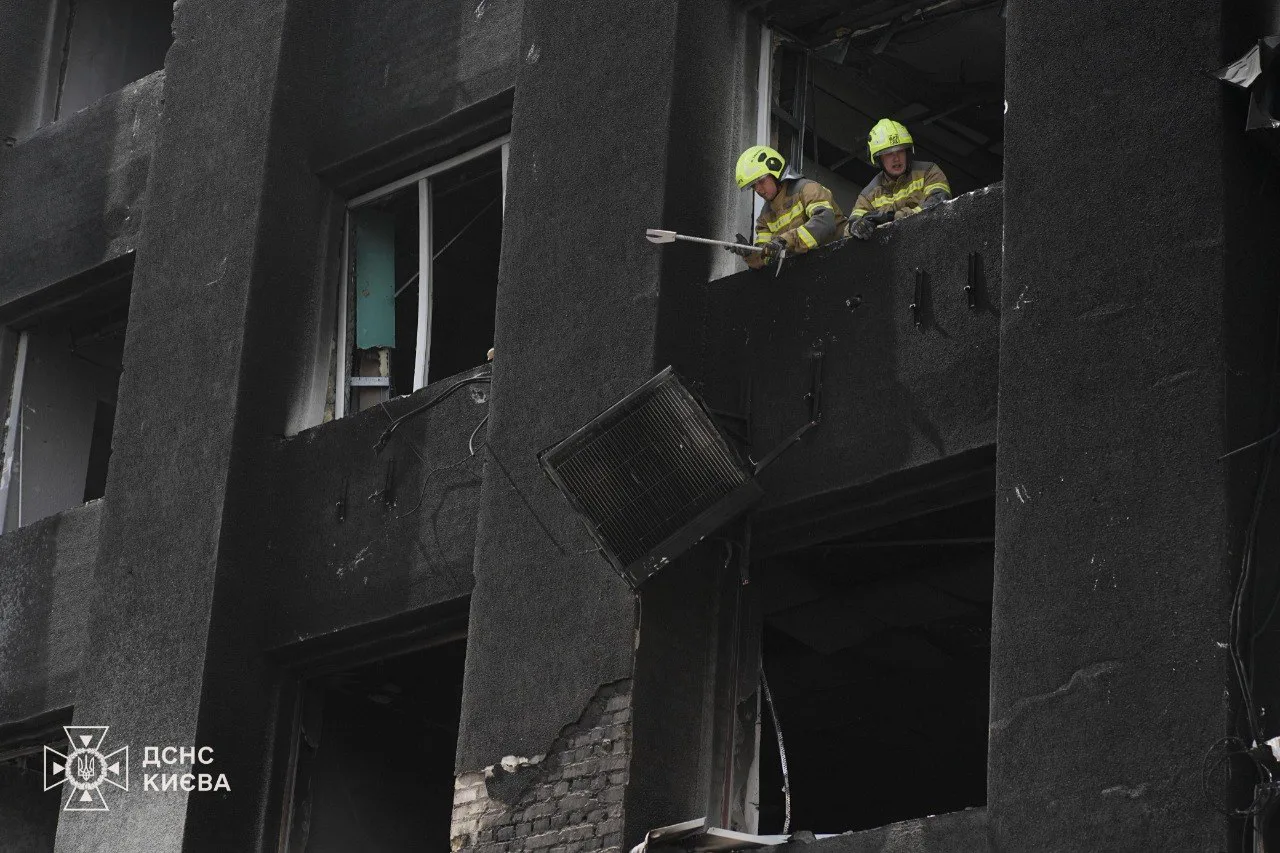
The work includes inspection of network damage, replacement of pipeline sections, repair of heating systems and the commissioning of boiler houses. City authorities say crews are working around the clock, but the speed of recovery depends on safe access to damage sites, availability of spare parts and the condition of infrastructure after the strikes.
Energy specialists and municipal workers interviewed by the editorial team note that the rapid return of heating to some buildings is proof of the readiness of emergency services and the availability of material and technical reserves. At the same time, full restoration of more complex damage may take days or weeks.
What this means for residents and what to expect
The restoration of heat to the first homes is an important signal for residents: it is not only about comfort but also safety (preserving heating systems and preventing internal networks from freezing). However, a large portion of the work still lies ahead, and the pace of recovery will depend on access for specialized equipment, weather conditions and the networks’ resilience to repeated strikes.
The key question now is whether resources will be sufficient and whether coordination between city authorities, energy providers and government services will be maintained to bring the system into a stable mode by the end of the heating season.
Further updates will come from the mayor’s office and operational reports from emergency crews: the number of families that will still be waiting for heat over the coming days depends on their pace.