Kyiv in the cold: 1,500 homes without heating, 1,100 apartment blocks cannot be quickly restored
After another round of attacks, part of the capital remains without heat. We explain why some buildings cannot be reconnected right now, what repair crews are doing, and what this means for residents.

By Tetiana Suchkova-Ladik
February 16, 2026 · 2 min read

While crews work — hundreds of families wait for heat
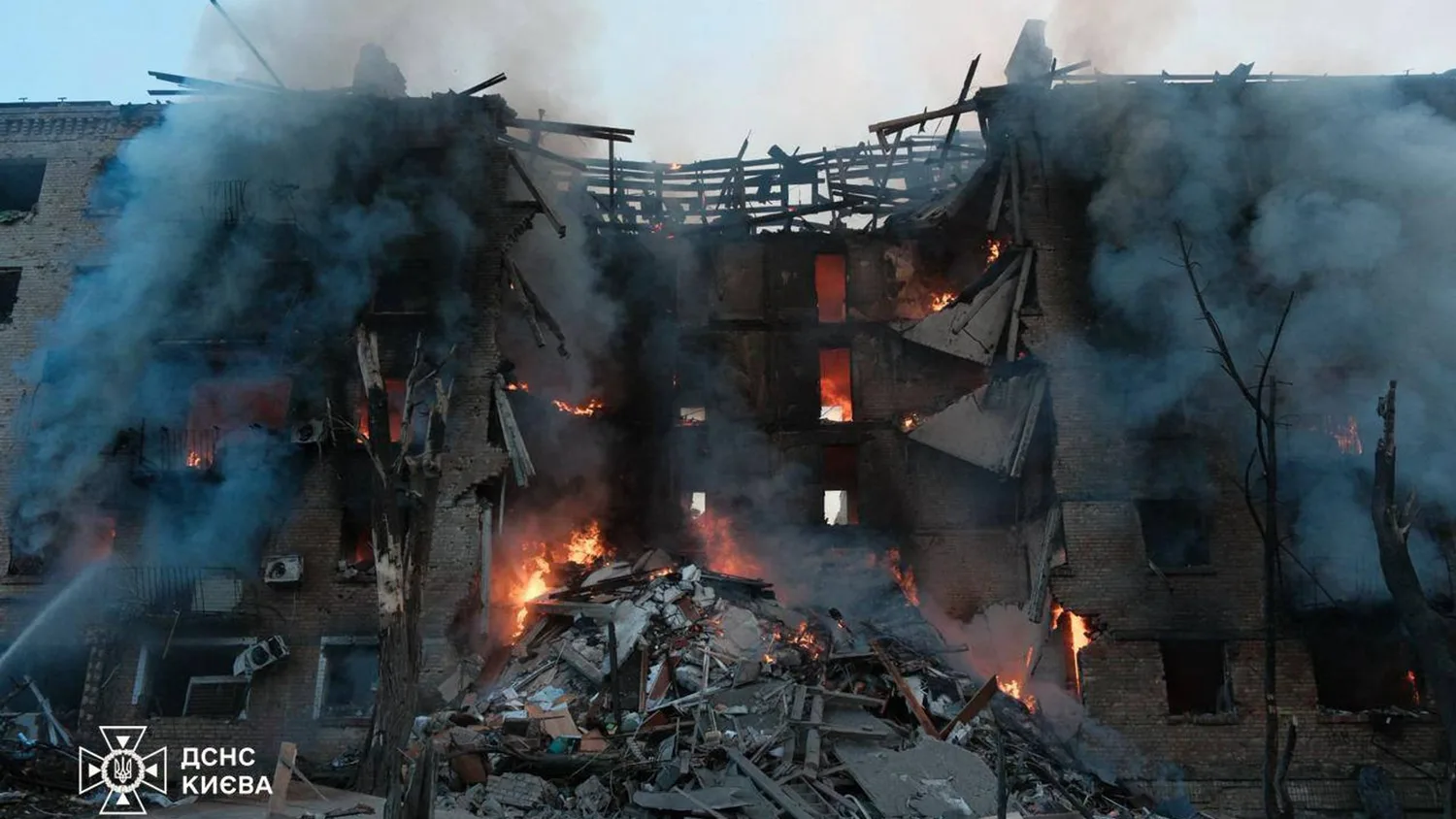
In Kyiv, currently about 1,500 buildings remain without heating. Of that number, roughly 1,100 apartment blocks in the Dniprovskyi and Darnytskyi districts temporarily cannot receive heat due to critical damage to an infrastructure facility that supplied the heating medium, KMVA spokeswoman Kateryna Pop said on the telemarathon (source: UNN/KMVA).
Why the numbers look confusing
The city energy headquarters lists several categories of outages: after the nighttime attacks there were about 2,600 restoration requests, some of which have already been reconnected — “as of the morning about 400 buildings remained without a heating supply,” Pop said. Separately are multi-storey buildings where the boiler house or main heat pipeline was directly damaged — these cannot simply be reconnected until the critical infrastructure facility is restored.
"As of 9 a.m., out of 2,600 buildings without a heating supply, 400 remained. But 1,100 apartment blocks in the Dniprovskyi and Darnytskyi districts are also without heat after recent strikes — there, because of critical damage to the facility that provided the heating medium, it is currently impossible to supply it."
— Kateryna Pop, KMVA spokeswoman (quote from the broadcast, UNN)
What authorities and repair crews are doing
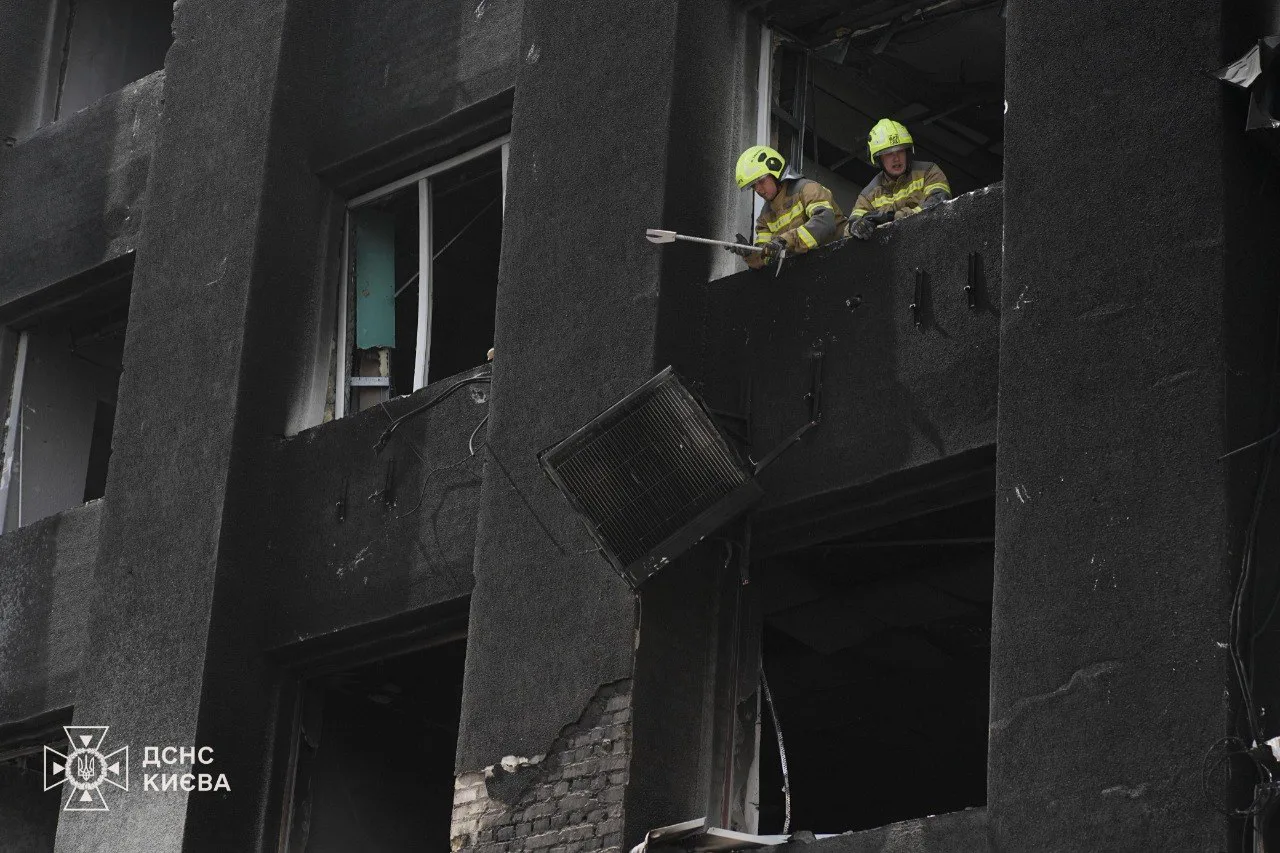
According to the city, more than 200 repair crews are working to restore the heating supply. Some buildings have been provided with electricity for longer periods so residents can use alternative heating methods during peak load hours — in the morning and evening. In addition, there are local faults in apartments and building entrances: another roughly 200–300 buildings have internal damage that also needs to be fixed.
Context and consequences
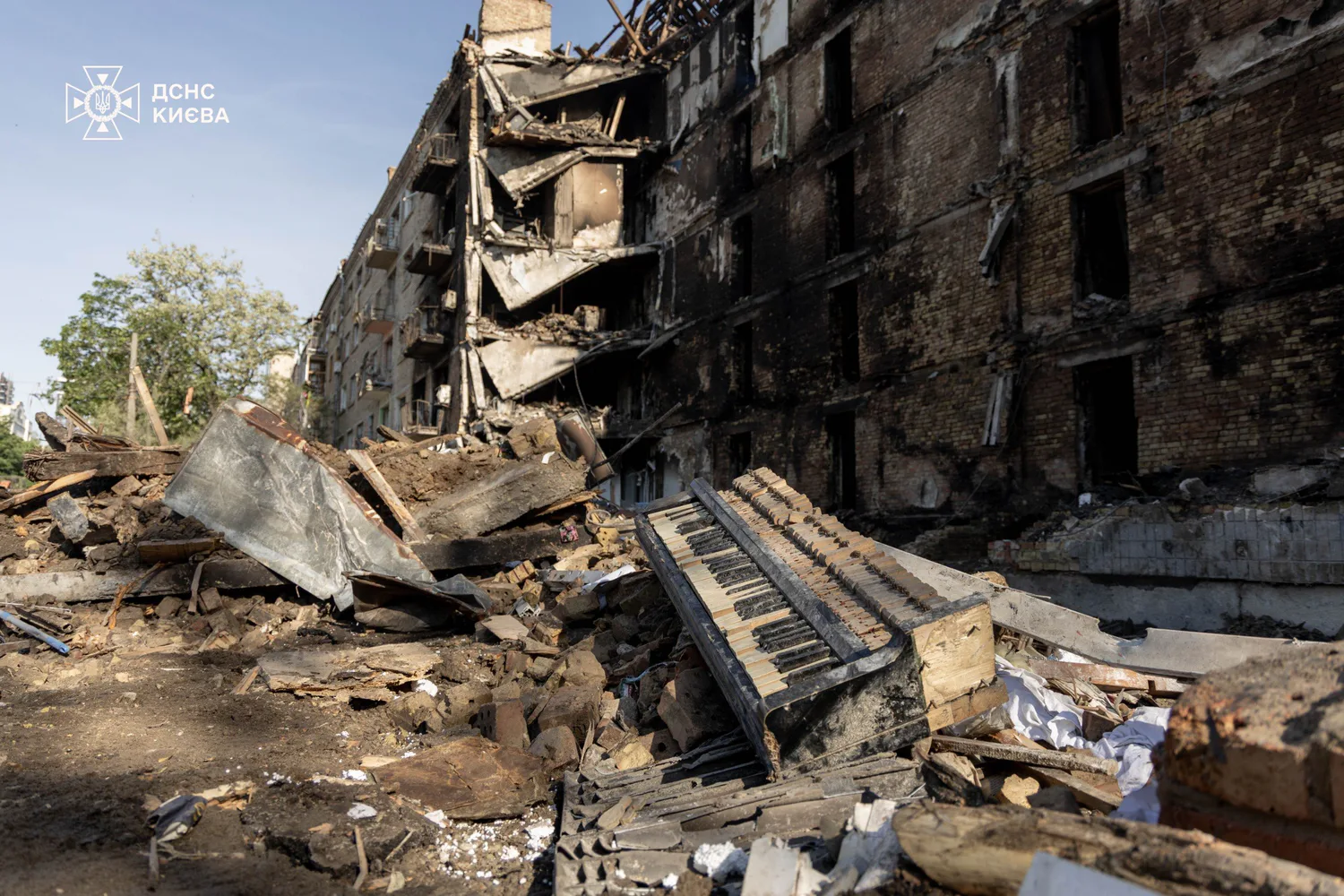
Kyiv Mayor Vitali Klitschko earlier reported that after the strikes, as of February 12, about 3,700 buildings were without heat — the figures have fluctuated depending on timing and the scale of restorations. The main problem now is not merely the number of disconnected buildings, but damage to critical facilities (including heating networks and combined heat and power plants), on which the connection of entire residential areas depends.
What Kyiv residents should know
First, emergency services are working: crews are repairing networks, coordinating power supply and providing backup solutions. Second, on some sections of the heating system reconnection is technically impossible, and this will require time and materials to repair. Third, residents should prepare for cold nights, check availability of alternative heat sources and report local faults through the city's official channels.
This is a reminder that the war strikes not only the front, but also the critical infrastructure that provides the city's basic needs. Restoring heat is now not only a technical issue, but also a question of the speed of coordinating resources and protecting energy facilities. Whether there will be enough time and resources to return to normal operation before the colder period depends on the pace of repairs and the safety of work on site.