Kyiv: Heat restored to 2,600 homes after February 12 attack — more than 1,100 still without heating due to damaged Darnytska CHP
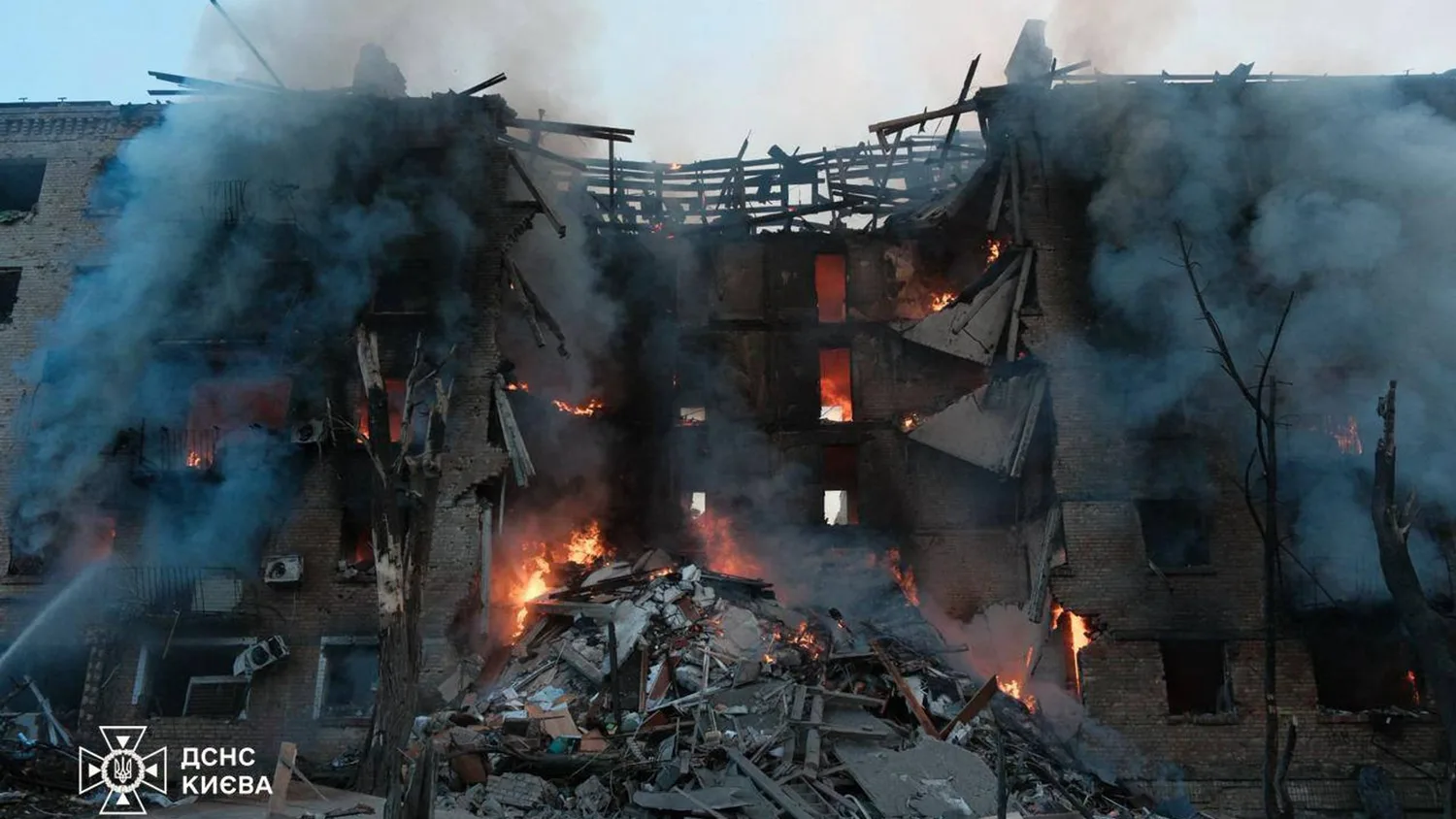
After the February 12 attack on infrastructure, municipal services restored heating to 2,600 buildings. At the same time, more than 1,100 residences in the Dniprovskyi and Darnytskyi districts remain without heat due to critical damage to the Darnytsia CHP; we examine what this means for residents and why restoration will take time.

By Tetiana Suchkova-Ladik
February 17, 2026 · 1 min read
Briefly
According to the Kyiv City State Administration and a report by UNN, heat supply has been restored to 2,600 buildings that were left without heating after the attack on February 12. However, more than 1,100 buildings in the Dniprovskyi and Darnytskyi districts still remain without heat due to damage to the Darnytsia TPP.
What the mayor said
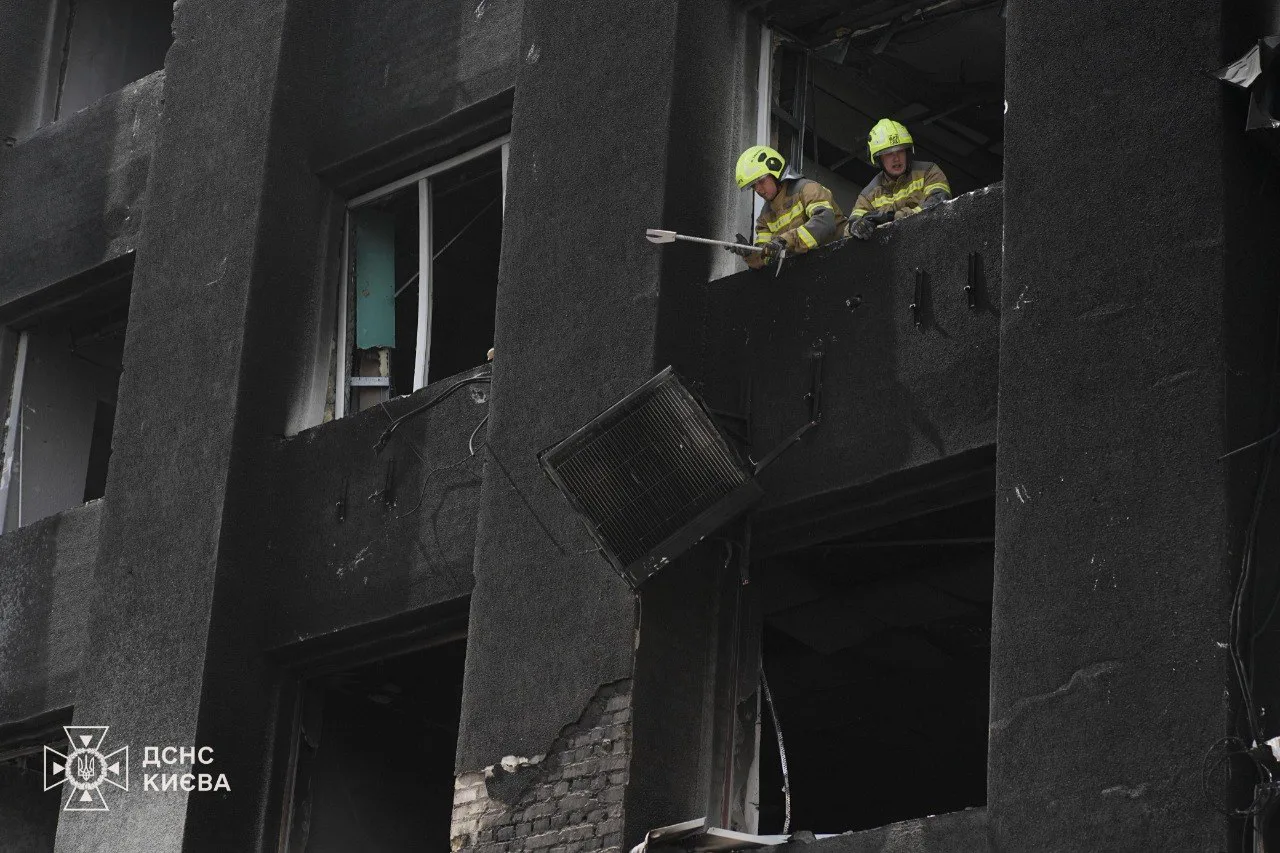
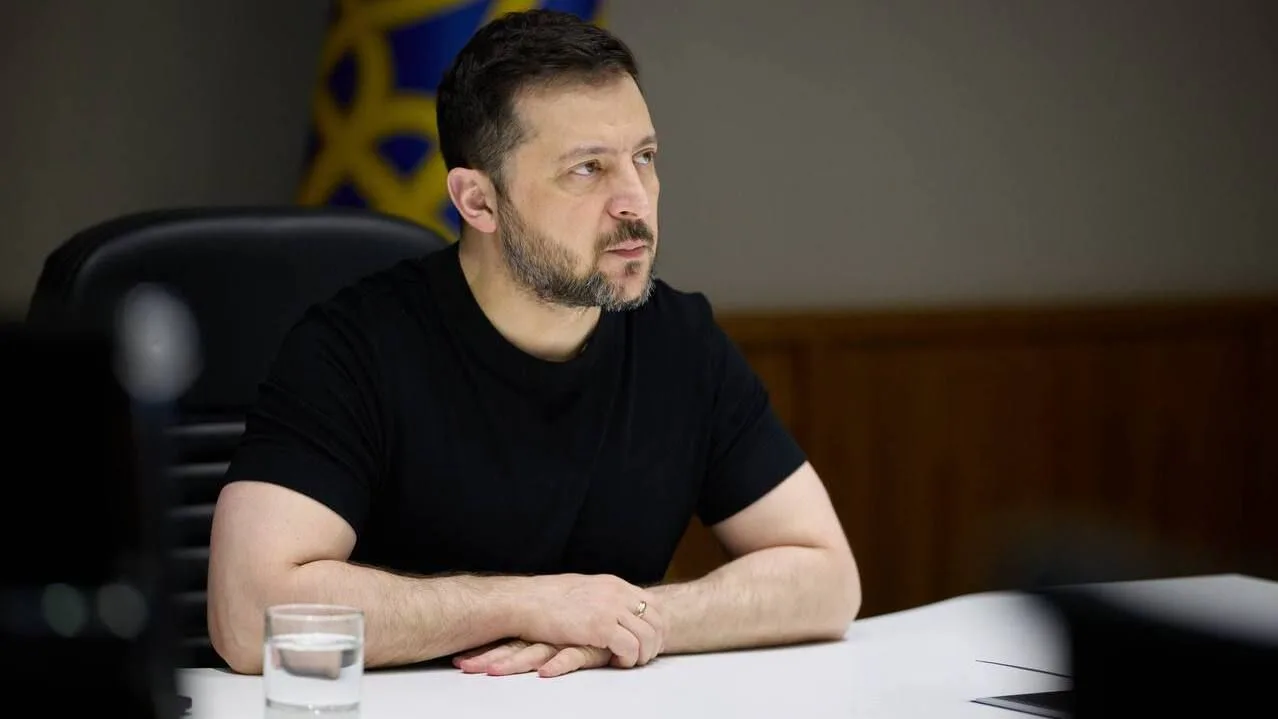
"Heat supply has been restored to all 2,600 buildings that remained without heat as a result of the enemy attack on the capital’s infrastructure on February 12. Municipal workers continue to work in other buildings where accidents occur and are repairing their heating systems."
— Vitali Klitschko, mayor of Kyiv
Why part of the district is still without heat
The mayor explained that supply to more than 1,100 buildings is currently impossible due to critical damage to the Darnytsia TPP. In other words, the problem is not with individual risers or entrances but with the heat source itself for these districts — its restoration requires more complex emergency-repair work.
What this means for residents
Municipal crews continue to eliminate faults and restore networks, but for buildings dependent on the Darnytsia TPP major interventions or temporary feed schemes are needed. This may affect indoor temperatures and comfort in the near term. City authorities are providing information on work priorities and coordinating emergency teams.
Context and conclusion
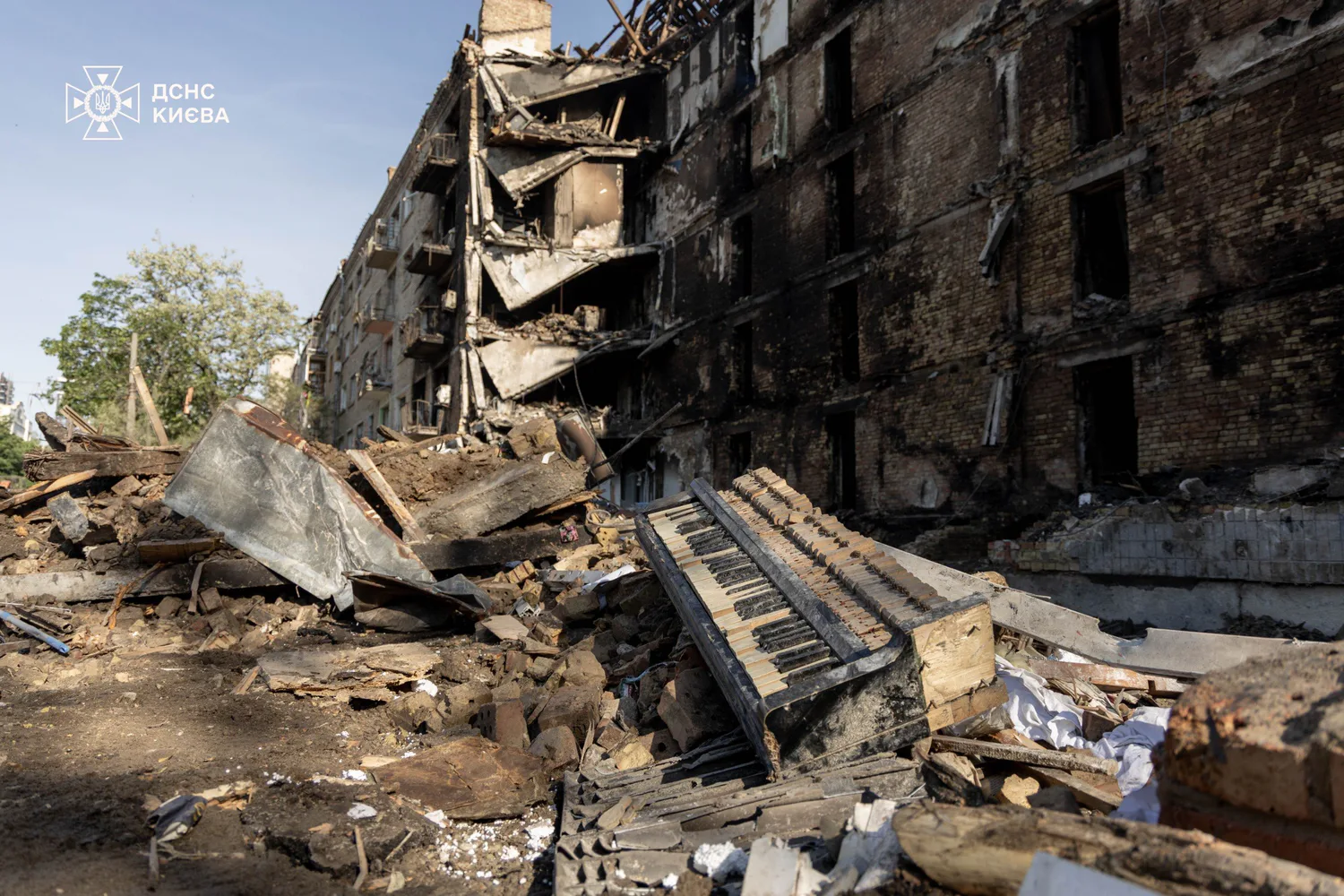
This situation is a reminder of the vulnerability of urban energy systems during shelling and of the importance of coordinating repair work. While municipal crews continue restoration, residents should follow official updates from the Kyiv City State Administration and contact emergency services if needed. The question remains: will technical workarounds be found quickly to supply heat while the TPP is being restored?