Kyiv's left bank put on emergency power cuts after massive Russian attack — what it means
After a massive bombardment, the power system on the left bank moved into emergency shutdown mode. Energy crews are working on restoration; priorities are hospitals, water supply and radio communications. The outages are affecting the metro and surface transport. We examine why this happened and what residents should do.

By Tetiana Suchkova-Ladik
January 9, 2026 · 2 min read
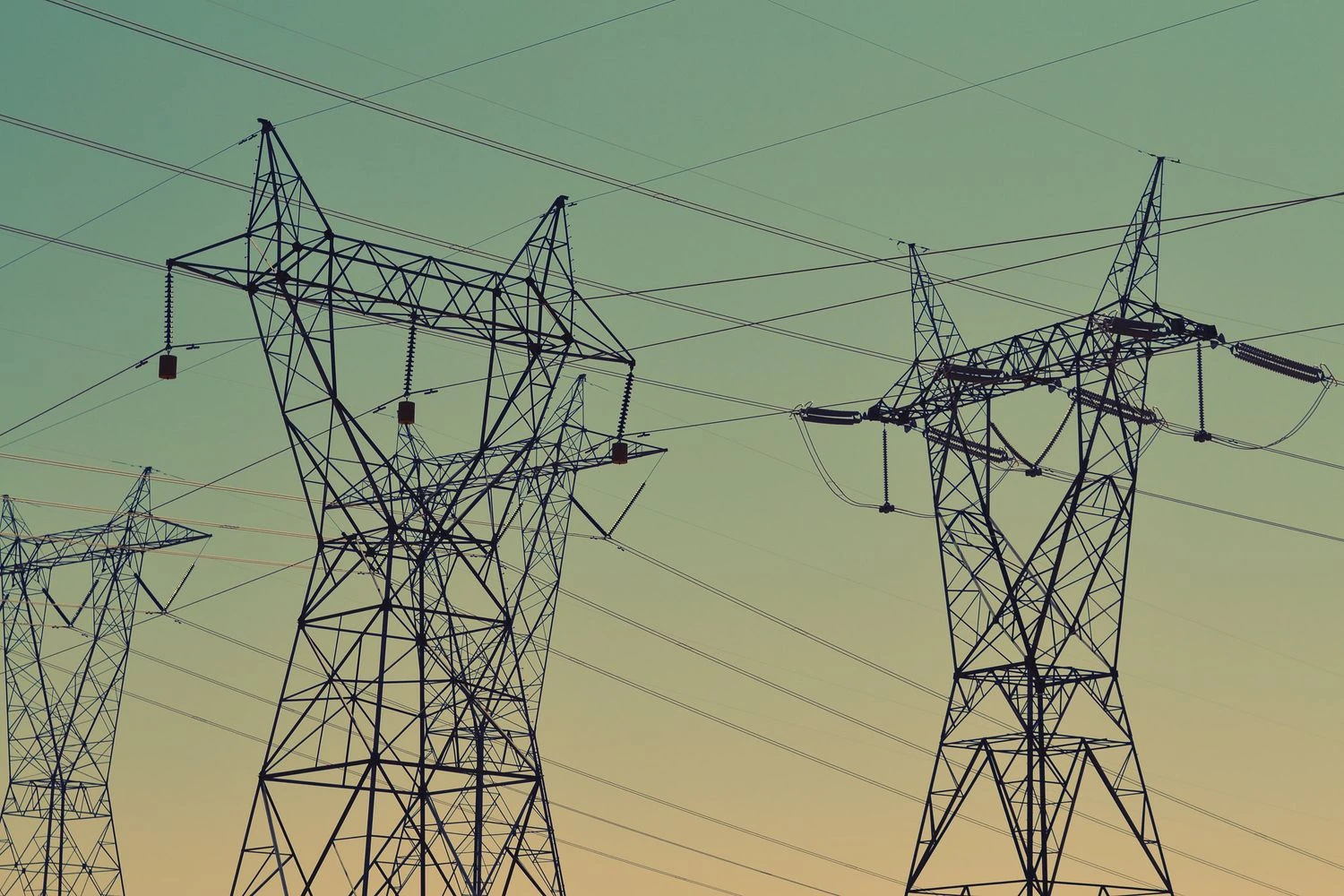
Emergency mode due to damage to the power system
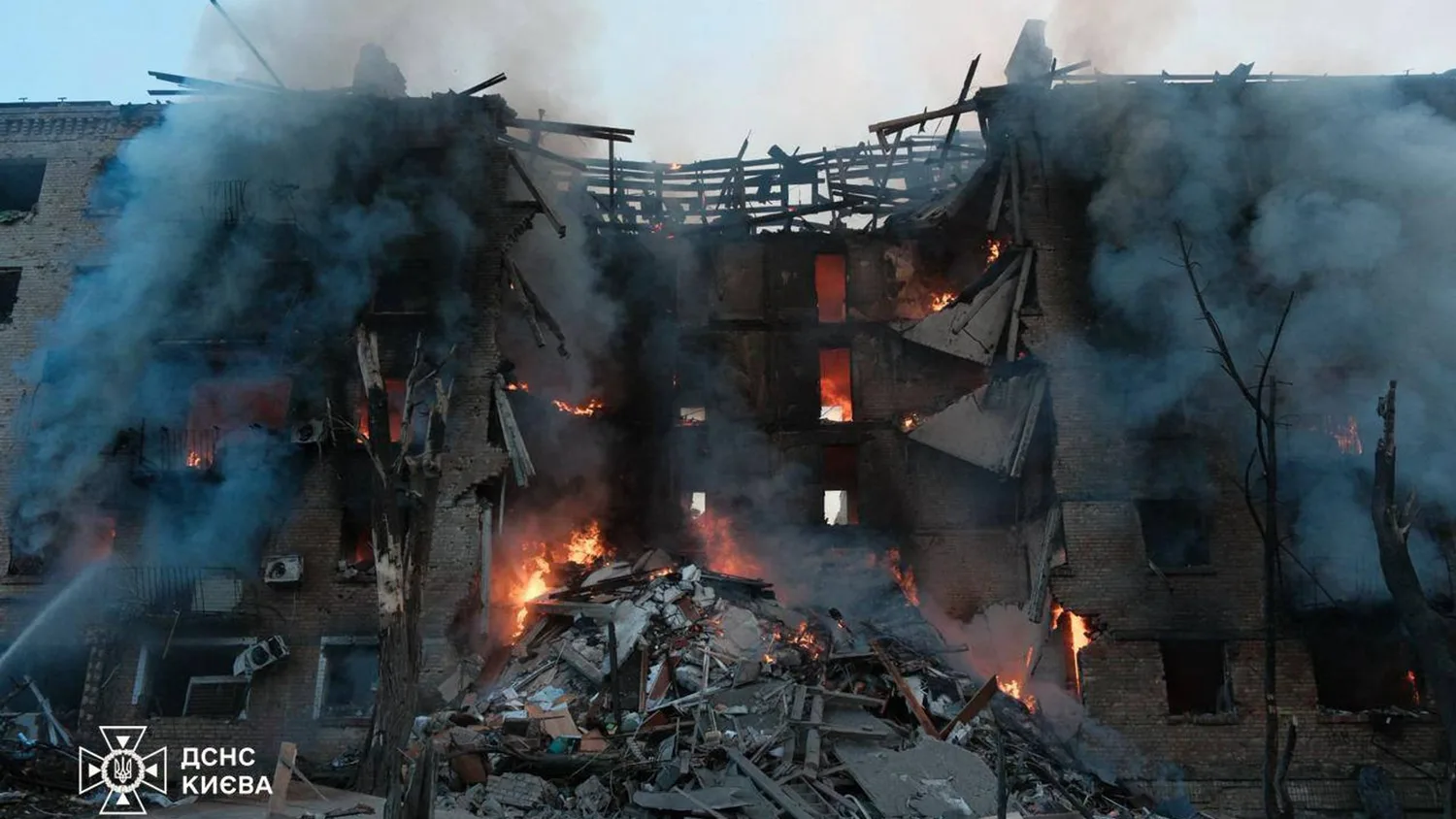
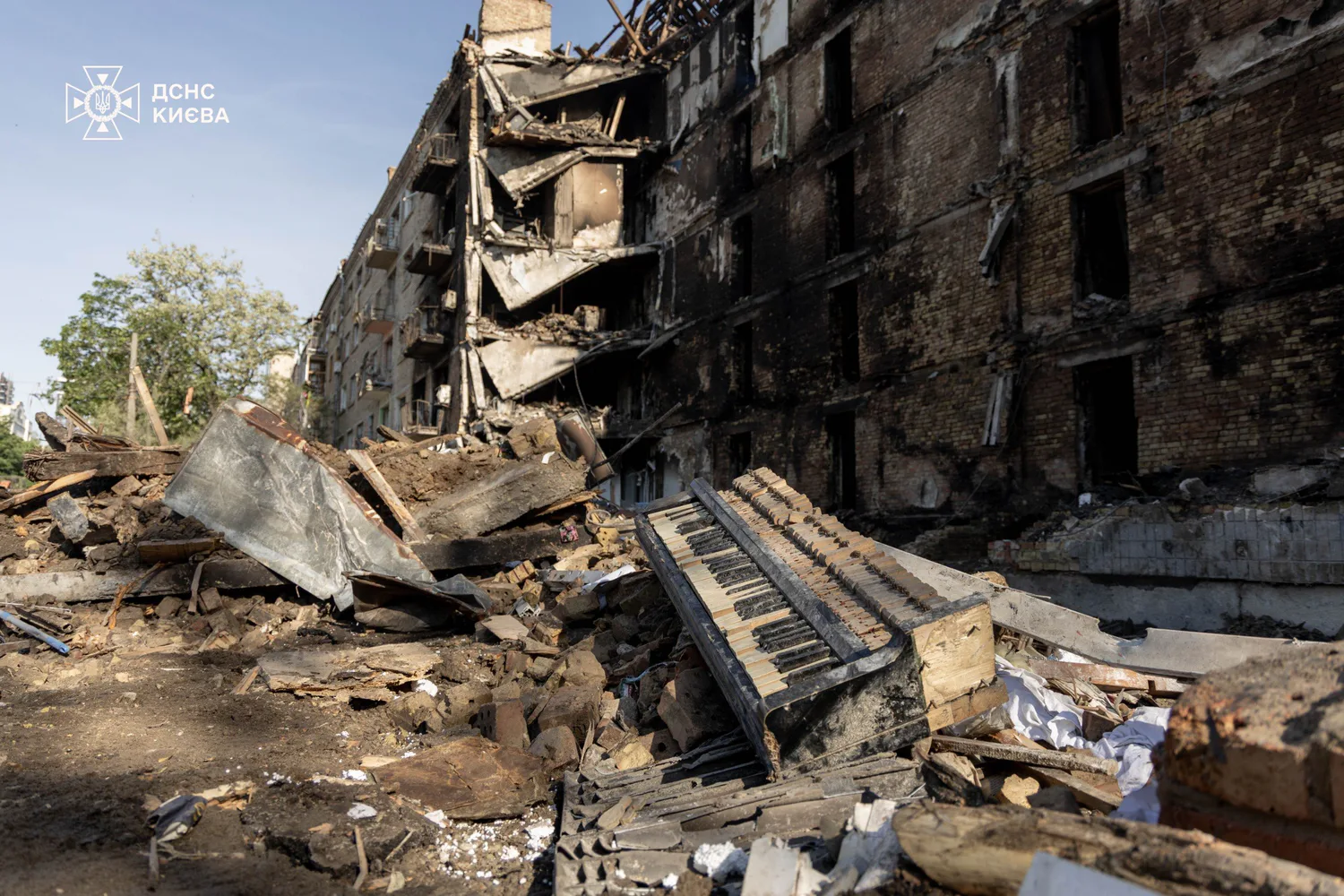
After a massive Russian attack on energy infrastructure, the left bank of Kyiv was switched to emergency power outages, DTEK and UNN report. This is not a planned scheduled outage but a system response to significant damage to the electricity supply chains.
“Left bank of Kyiv: emergency shutdowns have been applied due to a massive attack. On the right bank, schedules remain in effect.”
— DTEK, press service
Which facilities have priority
Energy specialists say that power is being restored first to critical facilities: hospitals, water supply, substations, communication systems and emergency services. This is standard operational logic during large-scale damage — to reduce risk to life and minimize secondary consequences.
Impact on transport and daily life
The Kyiv City State Administration reports changes to transport operations: duplicate bus routes have been organized on the left bank, and metro intervals have been adjusted due to the difficult energy situation.
“Due to disruptions in the power system caused by the shelling, duplicate bus routes have been organized on the left bank of the capital.”
— KMDA, press service
According to city authorities, the interval on the red line between the stations “Akademmistechko” and “Arsenalna” is about 3 minutes 30 seconds to 3 minutes 45 seconds, and the surface section between “Dnipro” and “Lisova” is temporarily suspended.
What is known about the casualties and the scale of the strike
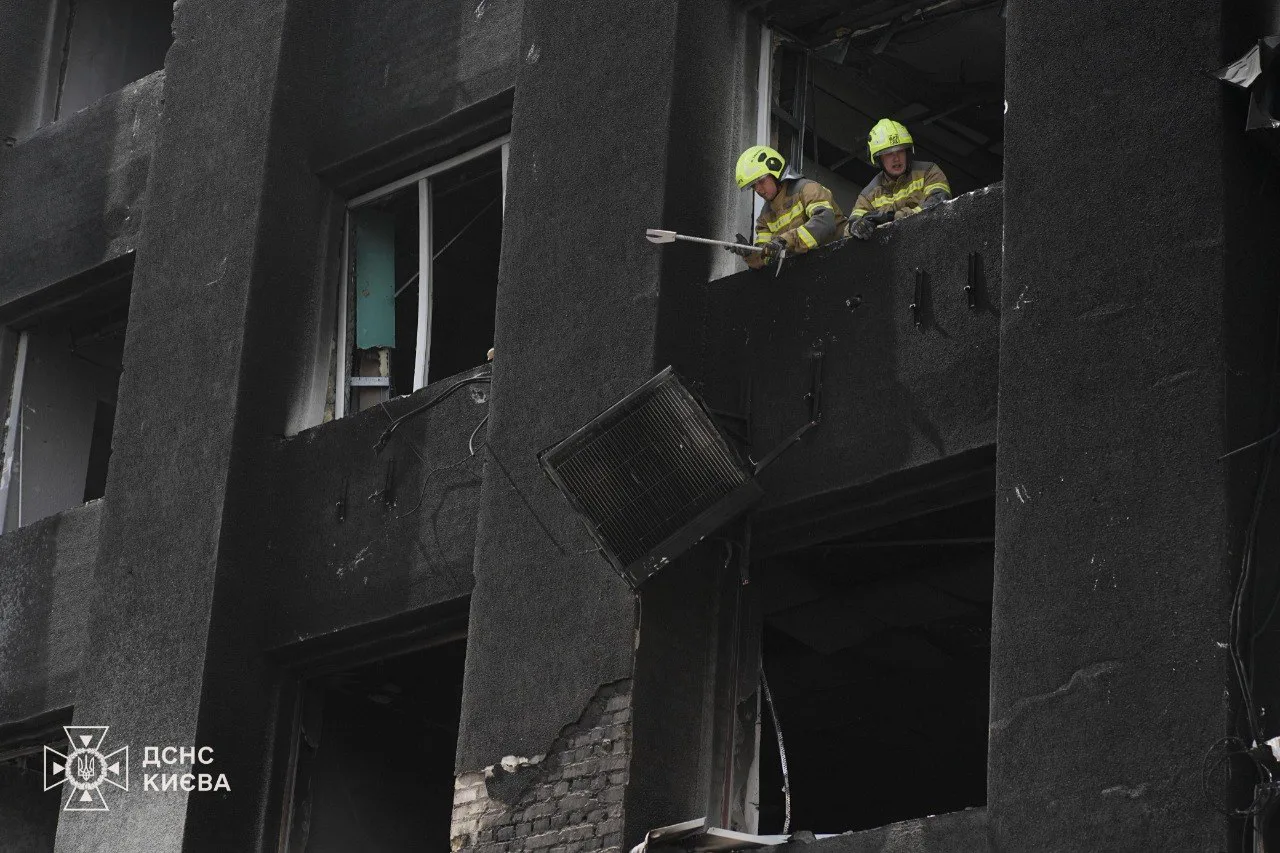
According to the latest reports, the number of injured has risen to 24 people, among them medical personnel and rescuers. This underlines that the strikes affected not only infrastructure but also the people working on site to deal with the aftermath.
Why this matters and what to expect next
Massive strikes on the energy system are part of a tactic aimed at destabilizing everyday life and the operation of critical services. Restoration will depend on the scale of the damage, availability of reserve capacity and weather conditions. Power crews are working on a priority basis, but full recovery may take hours or days.
Industry experts and official statements from DTEK and KMDA advise residents to follow the city's official channels, prepare supplies of water and means of communication if possible, and avoid dangerous areas.
Conclusion
This attack once again demonstrated the role of the power system as a strategic target. While energy workers and the city work on restoration, it is important to have alternative plans for travel and safety. The next 24–48 hours will be key to stabilizing the situation — the speed of response will determine how quickly normal life returns to the left bank.