Nearly 3,000 homes in Kyiv still without heat — why repairs are taking so long
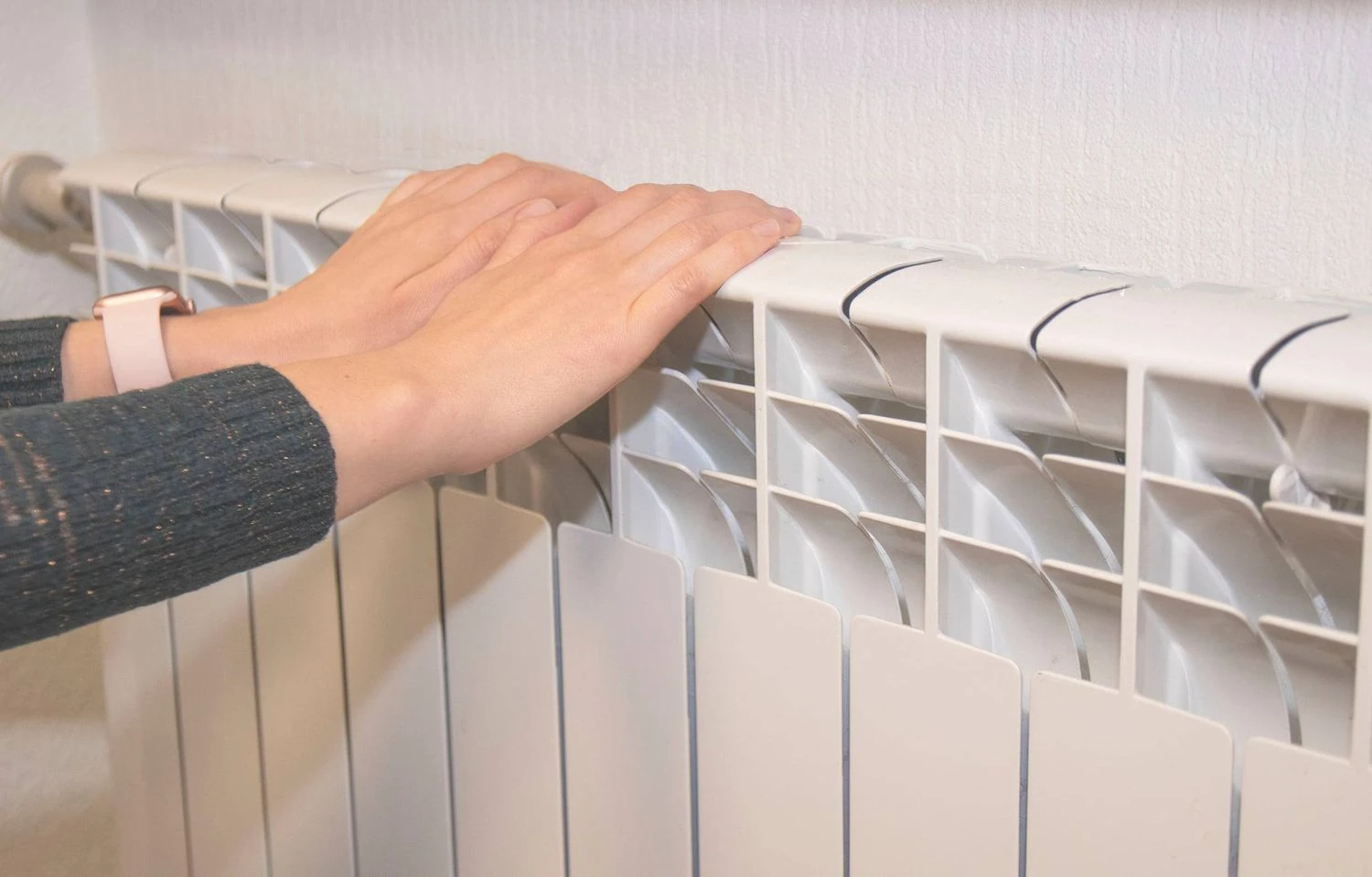
After Russian attacks and emergency power cuts, about 3,000 multi‑storey residential buildings in the capital remain without heating. Overnight 227 buildings were reconnected — we explain what is slowing the restoration and what to expect next.

By Tetiana Suchkova-Ladik
January 22, 2026 · 1 min read
What happened
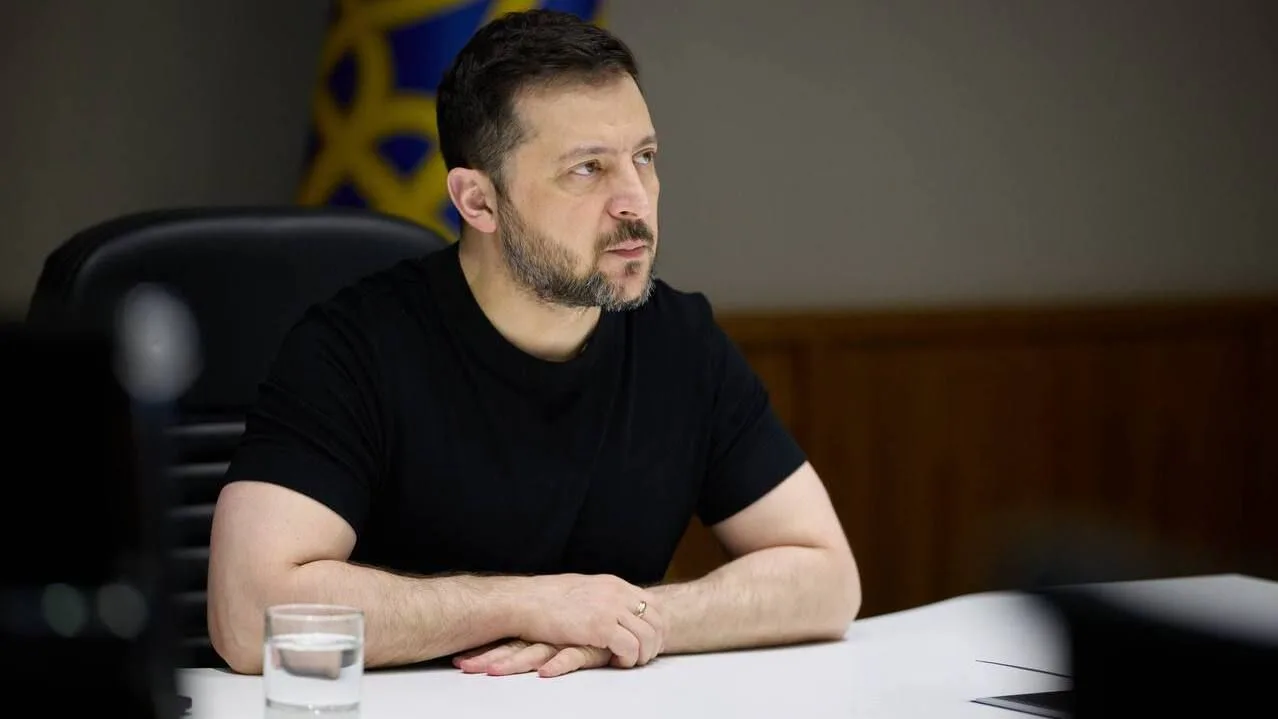
In Kyiv almost 3,000 apartment buildings remain without heating due to damage to energy infrastructure during Russian attacks. Overnight, heat was restored to 227 buildings, Mayor of the capital Vitali Klitschko reported on Telegram.
As of this morning, slightly fewer than 3,000 of the capital's apartment buildings remain without heat supply. Overnight, heating was connected in 227 buildings.
— Vitali Klitschko, Mayor of Kyiv (Telegram)
Why recovery is delayed
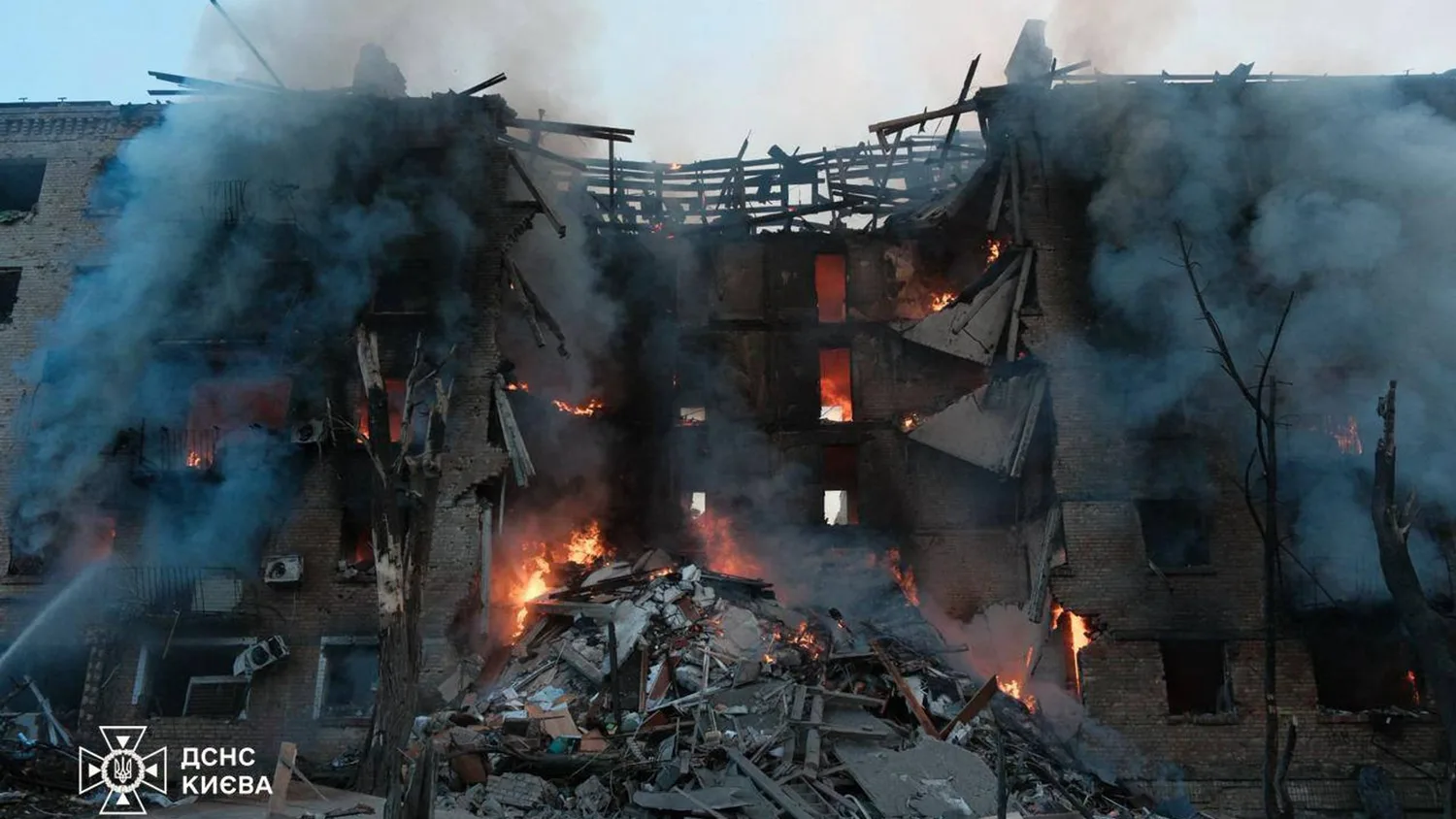
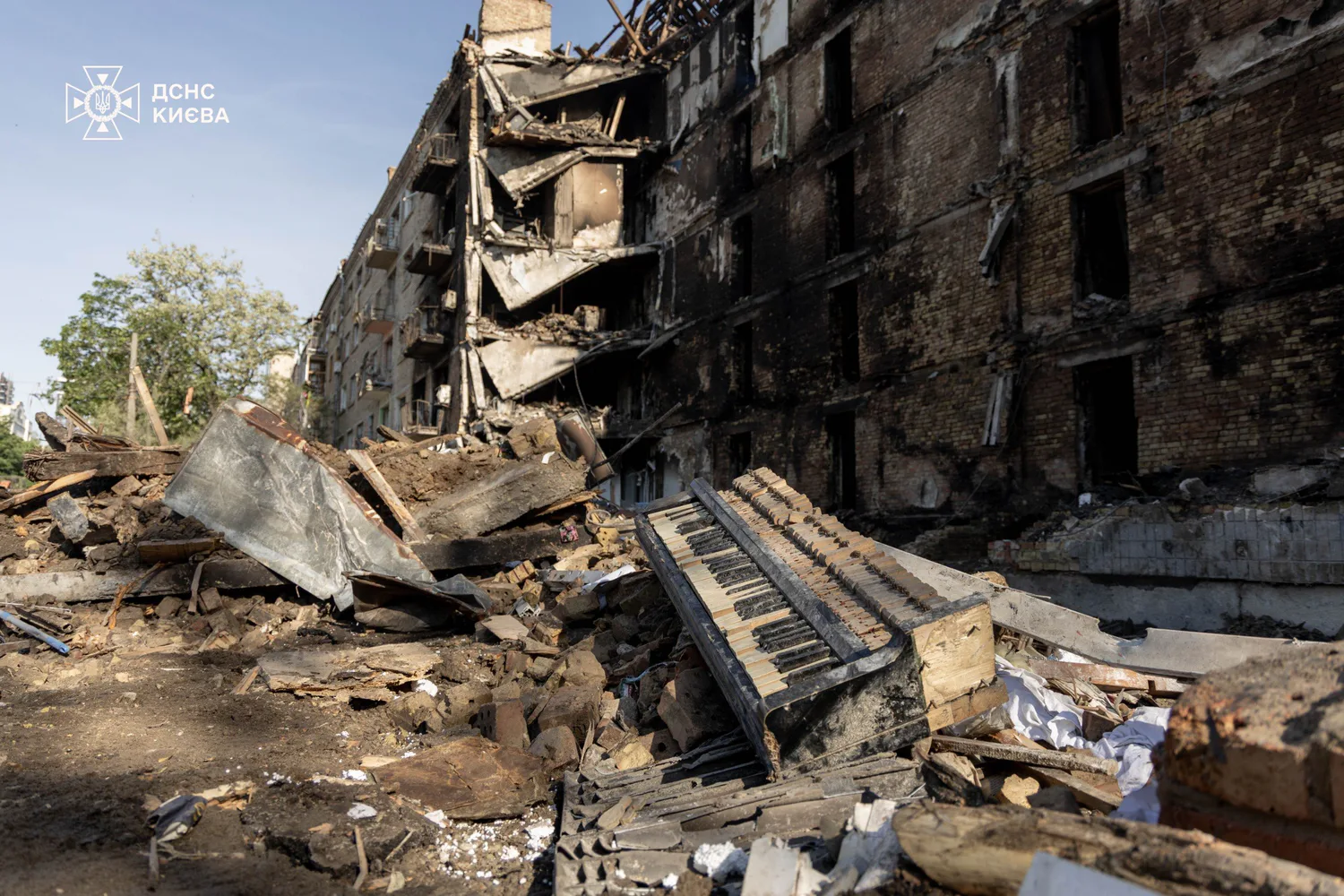
The problem is not only physical damage to heating networks and substations during the attacks on January 9 and 20. Modern heating systems depend on stable electricity to operate pumps, boilers and control systems. Emergency power outages complicate both repairs and the safe phased start-up of networks.
Actions of the city and energy workers
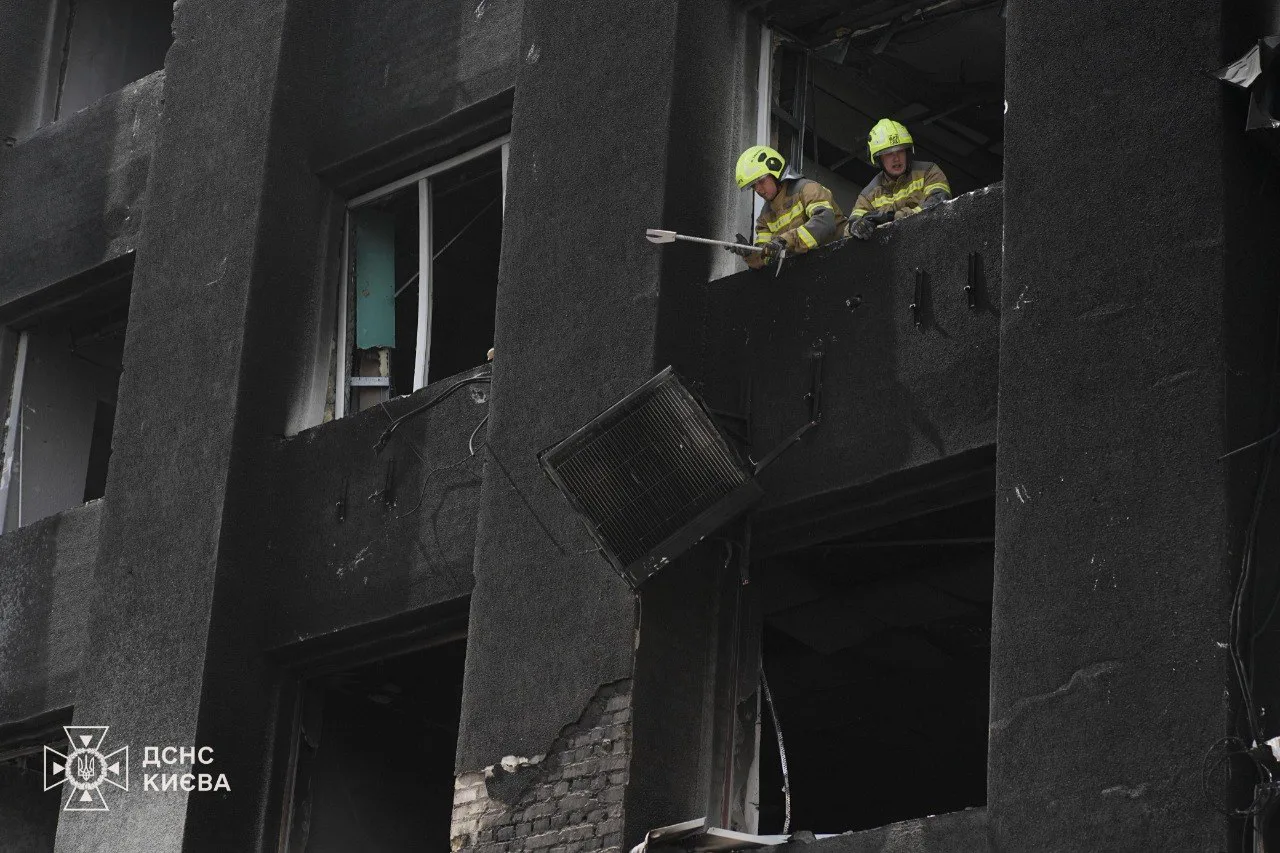
Municipal workers and energy technicians are working around the clock to restore heat and power. According to Ukrenergo, some regions experienced emergency power outages (source: Ukrenergo, 22.01.26, 08:19). Phased reconnection is necessary to minimize risks to equipment and people — it provides a gradual but more reliable result.
What this means for Kyiv residents
In the short term — significant discomfort for those still without heat. In the medium term — the pace of restoring heating will depend on two factors: the extent of physical damage and the stability of the electricity supply. Practical advice: follow the city's official channels, observe safety rules when using appliances, and prepare for a phased restoration of services.
Sources: Vitali Klitschko’s Telegram; UNN; Ukrenergo (22.01.26, 08:19).