Massive attack on energy infrastructure: part of Kyiv and four regions left without power — implications for heating and water supply
Russia struck Ukraine's power system overnight. We break down which regions were affected, what has been disconnected, how utility crews are operating, and what to expect in the coming days.

By Tetiana Suchkova-Ladik
February 12, 2026 · 2 min read
What happened
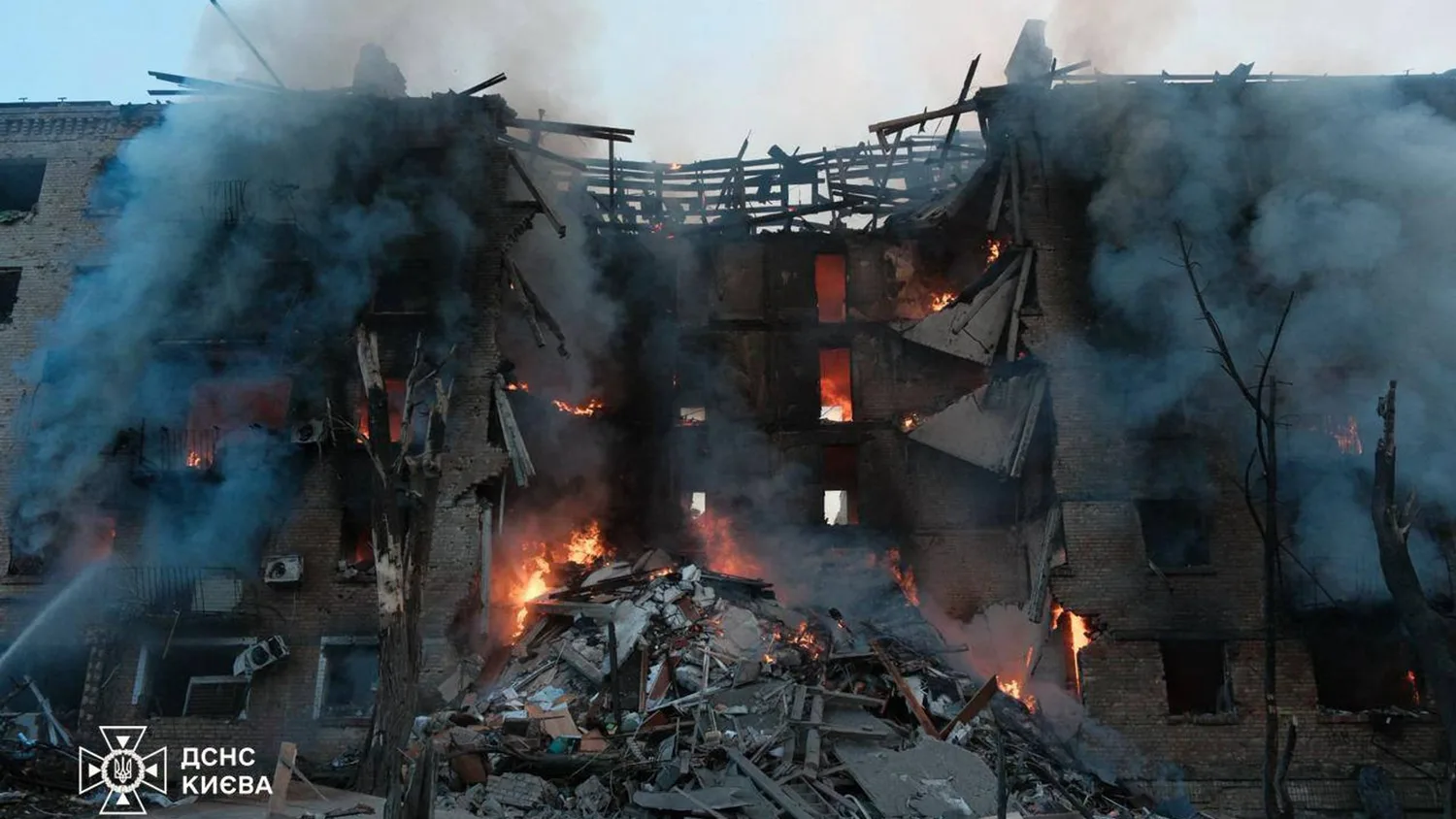
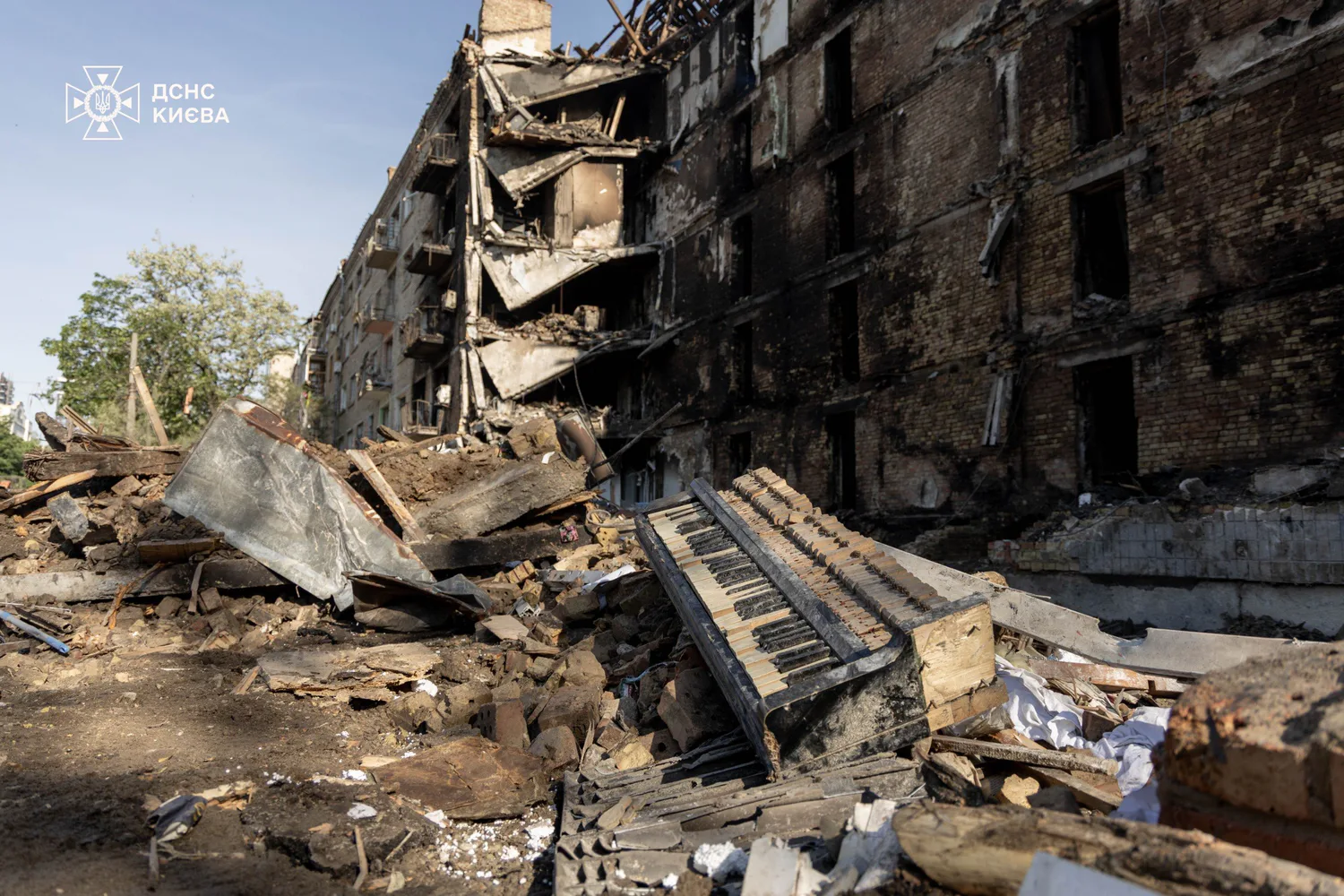
On Wednesday night Russia carried out a massive attack on Ukraine's energy infrastructure. Customers were left without power in Odesa, Dnipropetrovsk, Kharkiv and Kyiv regions and in the city of Kyiv; some areas also experienced disruptions to heating supply, the Ministry of Energy (quote below) and UNN report.
"At night the enemy carried out a massive strike on the country's energy infrastructure. As a result, consumers in Odesa, Dnipro, Kharkiv, Kyiv regions and in the city of Kyiv were left without power. Also, as a result of the attack, heating supply to consumers in Kyiv and Dnipro was disrupted."
— Ministry of Energy
Consequences by region
Kyiv and Dnipro: In a number of districts there are problems with heat supply, and local interruptions in residential services are possible. Energy crews are working on restoration; priority is being given to medical facilities and critical infrastructure.
Odesa: Due to equipment damage, water supply in parts of the city has been stopped or limited — according to local utility services and UNN, this affects up to 300,000 people who have temporarily been left without centralized water.
Kharkiv and Dnipropetrovsk regions: partial power outages for consumers, with industrial processes disrupted in places.
Zakarpattia region: outages were caused not by strikes but by severe weather — the storm damaged power lines, and regional grid crews are working on restoration.
Outage schedules and emergency shutdowns
Across the country hourly scheduled outages and power limitations for industry and businesses are being applied. In critical situations emergency shutdowns are introduced to prevent a large-scale collapse of the power system. This is a standard operational measure to balance the grid under the pressure of damage.
What energy workers and authorities are doing
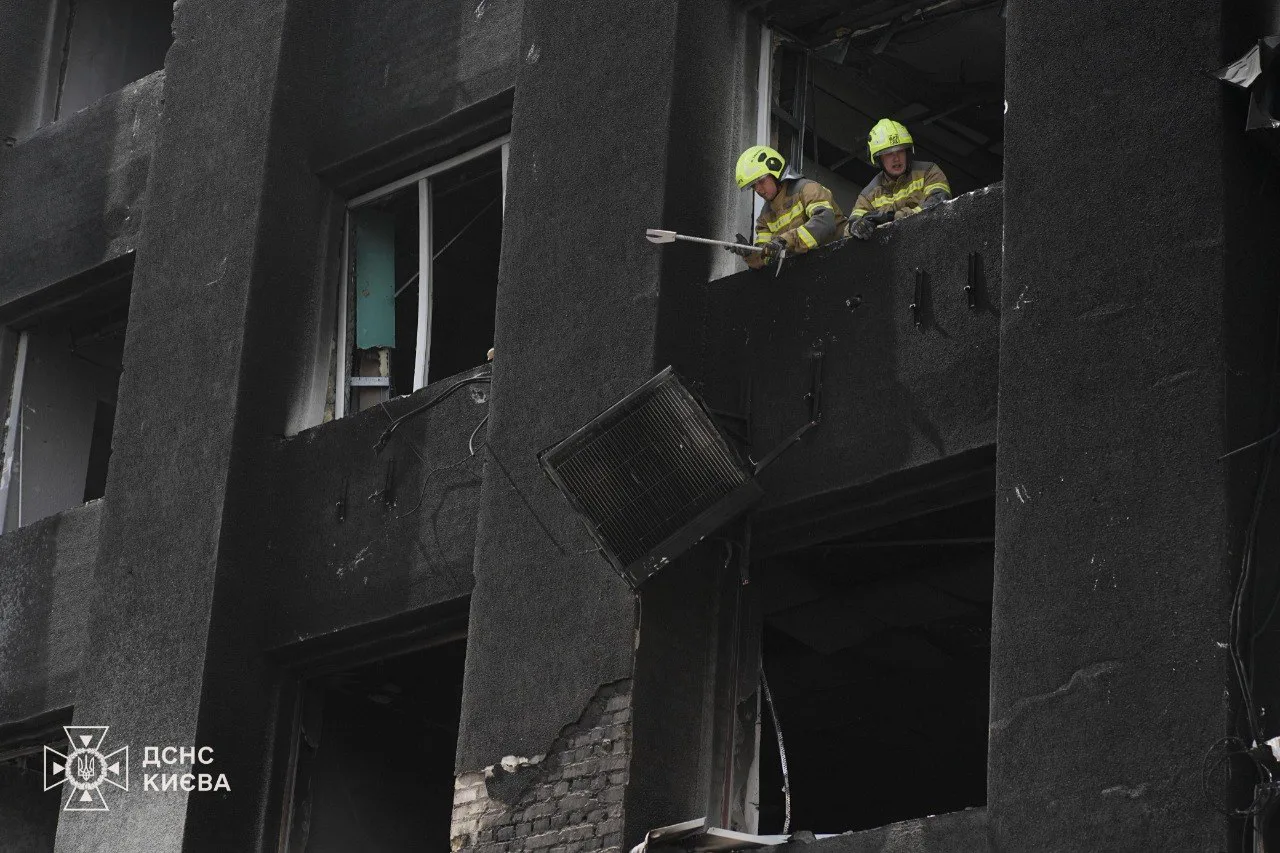
Crews from distribution companies and emergency services are working around the clock to eliminate damage. The top priority is restoring power to critical infrastructure facilities (hospitals, water utilities, substations). The Ministry of Justice and local authorities are coordinating evacuation and municipal measures where needed.
Why this matters and what comes next
Attacks on the energy sector are a deliberate strategy aimed not only at physically damaging equipment but also at undermining citizens' everyday stability: heating, water, health care. The energy sector is already operating under increased risk, so speed of restoration and long-term network resilience are key tasks for the coming weeks.
Experts note that beyond operational repairs systemic steps are needed: backup power sources for critical facilities, improved cyber and physical protection of substations, and international assistance in restoring damaged equipment.
No panic — act with understanding and readiness: follow local authority recommendations, report damage to lines, and volunteer and professional communities will continue to coordinate support for affected communities.
Final question: how quickly the Ukrainian energy system can not only restore operations but become better protected against repeat strikes — depends both on the speed of repairs and on real strengthening of the sector through investment and international support.