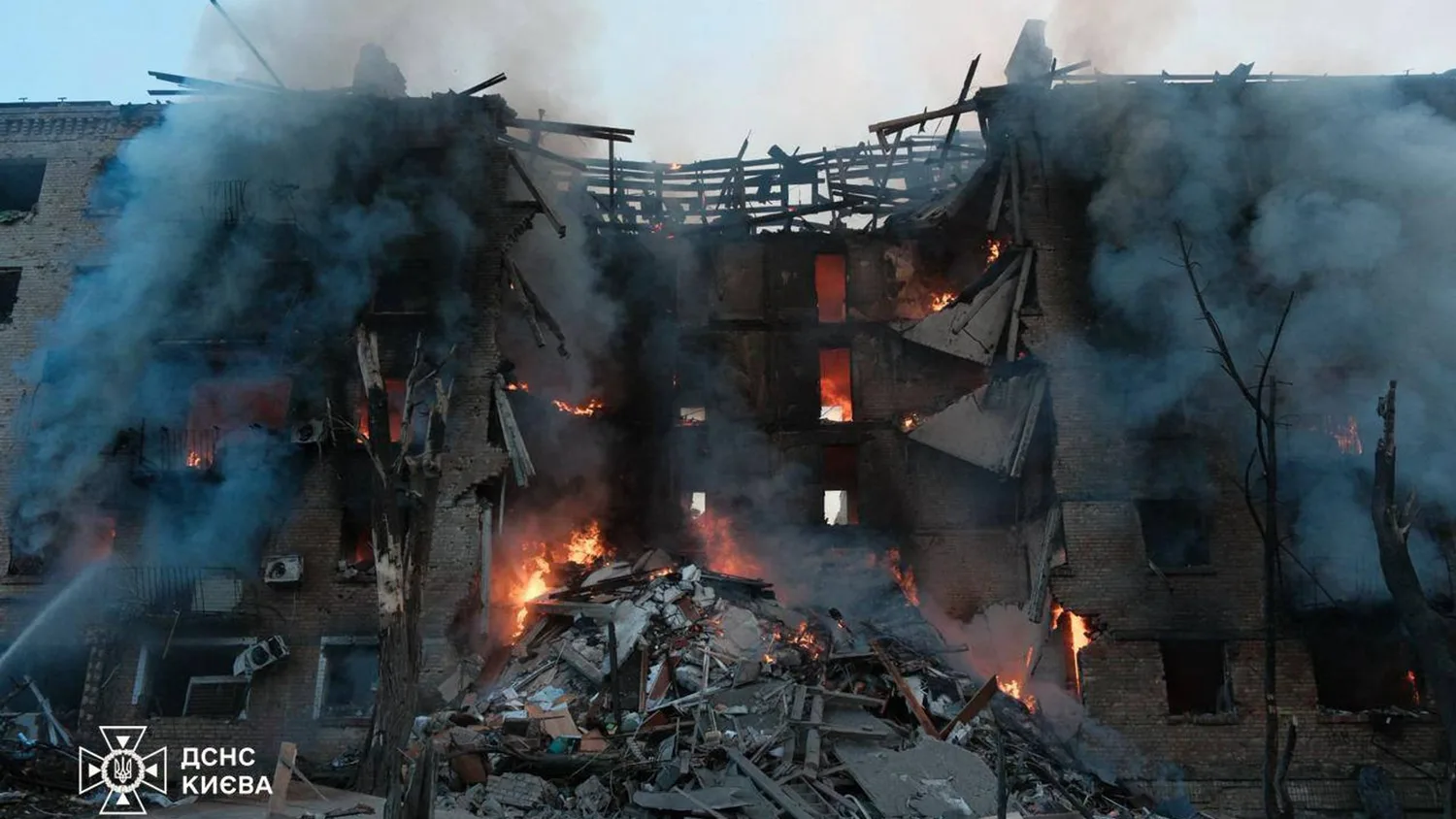
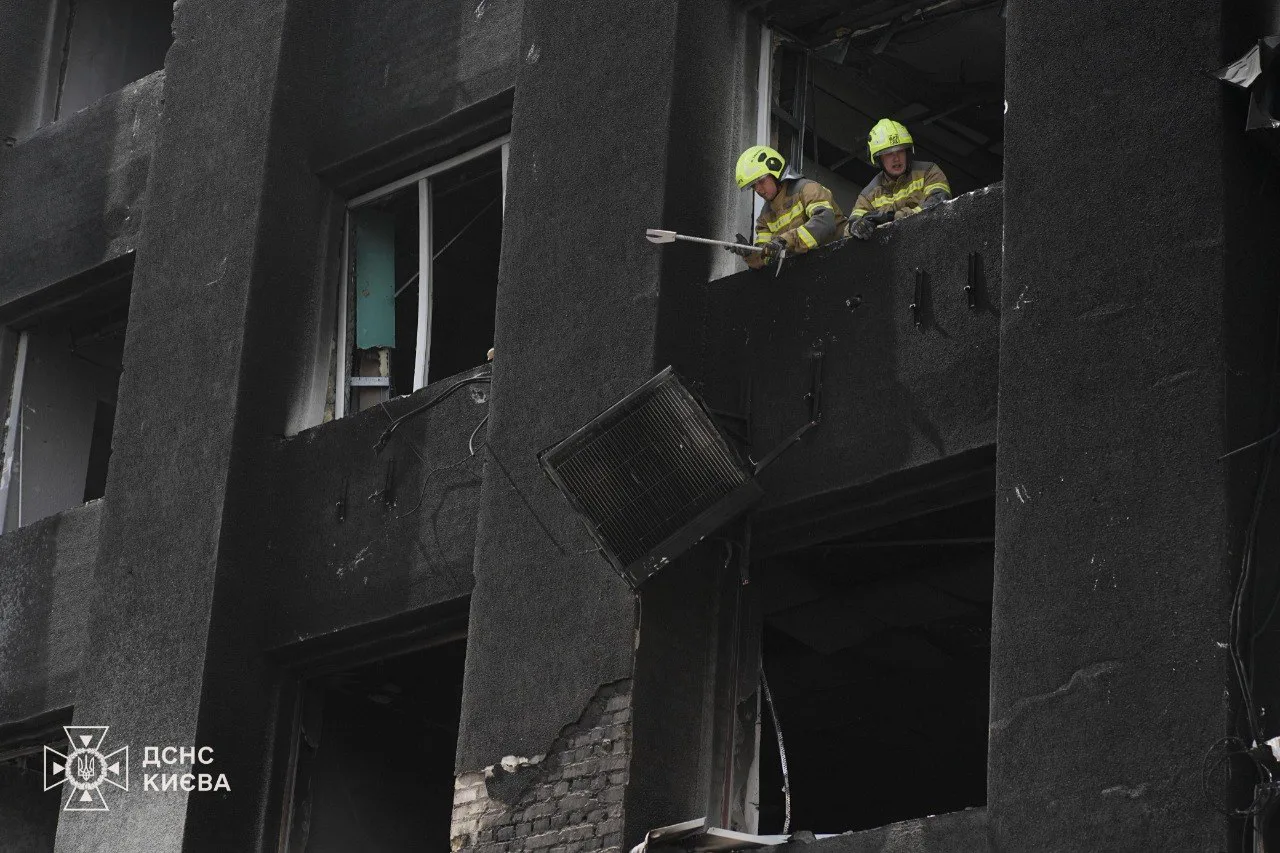
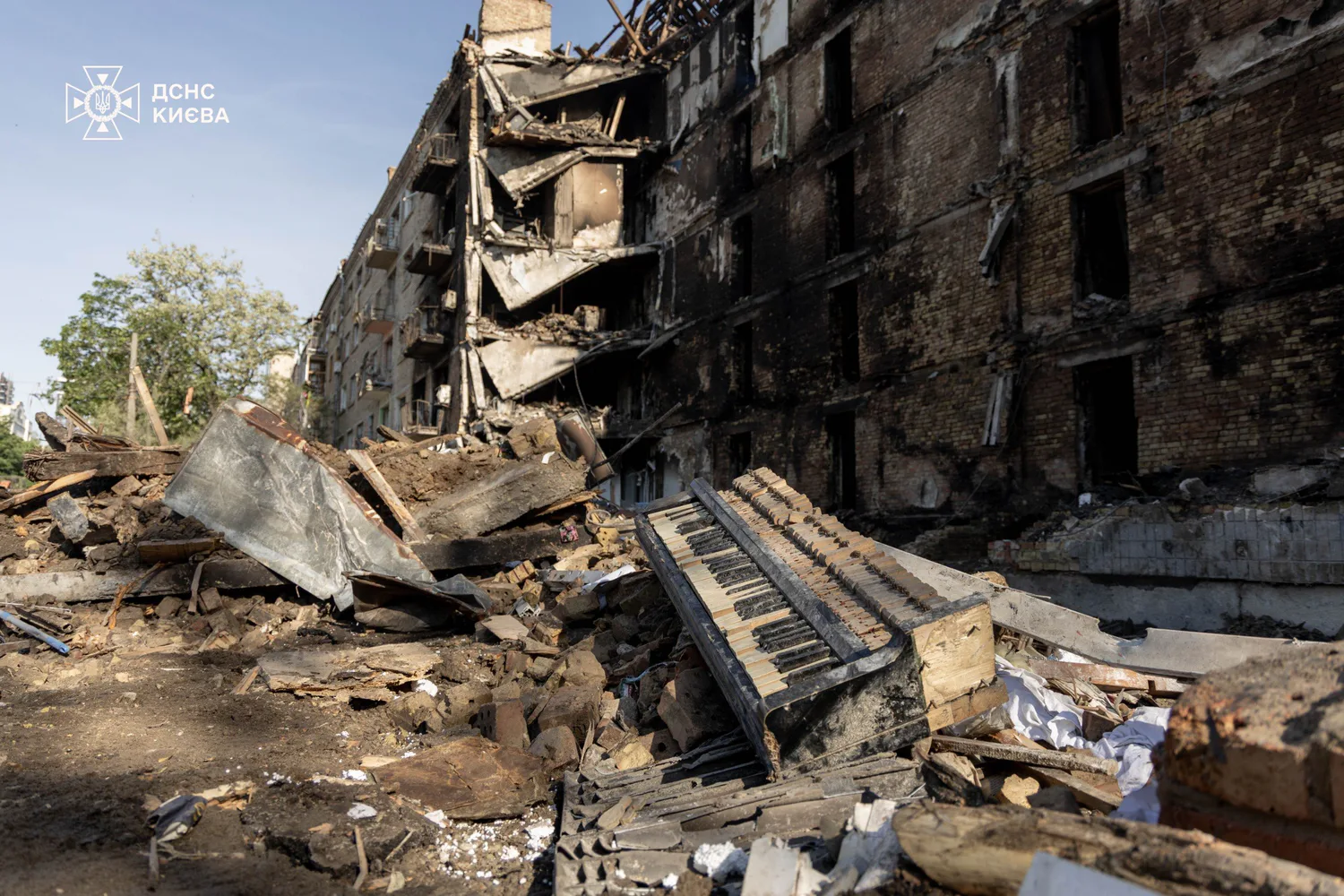
Massive attack on the energy sector: 170,000 households in Kyiv without power — how services are responding
In the aftermath of a massive overnight attack, significant areas of Ukraine are partially without power. We look into which regions were affected, what energy workers and the air force are doing, and why this matters to every resident.

By Tetiana Suchkova-Ladik
February 12, 2026 · 2 min read

What happened
As a result of the overnight massive attack, part of Ukraine's power grid was damaged — according to operational reports, up to 170,000 households in Kyiv were left without power. Energy company DTEK clarifies that approximately 107,000 subscribers were temporarily without power, including large areas in the Desnianskyi district of the capital (reports UNN and the company's press service).
"Kyiv: 107,000 households temporarily without power after a massive attack. Another difficult night for the energy sector. Due to the massive attack, part of the homes in the Desnianskyi district remained without electricity."
— DTEK
Actions by energy companies and defense
Energy workers say they prioritized restoring power to critical infrastructure facilities. At the command of Ukrenergo, emergency outages were implemented in the Dnipropetrovsk region to stabilize the grid. In Sumy and Kharkiv regions, schedules of emergency and hourly outages have been introduced in a number of districts (Shostka, Konotop, Romny, Yampil and Seredyno-Buda communities — according to Sumyoblenergo, and also Kharkivoblenergo).
"In Sumy region, schedules of emergency outages have been introduced for consumers in priority groups 1–5 (Shostka, Konotop, Romny districts, as well as the Yampil and Seredyno-Buda communities)."
— Sumyoblenergo
At the same time, the Air Force reports significant effectiveness of air defenses: 15 of 24 ballistic missiles, 1 guided missile and about 197 of 219 drones were shot down (operational summaries).
Why this happened — and why it matters
The aim of such strikes is not only to temporarily disable individual lines, but to create systemic pressure on the power system and civilian infrastructure. In response, Ukrainian services are applying preventive measures (emergency outages) to avoid large-scale catastrophic failures and to preserve the operation of critical facilities (hospitals, transport, utility systems). This is a practical solution — not a "failure", but an element of a strategy to preserve the grid under load.
What residents should do
- Follow official announcements from energy companies and local authorities. - Keep your phone batteries charged; have power banks and necessary medications on hand. - If you have life-support medical devices connected, inform local services and medical facilities via emergency channels.
Conclusion
This attack once again underlines: the war is fought not only on the front lines — energy resilience has become part of the defense strategy. The next 24–72 hours will be decisive for restoring the grid and assessing the damage; how quickly normal life returns depends on the promptness of the energy workers' actions and coordination with defense structures. Whether there will be enough resources and international support for accelerated recovery is a question for the coming day.