Massive Strikes on the Energy Sector: How Attacks on the Kyiv Region Are Undermining Infrastructure and Security
Enemy strikes by drones, ballistic, hypersonic and cruise missiles targeted the energy infrastructure of Kyiv and the surrounding region. We break down what happened, who was affected, and what the consequences are for power supply and emergency response.

By Tetiana Suchkova-Ladik
March 14, 2026 · 2 min read
What happened
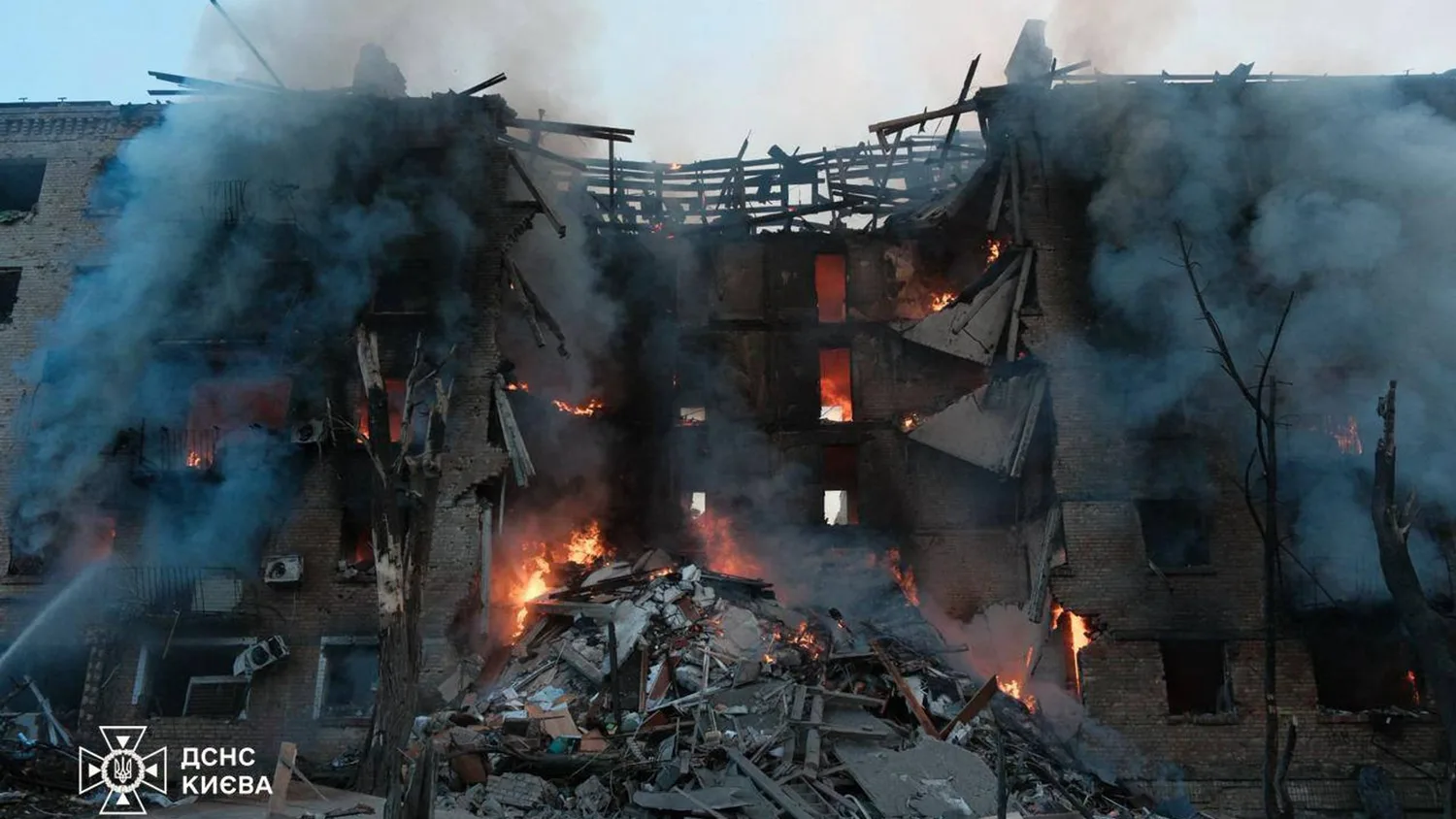
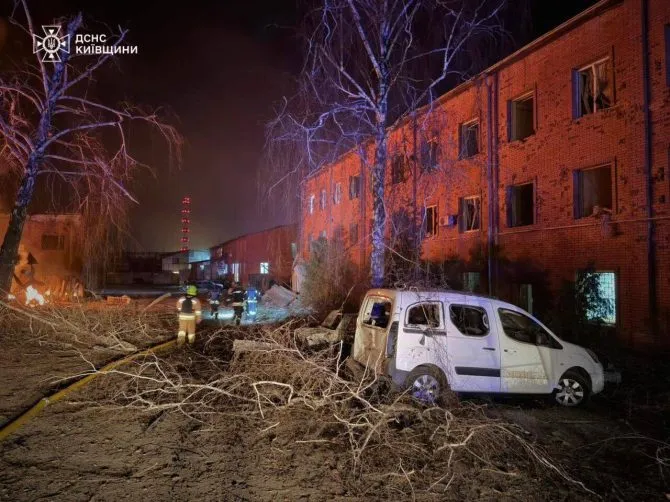
Today the enemy launched a massive attack on energy infrastructure facilities in Kyiv and Kyiv Oblast, using strike drones, ballistic, hypersonic and cruise missiles. The impact zones include industrial and residential sites, technical rooms and warehouse facilities.
"The death toll in Kyiv region has risen to three."
— Mykola Kalashnyk, head of the Kyiv Regional Military Administration
Where there are casualties and damage
According to the head of the Kyiv Regional Military Administration (KOVA), in the Brovary district two people were killed and four others were injured. A dormitory building, production and warehouse premises were damaged.
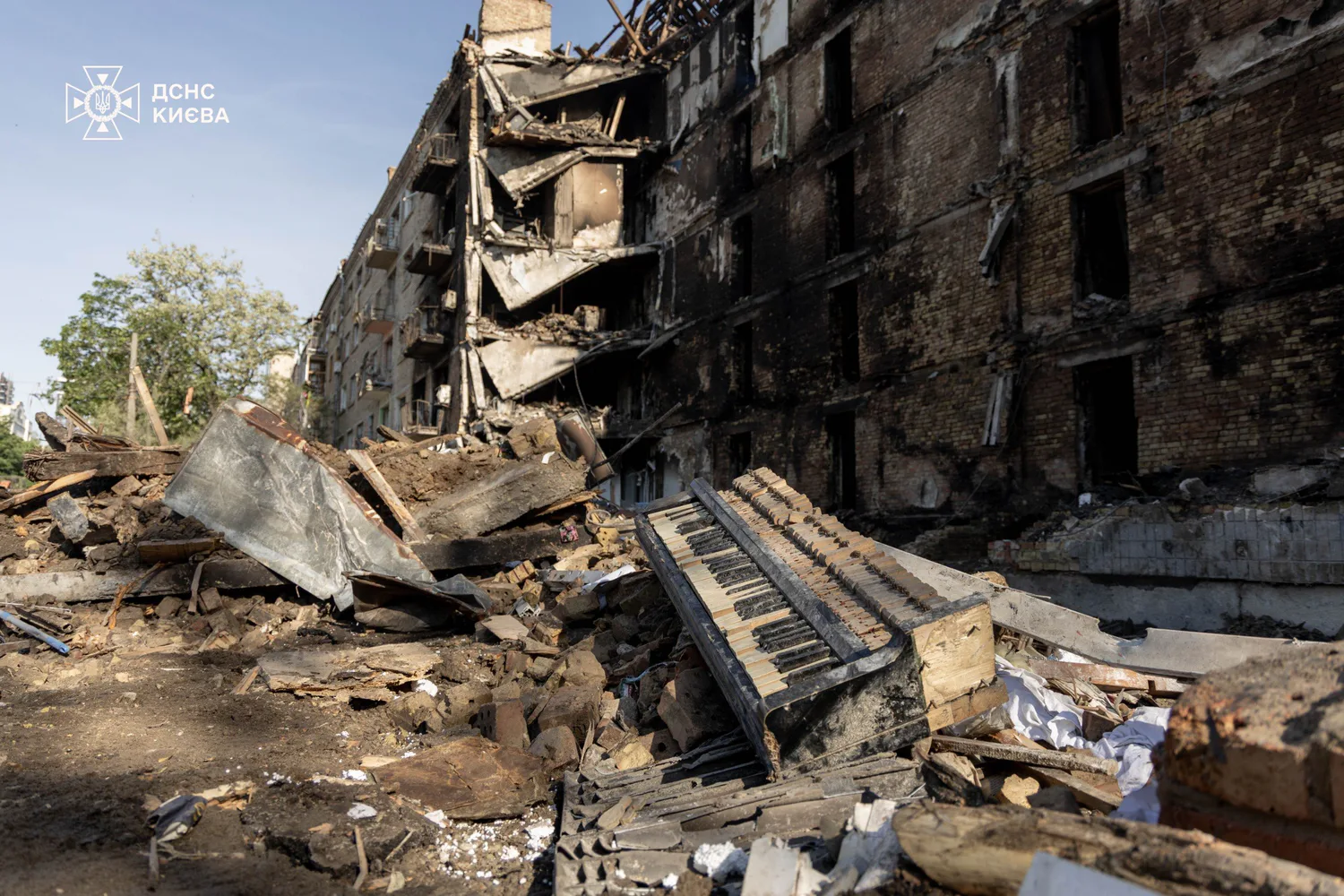
In the Vyshhorod district one person was killed; warehouse facilities there are on fire and an apartment building was damaged.
In the Obukhiv district a technical room of a high-rise building was damaged, and cars near the building caught fire. In the Bucha district a fire broke out in a private house.
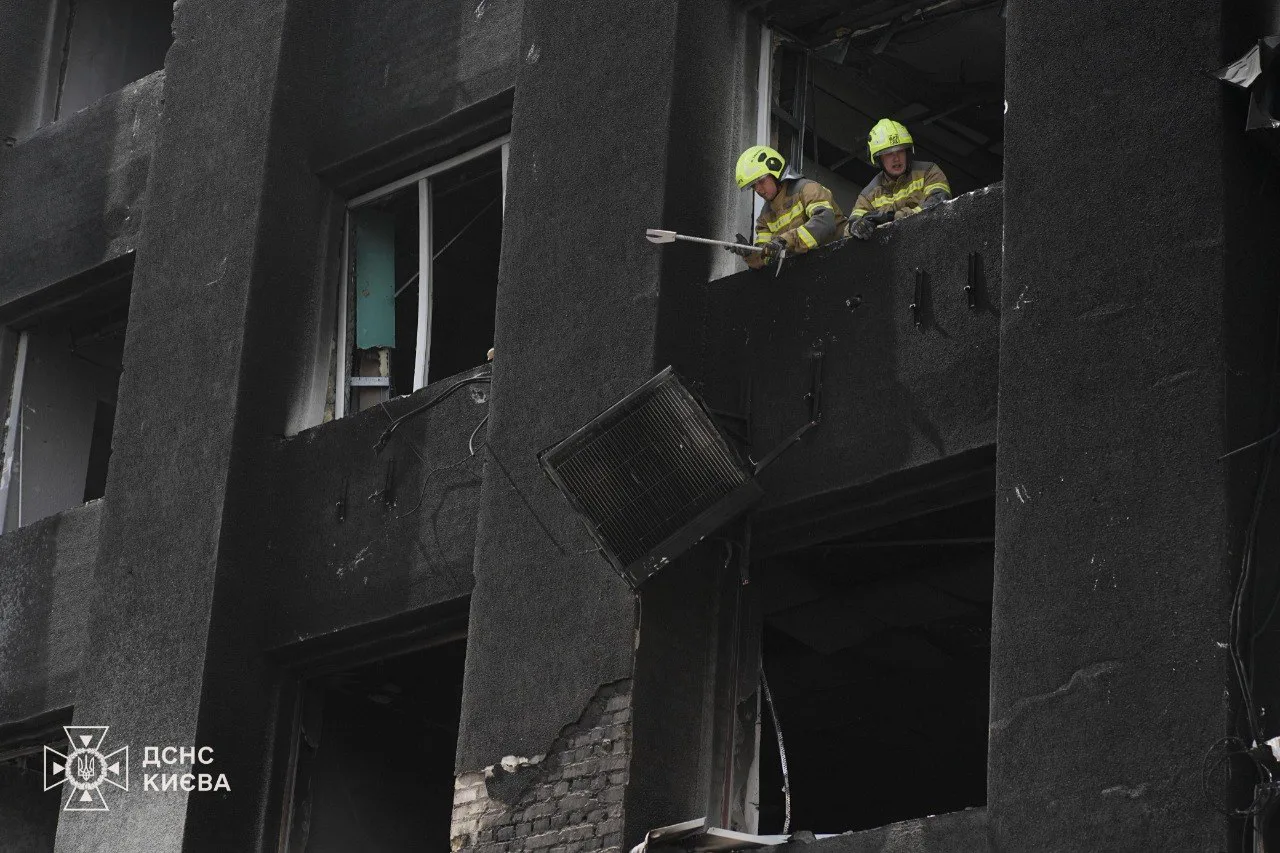
All the injured are being provided with necessary medical assistance. Rescuers, medics and police are working on site.
Why this matters and possible consequences
Attacks on energy infrastructure have a dual effect: physical destruction of equipment and impact on civilian life — from electricity supply to the operation of critical facilities. Such strikes undermine the network's reserves and increase the burden on emergency services.
Experts note that systematic strikes on infrastructure are part of a strategy to reduce population resilience and create additional logistical difficulties for the defense. Restoring power supply requires time, spare capacity and international support in the form of equipment and materials.
Response and what to do next
Emergency services are working on site, extinguishing fires, evacuating and providing assistance to those affected. It is important to remain calm, follow local authorities' instructions and be prepared for temporary power outages.
This is not only a question of repairing lines — it's a challenge for planning the community's energy resilience and the speed of recovery. Whether there will be sufficient resources and international aid for a rapid return to normal life is a question already on the agenda of authorities and partners.
In brief: the strikes were aimed at Kyiv's energy sector and the region; there are three fatalities and several injured; residential and industrial facilities were damaged; emergency services are on site. Consequences — risk of power supply disruptions and additional strain on infrastructure recovery.