Medical corruption under cover: how fake diagnoses were sold for $10,000 in the Kyiv region
Kyiv Oblast police uncovered a network that, for money, entered fake medical certificates into mobilization registries. This undermines not only discipline but also trust in the healthcare system — we examine how the scheme operated and what its consequences are for society.

By Tetiana Suchkova-Ladik
March 19, 2026 · 2 min read
What happened
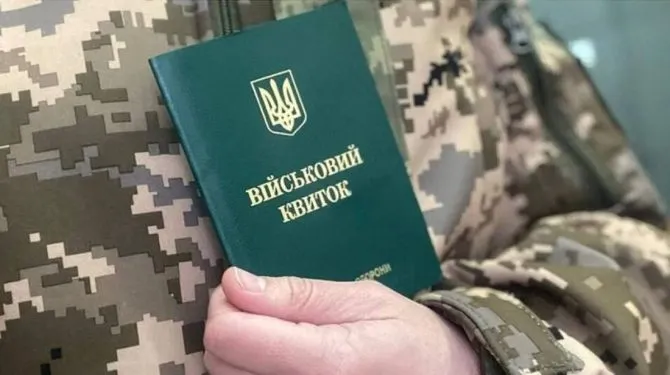
Law enforcement documented the activity of a group that, for money, issued false medical conclusions declaring people unfit for military service. According to the Kyiv region police, the organizer was a 46‑year‑old psychiatrist who was simultaneously a member of the military‑medical commission (VLK) and involved three other people in the scheme.
"The activity of a group of persons has been documented who, for a monetary reward, entered fictitious data into medical systems and registries of those liable for military service,"
— Kyiv Region Police
How the scheme worked
According to the investigation, clients paid from $1,500 to $10,000 (approximately 60,000 – 400,000 UAH) to obtain a certificate of "unfitness." After receiving the money, the participants entered fake diagnoses into medical registries and the relevant military records databases, making the entries appear legitimate on paper and in the systems.
Evidence and legal consequences
During searches, digital and documentary evidence of illegal activity was seized. The organizer was detained and placed in custody. He has been notified of suspicion of bribery; possible facilitation of the illegal transfer of persons is also being investigated. The suspects face up to 10 years in prison. The investigation is ongoing.
"Each fake certificate is not only an offense but also a real threat to security: it undermines mobilization discipline and creates risks for units that rely on accurate data about their resources,"
— Serhiy Koval, mobilization expert
Why this matters to society
This case highlights two problems at once: first, how corrupt schemes undermine defense capability; second, gaps in the oversight of medical and military registries. When trust in the system is eroded, citizens find it harder to trust both medical conclusions and the fairness of mobilization procedures.
What's next
It is critically important that the investigation see the case through to its conclusion and that the state strengthen audits of VLK records and digital registries. This is not only a law‑enforcement task: a coordinated response from the medical community and defense authorities is needed to reduce the risk of such schemes recurring.
Brief conclusion: the exposure in the Kyiv region is a signal that corruption in critical sectors has systemic consequences. It is now up to the justice system and the implementation of technical and procedural safeguards to make such abuses impossible.