Ball that survived shelling: Lokomotiv players appeal to Infantino against Russia's return to football
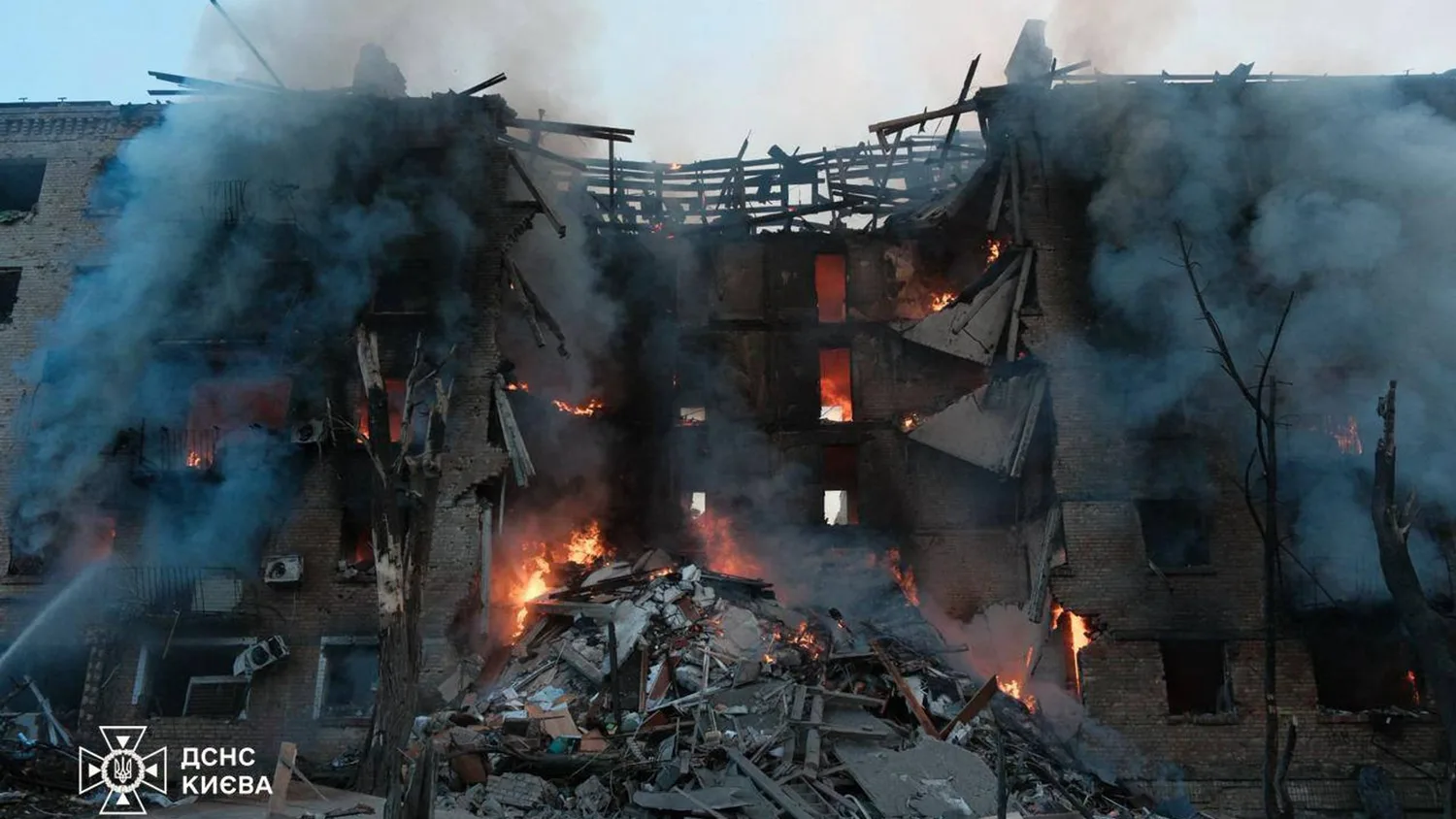
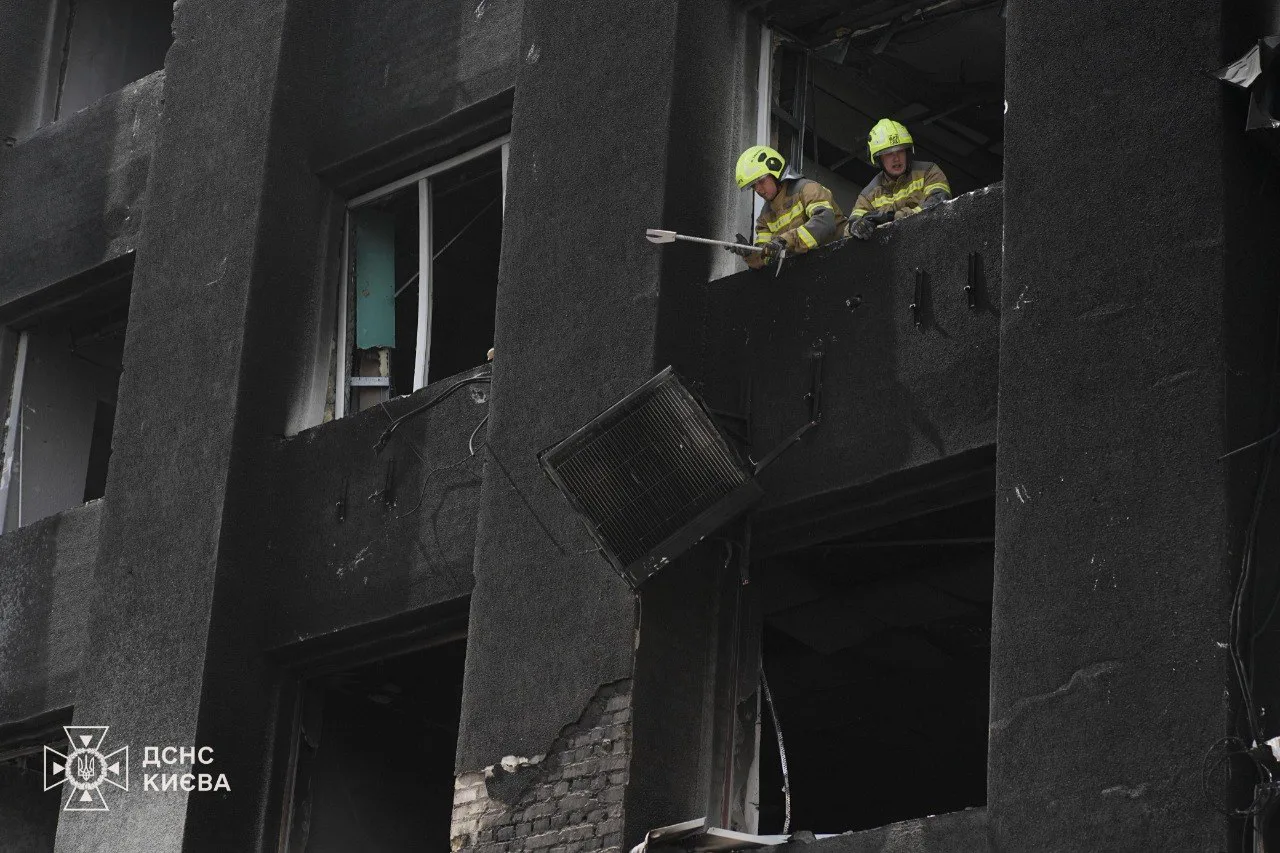
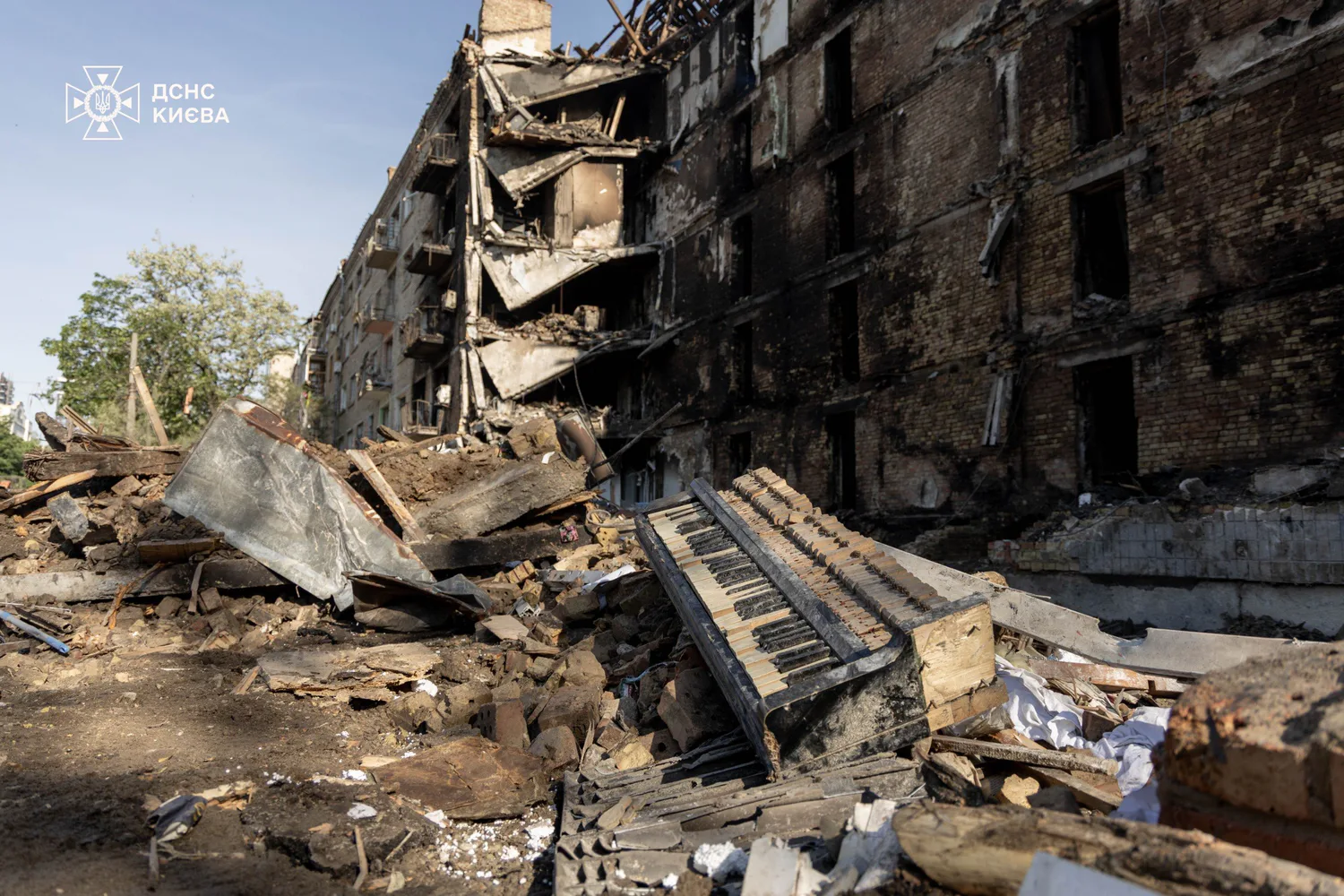
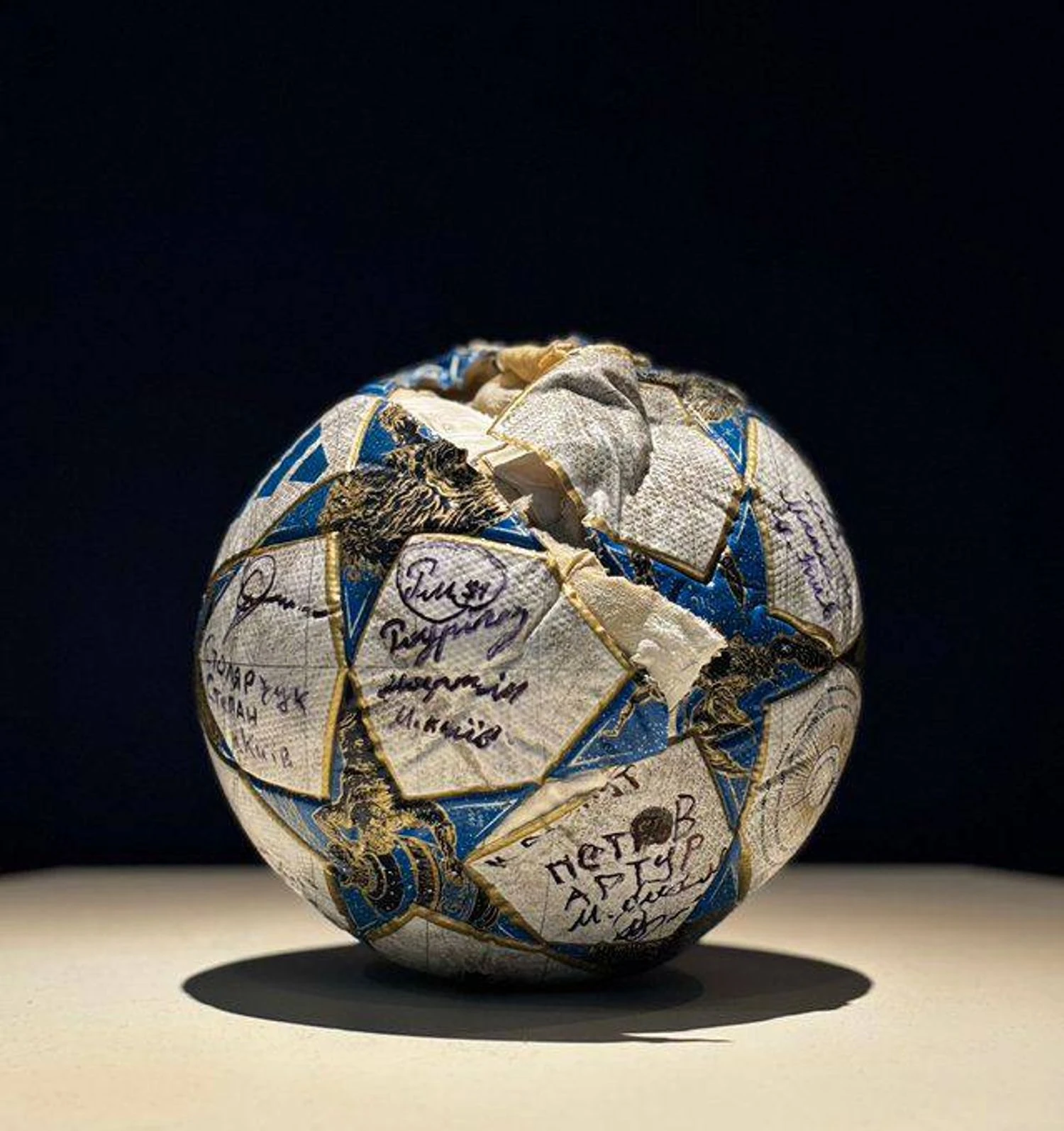
Students of the Lokomotiv football academy in Kyiv, whose training base was destroyed by a Russian missile on January 23, 2024, presented FIFA President Gianni Infantino with a special gift — a ball that survived one of the recent shellings of Kyiv. The children recorded a video message against the backdrop of the destroyed stadium. The gesture has symbolic and political significance — it is a call against Russia's return to international football and a demand to protect children's right to safe training.

By Tetiana Suchkova-Ladik
February 12, 2026 · 3 min read
What Happened
Young players from the Kyiv football club Lokomotiv, whose sports complex was destroyed on January 23, 2024 during a Russian missile strike, personally handed a football to FIFA President Gianni Infantino. The children signed a ball that survived one of the recent rocket attacks on Kyiv. The handover took place with the participation of EU Commissioner for Sport Glenn Micallef during a meeting at the UEFA Congress in Brussels. The information was published by the Ministry of Foreign Affairs of Ukraine.
"Today, young players from Kyiv's Lokomotiv football academy handed FIFA President Gianni Infantino a football. These children want to play, live and dream without fear."
— Ministry of Foreign Affairs of Ukraine
The Symbolism of the Gesture and the Key Demand
The ball that was given is not a souvenir — it is a message: the children are asking for protection and a clear stance from international football institutions. In their address, the young players emphasized the principles of fair play and directly linked them to the responsibility of competition organizers in the context of the ongoing aggression.
"Fair play means respecting opponents, rules, and all participants in competition. Russia does not respect these rules. We ask you to support the children of Ukraine, who want to play football and live without fear."
— Lokomotiv FC youth players
Reaction and Dynamics on the International Stage
While handing the ball to the FIFA President, EU Commissioner Glenn Micallef stressed: "These children want to play, live and dream without fear." This is especially significant against the backdrop of Infantino's statements about his readiness to "discuss" the possible return of Russian teams to international tournaments — words that heighten Ukrainian concerns.
The initiative was officially supported by Ukrainian Foreign Minister Andrii Sybiha and Minister of Youth and Sports Matvii Bidnyi. The joint position of the ministries is clear:
"Russia uses sport to justify its aggression, which is why its return to football is unacceptable. We call on FIFA to act consistently and on principle — to maintain Russia's exclusion from international competitions."
— Joint statement of the ministries
Minister Sybiha also highlighted the human toll — nearly 700 children who will never be able to play again because of the war.
Context: Sport, Responsibility, Reputation
This issue goes beyond entertainment or ratings. Global football governing bodies face a choice between pressure to remain apolitical and the risk of sportswashing — the use of sport for the political and reputational rehabilitation of an aggressor state. The gesture of the Kyiv children brings this debate into the realm of ethics and the safety of young athletes.
Lokomotiv is the oldest football club in Kyiv, founded in 1919. After the destruction of its base, it became a shelter for more than a hundred children who lost their homes due to the war. Today, over 1,000 young athletes train at the academy, including children of military personnel, railway workers, and internally displaced persons.
What Comes Next
The ball that travelled from Kyiv to FIFA headquarters is a reminder of the world's shared responsibility for the future of Ukrainian sport. The next steps depend on whether international institutions have the political will to uphold the principles of accountability rather than rushing toward reintegration. The answer will affect not only football's reputation, but also the possibility of a safe childhood for Ukrainian athletes.