Deliberate strike on a Kyiv hospital: 1 killed, others wounded, prompting an investigation
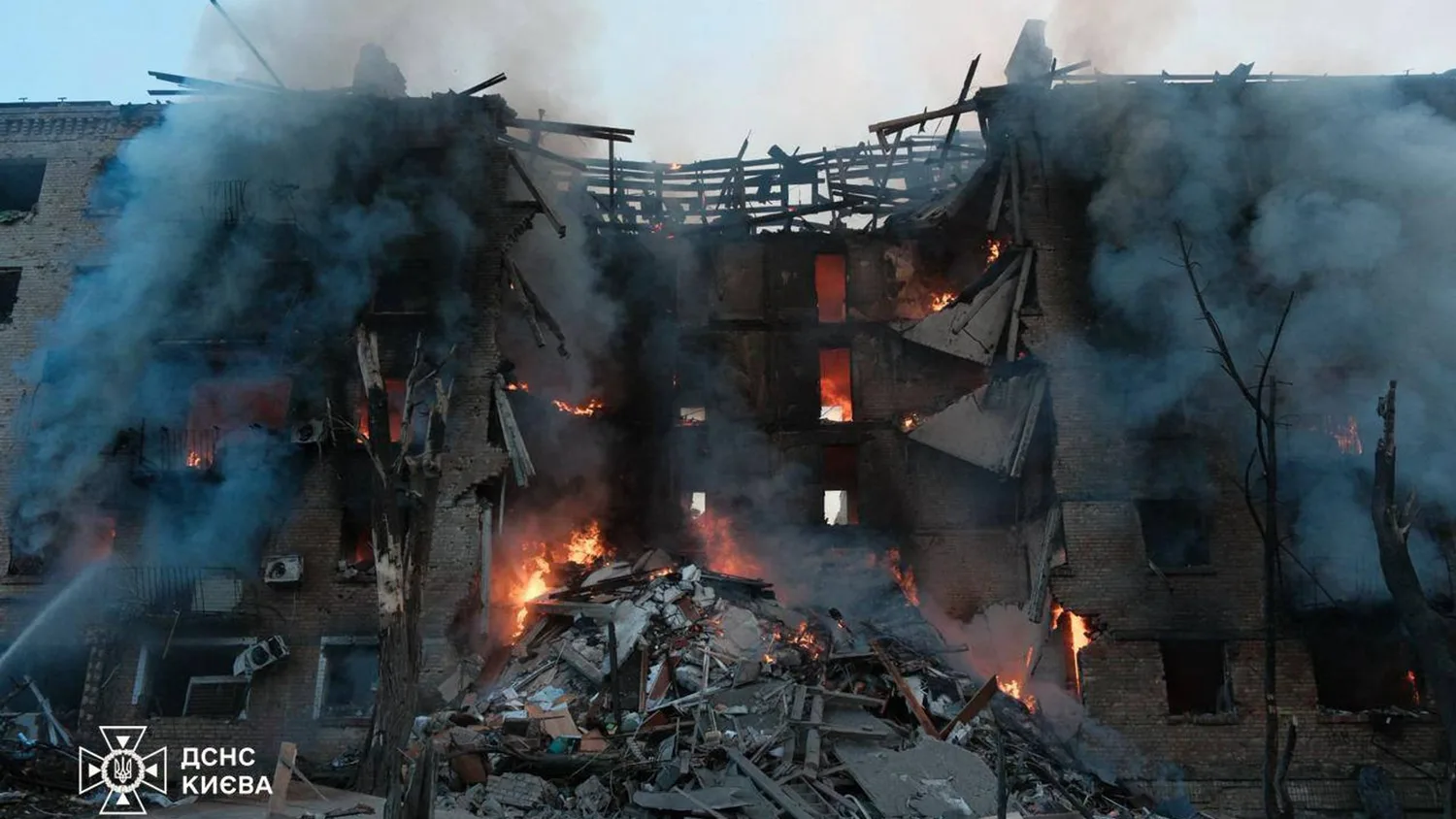
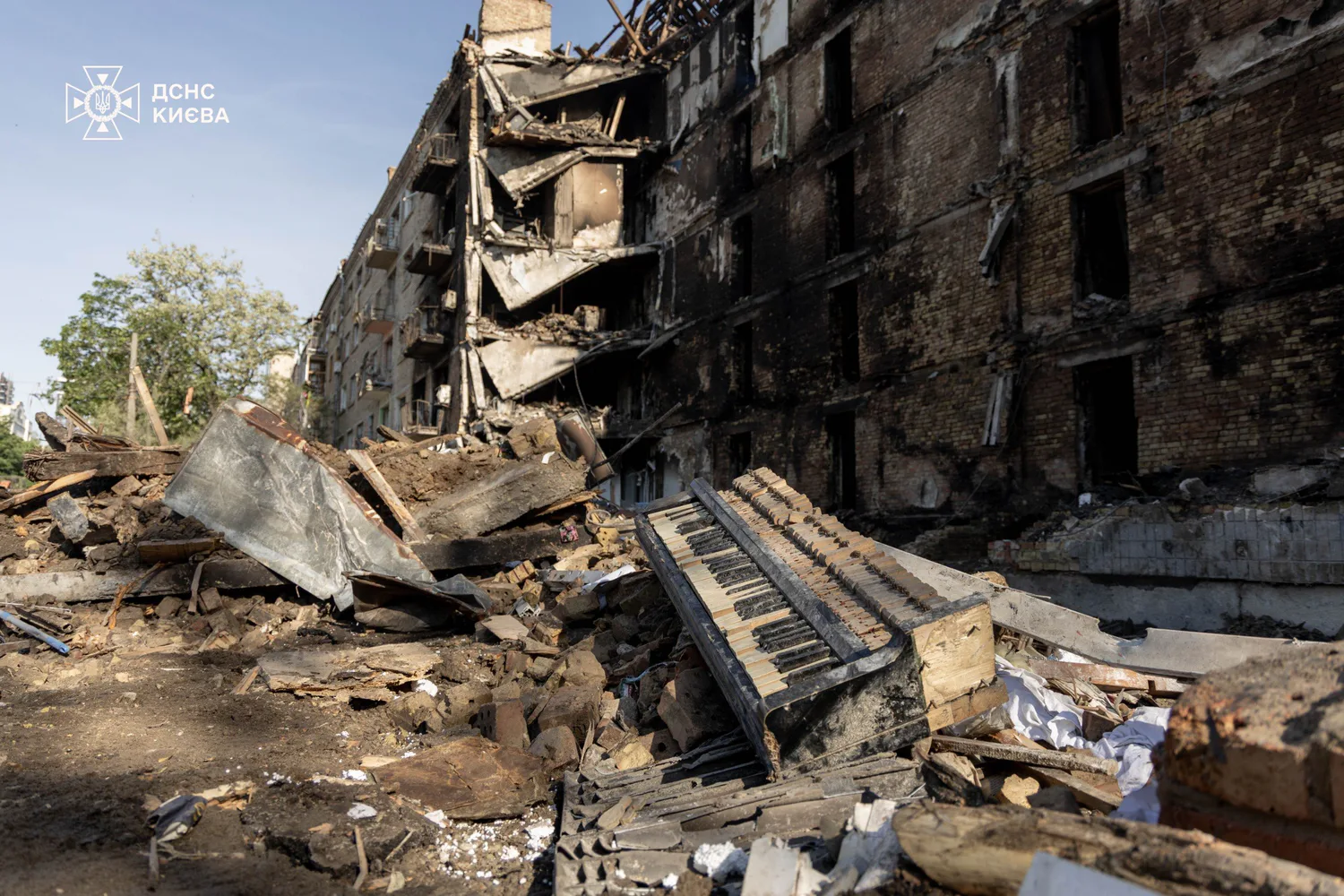
On the night of January 5, Russian forces struck a medical facility in Kyiv's Obolon district — this is not only a tragedy for the families of the victims, but also a signal of escalation that requires an international response and documentation.

By Tetiana Suchkova-Ladik
January 5, 2026 · 1 min read
What happened
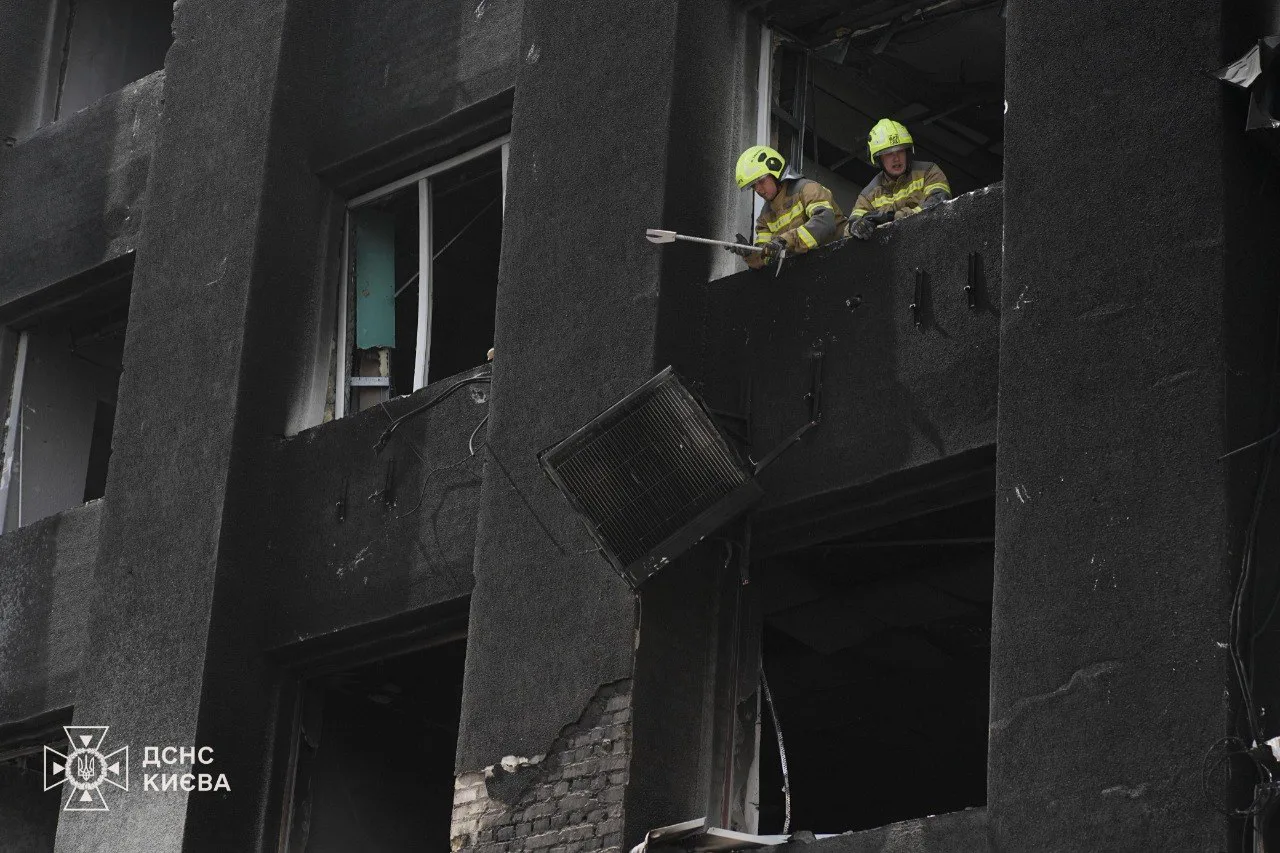
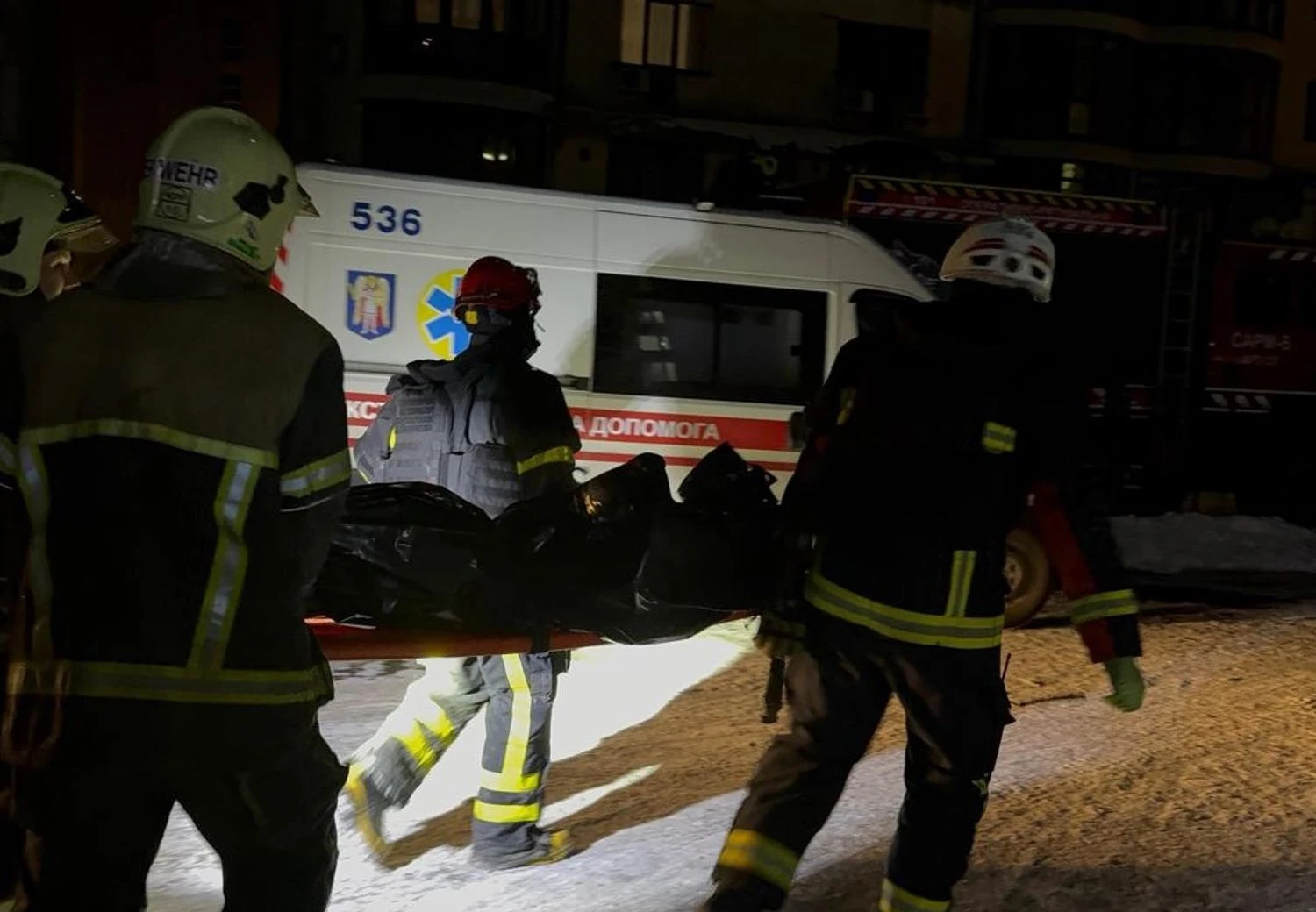
On the night of January 5, Russian forces carried out a direct strike on a hospital in the Obolon district of Kyiv. The attack was reported on Telegram by the head of the Center for Countering Disinformation of the NSDC, Andriy Kovalenko; the message was also reported by UNN. One person was killed as a result of the shelling.
"The Russians struck a hospital in Kyiv with a direct hit. The strike was deliberate"
— Andriy Kovalenko, head of the Center for Countering Disinformation of the NSDC
Consequences for the wounded and the system
The State Emergency Service reported 4 people injured, two of them in serious condition; a further 16 people were evacuated to municipal hospitals. Damage to the medical facility undermines access to emergency care and creates additional strain on the capital's healthcare system.
Why this matters
A deliberate hit on a hospital is not an isolated incident in the context of this war. Such strikes have two dimensions: humanitarian — civilian suffering and loss of medical infrastructure; legal — a potential violation of the norms of international humanitarian law. Experts and human rights organizations emphasize that attacks on medical facilities require immediate documentation and an international investigation.
What next
An urgent investigation, collection of evidence and provision of assistance to those affected are needed. At the same time, this is a test for international partners: whether declarations condemning the attacks will be turned into concrete measures — support for medical logistics, strengthening air defenses for civilian infrastructure, and sanctions against the responsible entities.
While investigators work, it is important to keep a cool head and document the facts: this will determine not only compensation for damages, but also the principled response of the international community.