Denied access to shelter during heavy shelling: police filed a report against a parking garage guard in Kyiv
During a nighttime attack on the city, a guard at an underground parking garage restricted access to a shelter — the police intervened promptly. This is not only an offense but also a reminder that safety depends on everyone’s actions.

By Tetiana Suchkova-Ladik
January 9, 2026 · 2 min read

What happened
Capital law enforcement officials have brought administrative charges against a 61-year-old guard of an underground parking garage in the Dniprovskiy district of Kyiv. During a heavy shelling of the capital, he, according to the Main Directorate of the National Police in Kyiv (quoted by UNN), restricted people's access to the premises where cars were parked, justifying this by saying that “this area is not intended as a shelter” and that residents should remain on the vehicle entry and turning area.
"Tonight, during heavy shelling of the capital by Russian forces, the guard of an underground parking facility that is part of the civil protection system restricted citizens' access to the premises where cars were parked. The offender explained his actions by saying that this particular area is not intended as a shelter, and that citizens during an alert should remain only on the vehicle entry and turning area"
— Main Directorate of the National Police in Kyiv
Within minutes the police restored access to all rooms of the protective facility and drew up an administrative report under Article 175‑3 of the Code of Ukraine on Administrative Offenses (КУпАП) (violation of requirements for the maintenance and operation of facilities of the civil protection protective-structures fund).
Why it matters
In the context of shelling, even a single decision — whether to open or close a door — can have fatal consequences. Responsible persons at civil protection facilities must clearly know which premises are designated as shelters and act according to instructions. When this does not happen, the risk to people increases regardless of the guard's intentions.
Law and consequences
The police acted quickly: they restored access and filed a report. This demonstrates two things — on one hand, the response mechanism works; on the other, there are gaps in knowledge or compliance with requirements for operating protective structures. Lawyers and civil protection specialists emphasize: administrative liability is a standard tool, but staff training and clear marking of shelters are also important.
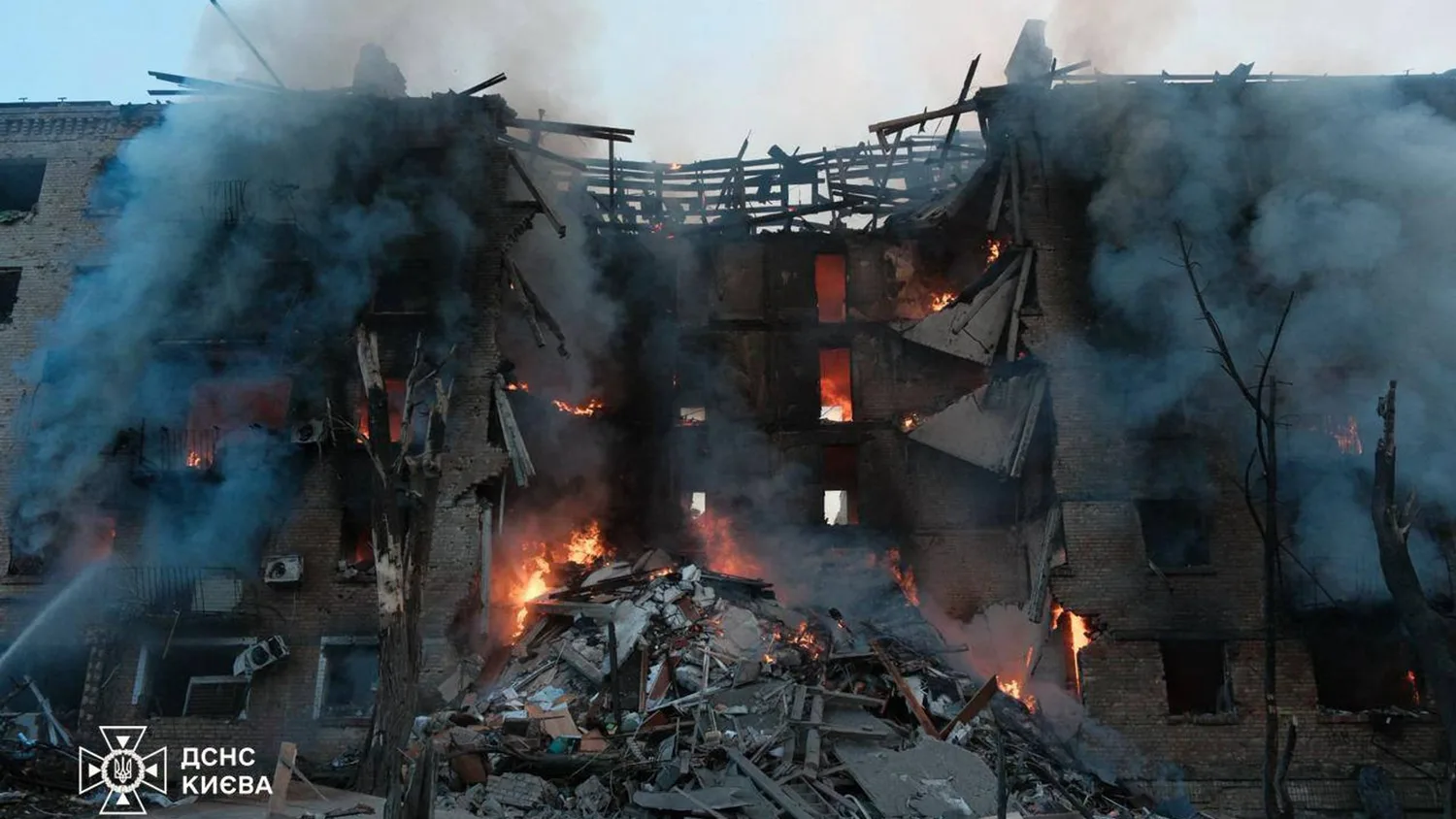
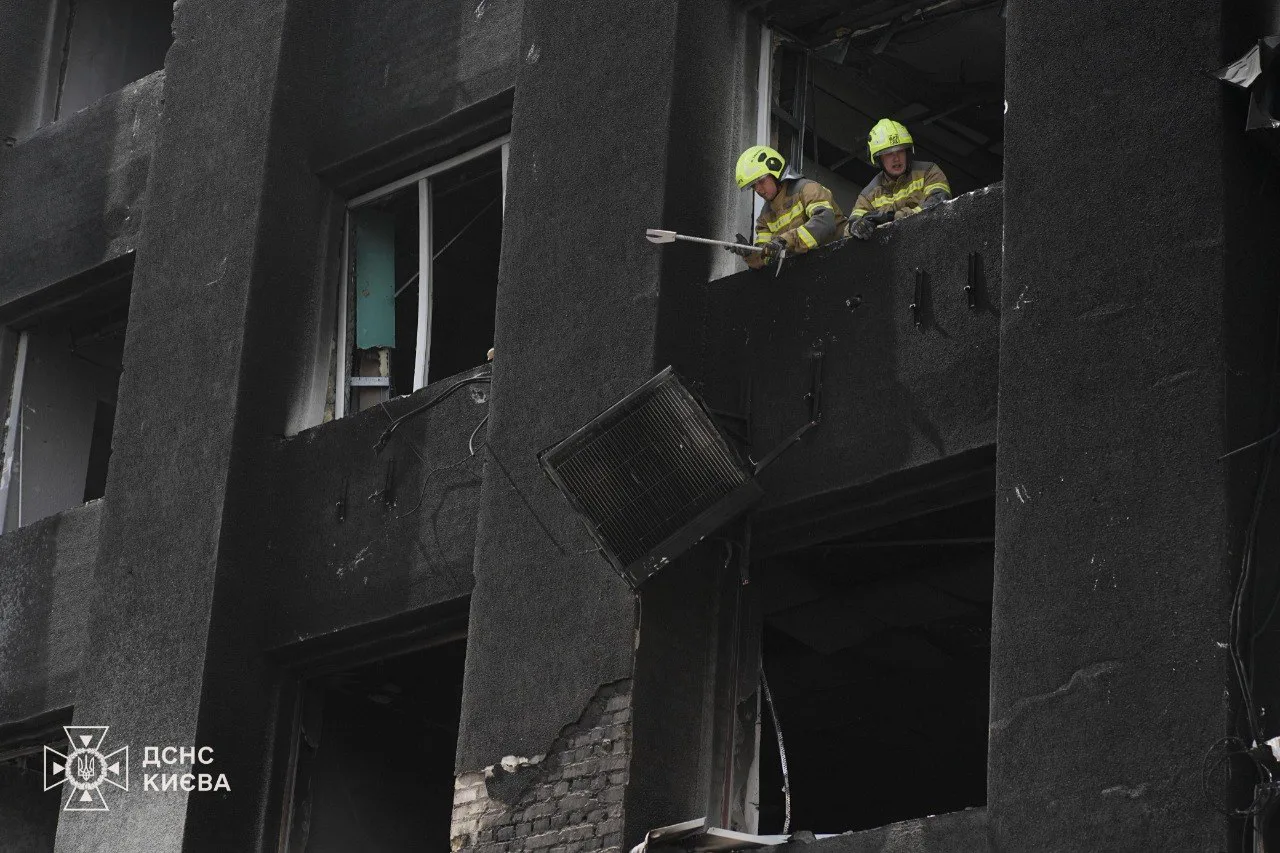
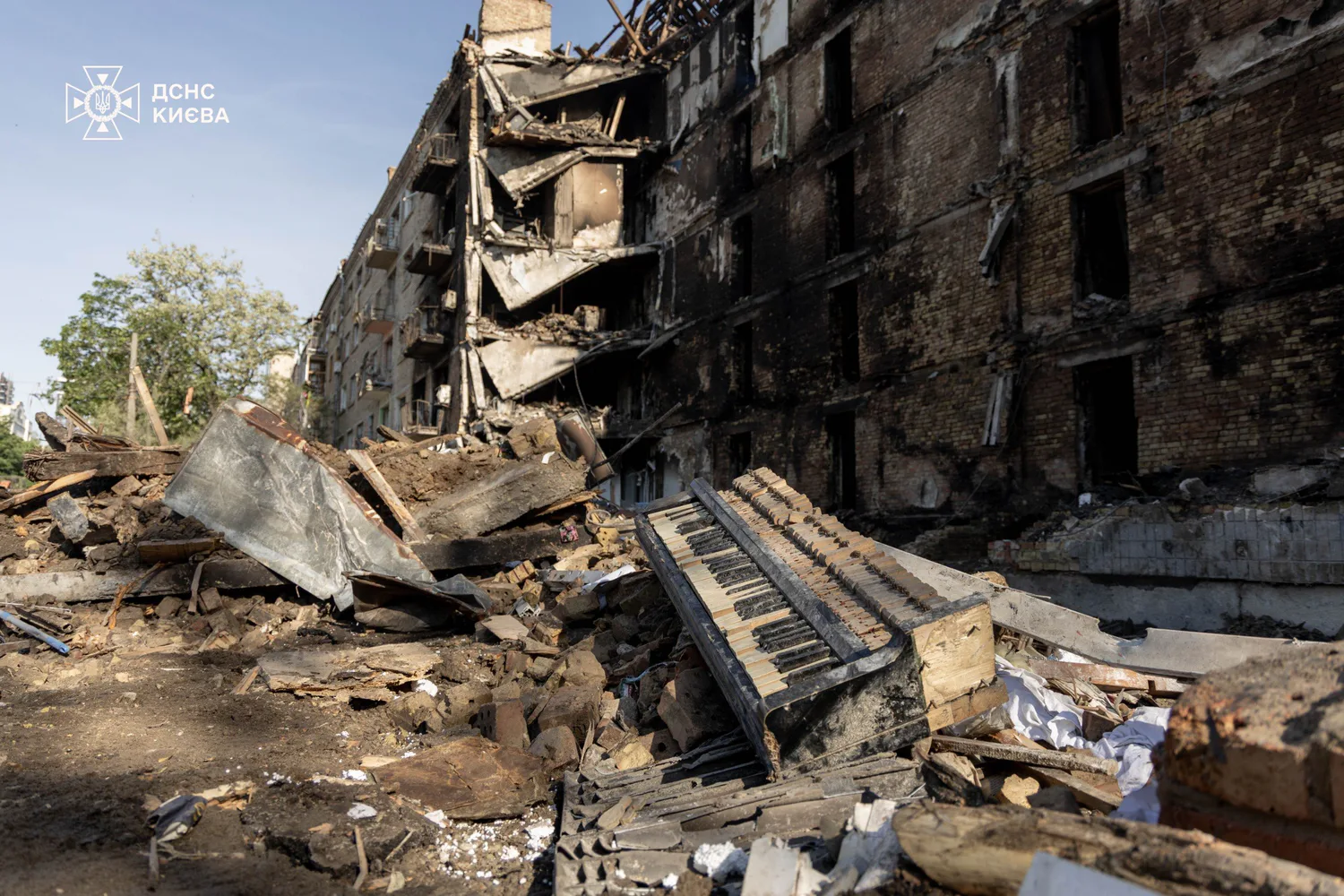
At the same time, the Kyiv prosecutor's office identified the victims of the same nighttime attack: a 49-year-old woman; men aged 41 and 54; and a 56-year-old medical worker. This is a reminder of the reality of the threats and that any delay can cost lives.
What’s next
Expected consequences include not only a fine for the guard but also intensified inspections of facilities in the protective-structures fund, briefings for personnel, and public information campaigns about the procedures to follow during an alert. For a resident this means a simple thing: in a critical moment seek the most reliable shelter and insist on access to it. For authorities — make instructions obvious and work on prevention.
The question remains open: how quickly will the system turn adequate responses into standard practice to minimize such risks in future alerts?