Night attack on Kyiv: one injured, 5,600 homes without heat — Left Bank temporarily without water
After a nighttime strike on the capital — there are disruptions to electricity, water and heating. We explain who is affected and when to expect services to be restored.

By Tetiana Suchkova-Ladik
January 20, 2026 · 2 min read
What happened
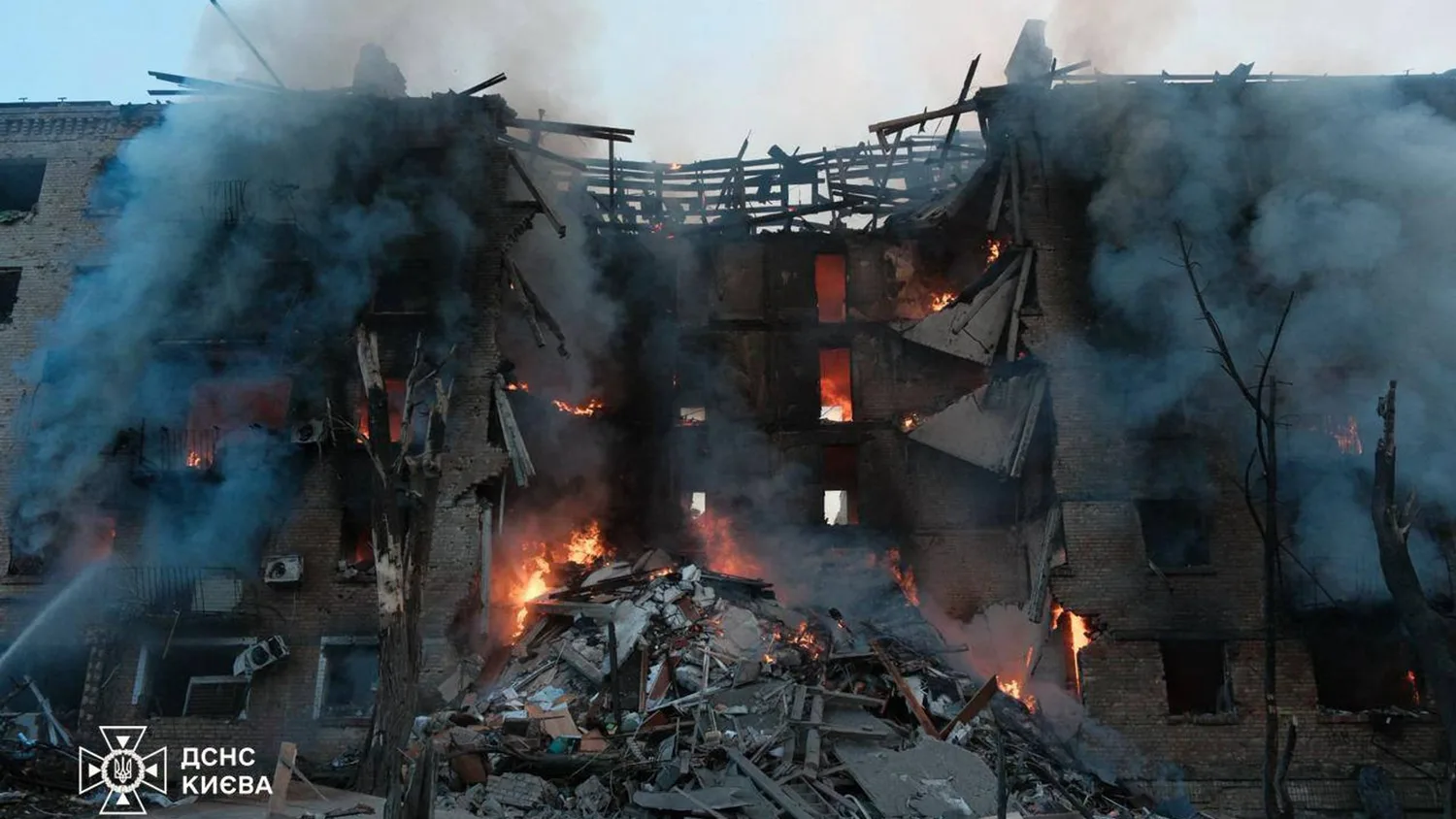
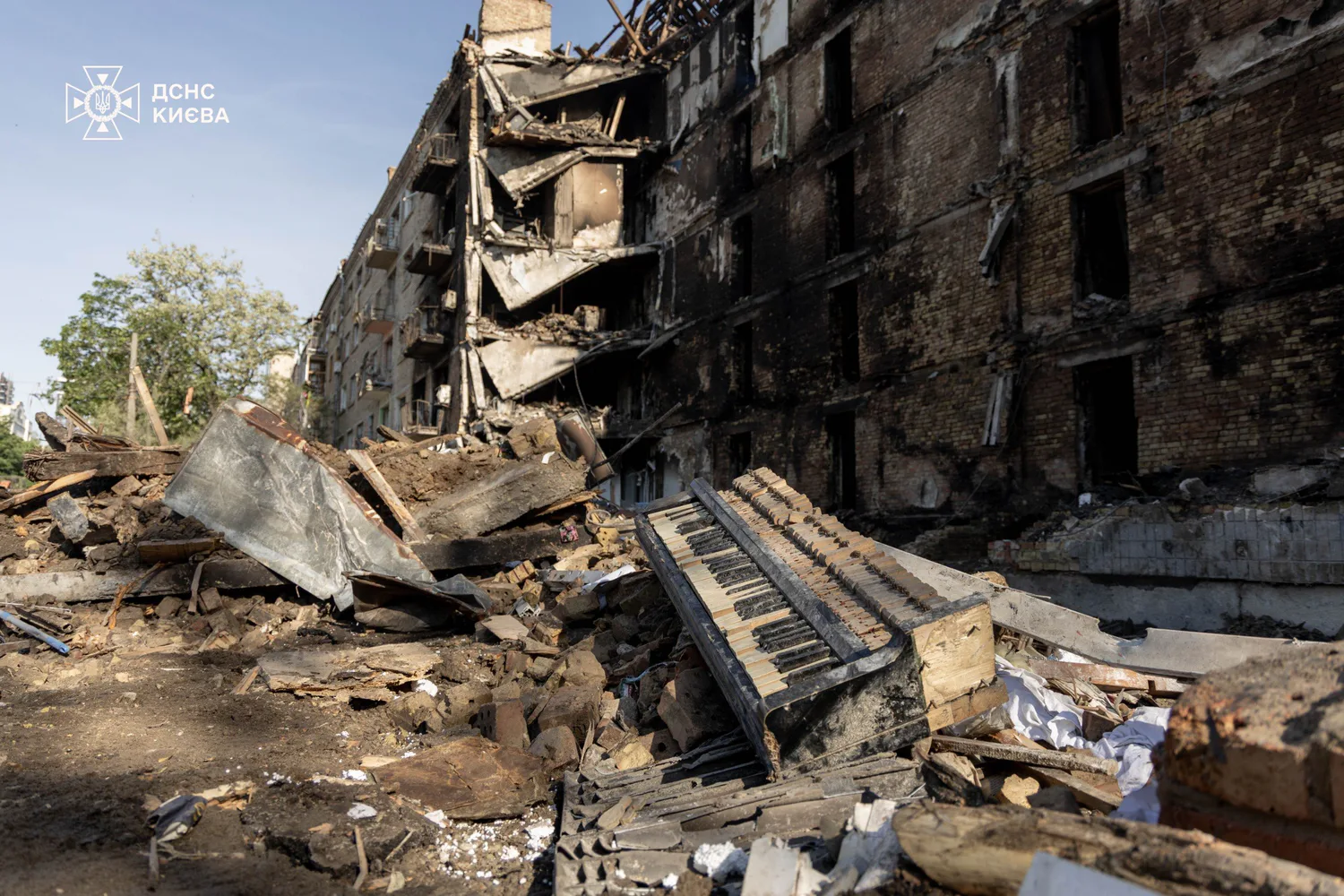
In the night of January 20, as a result of an attack by the Russian Federation, one person was recorded injured in Kyiv — a resident of the Dniprovskyi District, who is receiving inpatient treatment at a Kyiv hospital, Mayor Vitali Klitschko reported on Telegram (source: UNN).
The strike caused interruptions to power and water supplies, as well as widespread heating outages: 5,635 apartment buildings were left without heat.
Who was affected
The left bank of the capital was hit hardest — there the water supply is temporarily out and power outages are being observed. The mayor clarified that almost 80% of the mentioned buildings are those to which heating had been restored after damage on January 9.
"One person injured in the Dniprovskyi District as a result of the enemy's attack is receiving inpatient care at one of the city's hospitals"
— Vitali Klitschko, Mayor of Kyiv
Utility crews and risks
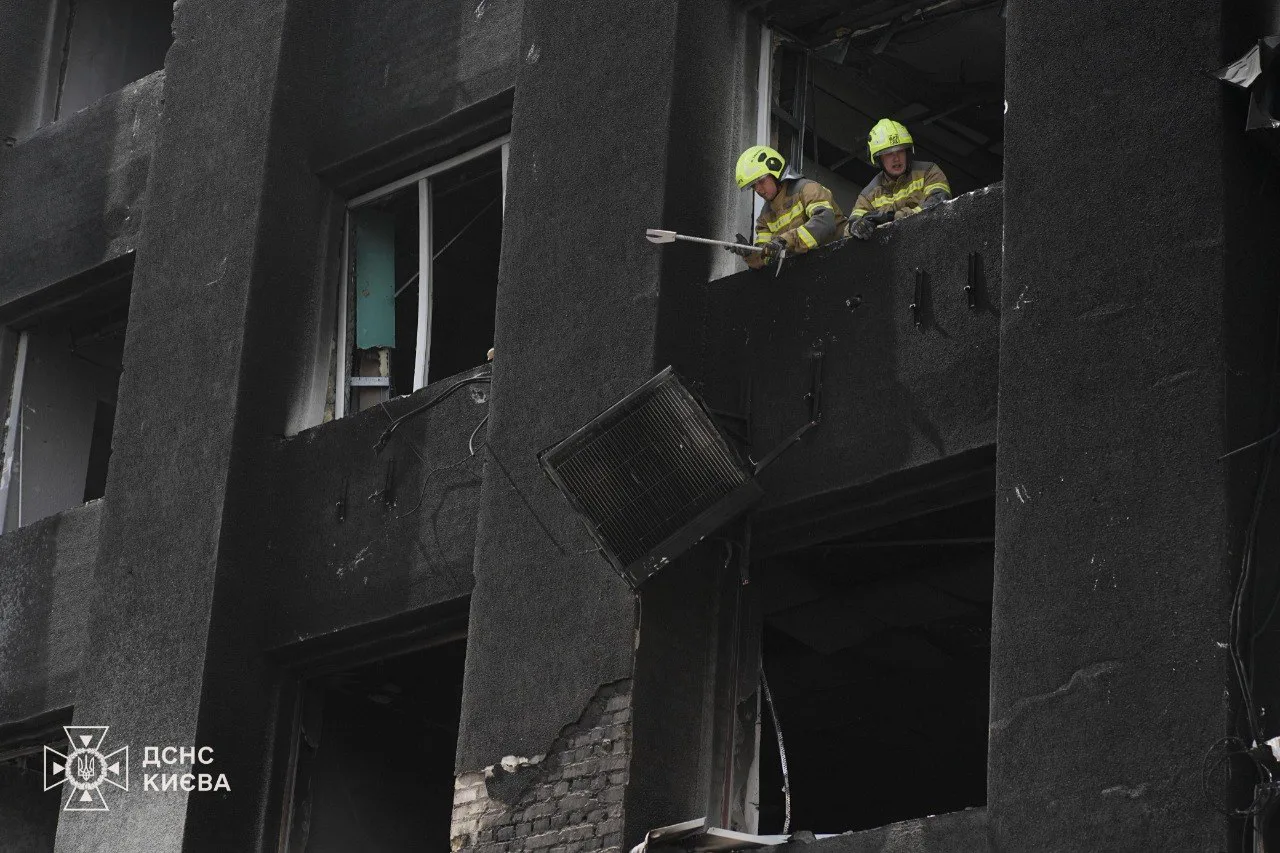
Utility services and energy crews are working to restore heat, water and electricity, but the process is complicated by damage to critical infrastructure and the city's energy situation. The Kyiv metro has already altered train operations due to difficulties with electricity supply.
Experts note that restoring services depends not only on crews on the ground, but also on the stability of electricity supply, reserve capacity and weather conditions — factors that affect the comfort and safety of vulnerable population groups.
What it threatens and what’s next
In the short term — there is a risk of deteriorating living conditions for thousands of Kyiv residents, particularly the elderly and families with children. The average time for restoration will be determined by the results of the work by energy crews and the extent of infrastructure damage.
It is now important that city authorities and services provide clear restoration timelines and priorities for the most vulnerable neighborhoods. Without transparent schedules, the risk of social tension and additional humanitarian needs increases.
While utility crews are working in an intensified mode, the question remains: will there be enough resources and time to avoid humanitarian consequences in the coming days?