Night attack on Kyiv: half of apartment blocks left without heat — mayor urges residents to temporarily evacuate
A massive overnight attack by Russia knocked key infrastructure in the capital out of service: heating, water and electricity — hundreds of thousands of Kyiv residents were affected. We explain what happened, the consequences, and what to do right now.

By Tetiana Suchkova-Ladik
January 9, 2026 · 2 min read

Briefly
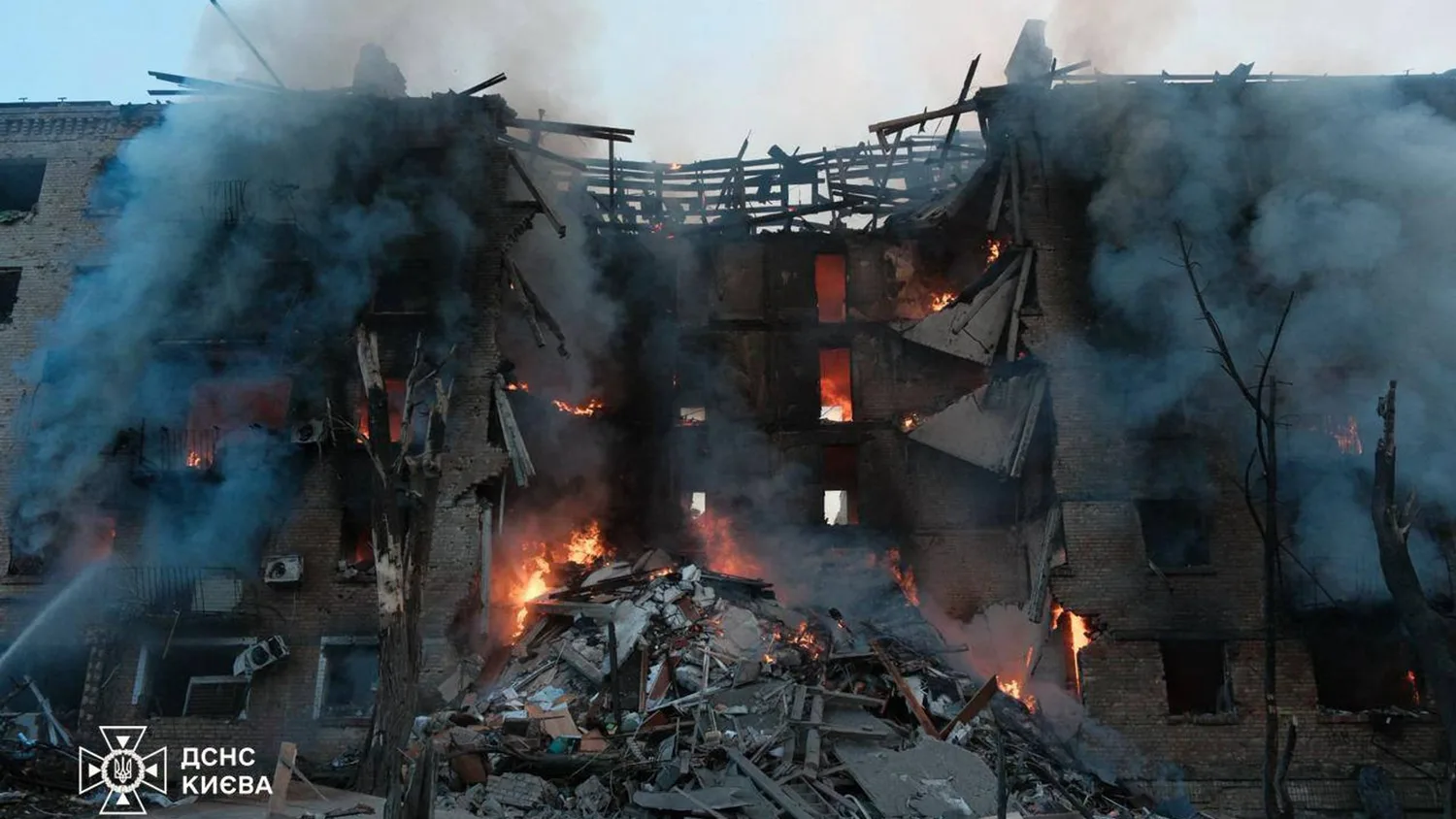
A massive nighttime attack by Russia put key critical infrastructure facilities in Kyiv out of service. Half of the apartment buildings — nearly 6,000 — are temporarily without heating; there are outages of water and electricity in several districts. This will directly affect hundreds of thousands of residents, especially given difficult weather conditions.
What happened
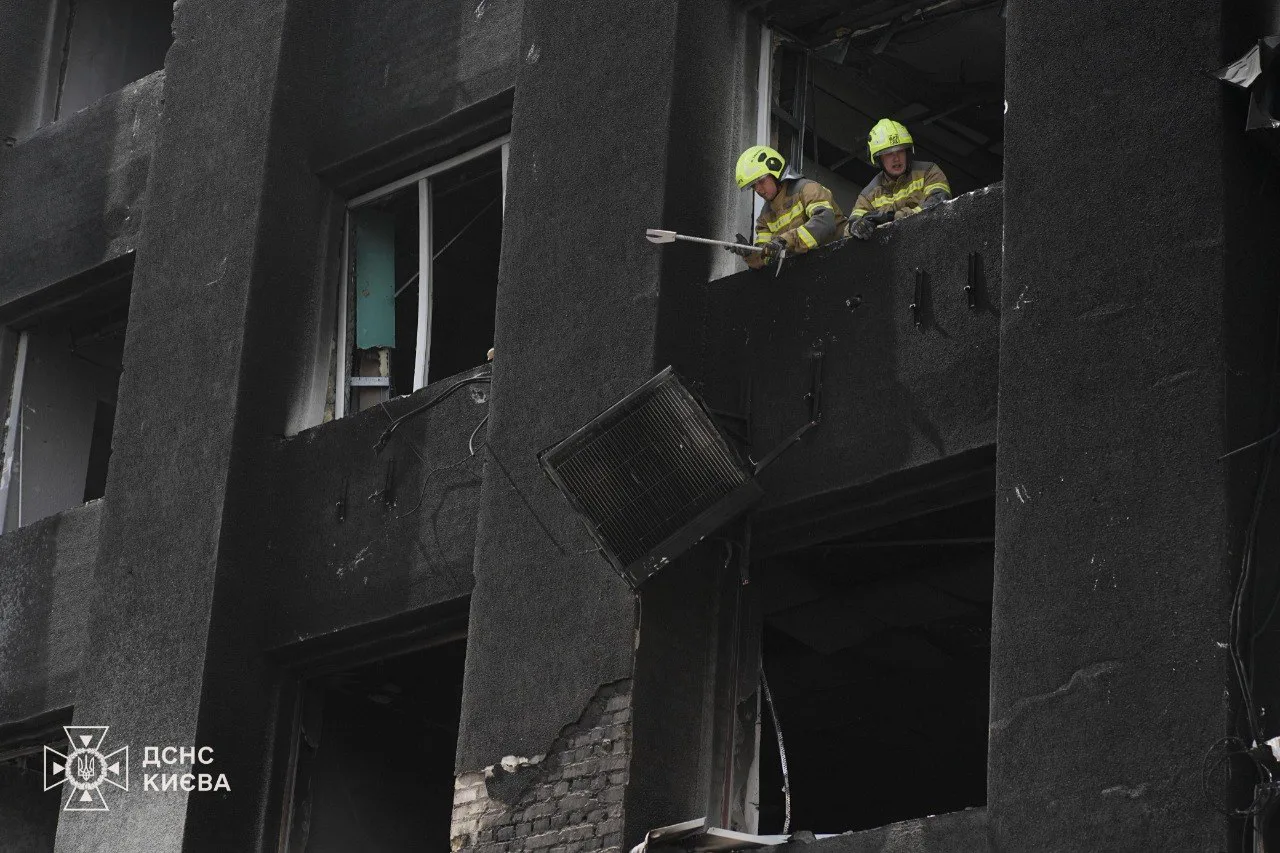
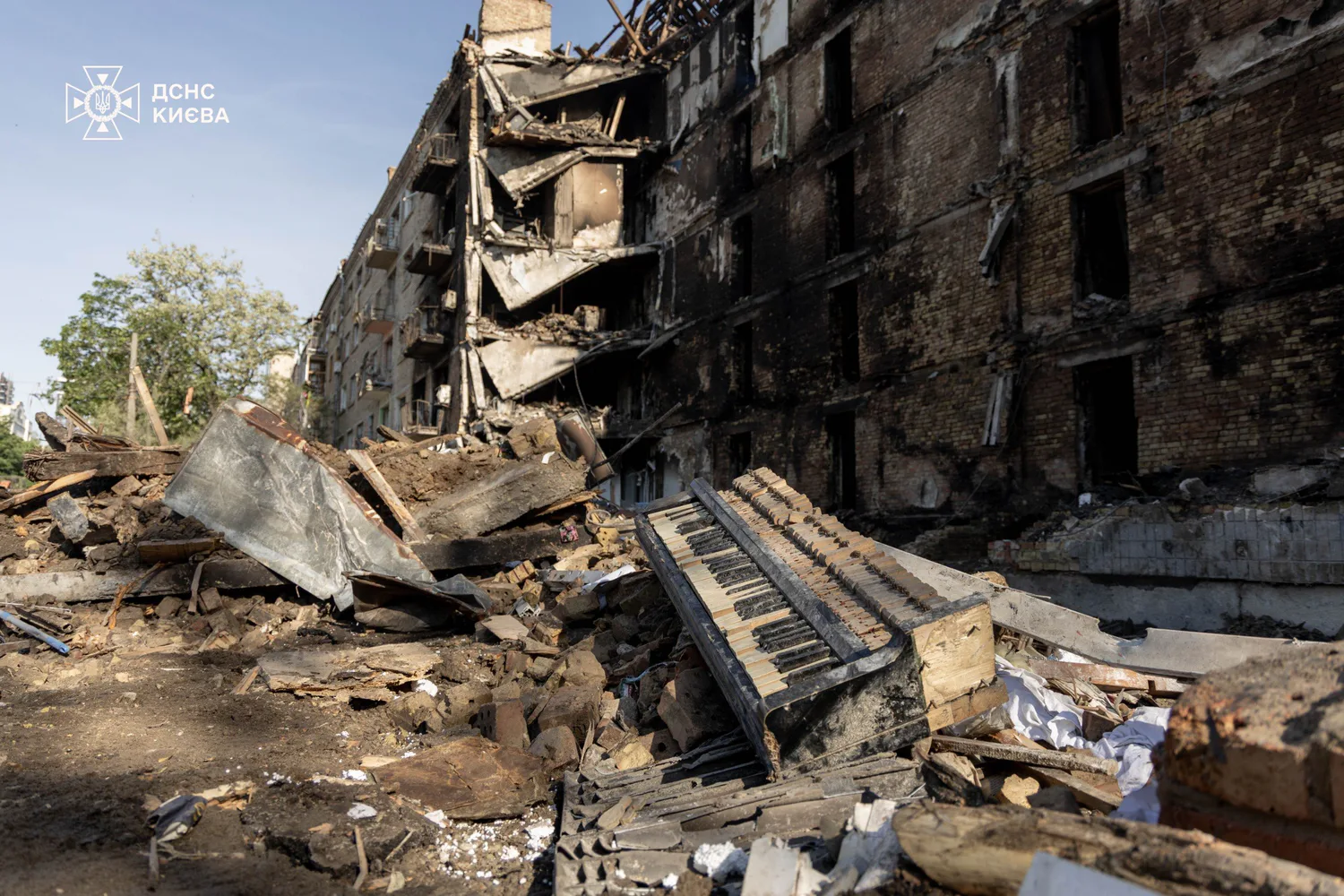
According to a message from Mayor Vitali Klitschko on Telegram (via UNN), the combined attack lasted about five hours and damaged boiler houses, substations and other energy facilities. Due to damage to the network, a number of buildings were left without electricity and heating, and there were interruptions to water supply in some districts.
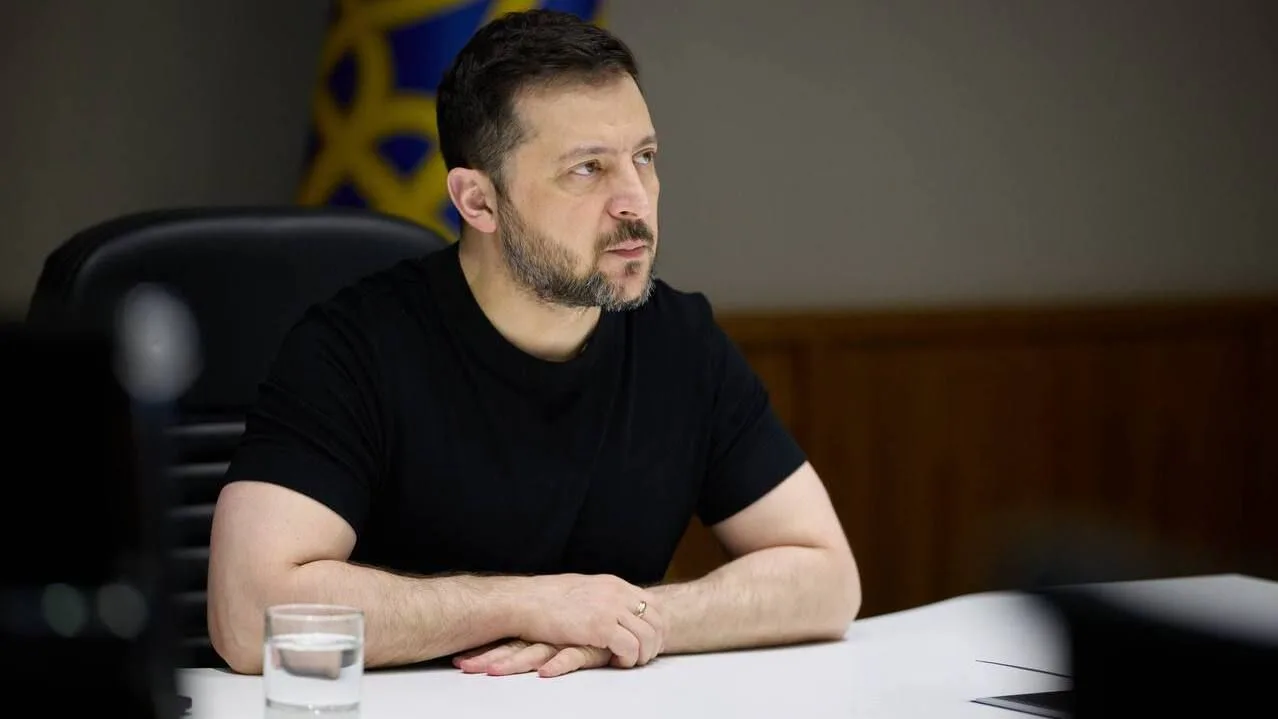
"Russia's attack last night was the most painful for the capital's critical infrastructure"
— Vitali Klitschko, mayor of Kyiv
Actions by authorities and services
City services are operating in emergency mode: energy and utility crews are quickly restoring networks, with hospitals and maternity wards prioritized — mobile boilers have been connected to them. In some districts, utility workers were advised to drain water from internal building systems to prevent network failures, a Member of Parliament and member of the relevant committee reported.
"According to my information, in many districts of Kyiv municipal workers received an order to drain water from internal building systems"
— Oleksiy Kucherenko, MP, member of the Committee on Energy and Housing and Utilities
What residents should do
If you can temporarily go to places with alternative heating and electricity, consider this option. For those who remain: prepare a supply of water and warm clothing, charge portable batteries, follow the advice of emergency services and wait only for official information from the Kyiv City State Administration (KCSA) and energy providers. Solidarity with neighbors and attention to vulnerable people (the elderly, infants, people with chronic illnesses) are now critically important.
"I appeal to the residents of the capital: if you have the opportunity to temporarily leave the city for places where there are alternative sources of power and heat, do so"
— Vitali Klitschko, mayor of Kyiv
Brief outlook
Damage to infrastructure amid adverse weather conditions may delay full restoration of services. This is a task not only for city emergency crews — coordination with the government and partners is needed to speed up repairs and provide backup energy sources. For Kyiv residents, the key now is preparation, informational caution and mutual assistance; recovery will be the next step to watch closely.