Replenish water supplies: Kyiv prepares for possible shelling during the cold season
The Kyiv City State Administration asks residents to check their supplies of drinking and technical (non‑potable) water — a simple precaution that protects families and eases the burden on municipal services. We explain how much to store and how.

By Tetiana Suchkova-Ladik
February 11, 2026 · 2 min read
Brief
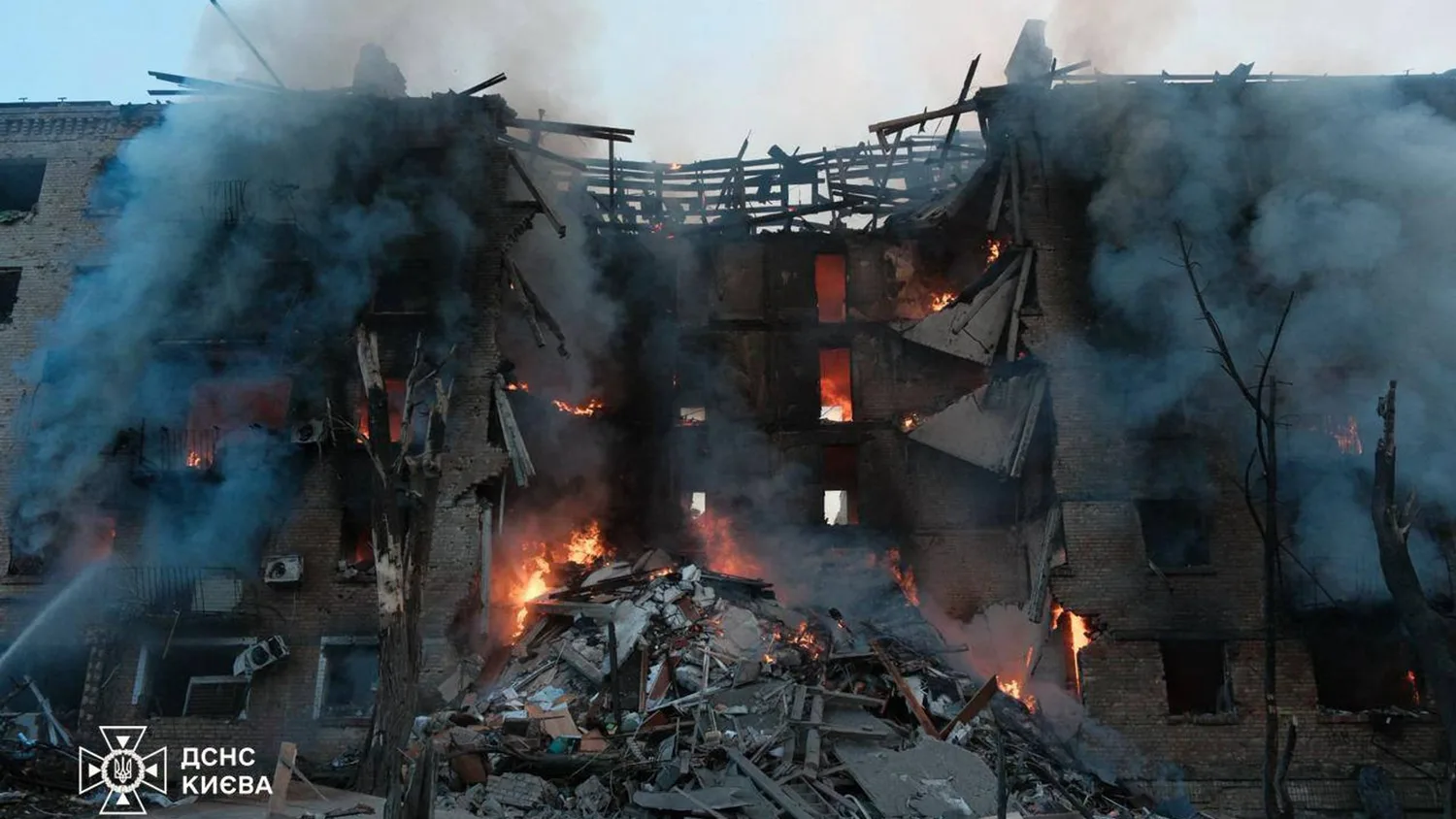
The Kyiv City State Administration (KSCA), via UNN, urged Kyiv residents to check and replenish their water supplies in case of new enemy shelling during the heating season. This is not panic — it is simple civil preparedness that reduces risks for families and allows municipal services to work more effectively.
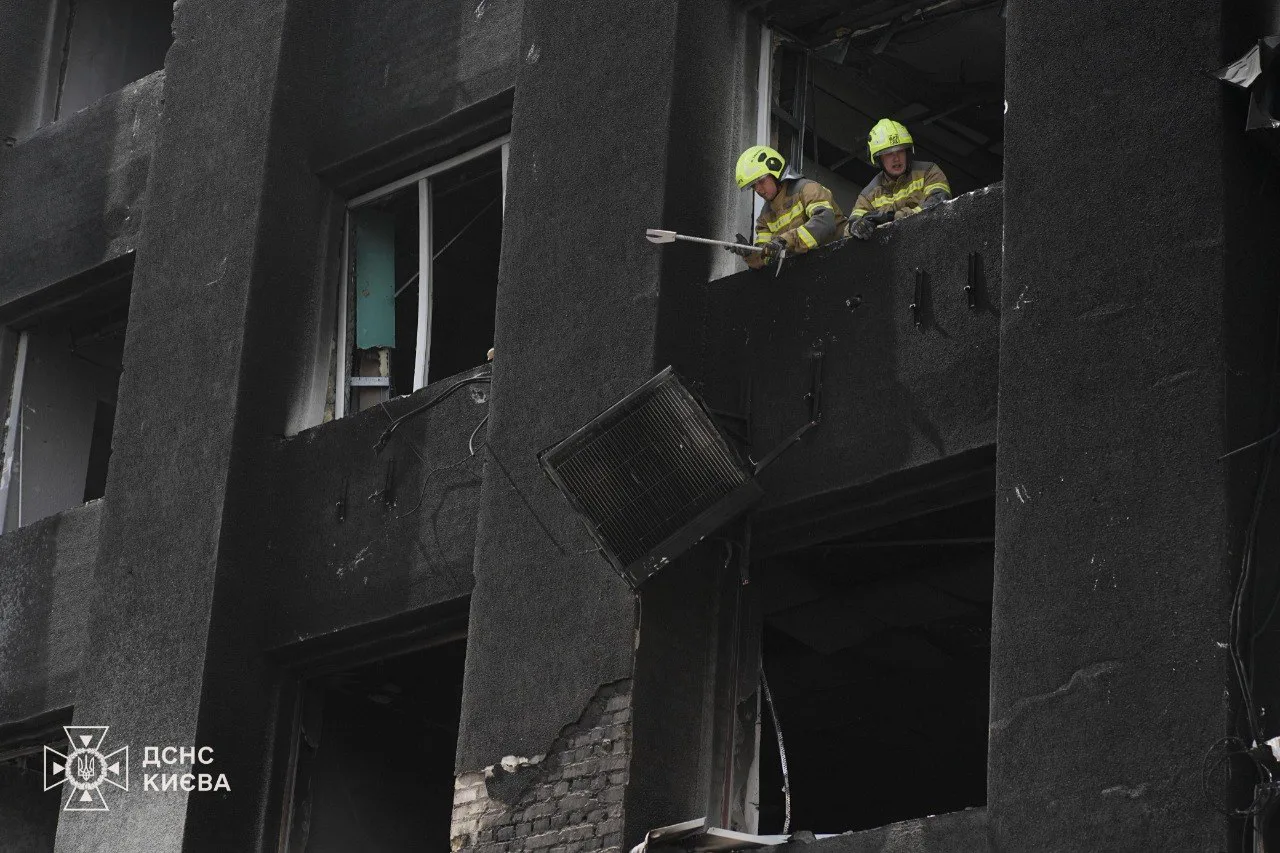
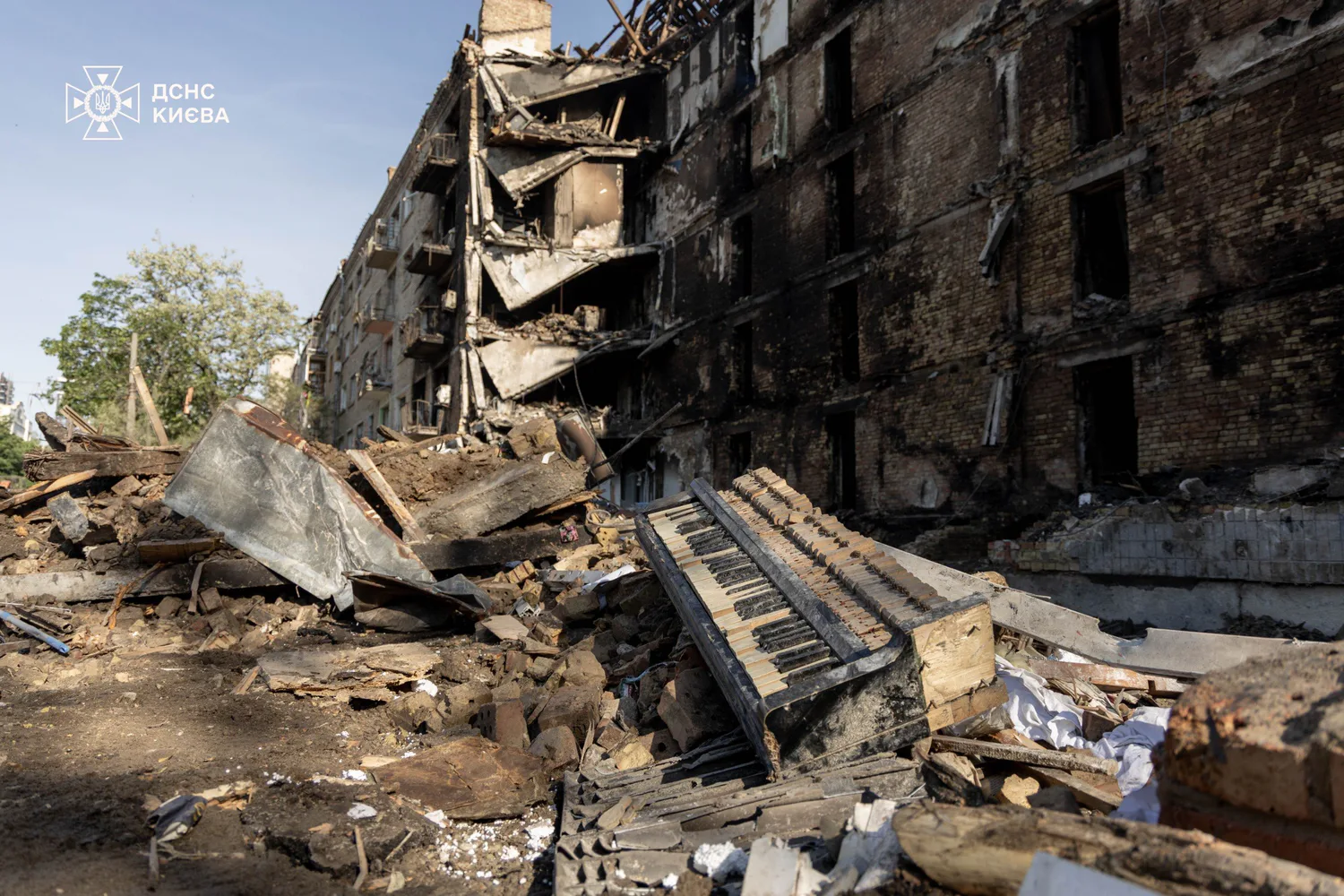
Kyiv is resisting the enemy during one of the most difficult heating periods. Municipal services and energy workers are operating around the clock. While temperatures remain low, there is a risk of new enemy attacks
— Kyiv City State Administration (message via UNN)
How much is needed and why
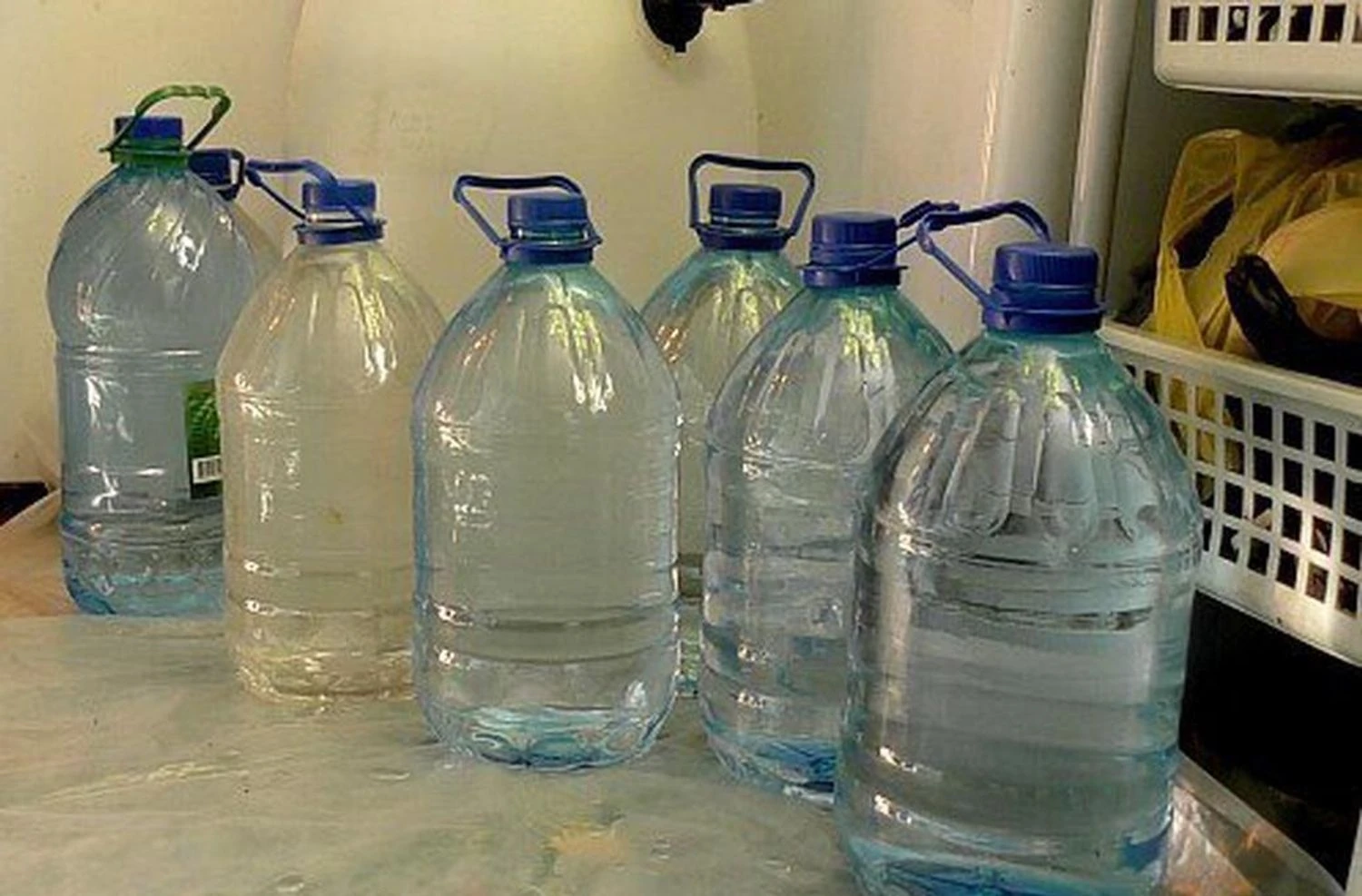
The KSCA message provides a recommended daily allowance per person: 3 L of drinking and 10–12 L of technical (non-potable) water for hygiene and cooking. Why this amount: even short interruptions in supply require a reserve for drinking, cooking and basic hygiene — this minimizes the need for emergency deliveries and reduces the risk of additional strain on rescue services.
Recommended daily allowance per person: 3 liters of drinking and 10–12 liters of technical water for hygiene and cooking
— Kyiv City State Administration
Practical steps — what to do today
A small investment of time now can save hours and nerves during a crisis. Recommendations:
- Check bottles and containers: replace drinking water that has been stored for more than 6 months.
- Store drinking water in clean food-grade containers, in a dark, cool place; label with the filling date.
- Technical water can be kept in bathtubs, clean buckets or canisters — it can be used for washing and for cooking after boiling.
- Save water during outages: shorter showers, use leftovers for cooking, boil technical water before consumption.
- Report network damage to the appropriate services — this helps prioritize repairs and reduce recovery time.
Additionally: icicles and safety
Rescuers warn that warming temperatures increase the risk of falling icicles. Keep a distance from eaves, do not park cars under façades with large amounts of snow, and report dangerous areas to the services.
In Kyiv, warming increases the risk of falling icicles
— rescuers (statement)
Conclusion
Replenishing water supplies is a concrete, simple and effective action that increases your safety and helps the city cope with the consequences of attacks or accidents. If every Kyiv resident takes this step today, the city will be more resilient tomorrow. Have you already checked your supply?