Heating in January: Kyiv did not charge for a service that wasn’t provided — what will change on utility bills
Municipal enterprise "Kyivteploenergo" did not charge for the period in January when heating was not provided due to enemy shelling. Part of January will be added to the February bills that Kyiv residents will receive in March — we explain who will be affected and how to check the bill.

By Tetiana Suchkova-Ladik
February 21, 2026 · 2 min read
Briefly
Kyivteploenergo did not charge for centralized heating in January bills for periods when the service was effectively not provided due to infrastructure damage from enemy shelling. The portion of January when heating was uninterrupted will be added to the February bills, which will arrive in March.
What the company said
"Kyivteploenergo did not charge for heating in the bills that Kyiv residents received in February. Charges for part of January will be added to the February bills that will be sent in March. Charges will concern only that period of January when heating was provided uninterrupted and in full — from the beginning of the month until the first attack that disrupted the operation of the heat supply system."
— reported KP "Kyivteploenergo" (quote via UNN)
Why this happened (short and to the point)
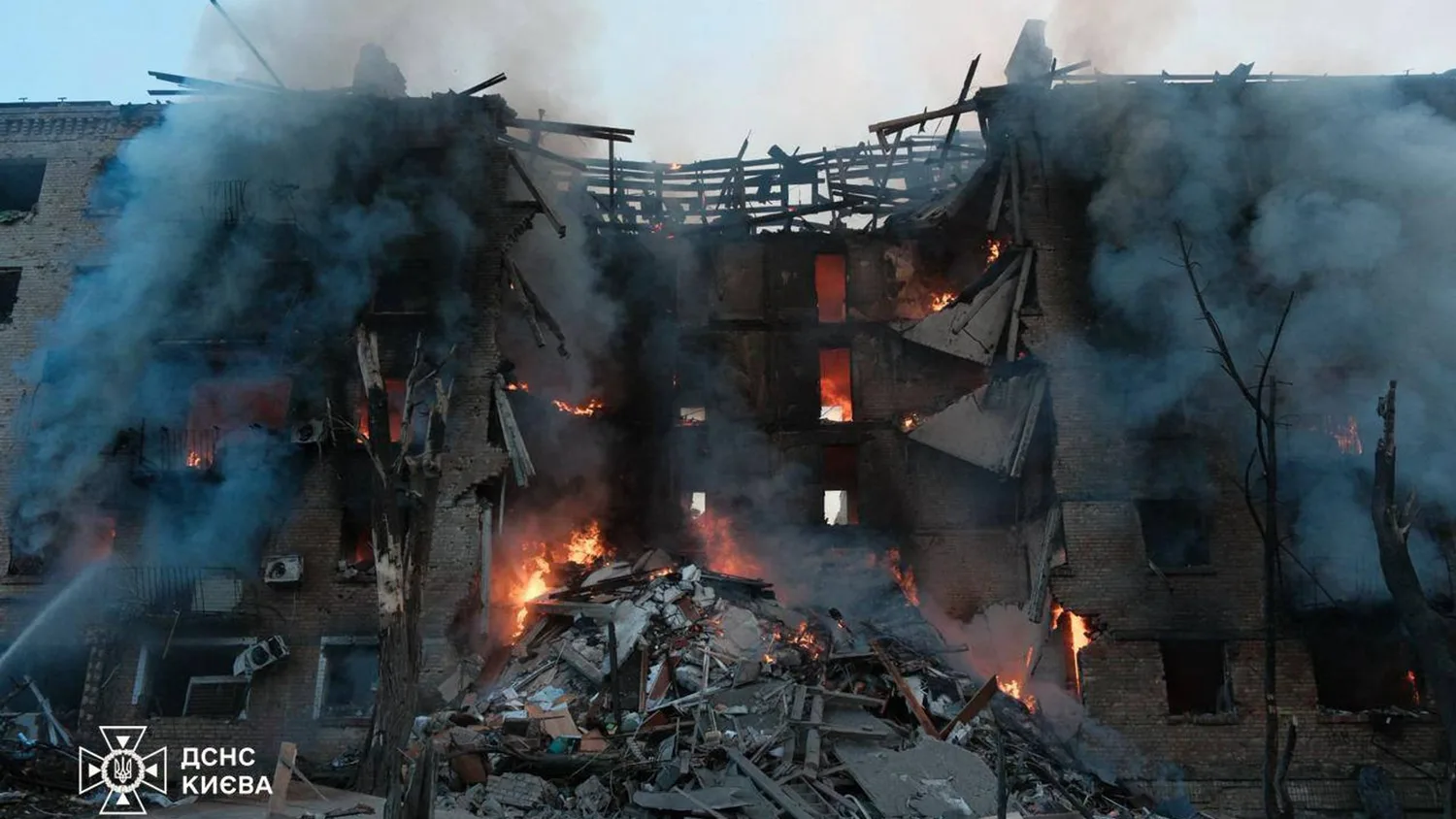
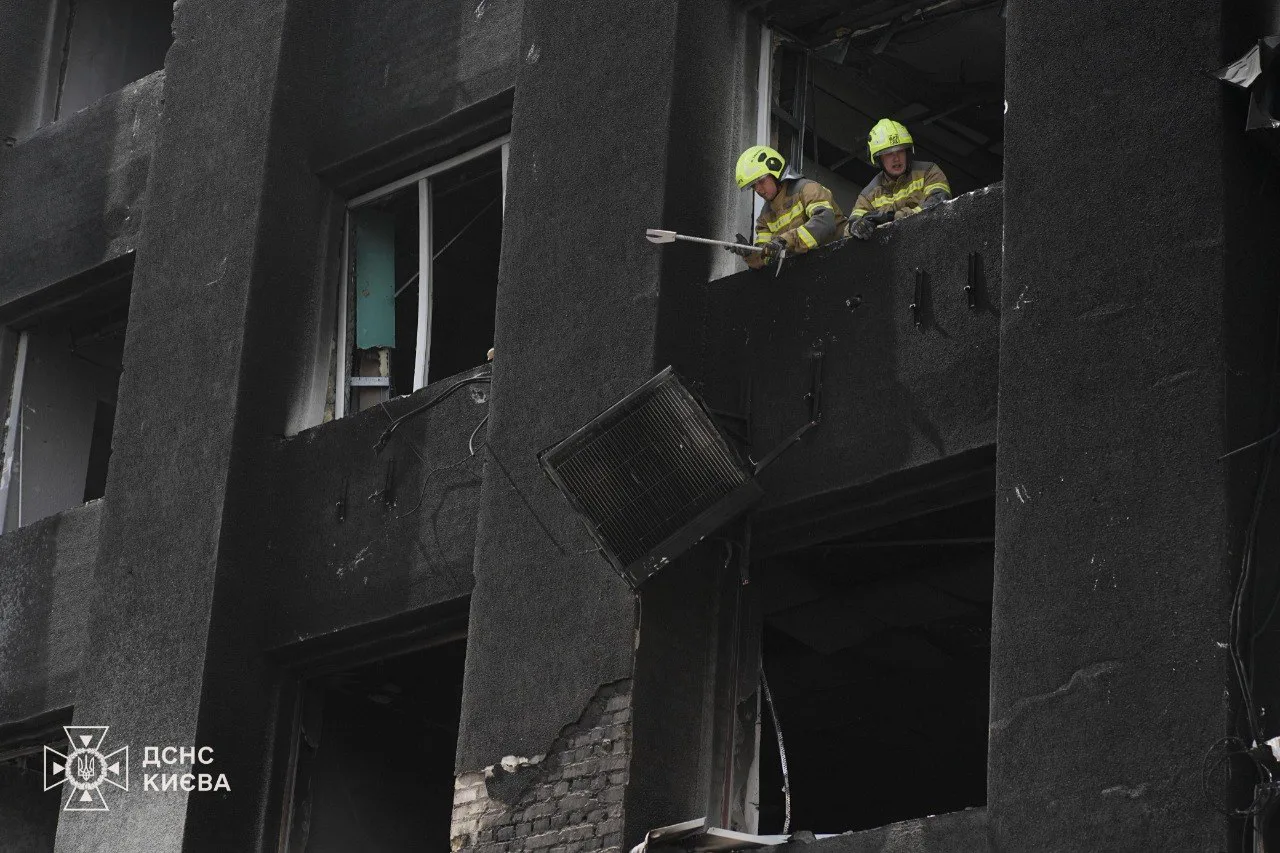
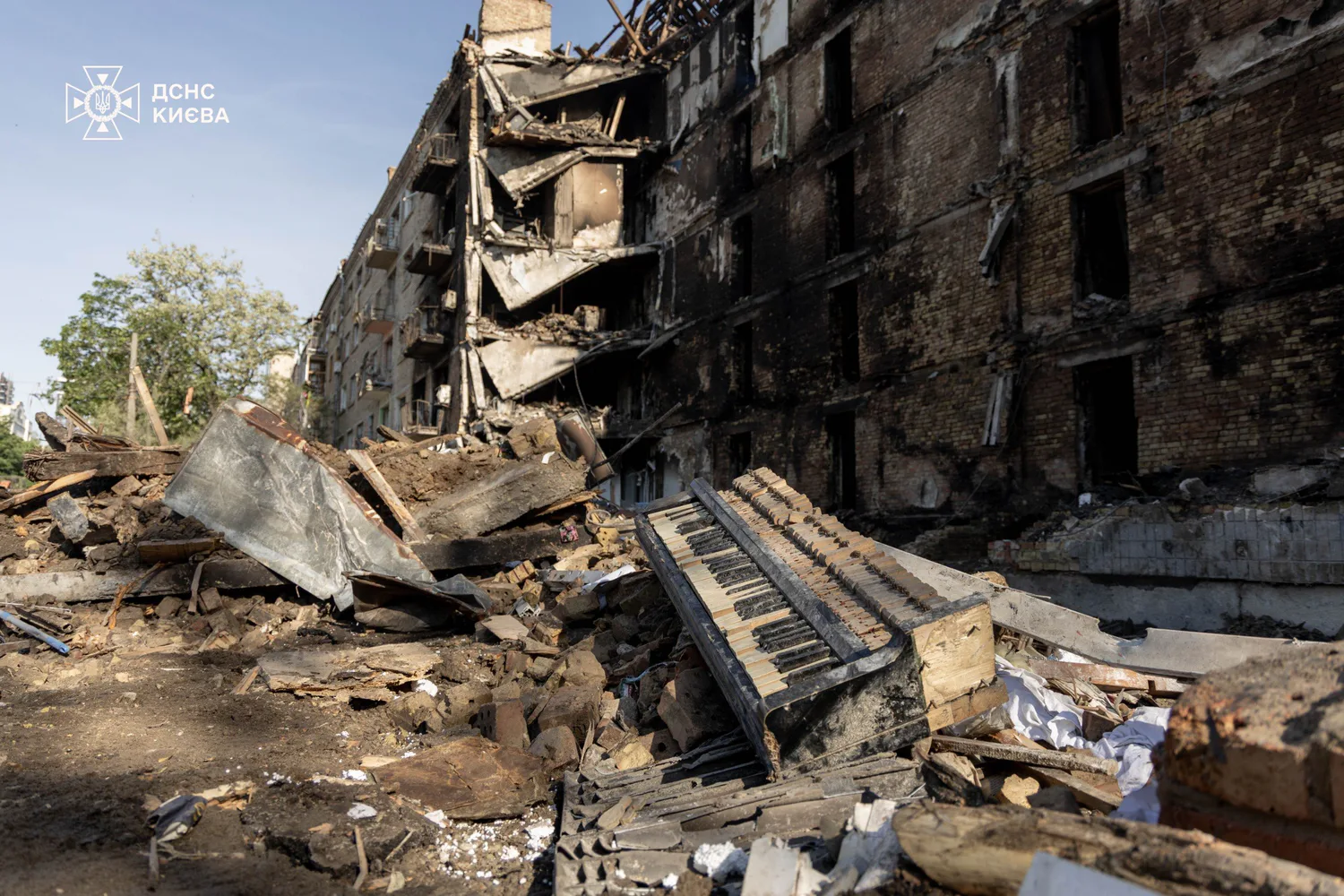
The reason is simple: intense shelling damaged critical infrastructure, which led to a temporary suspension of heat and hot water supply in many districts. Government Resolution No. 118 of 30 January 2026 regulated the procedure for recalculating the cost of utilities for periods of non-provision or partial provision, so the supplier had a legal basis for adjustments and deferring part of the charges.
Who this concerns
- Residents of buildings connected to the Kyivteploenergo system: charges for periods without heating in January were not assessed.
- Buildings serviced under other agreements (HOAs/OSBB, private companies): some buildings may have received charges for the December remainder, but January charges for the "Population" tariff category are absent.
Overpayments and timing
"For residents who paid for heating in the January bill (for example via an automatic payment or as payment for previous periods), the amount paid will be carried over as an overpayment."
— KP "Kyivteploenergo"
Practical consequence: if your payment went through automatically or you paid earlier — expect that these funds will be recorded as an overpayment and can be used to cover future bills. February bills were delivered with a delay due to the need for technical and regulatory adjustments — paper and electronic formats are available for payment.
What consumers should do
- Check the February bill, which should arrive in March: it will include lines with additional charges for the part of January when heating was supplied uninterrupted.
- Contact your supplier or HOA/OSBB if the bill looks unclear or the charges do not match the actual period of service interruption.
- Keep receipts and information about automatic payments — this will speed up the processing of overpayments.
Context and significance
This is an example of how technical logistics and regulatory adjustments work during wartime: the state sets the rules (Resolution No. 118), utility services apply them, and consumers receive adjusted documents. For household budgets this matters — in the short term some charges are postponed, not immediately creating an additional financial burden.
Conclusion
Kyivteploenergo’s decision is an expected and legally grounded response to network damage in January. The main thing now is to carefully check bills, keep documents, and request explanations if an amount does not correspond to the actual periods of service interruption. This will allow timely use of overpayments or to challenge incorrect charges.