Entrance, nine dead, 14 hours of rubble clearance: what rescuers found in Shevchenkivsk district
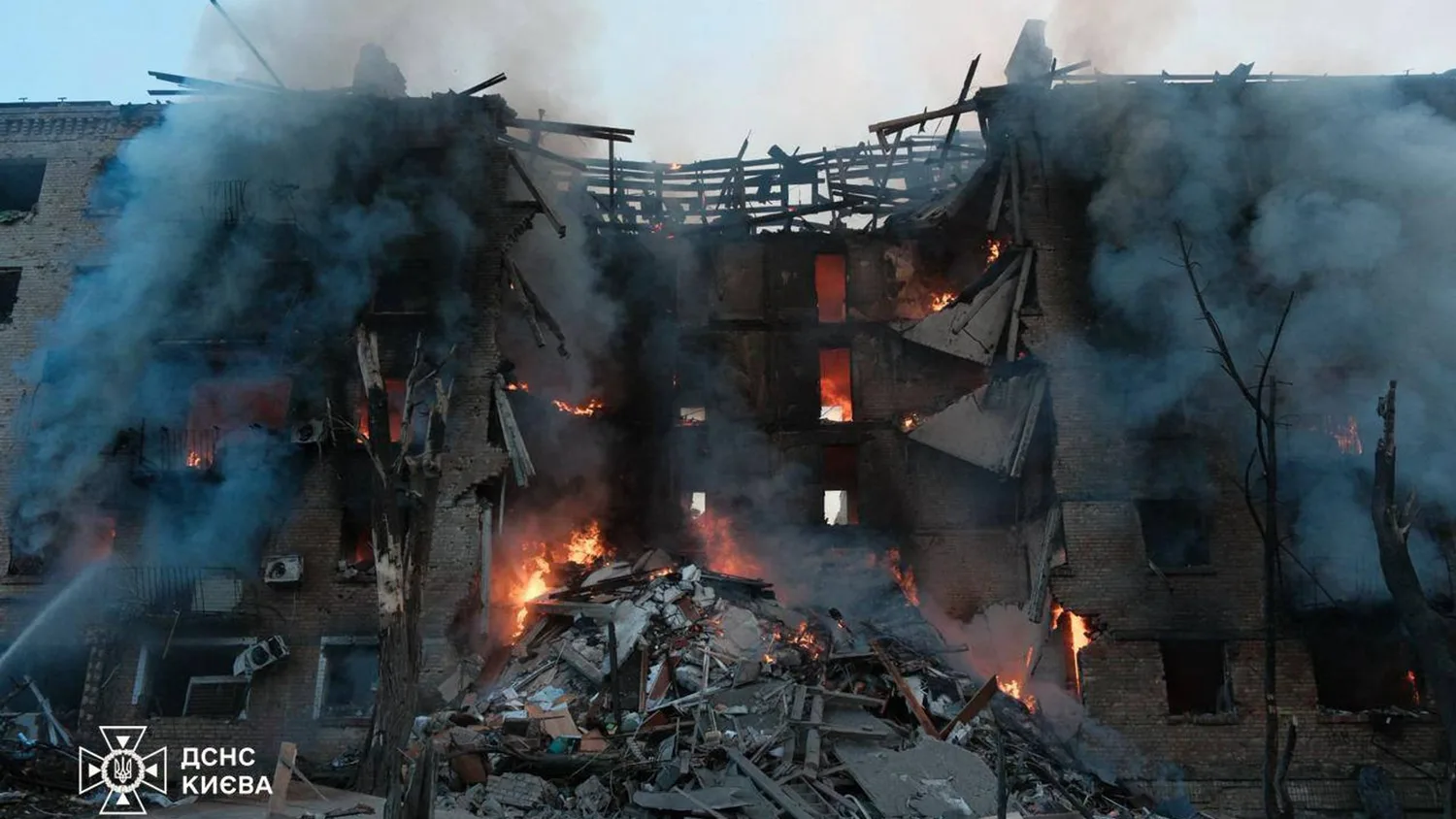
The night of June 23 witnessed one of the most devastating attacks on Kyiv in recent months. A missile strike on a residential high-rise destroyed an entire entrance; among the nine killed were an 11-year-old girl and her mother.

By Tetiana Suchkova-Ladik
May 25, 2026 · 2 min read
On the night of June 23, the Russian military attacked Kyiv and the region with 368 air attack weapons — 352 Shahed-type strike drones, 11 Iskander-M/KN-23 ballistic missiles, and five Iskander-K cruise missiles. According to the Air Force of the Armed Forces of Ukraine, Kyiv was the main direction of the strike.
Air defense neutralized 354 weapons: 158 were shot down by fire, and another 196 were suppressed by electronic warfare. Despite this, direct hits were recorded at six locations, with debris falling at 25 additional sites.
Shevchenko District: Apartment building entrance destroyed
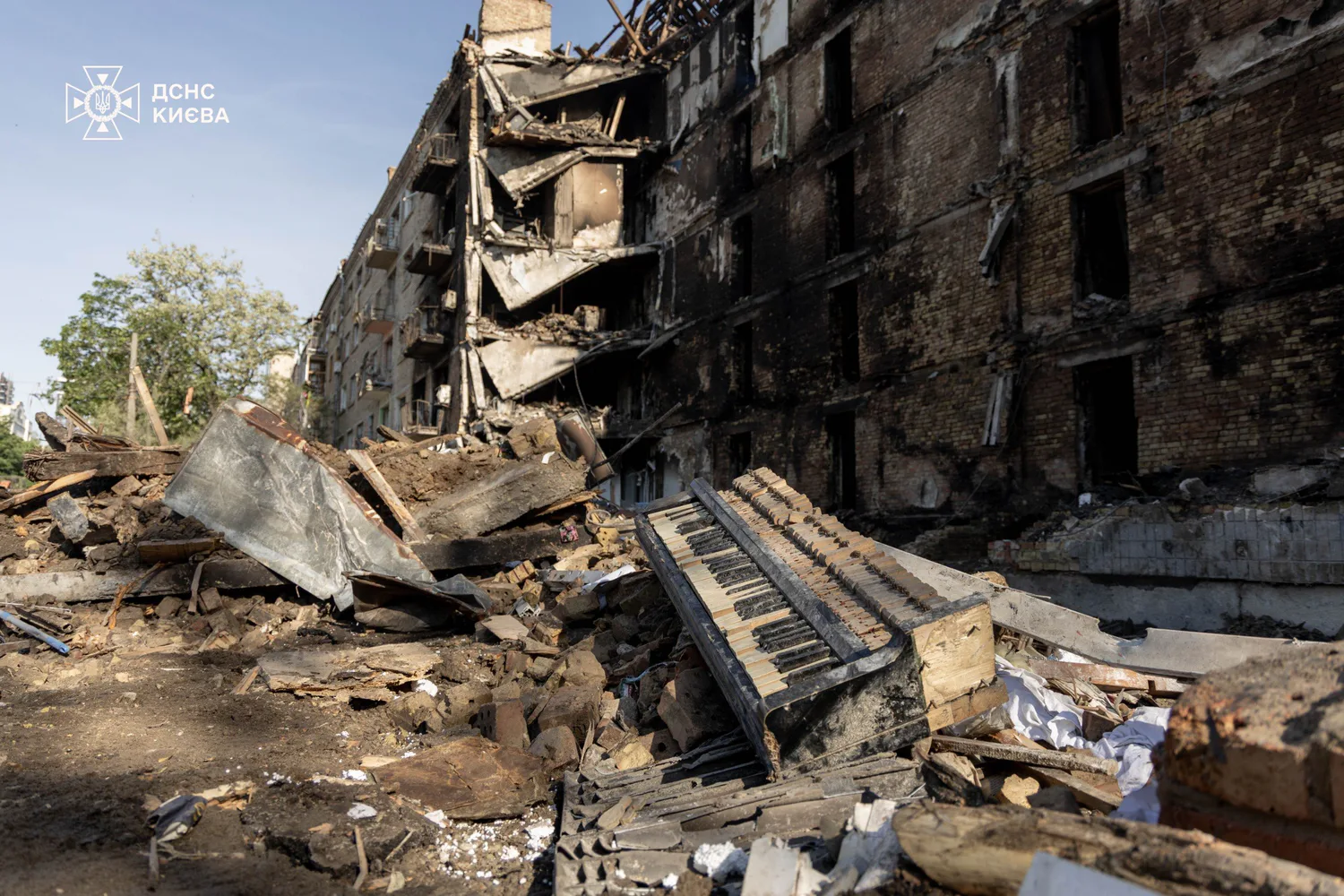
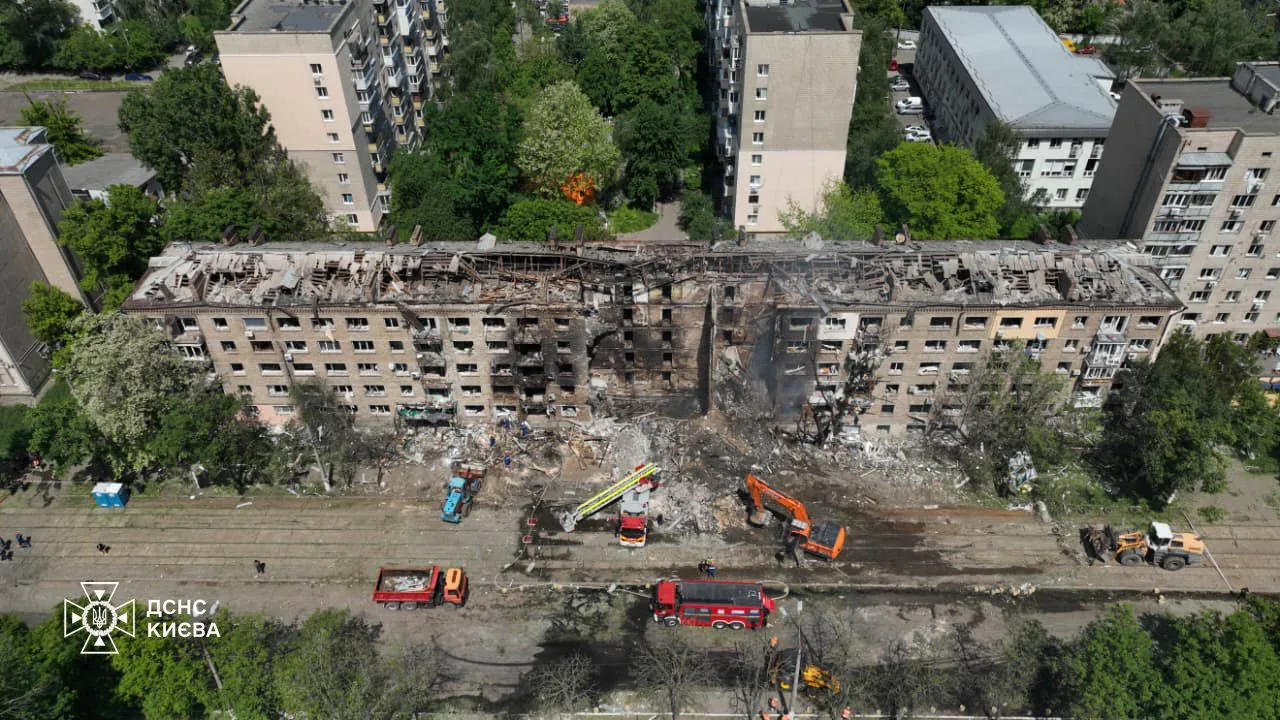
The most severe consequences occurred in the Shevchenko District. A missile strike destroyed an entire entrance of a residential apartment building. Search and rescue operations lasted 14 hours; during this time, rescuers pulled nine bodies from the rubble — including an 11-year-old girl and her mother.
An entire entrance of a residential apartment building has been destroyed. As of now, 4 deaths. DSNS workers rescued 10 wounded people. According to our data, there are still people under the rubble.
— Interior Minister Ihor Klymenko, morning of June 23 (the final death toll rose to nine after completion of the debris removal)
In total, over 30 objects were damaged in the Shevchenko District: 27 residential buildings, three educational institutions, and nearly 40 vehicles. The Podil, Holosiivskyi, Sviatoshyn, Solomyanskyi, and Darnytskyy districts also suffered from the strikes.
Work continues: 53 rescuers and heavy equipment
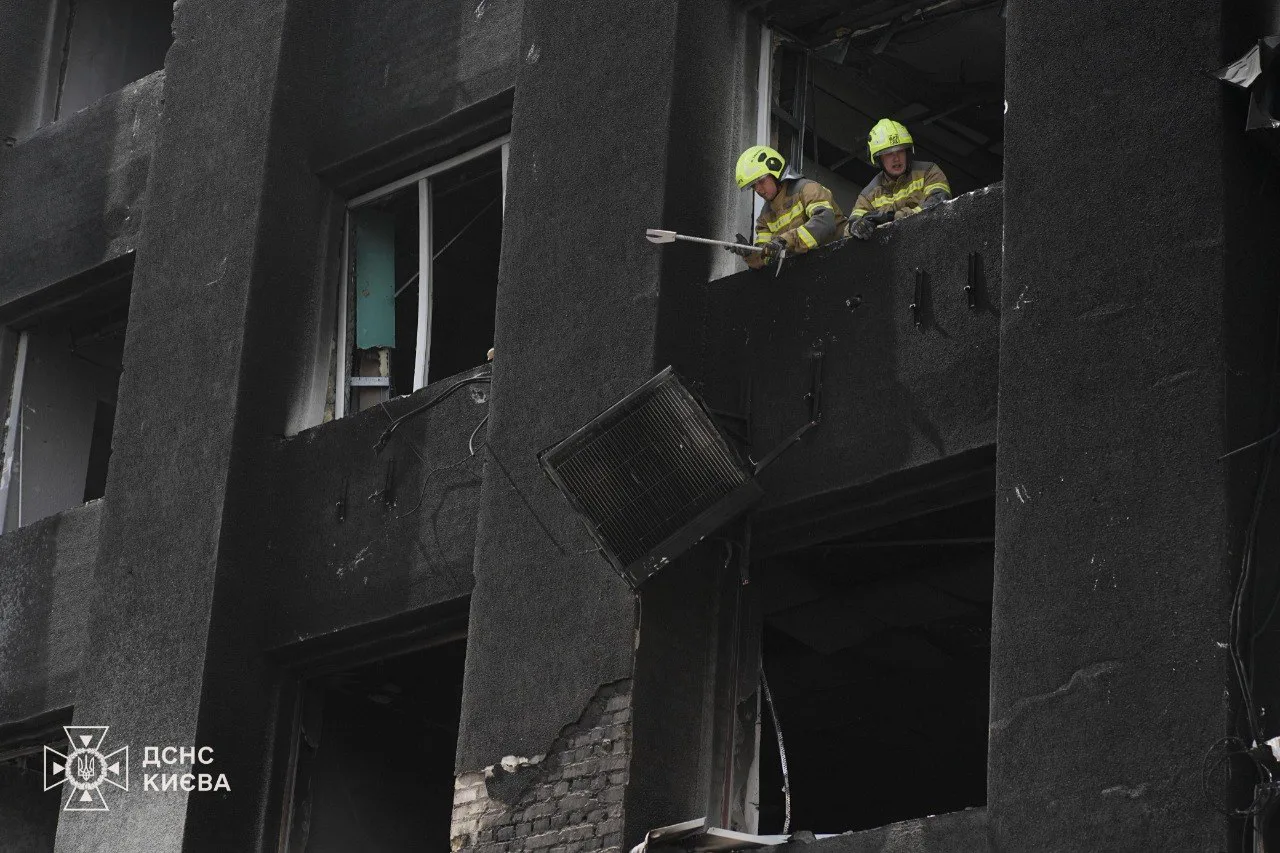
As of the next day, the State Emergency Service of Ukraine confirmed: emergency rescue operations in the Shevchenko District at the first location were completed — over 60 cubic meters of construction debris were removed. At the second damaged location in the district, 53 rescuers and 14 units of special and fire rescue equipment continue to work.
In parallel, work continues in the Podil District, where debris was recorded falling on non-residential buildings.
Scale in numbers
- 9 killed in the Shevchenko District, including a child
- 36 wounded across Kyiv, 26 in the Shevchenko District
- 5 destroyed residential apartment buildings in the capital — according to Zelenskyy
- 368 air attack weapons in one night
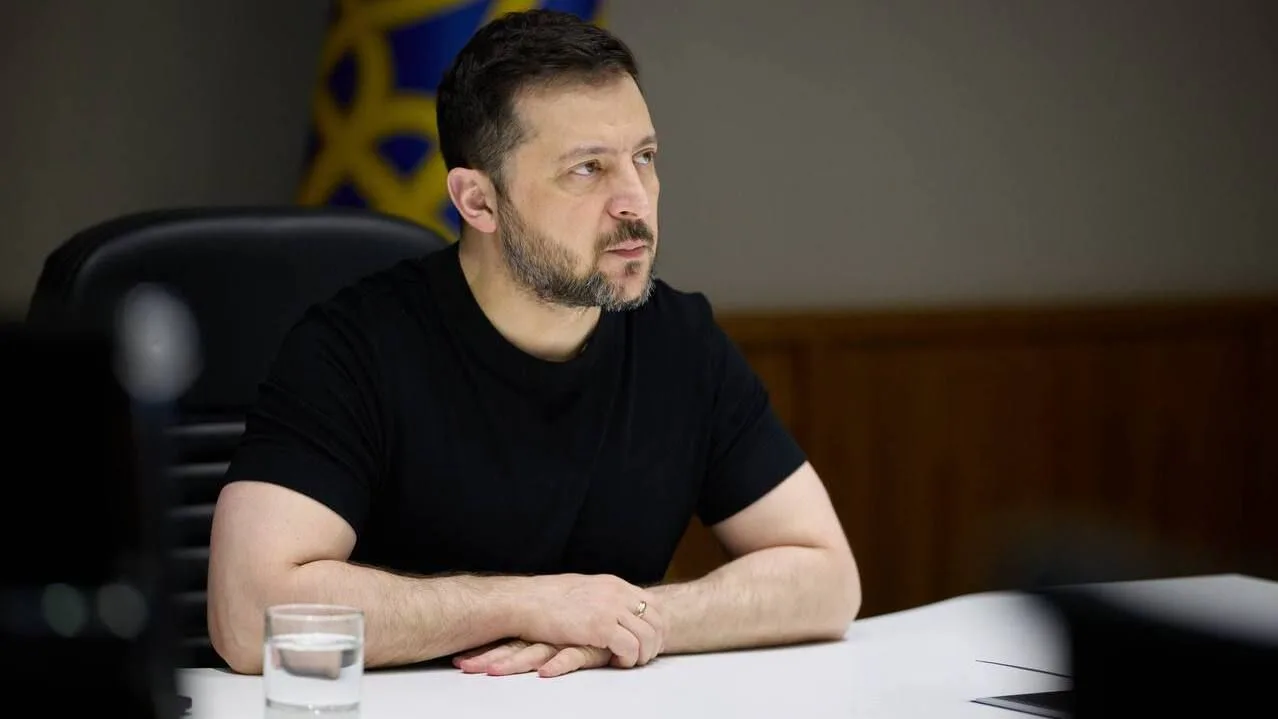
President Zelenskyy emphasized that all affected objects are ordinary residential buildings, not military infrastructure. Russia's Defense Ministry traditionally claimed the strikes targeted "Ukrainian defense industry facilities."
If Kyiv remains the main direction of strikes for several weeks in a row, the question is not whether an attack will repeat — but whether additional air defense systems that Ukraine expects from its partners will manage to cover city neighborhoods before ballistic missiles find another apartment building entrance.