After a Russian attack: heating restored to 1,083 homes in Kyiv — how municipal crews worked
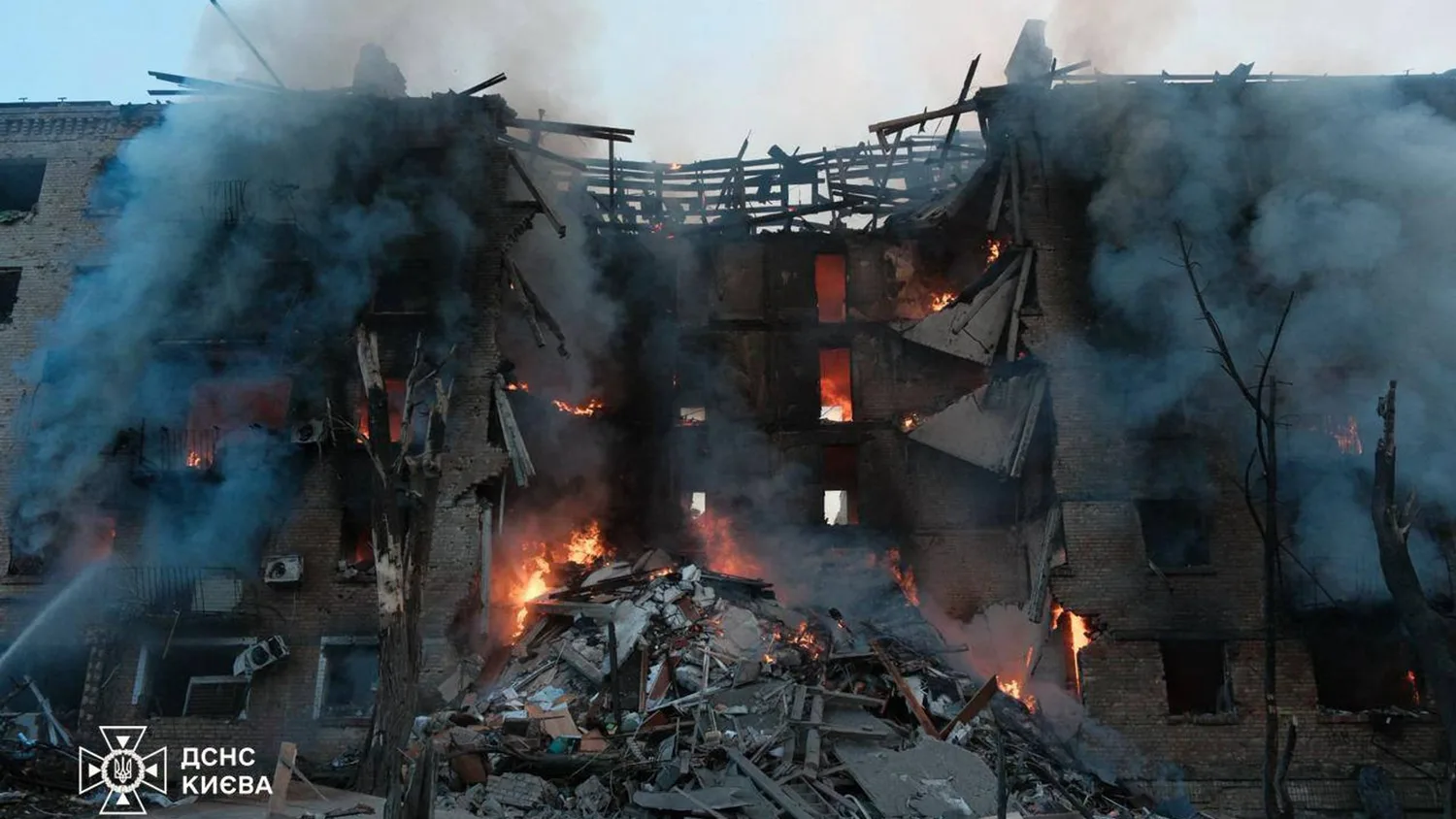
Specialists from Kyivteploenergo restored heating to 1,083 apartment buildings in the Podilskyi, Obolonskyi and Darnytskyi districts after last night’s shelling. Work continues — overall nearly 6,000 buildings remained without heating.

By Tetiana Suchkova-Ladik
January 9, 2026 · 2 min read

Quick overview
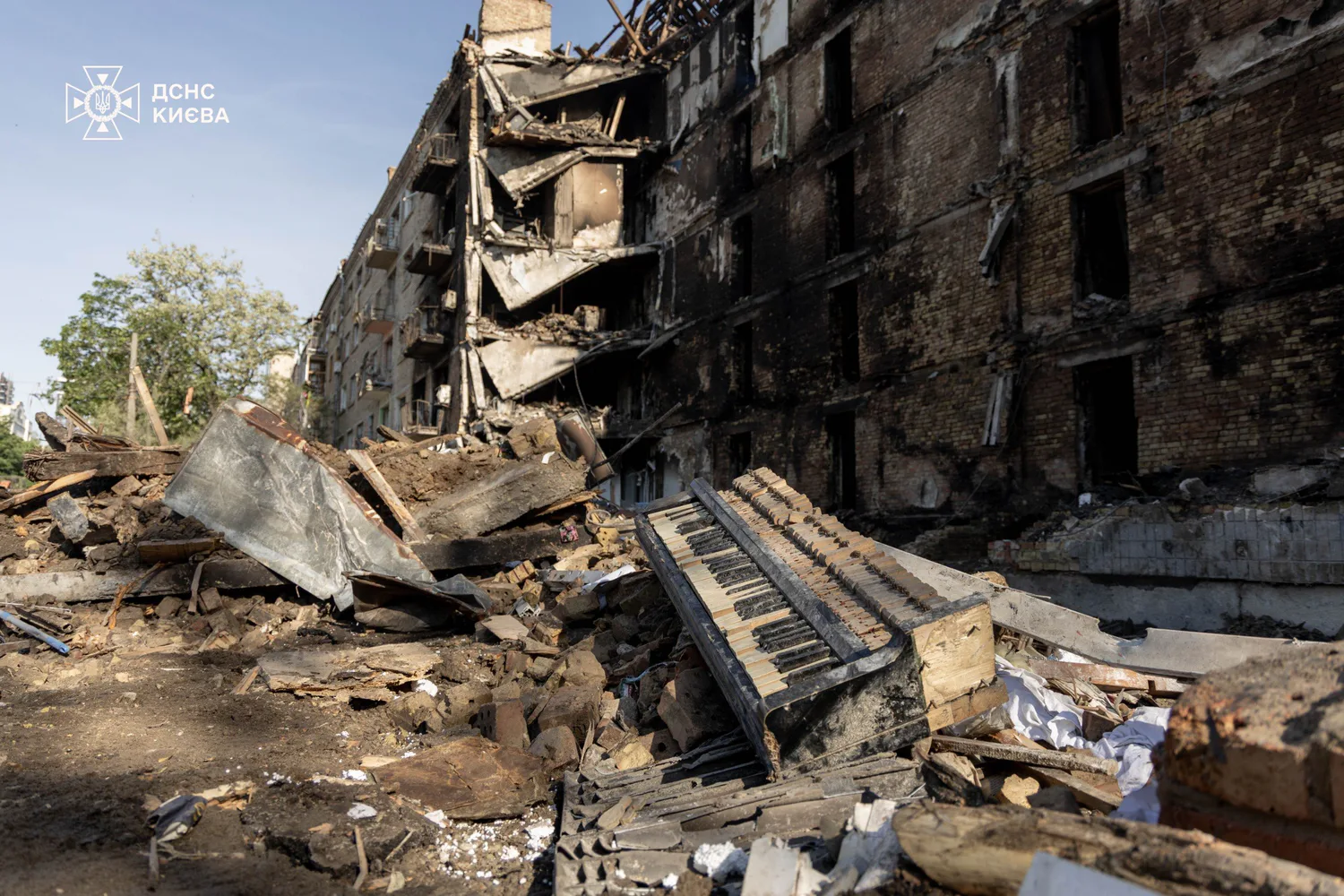
After enemy shelling of Kyiv, heating was restored for residents of 1,083 residential buildings in three districts of the capital. This was reported by Mayor Vitaliy Klitschko, according to UNN. At the same time, authorities emphasize that the cleanup of the aftermath continues — overall, nearly 6 thousand multi-storey apartment buildings were left without heat after the attack.
What the utility services did
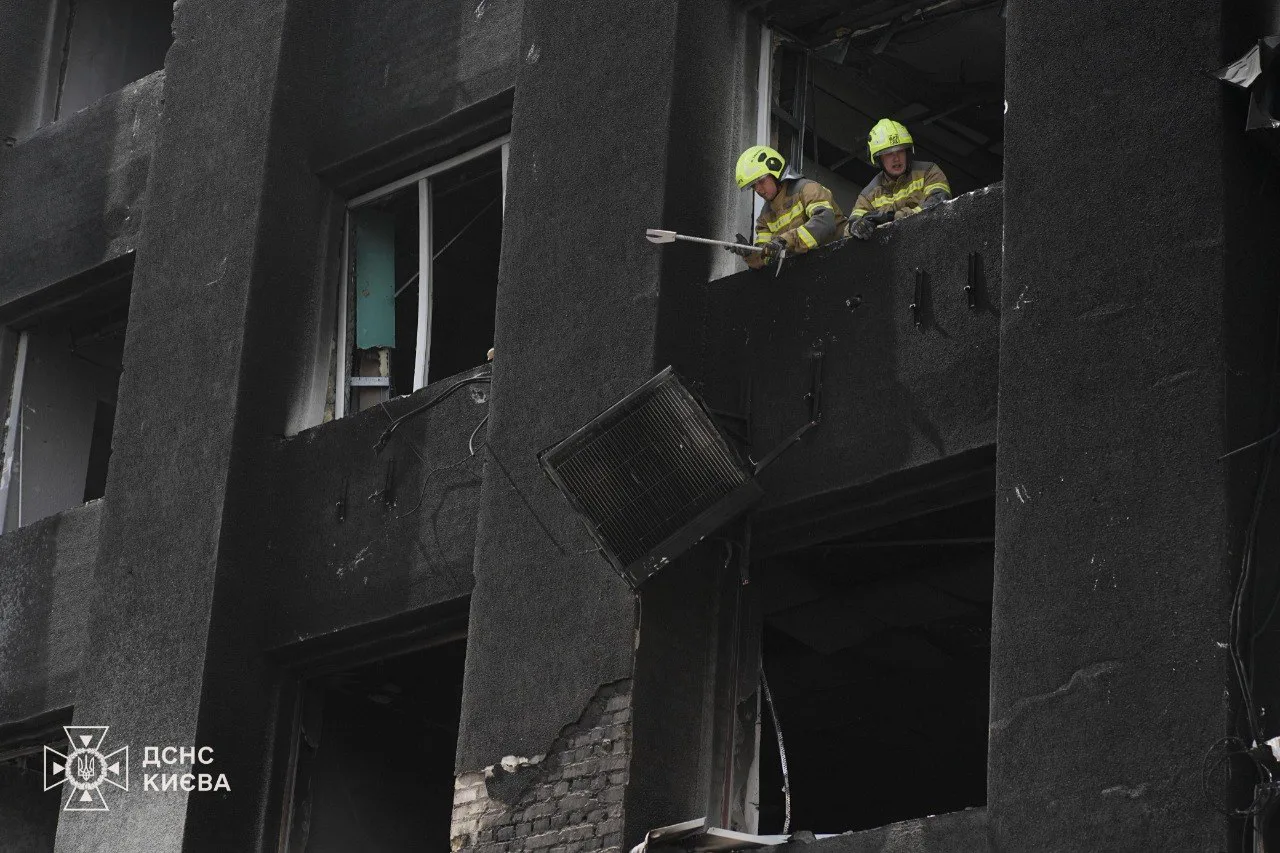
Workers of "Kyivteploenergo" are operating in an emergency mode. The work includes inspection and restoration of damaged main lines, as well as configuration of in-building heating systems together with building managers and other services, in order to deliver heat directly to apartments.
"Heat supply has already been restored to some of the buildings that were left without service due to the enemy attack. Heating was restored for residents of 1,083 residential buildings in the Podil, Obolonskyi and Darnytskyi districts. (I remind you, in total after the massive shelling last night nearly 6 thousand multi-storey apartment buildings were left without heat)"
— Vitaliy Klitschko, mayor of Kyiv (statement according to UNN)
What this means for residents
Restoring heat is not only about comfort. In cold weather this is a matter of safety for the elderly, families with children and those with chronic illnesses. Therefore the priorities are rapid and safe reconnection, inspection of networks and avoidance of repeated failures under renewed loads.
Work progress and next steps
According to official data, the city's water supply has been fully restored; heat — within 24 hours is expected to appear in additional districts where more time is needed for adjustments. Utility services continue to work in coordination with local authorities to complete the restoration as quickly as possible and minimize risks to the population.
"Currently workers of 'Kyivteploenergo', together with building managers and other services, are configuring in-building heating systems to deliver heat directly to apartments. The elimination of the consequences of the shelling in the capital continues. Utility workers are doing everything to restore services to Kyiv residents as quickly as possible."
— Vitaliy Klitschko, mayor of Kyiv
The situation demonstrates how important responsiveness and coordination of services are during strikes on infrastructure. The next task is to complete the restoration of all damaged sections and carry out technical inspections to reduce the likelihood of repeated outages.
Sources: Official statements of the Kyiv City Council, "Kyivteploenergo", UNN.