After Russian strike, about 500 Kyiv homes left without heat; repairs underway around the clock
After the missile strike on February 12, municipal services restored heat to most buildings, but about 500 still remain without heating. What this means for 3.5 million residents of Kyiv and when to expect full restoration — briefly and clearly.

By Tetiana Suchkova-Ladik
February 15, 2026 · 2 min read

What happened
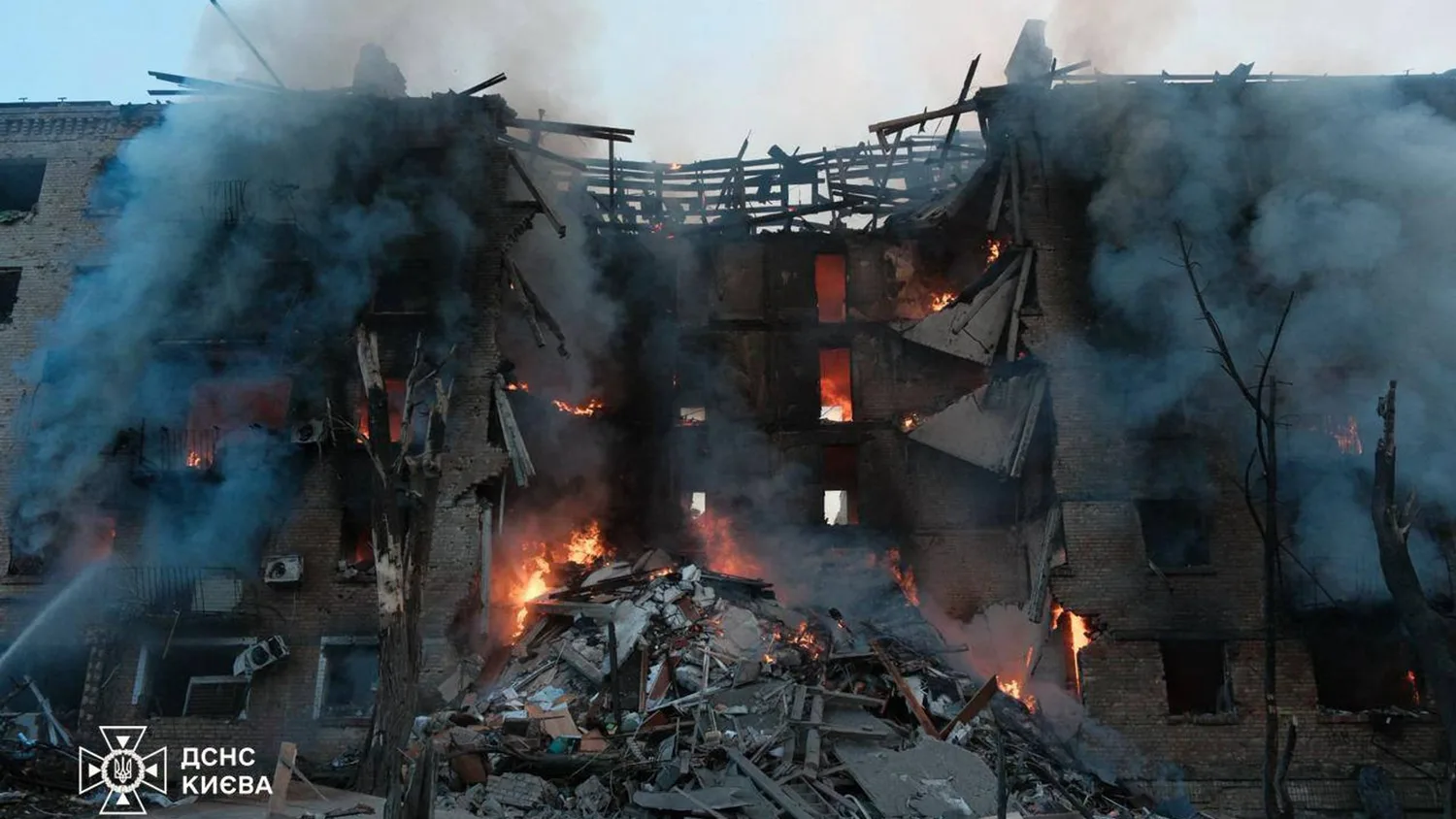
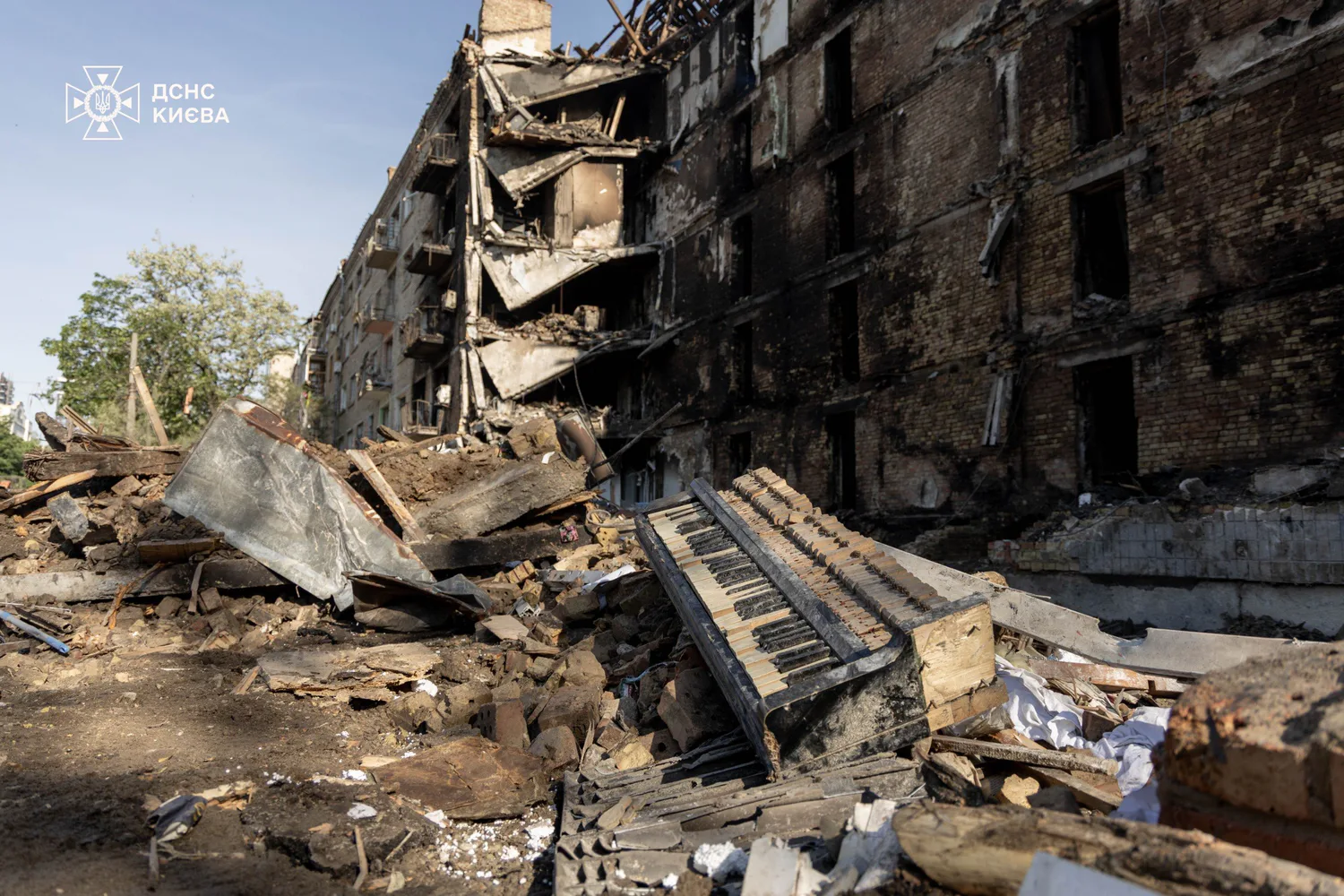
As a result of a Russian strike on Kyiv's critical infrastructure on February 12, part of the central heating networks was damaged. According to the city administration and a report by UNN, as of Sunday evening around 500 buildings in the capital remain without heat supply among those affected.
Response and scale of restoration
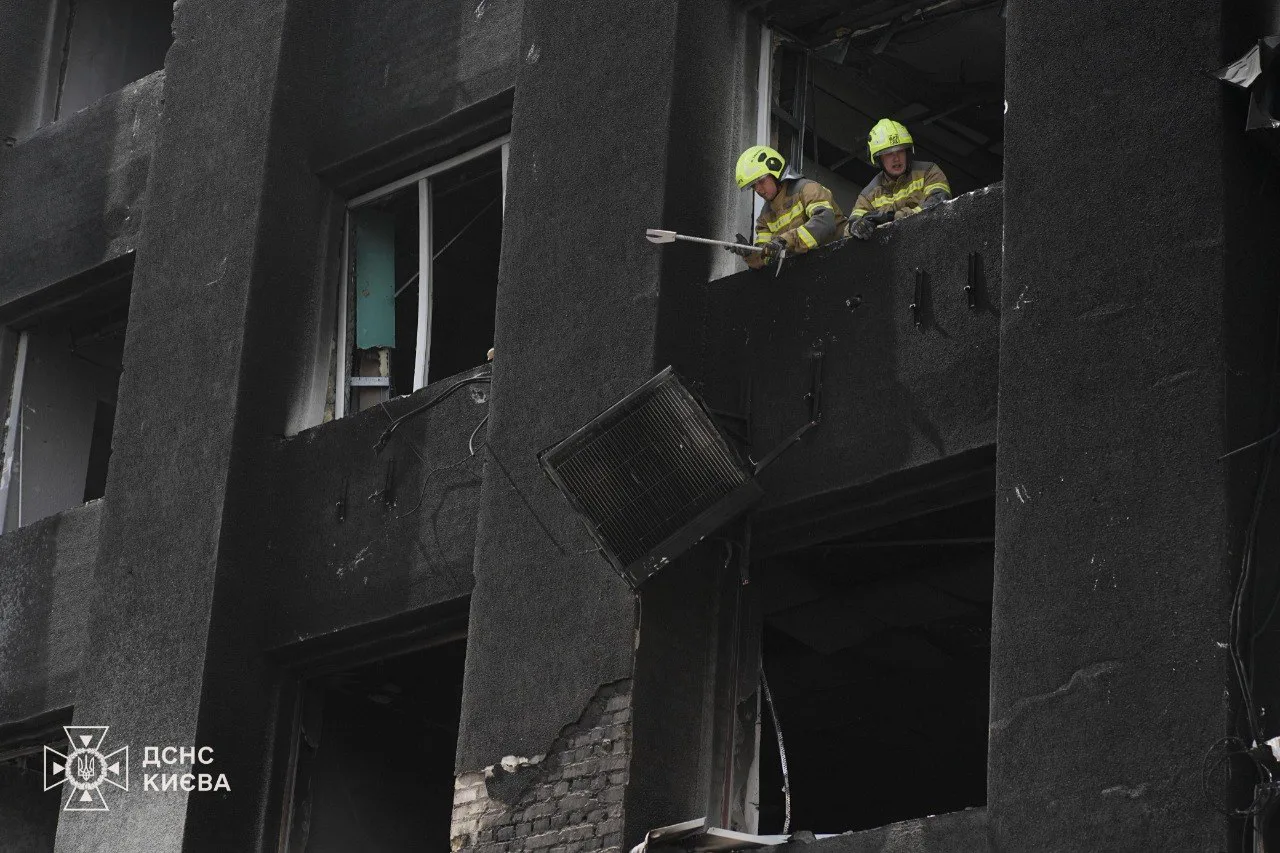
City services and utility crews are working continuously. According to the mayor, heat supply has already been restored in 2,100 of 2,600 buildings that were previously without heating. Over the past 24 hours, crews managed to return heat to another 1,100 apartment buildings — the result of intensive work by emergency teams and coordinated services.
"Utility workers have already restored heat supply to 2,100 buildings (out of 2,600 that were without heating). City services continue to work 24/7 to restore heating to the other apartment buildings"
— Vitali Klitschko, Mayor of Kyiv
Context and consequences for residents
For 3.5 million residents of Kyiv, this is one of the toughest winters since the start of the full-scale invasion: strikes on infrastructure create risks for vulnerable groups — the elderly, families with children, and hospital patients. At the same time, the restoration efforts show that the city has mobile emergency resources and operational coordination.
Key to further recovery are access to spare parts, safe access for repair crews to damaged sites, and favorable weather conditions. For now, attention is on the numbers — it's important to follow updates from the city administration and adhere to the services' recommendations.
What's next
The situation remains tense, but current indicators give grounds to speak of a systemic response: from emergency crews to coordination with state structures. In the short term the priority is to return heat to all affected buildings; in the medium term — to increase the networks' resilience to repeated attacks.
"Continuous air strikes on critical infrastructure over two months have pushed the city to the brink of catastrophe"
— Vitali Klitschko, Mayor of Kyiv
Why this matters to you: restoring heat affects the safety and health of families, the operation of medical facilities and schools. Follow official city announcements and help your neighbors — in such trials, solidarity multiplies the effectiveness of efforts.