More than 1.2 million left without power in Kyiv and Chernihiv after overnight Russian attack — scale and recovery plan
A massive overnight Russian attack knocked power grids out of service — what has happened so far, who is working on restoration, and why official and commercial estimates differ.

By Tetiana Suchkova-Ladik
January 24, 2026 · 2 min read
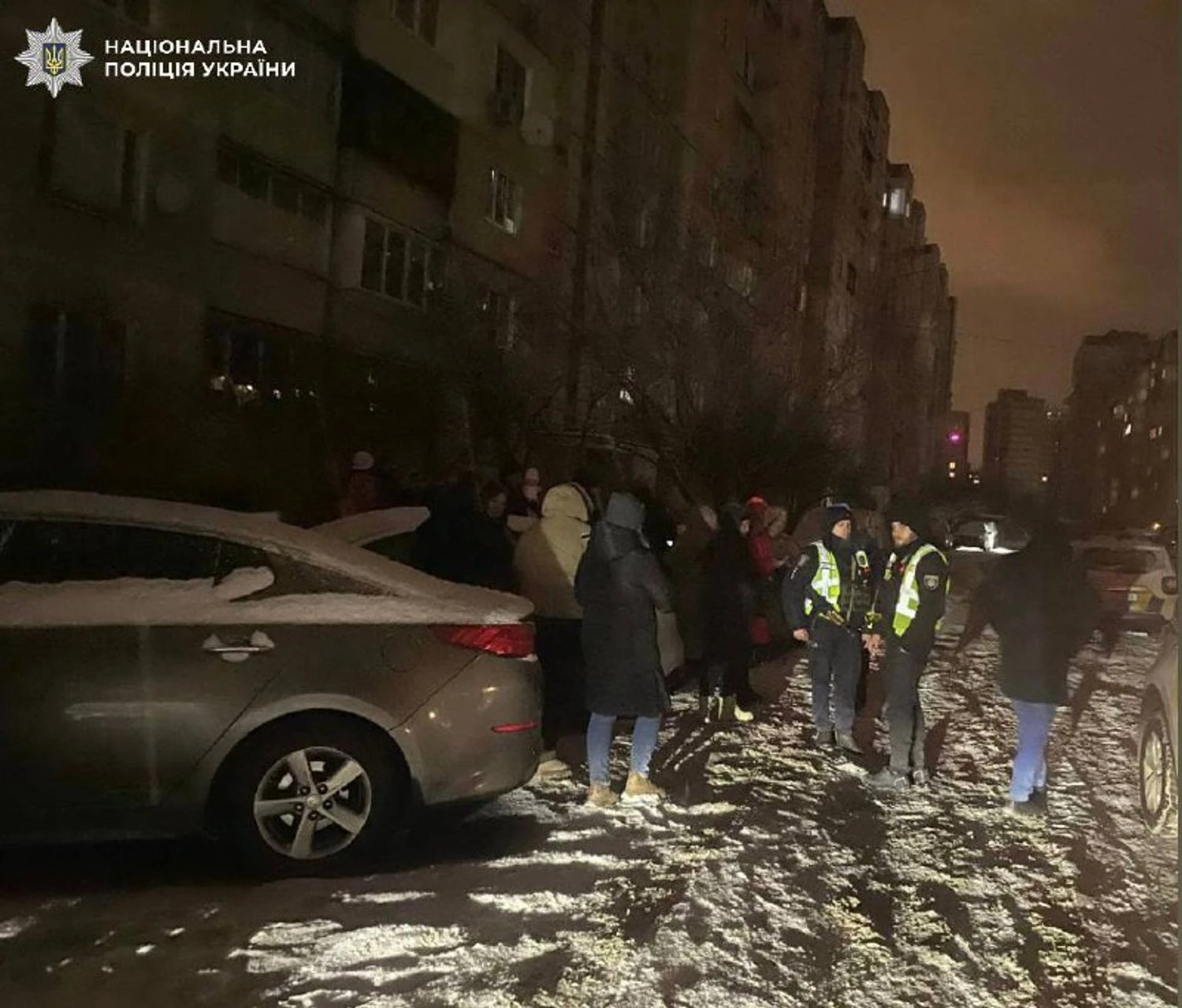
Night attack and scale of damage
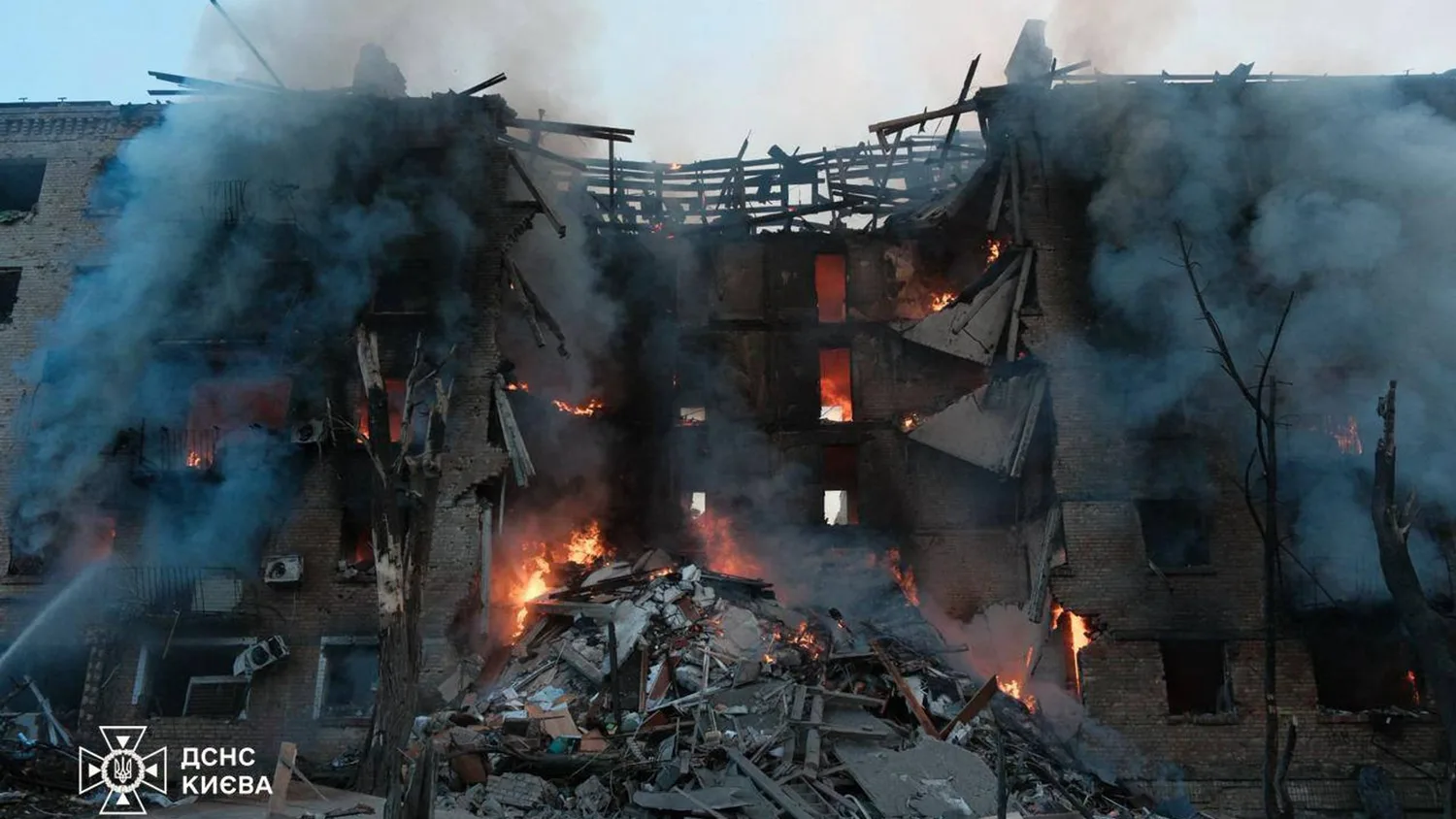
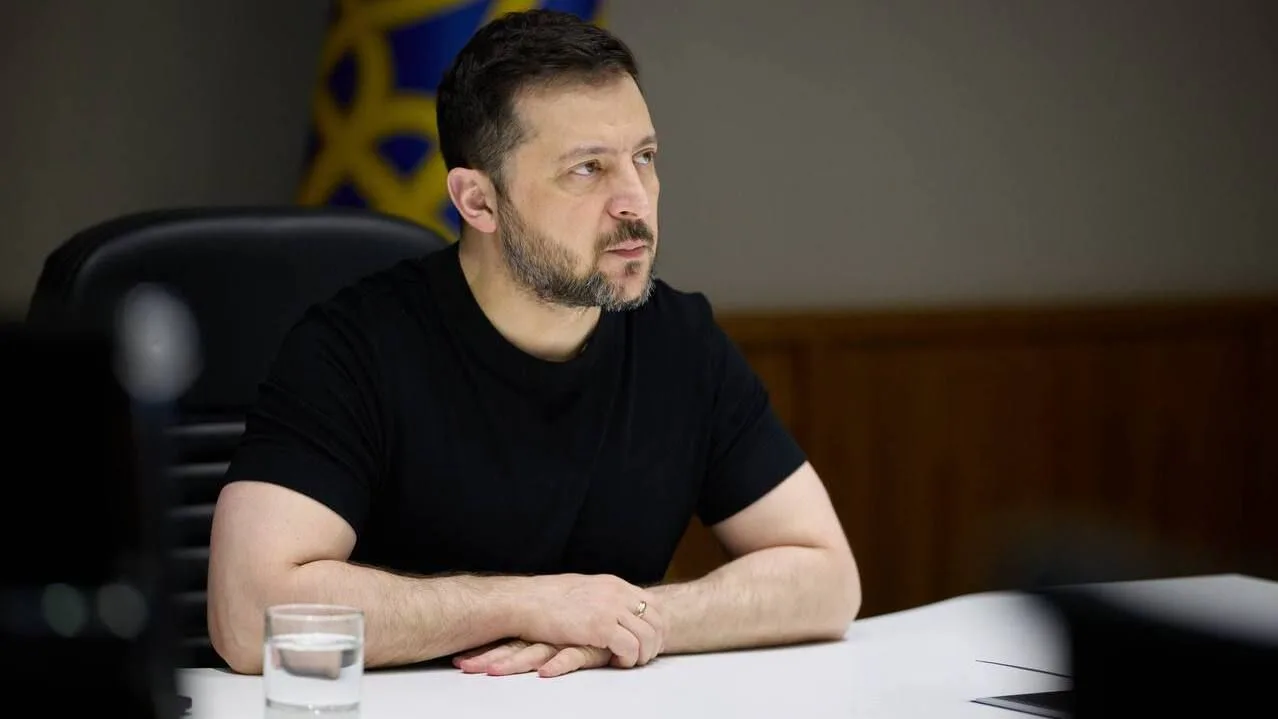
According to Vice Prime Minister for Reconstruction and Minister for Development of Communities and Territories Oleksii Kuleba, more than 1.2 million consumers in Kyiv and Chernihiv region were left without power as a result of the nighttime shelling. He said that over the territory of Ukraine more than 370 drones and 21 missiles of various types were launched, damaging infrastructure facilities.
“In Kyiv, more than 800 thousand subscribers are without electricity. Disruptions to heat supply have been recorded in about 6 thousand buildings, in over 2 thousand — heating is completely absent. As a result of the night attacks there are interruptions to water supply in the left-bank part of the city and the Pecherskyi district on the Right Bank. We plan to restore water supply during the day.”
— Oleksii Kuleba, Vice Prime Minister — Minister for Development of Communities and Territories
Response: who is doing what
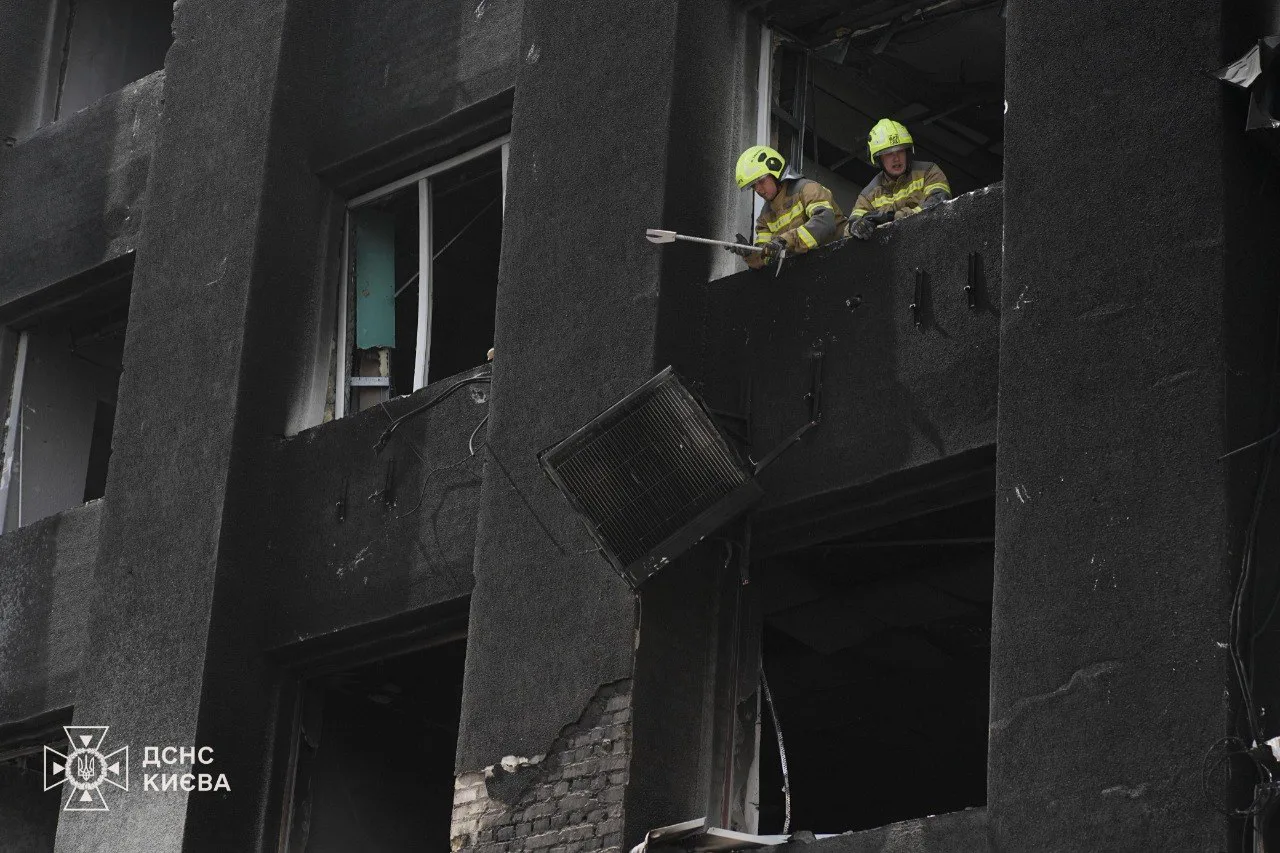
City and regional authorities, repair crews and emergency services are coordinating the restoration. According to Kuleba, work to eliminate the consequences is continuing in an intensified mode: crews will be deployed according to priorities — hospitals, boiler houses, critical infrastructure. In Chernihiv it is reported that boiler houses are operating and the city has heating thanks to backup power sources.
“In Chernihiv — more than 400 thousand consumers are without power. All boiler houses are operating; the city is supplied with heat. Water supply is also available thanks to alternative power sources.”
— Oleksii Kuleba, Vice Prime Minister
Different figures — why confusion arises
Alongside Kuleba’s official estimates, energy companies published their own data. For example, DTEK reported about 88,000 families in Kyiv that were left without power at a certain point. The difference is explained by counting methodology (“consumers/subscribers” vs “families/households”), the time difference in taking measurements and the gradual restoration of networks.
“88,000 families in Kyiv without power after the attack”
— DTEK, energy company
Context and risks
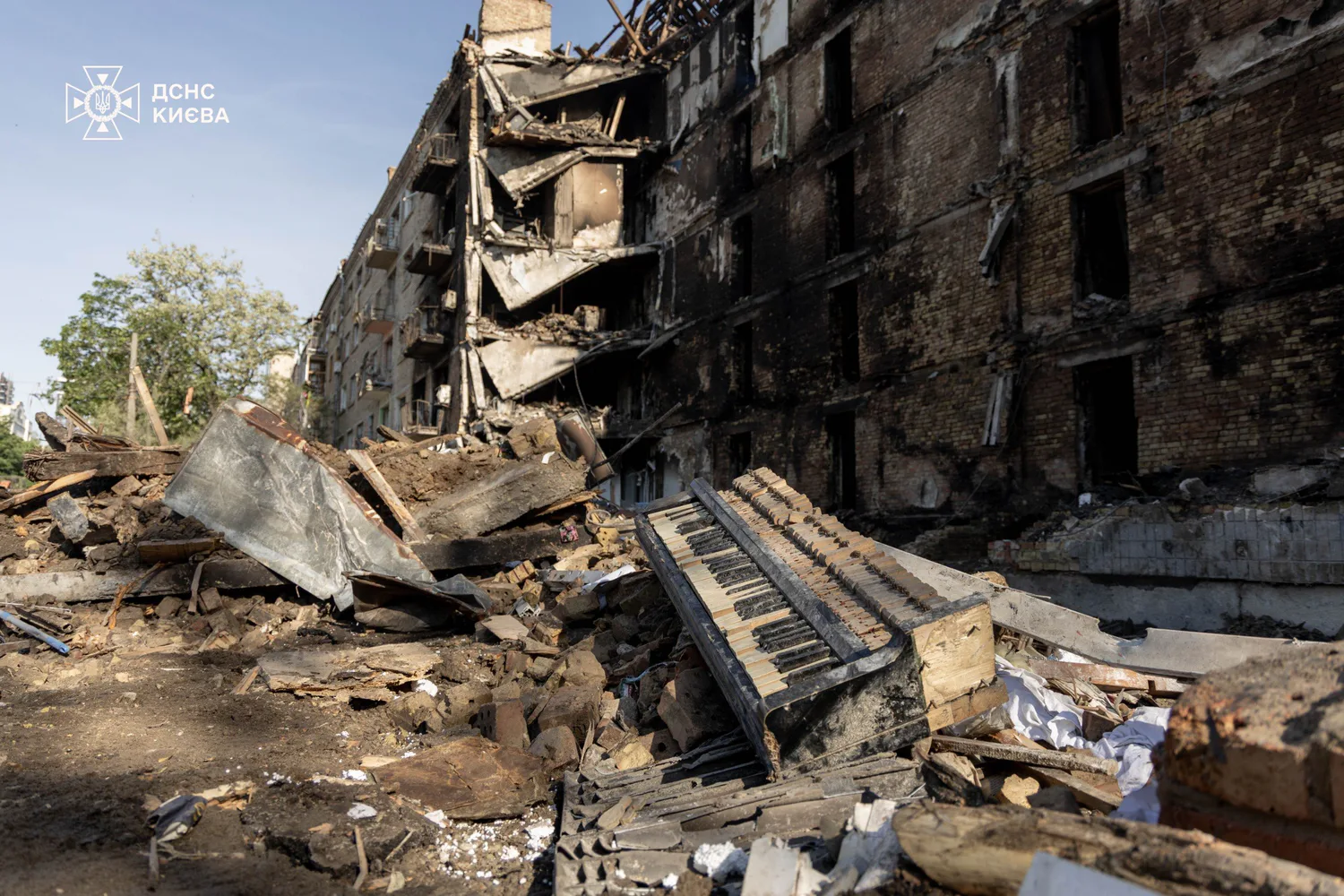
This attack is part of a strategy of targeting critical infrastructure to make life difficult for the civilian population and the work of emergency services. Consequences are worsened in the winter period: problems with electricity are associated with the risk of disruptions to heating and water supply, especially for vulnerable groups.
Short-term forecast: restoration of basic services will be carried out in stages — first critical infrastructure, then the residential sector. The speed of repairs depends on the safety of the restoration areas, the availability of spare capacities and coordination between network operators.
What readers need to know: the situation is dynamic — figures can change throughout the day. For now, priorities are to ensure hospitals, boiler houses and water supply. Social resilience and the speed of recovery depend on the responsiveness of repair crews, reserve systems and proper communication between authorities and energy companies.
Question for tomorrow: will domestic and international support be sufficient to accelerate the restoration of infrastructure and increase its resilience to such large-scale attacks?