More than 40% of Kyiv residents are without heating after Russia's attack — how services are operating and what to expect
The attack on December 27 disabled critical infrastructure facilities: more than 40% of Kyiv’s residential buildings and part of the Obukhiv district were temporarily left without heat. Water supply has already been restored; heating is promised within 24 hours. We examine what this means for city residents and how municipal services are responding.

By Oleg Bazylewicz
December 27, 2025 · 2 min read

Briefly
On the night of December 27, Russia launched a massive strike on Ukrainian infrastructure. According to official reports, the attack caused temporary power outages and significant disruptions to heat supply — more than 40% of Kyiv's residential buildings and part of the Obukhiv district of Kyiv Oblast were affected.
What happened and why it matters
According to UNN, citing Vice Prime Minister for Restoration Oleksiy Kuleba, the attack targeted critical infrastructure and resulted in large-scale power outages. The consequence for residents is a lack of heating in many apartment buildings in the midst of winter.
An unprecedented attack on critical infrastructure objects led to temporary power outages. Also, more than 40% of Kyiv's residential buildings and part of the Obukhiv district of Kyiv Oblast are without heat.
— Oleksiy Kuleba, Vice Prime Minister for Restoration of Ukraine
Scale of damage and casualties
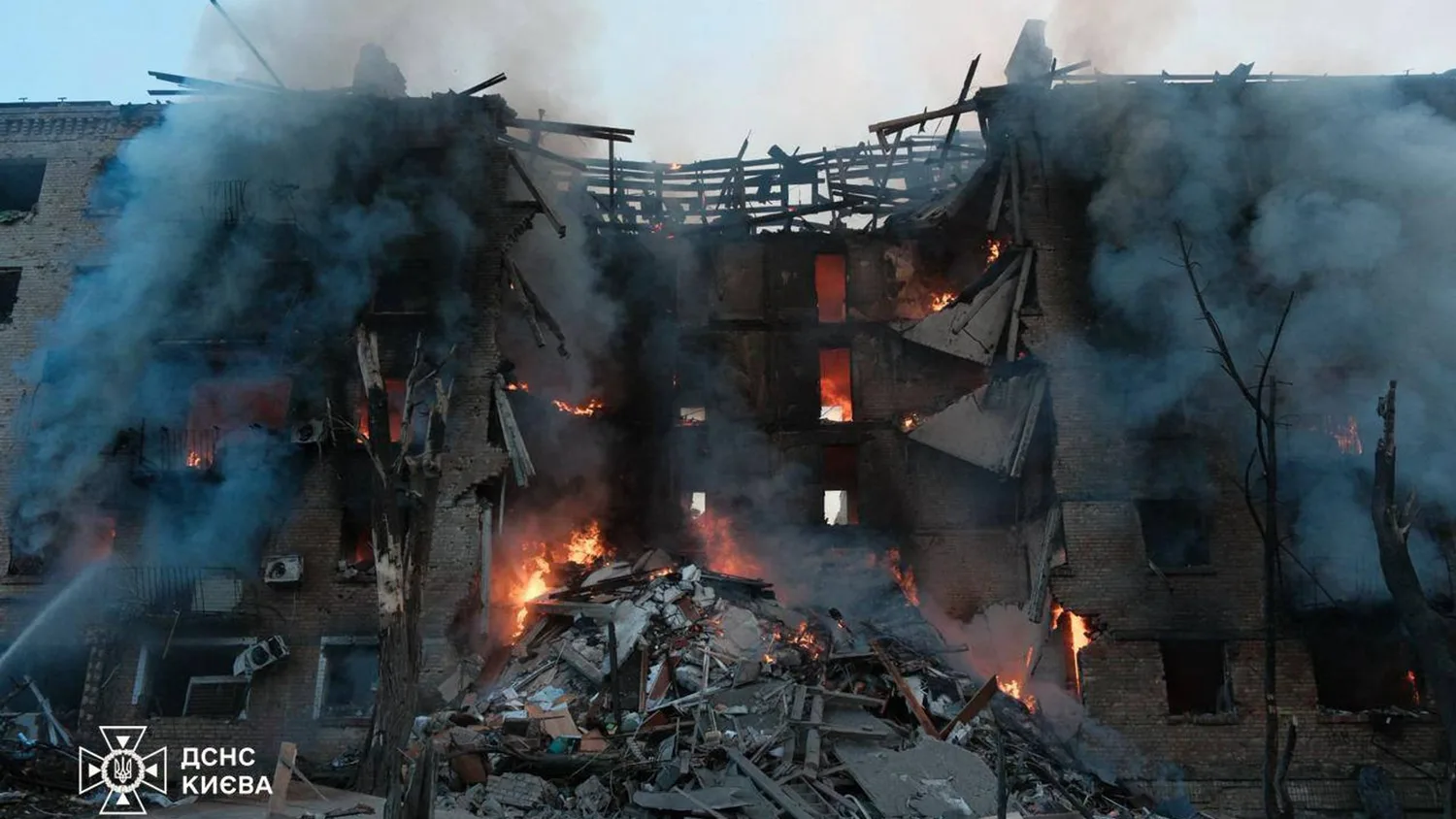
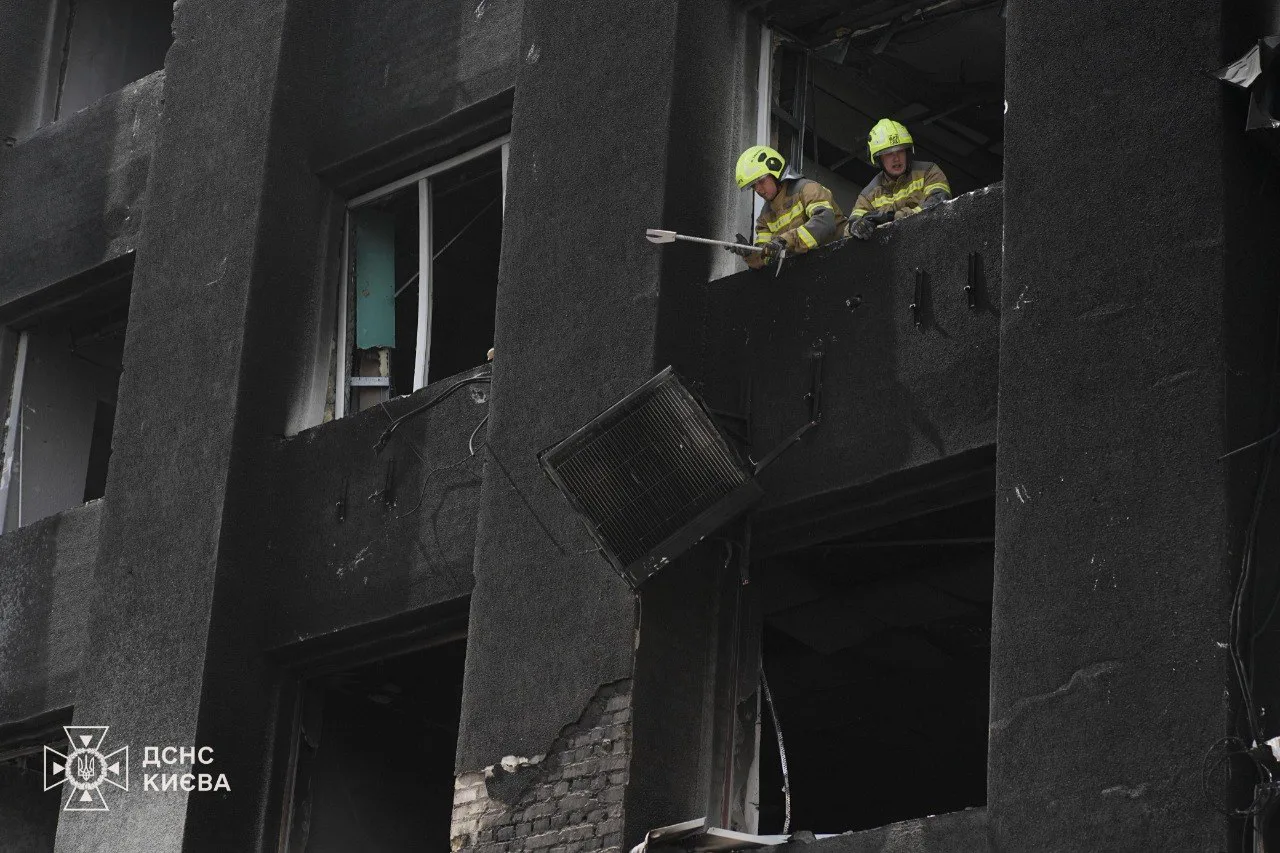
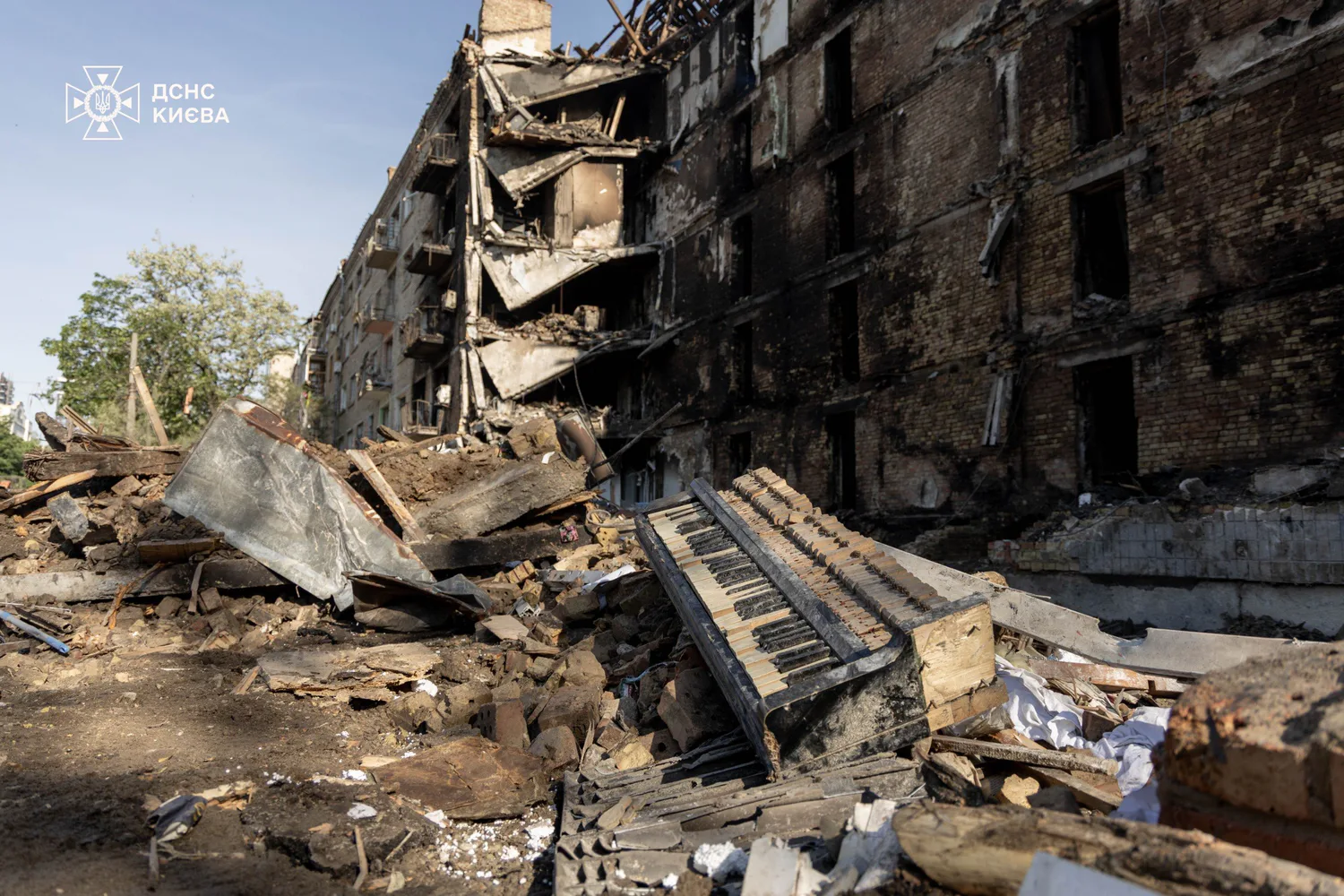
The Ministry of Internal Affairs reports damage to more than 10 multi-story residential buildings, private houses and civilian infrastructure; the number of injured has risen to 32 people. Acting Minister of Energy Artem Nekrasov informed that more than 500,000 consumers in Kyiv and the region were left without power.
In Kyiv and Kyiv Oblast, more than 500,000 consumers were left without power.
— Artem Nekrasov, Acting Minister of Energy of Ukraine
How municipal services are responding
Additional repair crews have been deployed; systems are being restarted and alternative power sources connected. Water supply across the region has already been restored; heating, according to preliminary estimates, will be returned within 24 hours if there is no new strike on the infrastructure.
For city residents temporarily left without heating and electricity, Points of Invincibility have been set up. There people can warm up, charge devices, receive basic assistance and information.
— Oleksiy Kuleba, Vice Prime Minister for Restoration of Ukraine
Practical advice for residents
Use the official channels of the City Council and emergency services. If you are left without heat or power — contact the Points of Invincibility, keep power banks and winter clothing at hand, and use alternative heating sources cautiously. Take care of the elderly and those who need assistance.
What to expect next
Attacks on the energy sector during the cold period are a strategic attempt to weaken infrastructure and exert pressure on the civilian population. However, prompt responses by municipal services, mobile repair crews and the network of aid points reduce the risk of systemic collapse. If the situation remains stable, most consumers should have heating restored within 24 hours; at the same time, the risk of repeated strikes persists, so readiness and coordination remain key.
Summary: this is not just a technical problem — it is a test of the resilience of systems and society. Actions by authorities and municipal services in the coming days will determine how quickly residents return to their normal routines.