Damage to the Kyiv Pechersk Lavra — the first such incident since World War II. What does it mean for Ukraine and the world’s heritage?
On the night of January 24, shelling of Kyiv damaged sites of the Kyiv‑Pechersk Lavra that are under UNESCO protection — this has both cultural and international‑legal dimensions.

By Tetiana Suchkova-Ladik
January 26, 2026 · 2 min read

What happened
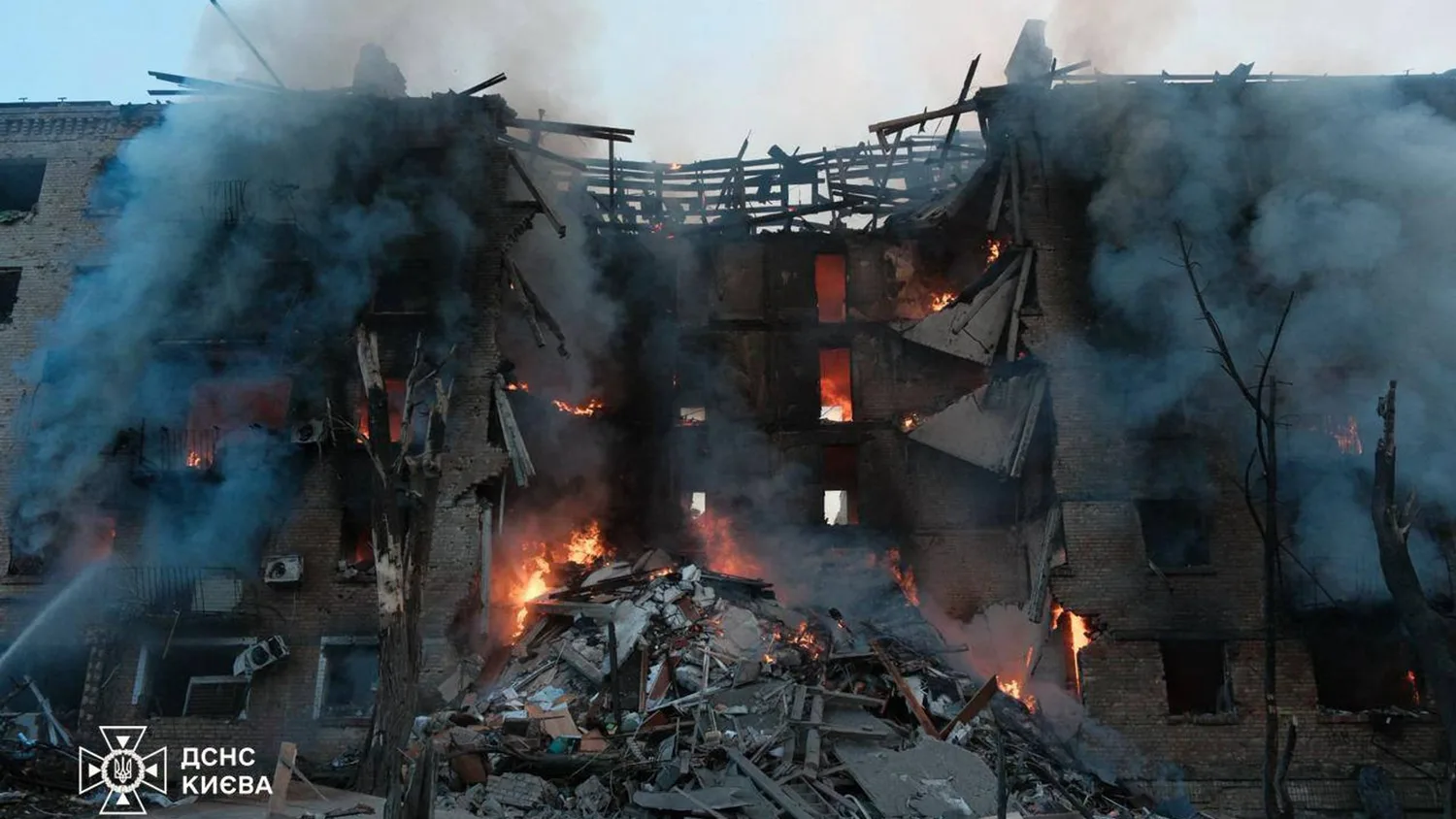
On the night of January 24, Russian forces carried out a large‑scale bombardment of Kyiv, resulting in damage to unique monuments of the National Kyiv‑Pechersk Lavra Reserve. According to the Ministry of Culture of Ukraine and reports from UNN, this is the first case of a shrine being destroyed by military action since World War II.
What exactly was damaged
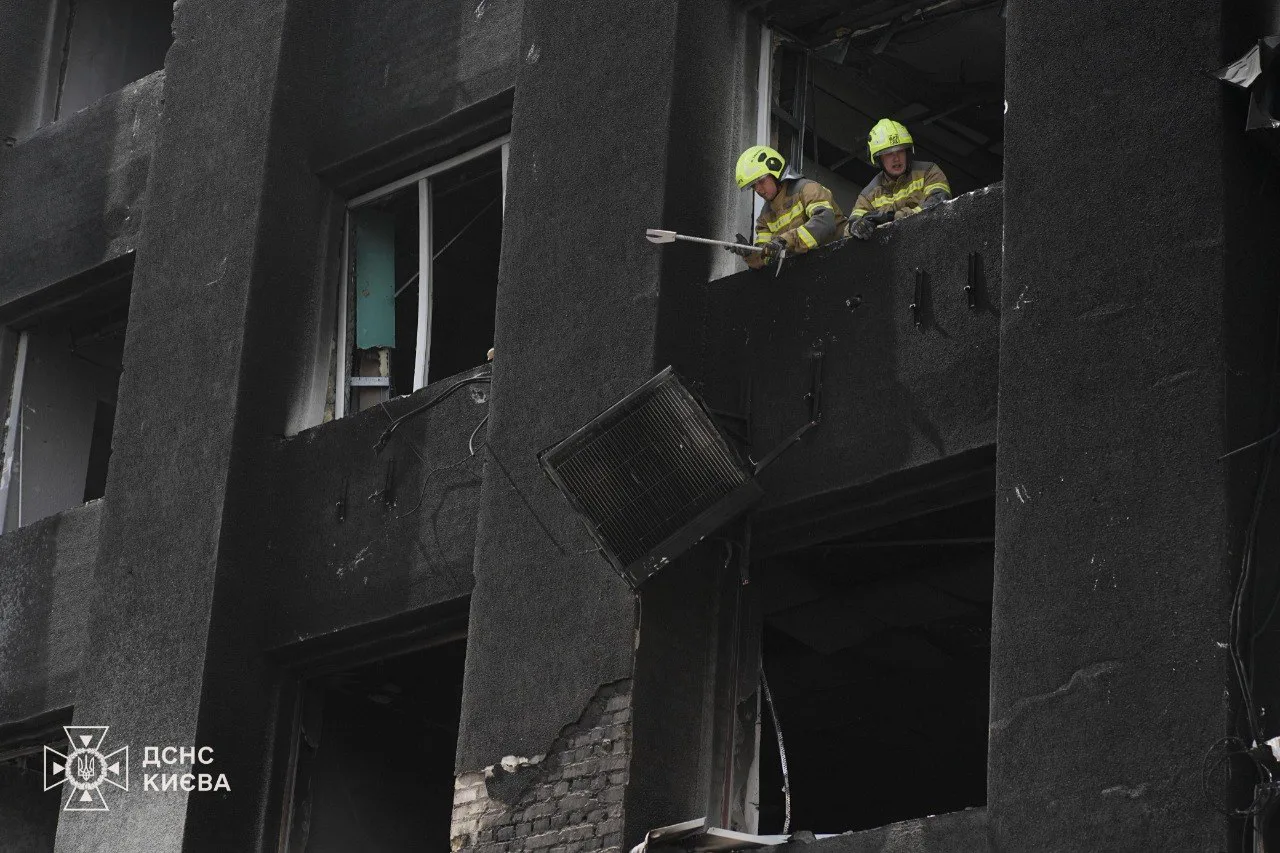
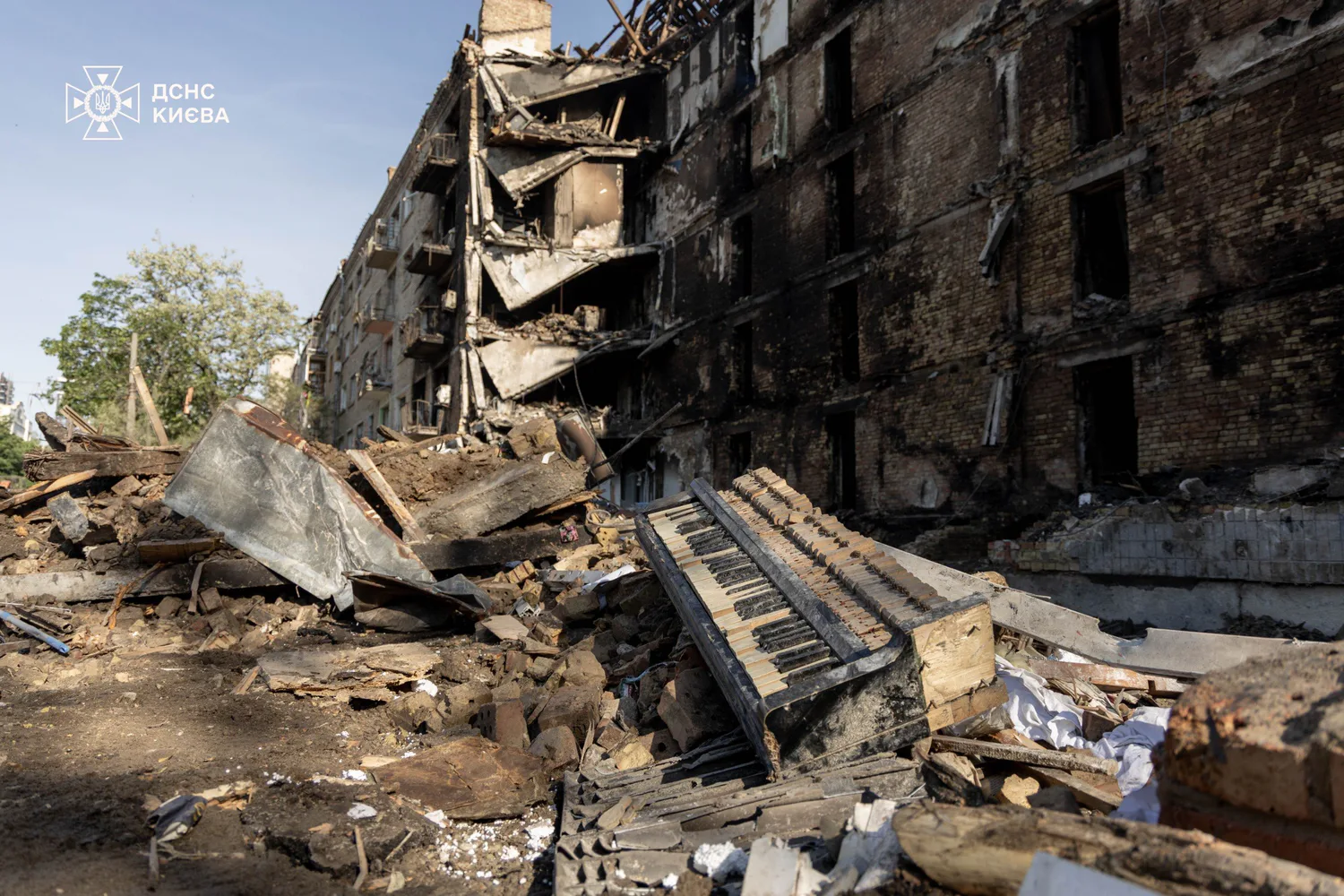
The main strike hit building No. 66 (the entrance area to the Far Caves) and building No. 67 — the Annunciation Church. Reserve staff recorded shattered windows, damaged doors, and numerous cracks and crumbling on the facades.
“Every day Russia attacks Ukraine. Damage to objects of the Kyiv‑Pechersk Lavra is an attack by the Russian Federation on world heritage, a crime against the heritage of humanity.”
— Tetiana Berezhna, Deputy Prime Minister — Minister of Culture
Why this matters
First, these sites are under the protection of UNESCO, so their damage has not only symbolic but also international legal implications: damage to cultural values is being documented to be submitted as evidence to international bodies. Second, this strengthens Ukraine’s case in diplomatic and legal proceedings — according to the Ministry of Culture, since the start of the full‑scale invasion more than 1,600 monuments have been damaged, with 307 incidents recorded in 2025.
Reaction and first steps
A police investigative‑operational team worked at the site — they are preparing an official report on a war crime against cultural property. On January 26, an in‑depth technical inspection of the structures began in order to move as quickly as possible to operational conservation and to plan restoration works.
“The last time destruction on the territory of the Lavra was recorded as a result of military actions was during World War II. What adds particular cynicism to this crime is that this year the Shrine is marking its 975th anniversary.”
— Maksym Ostapenko, General Director of the National Kyiv‑Pechersk Lavra Reserve
Brief outlook
Damage to the Lavra is not only physical harm to stone and frescoes. It is an assault on the cultural memory of Ukrainians and an important piece of evidence in international procedures concerning war crimes. The next steps must be clear: full documentation of the damage, rapid conservation measures, and international technical and financial support for restoration work. Partners can and should respond with resources, not just statements — the speed and quality of restoring pages of our shared history depend on it.