Threefold increase in homes without power in Kyiv after overnight strike: implications for the heating season
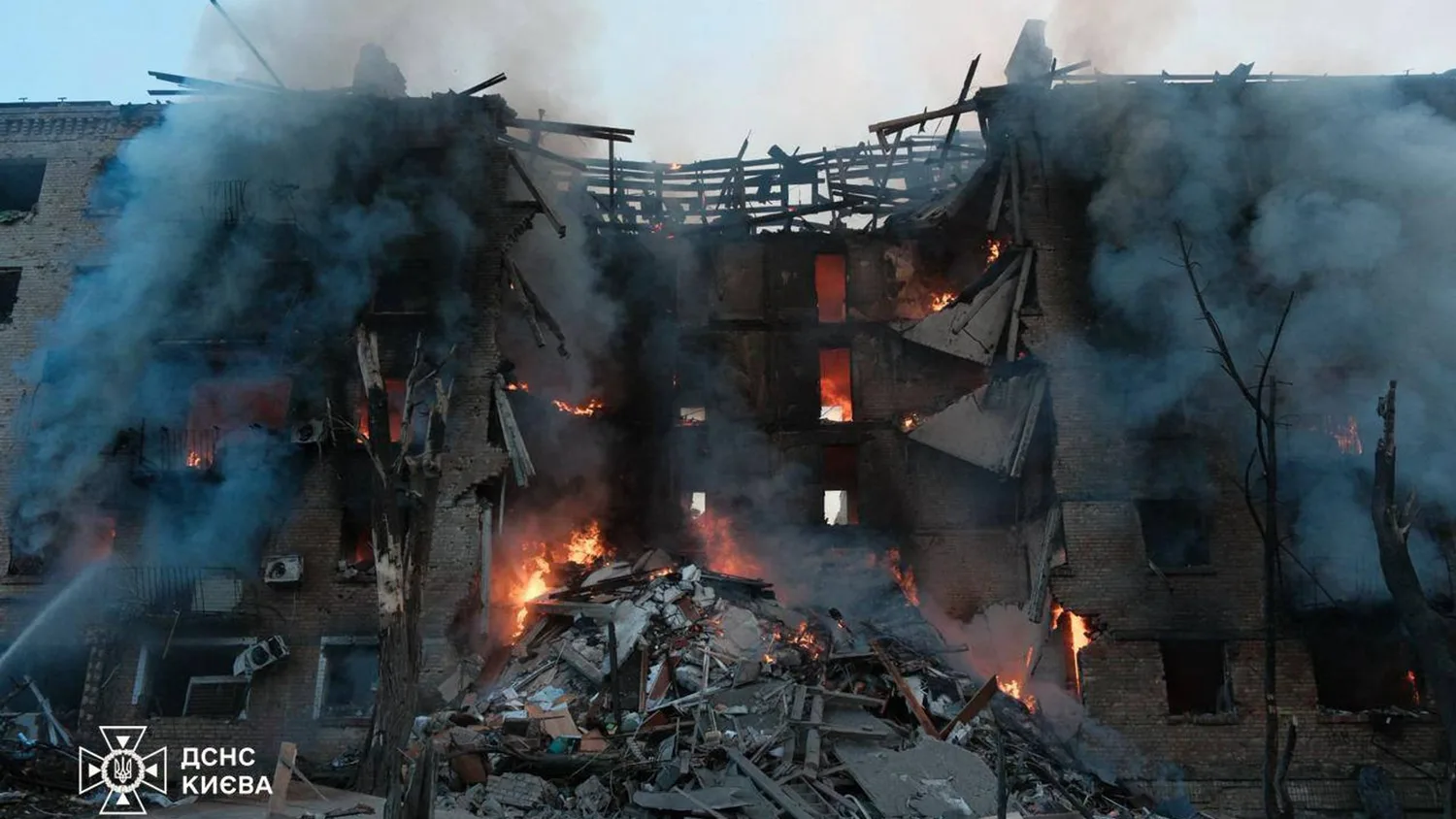
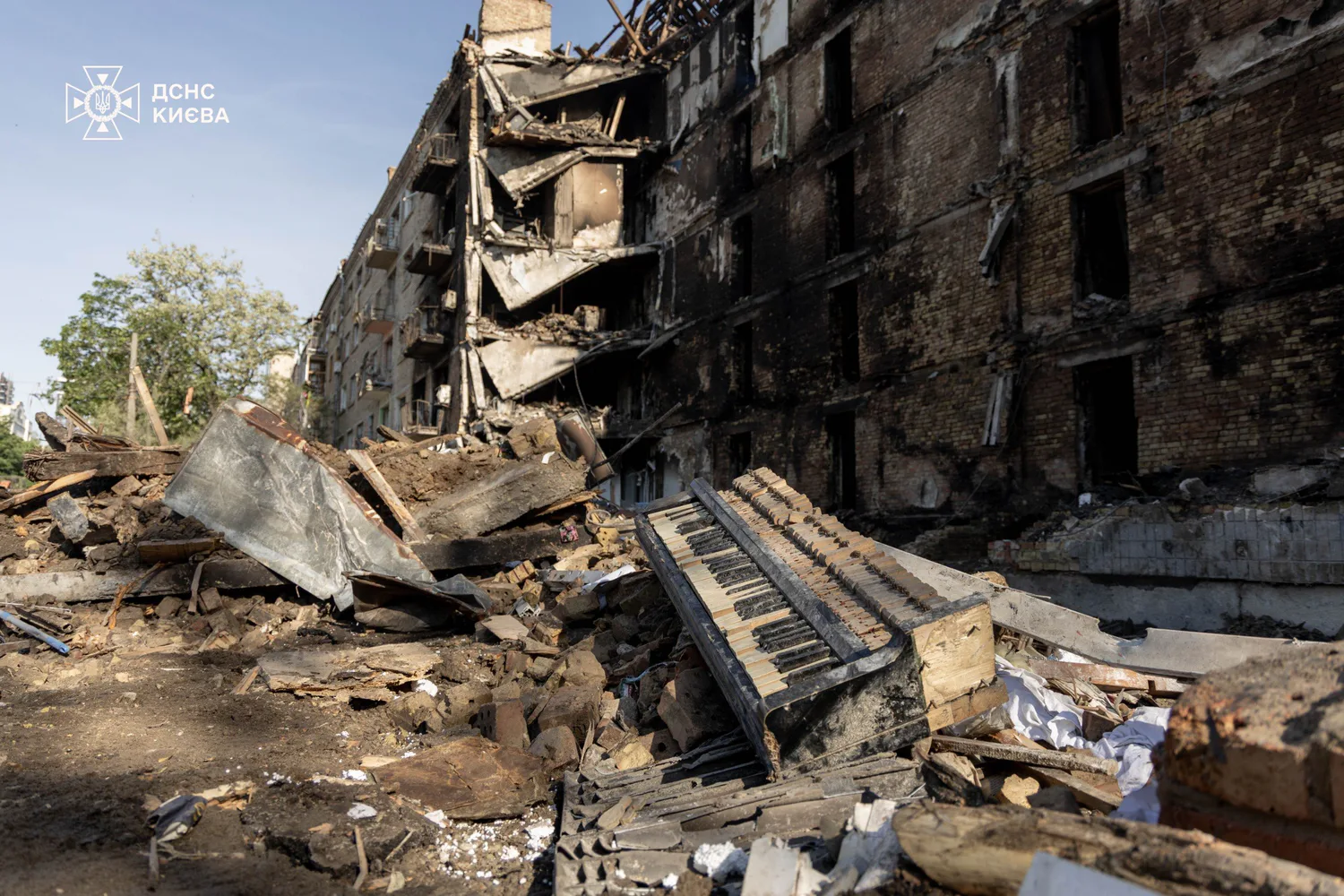
Nearly 3,700 Kyiv homes were left without heat after nighttime Russian shelling; about 2,600 more were additionally cut off due to damage to critical infrastructure. We explain what this means for residents and how restoration services are working.

By Tetiana Suchkova-Ladik
February 12, 2026 · 2 min read

Briefly
After a nighttime Russian strike, the number of homes without heating in Kyiv has nearly tripled — to approximately 3,700. According to the city administration, about 2,600 of those lost heat supply as a result of this attack; a further more than 1,100 homes remain disconnected due to critical damage to the Darnytsia CHP. The information was released by the mayor of the capital, Vitali Klitschko (source: UNN).
Official statement
"After the massive attack last night, as a result of damage to critical infrastructure facilities targeted by the enemy, almost 2,600 additional city buildings were left without heat. These are multi-storey buildings on both the left and right banks of the city, in particular in the Desnianskyi, Dniprovskyi, Pecherskyi and Solomianskyi districts."
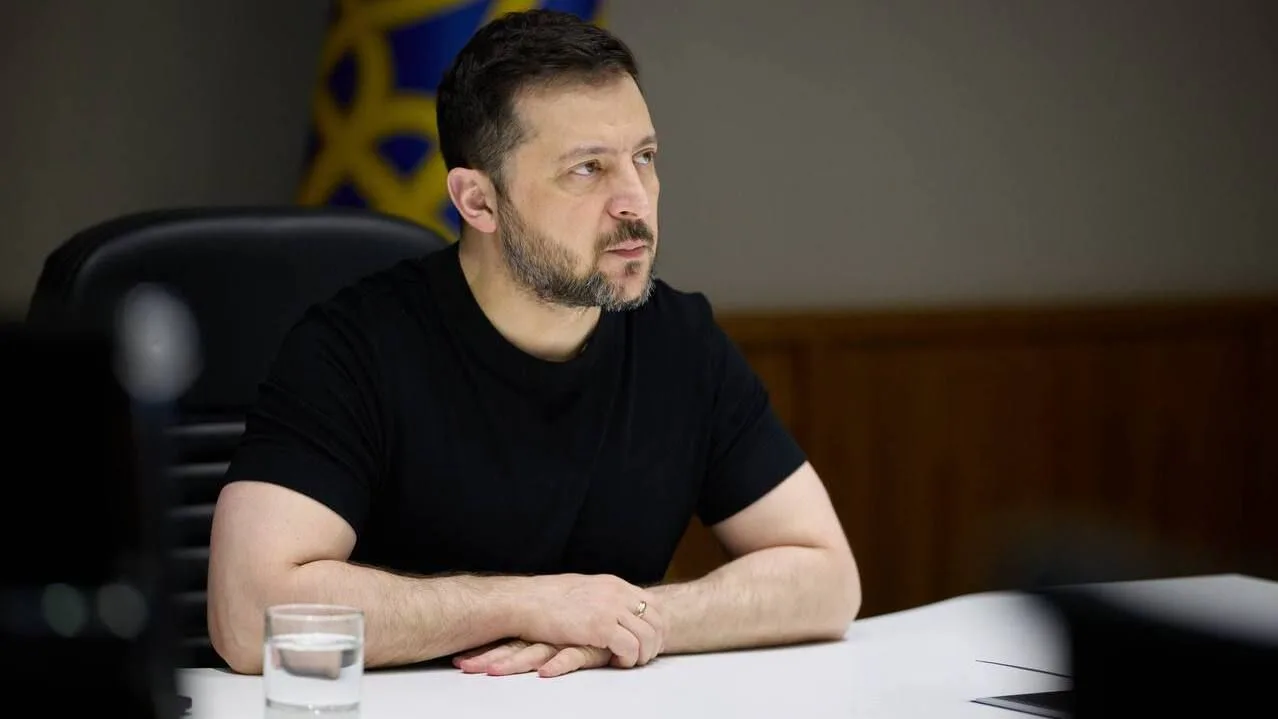
— Vitali Klitschko, mayor of Kyiv
Where and why affected
Major problems are being recorded across the city, with an emphasis on the Desnianskyi, Dniprovskyi, Pecherskyi and Solomianskyi districts. Separately, about 1,100 homes remain without heat due to damage at the Darnytsia CHP — a technical (man-made) issue that requires specialized repair. Taken together, the figures indicate not only the scale of the current problem but also the enemy's strategy of disabling critical engineering systems.
What services are doing
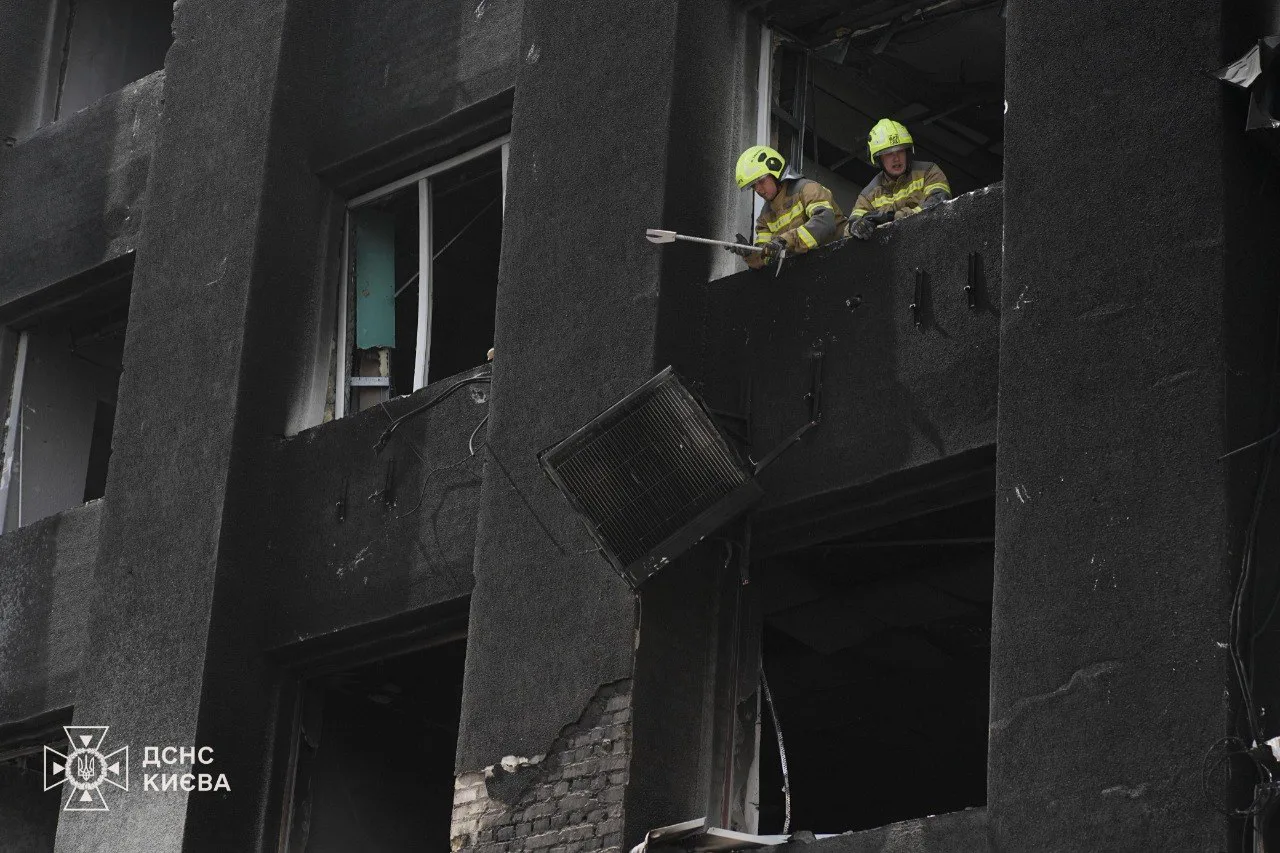
Municipal services are already working to restore the heat supply: inspecting networks, isolating faults, and connecting backup capacities where possible. However, full restoration depends on the results of diagnostics and the availability of materials and equipment. City infrastructure experts emphasize prioritizing work for vulnerable groups of the population — hospitals, nursing homes and multi-storey buildings housing residents with limited mobility.
What this means for Kyiv residents
In the short term — increased risks to comfort and health for people without heating, as well as logistical pressure on emergency crews. In the medium term — the need for technical repairs at the CHP, which may require additional resources and time. This also affects confidence in the resilience of critical infrastructure during a prolonged conflict: analysts note that recovery must combine technical measures with operational coordination between city authorities, energy providers and volunteer networks.
Conclusion
The situation is serious but predictable: targeted attacks on infrastructure follow a logic — which is why it is important to understand not only the scale of the damage but also the response mechanisms. The coming days will be decisive for restoring heat to the majority of homes, while repairs at the Darnytsia CHP will require specialized work. As municipal services continue to operate, citizens are urged to remain calm and follow the instructions of city authorities and emergency crews.
Source: Kyiv City State Administration (Vitali Klitschko), UNN report. Experts' note: the approach to prioritizing restoration and mobilizing resources will determine the speed of restoring heat.